
This Week’s Regulatory Updates
EU Rules Out UK Exemption From Carbon Border Levy: The European Union has confirmed that UK exports will remain subject to its carbon border levy until the two sides formally link their emissions trading systems.
US Implements Tariff Changes Under Switzerland Trade Deal: Washington has amended its tariff schedule to apply revised rates on Swiss and Liechtenstein goods, with the changes taking effect retroactively.
BP Appoints Meg O’Neill As CEO: The oil major has named Woodside Energy’s chief executive as its next CEO, marking a governance reset as BP refocuses on oil and gas investment.
Sarajevo Imposes Emergency Air Pollution Restrictions: Authorities in the Bosnian capital have introduced vehicle and construction bans after air quality reached hazardous levels.
EU confirms UK will face carbon border levy until emissions markets are linked
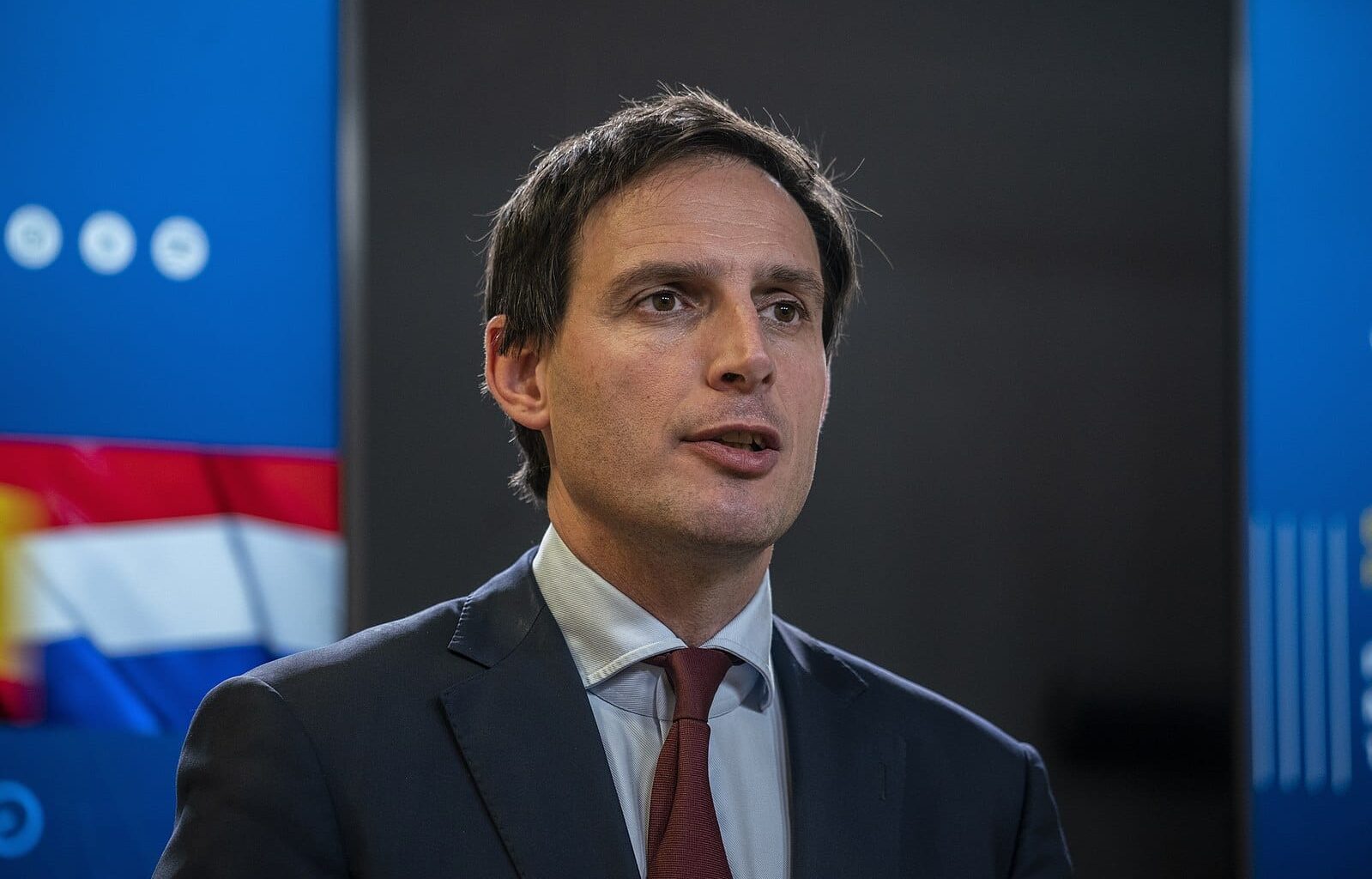
The European Union (EU) has confirmed it will not exempt the United Kingdom from its carbon border adjustment mechanism (CBAM) on imports of carbon-intensive goods until the two sides formally link their emissions trading systems. EU climate commissioner Wopke Hoekstra said British exporters will remain subject to the CO₂ levy on products including steel, cement, fertilisers, aluminium and hydrogen unless and until a carbon-market linkage agreement is reached.
British industry had pushed for a temporary exemption while negotiations were underway, warning the levy could cost UK companies around £800 million per year. However, the European Commission said exemptions would only be considered once the markets are fully aligned, leaving no interim relief. Hoekstra acknowledged the UK government would have preferred a different sequencing but said the EU could not alter the order of implementation.
There was some limited relief for electricity exports. The Commission indicated that UK power exports to the EU should not face CBAM charges, as British generators already pay higher carbon costs than their EU counterparts. The UK government said securing a carbon-linking agreement remains a priority, citing potential savings off billions of pounds.
The EU’s CBAM will begin applying fees on imports from January, with companies required to purchase CBAM certificates by September 2027 to cover their 2026 emissions.
Insight:
The decision reinforces CBAM as a hard enforcement tool, increasing pressure on the UK to align carbon markets or absorb rising trade costs.
***
Further reading: EU rules out UK exemption from carbon border levy until markets link
US implements tariff changes under trade deal framework with Switzerland
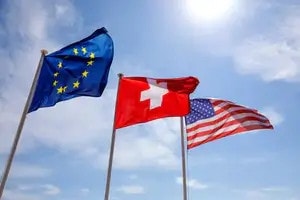 The United States has implemented tariff changes under a trade deal framework with Switzerland and Liechtenstein, applying revised rates retroactively. Photo Credit: MarekUsz
The United States has formally implemented tariff-related elements of a trade agreement framework with Switzerland and Liechtenstein, according to a notice issued by the Office of the U.S. Trade Representative and published in the Federal Register. The changes amend the U.S. tariff schedule to apply either the most-favoured-nation tariff rate or a 15% tariff, whichever is higher, on goods imported from the two countries. The measures are retroactive to November 14, the date when the tariff terms were first announced.
The updated tariff regime affects a range of products, including certain agricultural goods, unavailable natural resources, aircraft and aircraft parts, and generic pharmaceuticals along with their chemical ingredients and precursors. The United States agreed to the adjustments as part of a broader trade framework announced in November, under which Washington reduced tariffs on Swiss imports from 39% to 15%. In return, Swiss companies pledged to invest $200 billion in the U.S. by the end of 2028.
The USTR said the tariff changes are being implemented ahead of the finalisation of the full trade agreement, which is expected by March 31. If the agreement is not concluded by that date, the United States will review and potentially revise the tariff modifications.
Insight:
The move locks in immediate trade terms while maintaining leverage, signalling a pragmatic, enforcement-first approach to trade negotiations.
***
Further reading: US confirms tariff elements of trade deal with Switzerland
Featured ESG Tool of the Week:
Klimado – Navigating climate complexity just got easier. Klimado offers a user-friendly platform for tracking local and global environmental shifts, making it an essential tool for climate-aware individuals and organizations.
BP appoints Meg O’Neill as CEO amid strategic shift toward oil and gas
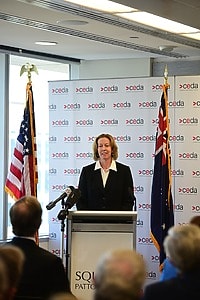 BP has appointed Woodside Energy chief executive Meg O’Neill as its next CEO, marking a leadership change as the company refocuses its strategy. Photo Credit: Wikimedia Commons
BP has appointed Meg O’Neill, currently chief executive of Australia’s Woodside Energy, as its next CEO, effective April 1, following the abrupt departure of Murray Auchincloss. The appointment marks a historic first for the company, with O’Neill becoming both BP’s first externally hired CEO and the first woman to lead one of the world’s five largest oil majors. BP executive vice president Carol Howle will serve as interim CEO until O’Neill formally assumes the role, while Auchincloss will remain in an advisory position through December 2026 to support the transition.
The leadership change comes as BP continues its strategic reset after several years of underperformance relative to peers. Earlier this year, the company scaled back billions of dollars in planned renewable energy investments and refocused spending on oil and gas operations. BP has also committed to divesting $20 billion in assets by 2027, reducing debt, and cutting costs. Chair Albert Manifold said the company requires greater discipline and execution to deliver shareholder value, amid pressure from activist investor Elliott Investment Management.
O’Neill brings extensive oil and gas experience, having led Woodside since 2021 and previously spent more than two decades at Exxon Mobil.
Insight:
The appointment formalises BP’s pivot toward traditional energy and signals a governance-driven effort to restore profitability and investor confidence.
***
Further reading: BP taps Woodside’s Meg O’Neill as CEO after abrupt Auchincloss exit
Sarajevo imposes emergency restrictions after hazardous air pollution spike
 Authorities in Sarajevo have imposed emergency restrictions, including vehicle and construction bans, after air pollution reached hazardous levels. Photo Source: Wikimedia Commons
Authorities in Sarajevo have imposed emergency air quality measures after the Bosnian capital was ranked the world’s most polluted city on consecutive evenings by air-monitoring firm IQAir. The cantonal government issued a formal health warning and introduced temporary restrictions aimed at reducing emissions as air quality reached hazardous levels following prolonged fog and smog.
The measures include a ban on trucks weighing more than 3.5 tonnes, restrictions on cars and trucks that fail to meet European Union emissions standards, and a suspension of construction work in open areas. Public outdoor gatherings were also prohibited. The restrictions were introduced immediately and are intended to remain in place until pollution levels improve.
Officials and environmental experts say Sarajevo’s pollution is driven primarily by household heating, with around 40,000 homes relying on firewood and coal during winter, as well as road traffic. The city’s geography worsens the problem, as temperature inversion traps polluted air in the valley for extended periods. Bosnia has some of the highest levels of fine particulate matter (PM2.5) pollution in Europe, with the World Bank estimating air pollution causes 3,300 premature deaths annually and economic losses equivalent to more than 8% of GDP.
Insight:
The emergency measures highlight the limits of short-term controls and underscore the need for structural reforms in heating, transport, and urban energy policy.
***
Further reading: Sarajevo takes steps on air quality after most-polluted city ranking
Editor’s Note: The opinions expressed here by the authors are their own, not those of impakter.com — Cover Photo Title: The climate commissioner. Cover Photo Credit: Wikimedia Commons
***