
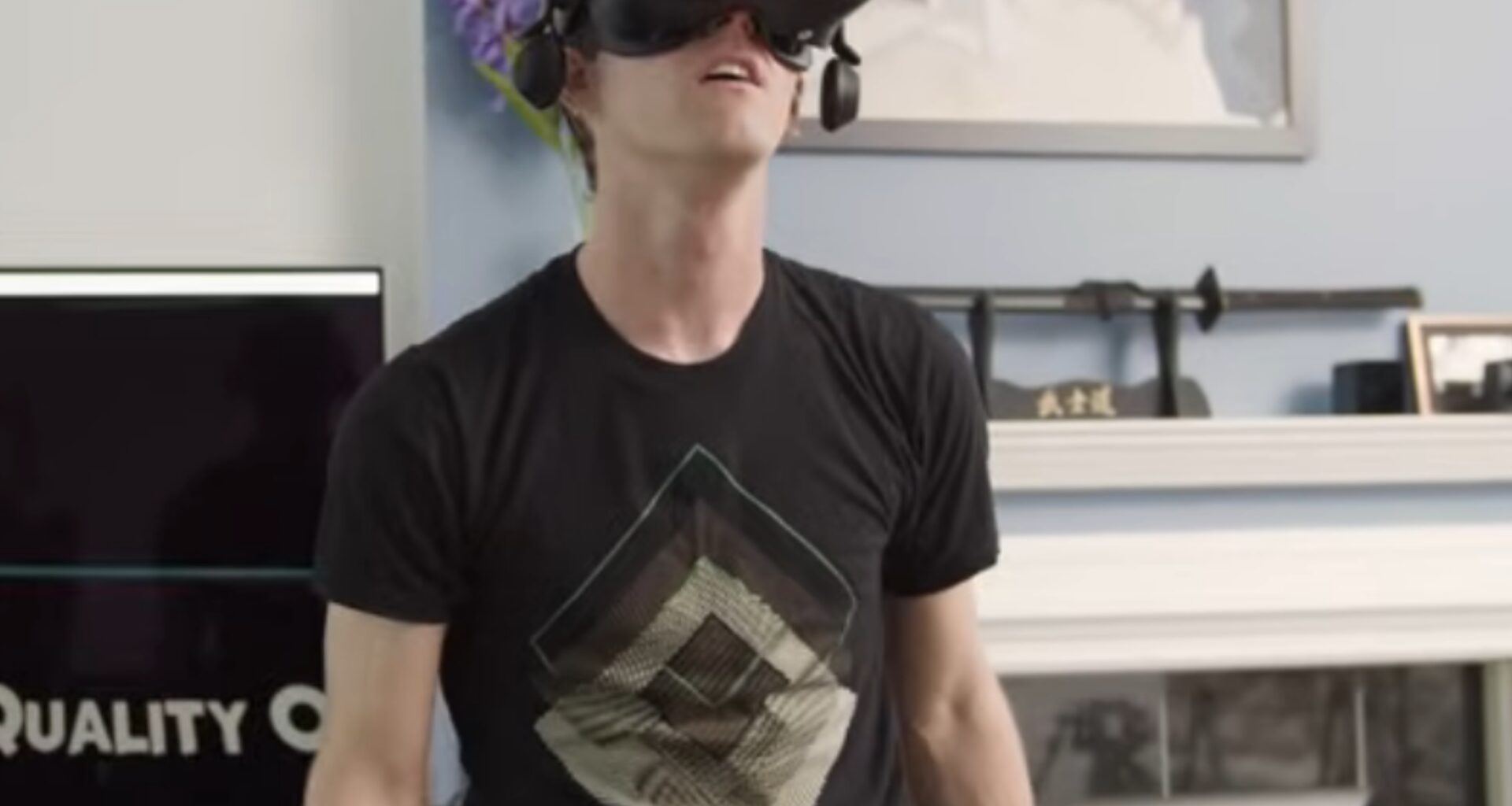
Well-known tech YouTuber Linus Sebastian was invited to Valve’s headquarters to try out the Steam Frame – the company’s new VR headset designed to stand out through cross-platform support, built-in eye tracking and a fully wireless focus. For more detailed specifications, see our earlier report. While the hands-on time was limited to around two hours, it was enough for him to form early impressions and compare the headset with current models.
According to Linus, one of the Steam Frame’s standout features is its advanced eye-tracking integration. With foveated streaming, the areas the user is directly looking at appear sharper, improving visual clarity where it matters most. He also praised the headset’s well-balanced design and open platform as major strengths. His main criticism, however, focused on the use of LCD displays, which fall short of delivering true black levels.
Compared to the Valve Index, the Steam Frame stands out with its noticeably lower weight, improved ergonomics, higher resolution and the shift to inside-out tracking using wide-angle cameras. Linus noted that the audio quality should be on par with the Index, although he still has some minor reservations. When compared to the Meta Quest 3, which is known for its strong value, he highlighted the Steam Frame’s more open platform, lighter build and integrated eye tracking as clear advantages.
Apple’s Vision Pro leads in areas such as display quality, passthrough and hand tracking, but falls short in terms of comfort and gaming focus. The Bigscreen Beyond 2 still holds an edge over the Steam Frame when it comes to weight and micro-OLED image quality, yet it also comes with significant drawbacks – no built-in audio, a high price and reliance on external base stations. Meanwhile, the PSVR2 is viewed as a solid option for its price, though its tethered setup, Fresnel lenses and basic ergonomics make it feel more traditional and less advanced overall.

As a child in the 90s, my Gameboy was my steady companion. After school, the PlayStation was fired up. When I finally got my first PC, I was completely hooked. My passion for gaming has never waned since. For me, writing for Notebookcheck means reporting on topics that are really close to my heart – in addition to gaming, I also like to write about e-mobility, photovoltaics and innovative gadgets. When I’m not sitting at my computer, I’m probably on water rescue duty on the Baltic coast or trying to counteract the downsides of my geek life – namely sitting for long periods – at the local swimming pool.