
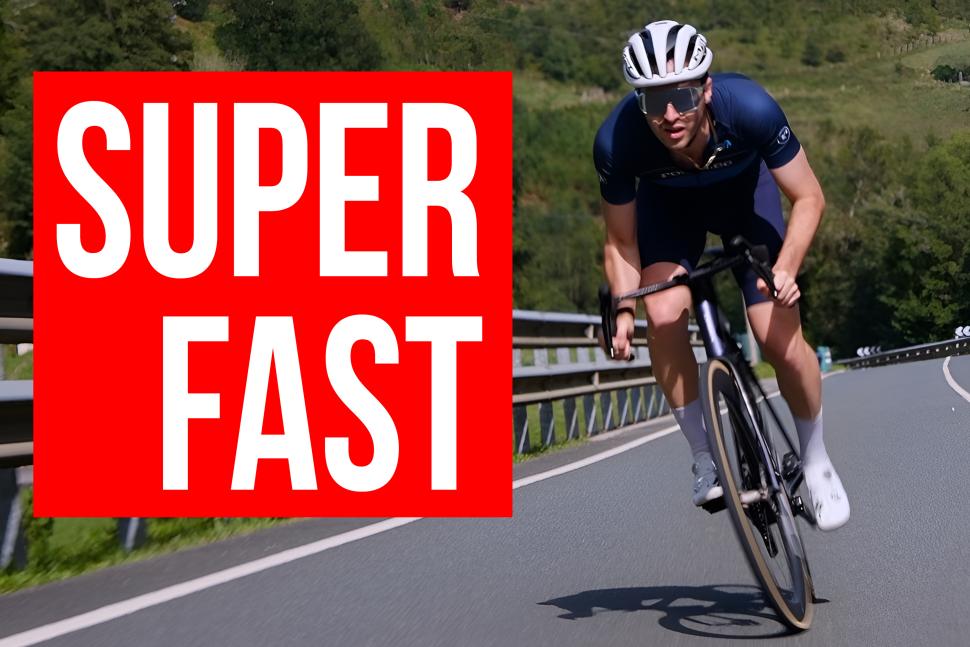
Carbon wheels are one of the best upgrades for any road or gravel bike, and a visit to the Oquo HQ in the Basque Country provided a close-up look at how the brand’s sought-after wheels are made from start to finish. We even got to build our very own wheelset to feel the difference for ourselves.
Oquo was founded in 2020 with just six employees, and has quickly grown into a WorldTour sponsor, supplying wheels to the Women’s WorldTour team Ceratizit Pro Cycling and the UCI ProTeam Lotto.
The Basque brand produces both road and mountain bike wheels, all of which are designed and hand-assembled in-house using machinery developed by Oquo themselves. During the visit, Liam was invited to see the process first-hand and even take part in assembling his own wheelset.
Building a wheelset
At the heart of every wheel lies the hub. Unlike many wheel brands that buy hubs from external suppliers, Oquo designs and manufactures its own in-house.
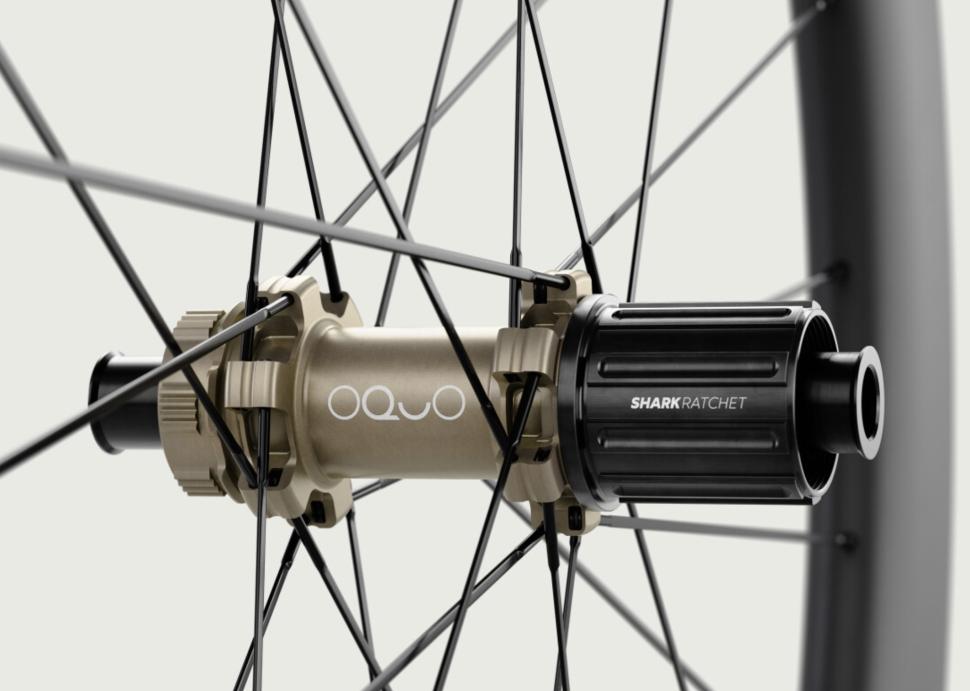 2025 Oquo wheels hub (credit: Oquo)
“The development of the hub has been something crucial for us,” explains Juan Carlos, Head Engineer at Oquo. “From the beginning, we’ve always thought that most hubs on the market could be improved. Many times, you find a very high-end tub where it’s too complicated for the consumer to service. Sometimes they have threaded parts that make them heavy and that require special tools to remove.”
Ease of maintenance wasn’t the only focus. For Oquo, performance and efficiency are just as important.
“For a competition hub, everyone’s thinking about watts and hub friction,” Juan Carlos continues. “One of the things we’ve done is to develop a bearing specifically for use in a bike. The bearings you find in many hubs are industrial bearings which come with grease that’s too thick and seals that create too much friction. With this, and the machining precision that we achieve here in Spain, the housing, the bearing, and the axle precision, we create that smooth rolling feel that riders love so much.”
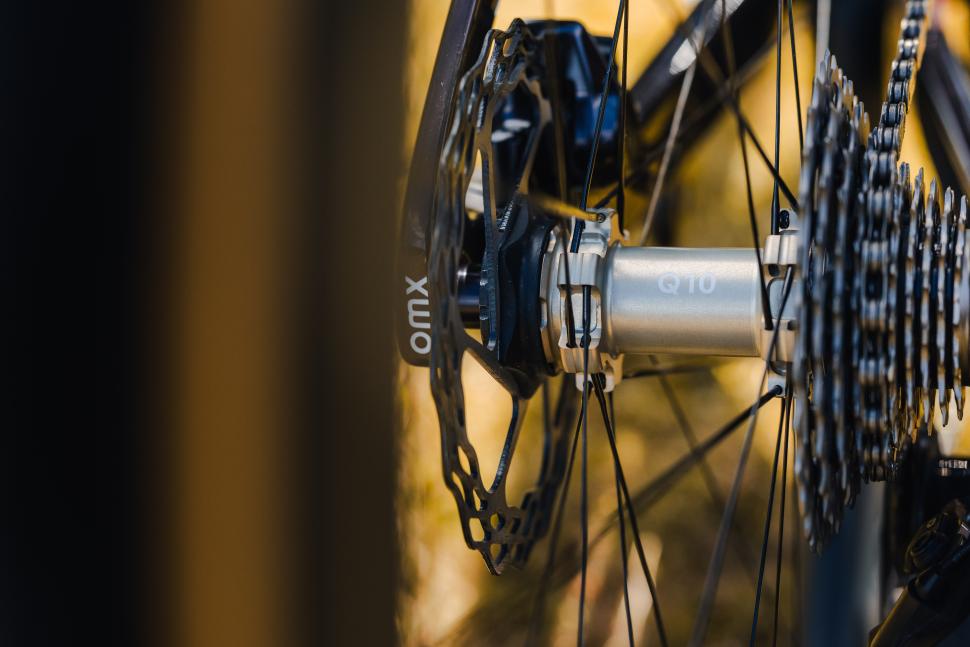 The new Oquo Q10 hub – from Eurobike Award winner to Tour winner? (credit: Orbea – Harry Talbot)
While outsourcing would have been simpler, Oquo chose a harder path to ensure total quality control. “Many brands buy a hub, buy a rim, and assemble,” says Juan Carlos. “We wanted to go one step further – we wanted to control the whole process. The hardest thing is to do it yourself, but when you do it yourself, you have full control of the process and of course, control the quality.”
The process begins with a bare hub shell, laser-etched with the Oquo logo before the axle and custom bearings are installed. From there, the hub is ready to form the foundation of a complete wheel.
Once the hub is complete, the next step is to bring the wheel to life. The process begins with the spokes – each one carefully assembled into the hub before being laced into the rim. Semi-automatic tools assist the operator in building the full wheel structure, speeding up the process without sacrificing the precision of a hand-built wheel.
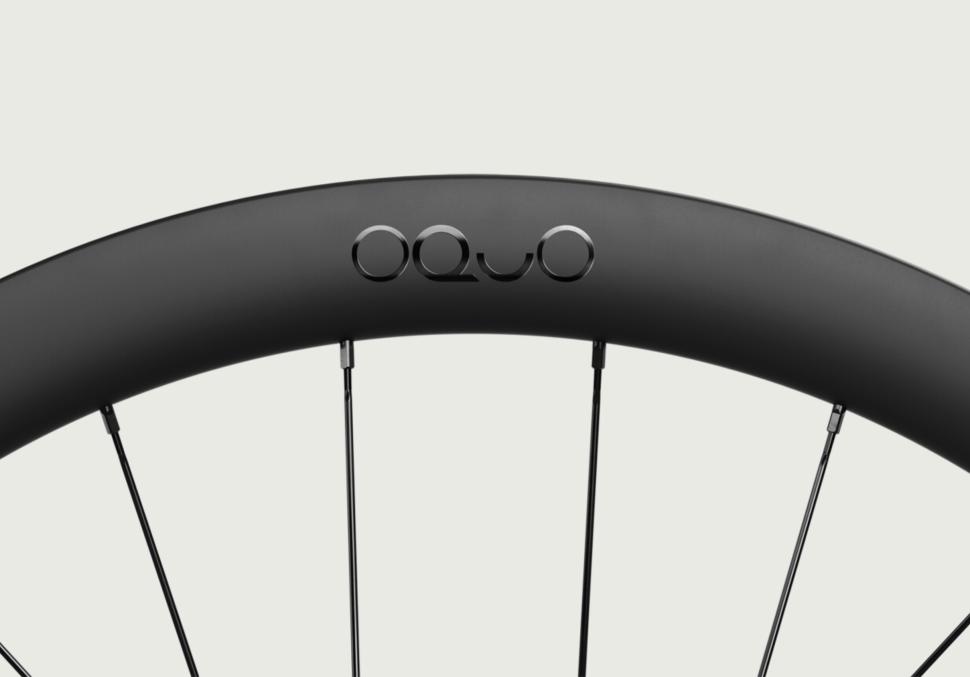 2025 Oquo wheels RP57 rim (credit: Oquo)
With the wheel assembled, it’s time to add tension. Initial adjustments bring the wheel into shape, followed by more refined spoke tensioning. The operator then rotates the wheel by hand, checking that every nipple is properly seated and adjusted.
There’s one final step in the building process whereby a single button press applies the rim tape perfectly in place, sealing off the process.
Rim development
Oquo designs all its rim shapes entirely in-house, beginning each project with clear performance targets, often based on feedback from their sponsored riders.
“A wheel is a system – the rim, the hub, the spokes,” the Oquo engineers explain. “We analyse everything but especially in terms of aerodynamics, the rim has the biggest impact in the wheel design. A more stable product, will keep the rider in permanently in this aero position.”
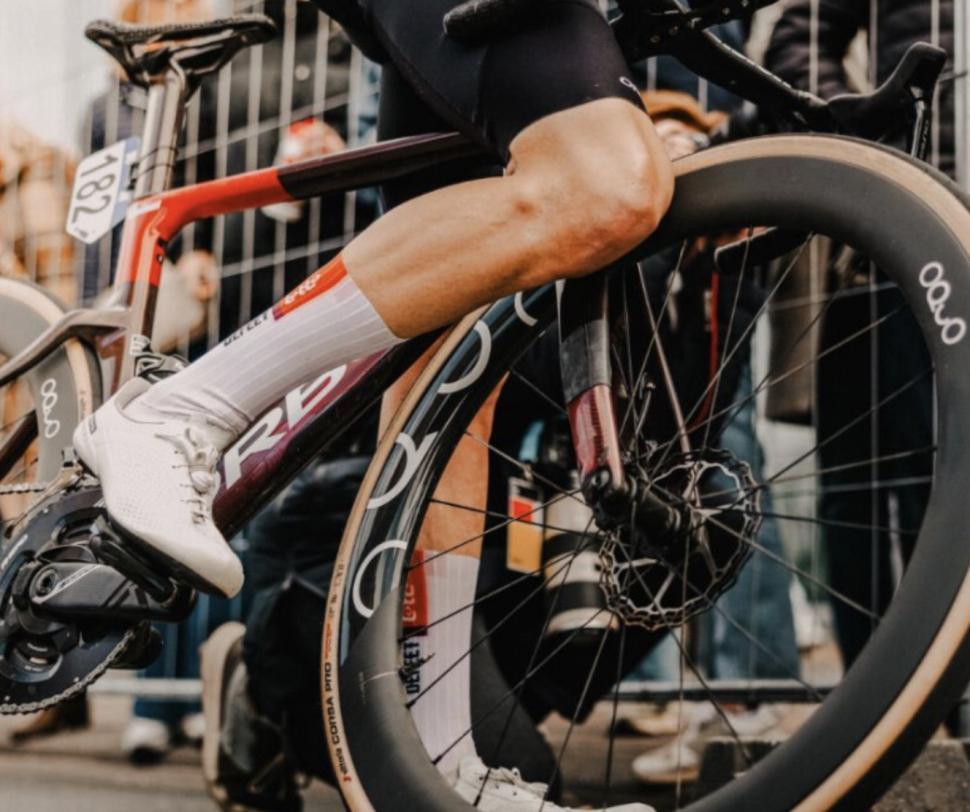 2025 Oquo wheels Lotto cycling team (credit: Oquo)
Oquo also develop rims alongside specific tyre profiles to optimise the airflow over the wheel and improve crosswind stability. Much of their design work focuses on how the wheel behaves at yaw angles of around 10-15 degrees.
Another distinctive feature of Oquo’s wheels is their use of a “mini hook” rim rather than a hookless design.
“Both the systems have pros and constraints, but we decided to go with the mini hook because during our testing we realised that rim with the hook gives you the opportunity to manage a wider range of tyre pressures”, Oquo engineers explain.
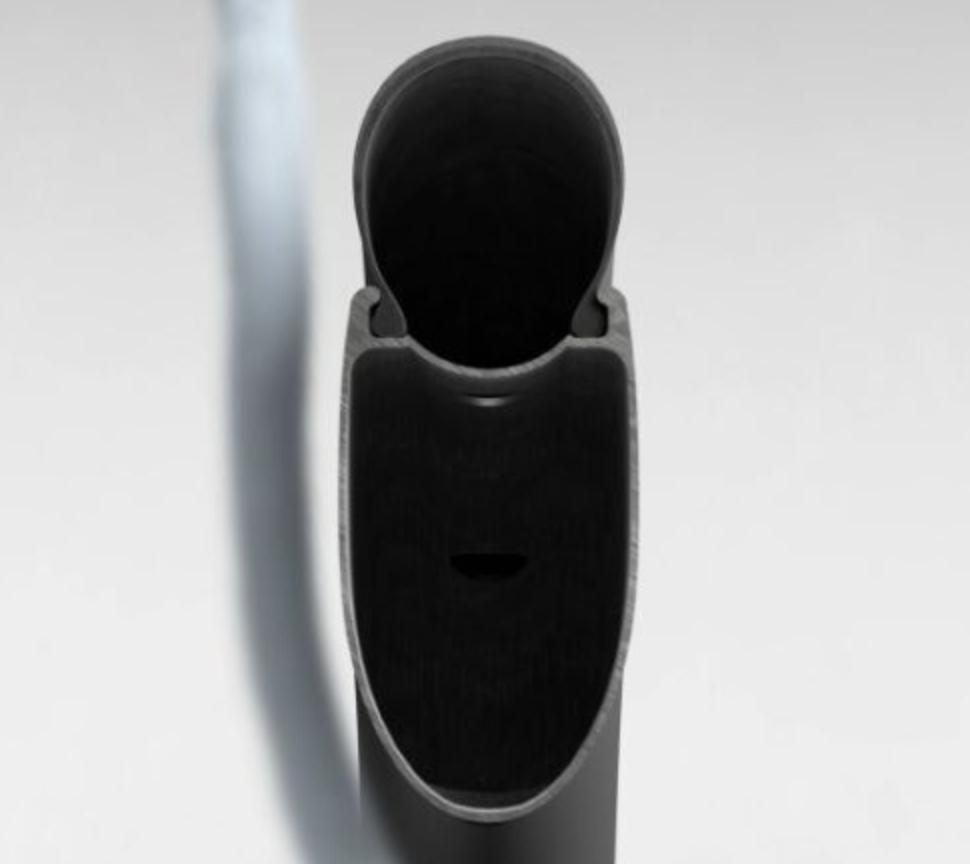 2025 Oquo wheels rim shape (credit: Oquo)
“With hookless, there is no hook that maintains the tyre inside the rim, the pressure range is narrower. So you have a wider range to manage different rider weights”.
While hookless works well in mountain biking and gravel, where pressures are typically below five bar, road tyres often require higher pressures. Oquo say that the mini hook design provides greater safety at those pressures and more freedom for riders of different weights to tune their setup for comfort, grip, or rolling speed.
Stress testing
Once the wheels are fully built, they move on to Oquo’s stress testing area, where durability and build quality are put to the test.
Before any wheel leaves the workshop, it’s placed into a specialised measurement machine. Here, the wheels are analysed to confirm it meets Oquo’s strict stiffness and alignment parameters. Only when the data falls within tolerance is the wheel approved.
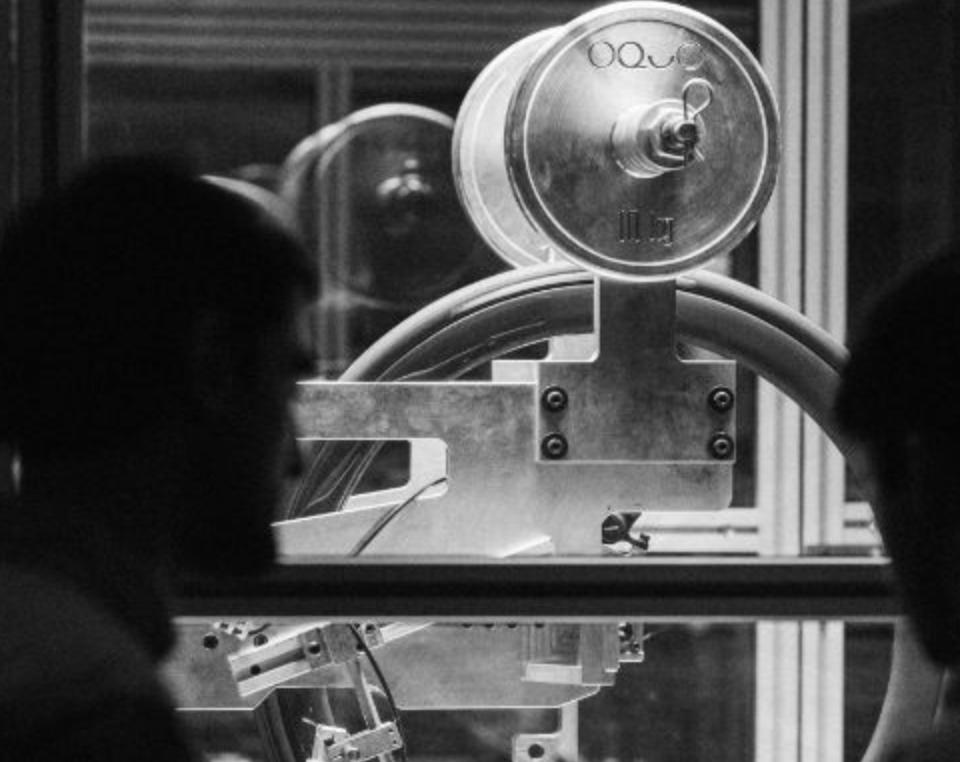 2025 Oquo wheels factory stress testing (credit: Oquo)
For road wheels, the industry standard lifespan test requires 750,000 impact cycles, with each cycle simulating a wheel hitting a step or bump in the road. Oquo goes far beyond that benchmark – their wheels are tested into the millions of cycles, ensuring they can handle years of riding and the occasional pothole without issue.
Another key part of testing is the spring test, designed to check the precision and consistency of the wheel assembly. The wheel oscillates from side to side to replicate roughly 1,000 kilometres of sprinting, verifying that spoke tension remains even and that the wheel can withstand intense lateral forces.
Only after passing these tests are the wheels signed off for final inspection and packaged for riders and teams.
The wheel models
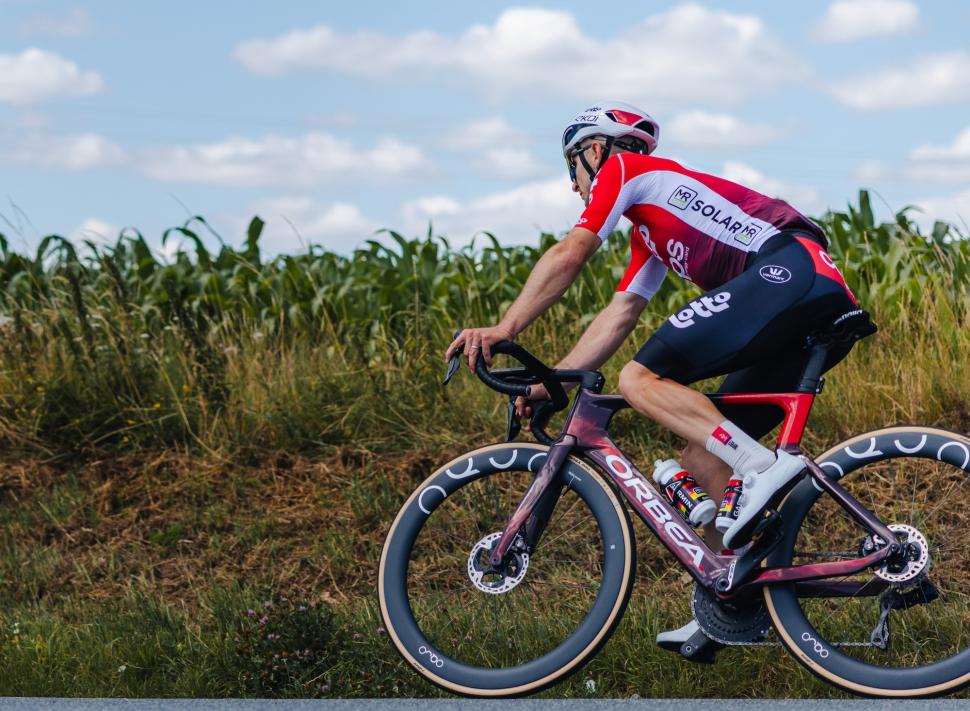 2025 Oquo RA57 Ltd wheels (credit: Oquo)
Oquo has three ranges of road wheels: Road Aero (RA), Road Performance (RP) and Road Control (RC), and we got to test the RA57 LTD and RP50 LTD wheelsets.
The RA57 LTD’s are Oquo’s deep-profile, aerodynamic wheels designed for speed, yet it remains light at 1,460g, making it well suited for climbing too. They’re also very stiff and stable for riding in windy conditions.
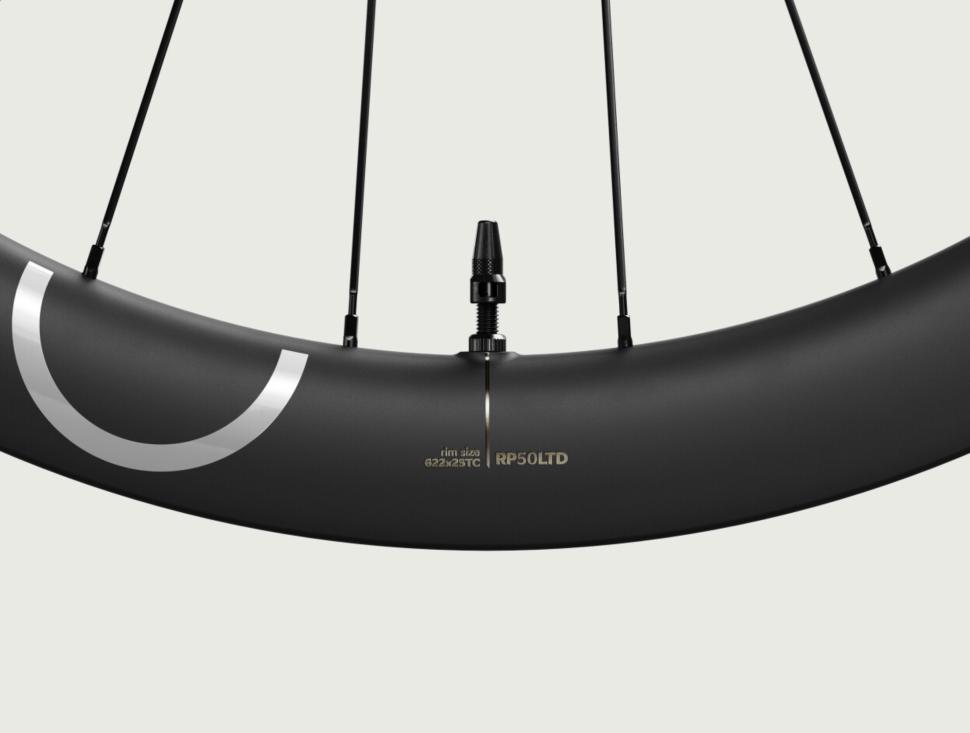 2025 Oquo wheels RP50 rim (credit: Oquo)
The RP50 LTD’s are based on performance but also designed with high strength as these are the wheels the pros use for cobbled racing and gravel. The 25mm internal width pairs with 45mm tyres, and while it isn’t as aero as the RA57, the RP50 delivers versatility and strength, making it a great choice for mixed-road conditions.
To see Oquo’s full range of wheelsets, head to their website