
Intermittent fasting has long been a popular method to control weight. It involves switching between fasting and eating on a regular schedule.
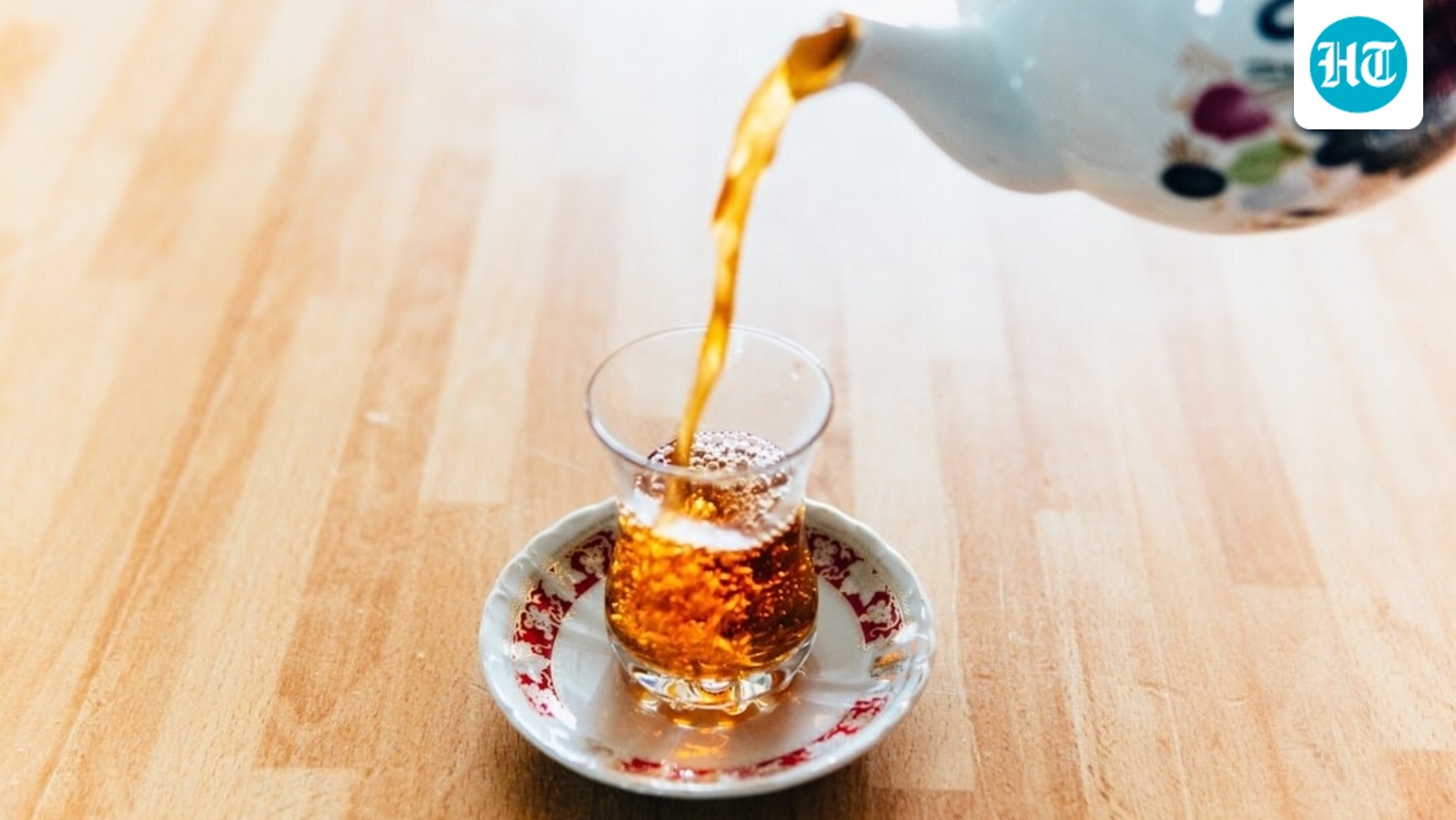
 Tea without dairy can be consumed during the fasting period, shared Dr Sethi. (Unsplash)
The basic principle of intermittent fasting is to prolong the period between calorie intakes so that the body burns through the amount that is last consumed and starts to burn fat.
Needless to say, we need to be mindful of the things we consume even while implementing the method.
Taking to Instagram on 20 December, Dr Saurabh Sethi, California-based gastroenterologist trained at AIIMS, Harvard and Stanford Universities, shared three tips that would help boost the utility of the exercise and help us specifically lose stubborn belly fat.
Follow a 12-12 fasting schedule
To get started with intermittent fasting, Dr Sethi suggested that we should first select a 12-12 fasting window. This involves dividing the day into two equal halves – one for eating and the other for abstaining from food.
“This approach helps you sleep soundly at night and reduces the likelihood of unhealthy food choices the next day,” shared the doctor.
Choose the right drink
While eating is not allowed within the fasting window, we can indulge in beverages of our choice. However, they should not provide the body with any significant calorie content.
Dr Sethi’s preferred choice of drinks for the fasting period include:
Black coffeeGreen teaBlack teaWaterApple cider vinegarLemon waterFennel/basil waterChamomile teaGinger teaFocus on high-fibre, high-protein diet
Consuming foods rich in fibre and protein during the eating window helps to keep us full and satiated while promoting fat loss.
Healthy protein-rich foods include paneer, tofu, chickpeas, chicken, turkey, and fish, while fibre-rich food sources are fruits and vegetables.
Note to readers: This article is for informational purposes only and not a substitute for professional medical advice. Always seek the advice of your doctor with any questions about a medical condition.
This report is based on user-generated content from social media. HT.com has not independently verified the claims and does not endorse them.