
Home » America Travel News » New Mexico Joins Texas, Maine, New York, Illinois, And Other Border States In Struggling With A Severe Decline In US Tourism As Political And Economic Factors Contribute To The Slowdown
Published on
December 20, 2025

New Mexico joins Texas, Maine, New York, Illinois, and other border states in struggling with a severe 12% decline in U.S. tourism in 2025, as political and economic factors weigh heavily on international visitor numbers. A combination of stringent visa policies, political tensions, and economic instability has led to a noticeable downturn in foreign arrivals, particularly affecting states that traditionally draw large international crowds. This decline is taking a toll on local businesses that depend on tourism for revenue, while also raising concerns about the long-term sustainability of the industry. The article explores the causes behind this downturn, the financial implications for these states, and the strategies being employed to combat the downturn and boost international tourism.
The tourism industry across the United States is facing a significant decline in international visitors in 2025, with New Mexico joining a growing list of border states that have seen a downturn in foreign arrivals. Texas, Maine, New York, and Illinois have all reported sharp declines in tourism, with impacts felt across multiple sectors. The decline in international tourism has caused economic strain on local businesses that rely heavily on visitor spending. This article delves into the causes behind the tourism slowdown, the projected losses, and the broader implications for US tourism. It also examines how different states are reacting to the challenges and what strategies they are deploying to reverse the trend.
Factors Driving the Decline in US Tourism
Several factors are contributing to the sharp drop in tourism numbers across the US in 2025. Some of the key elements include:
1. Rising Costs and Inflation
The ongoing inflationary pressures have made travel more expensive for both domestic and international visitors. The increase in airfares, hotel prices, dining costs, and local transportation has deterred potential tourists. The higher price tag attached to travel to the US is one of the main reasons many international visitors are choosing alternative destinations that offer more affordable options.
2. Visa Delays and Travel Restrictions
Another significant factor impacting tourism is the lengthy visa processing times. US visa processing has become notoriously slow, with some applicants facing delays of up to 400 days. These delays are particularly noticeable for tourists from key markets such as China, India, and certain European nations. The bureaucratic hurdles and the perception of an increasingly difficult visa application process have caused many potential visitors to reconsider their travel plans.
3. Political Tensions and Trade Wars
The ongoing trade wars, particularly those initiated under the previous administration, have added to the strain on tourism. Tariffs on goods and services have inflated costs for tourists, making the US a less attractive destination. Additionally, the political climate has made international visitors more wary of traveling to the US. Policies perceived as unfriendly toward certain nationalities and regions have soured the country’s image abroad.
4. Global Economic Slowdown
The broader global economic slowdown has also played a role. Many countries have experienced financial instability, which has led to reduced disposable income for travelers. With more budget-conscious tourists, the US is now competing with other destinations that offer similar experiences at lower prices.
5. Uncertainty Surrounding the US Dollar
The fluctuations in the value of the US dollar have also made travel more expensive for international visitors. A stronger dollar means that tourists from countries with weaker currencies find it more expensive to travel to the US, further contributing to the decline in tourism.
Impact on Key States
The decline in international tourism is being felt most acutely in the states that typically draw large numbers of overseas visitors, particularly those near the US-Canada border. According to recent data, states like Texas, Maine, New York, Illinois, and New Mexico are experiencing significant drops in tourism. Let’s take a closer look at how each state is being impacted.
1. New Mexico
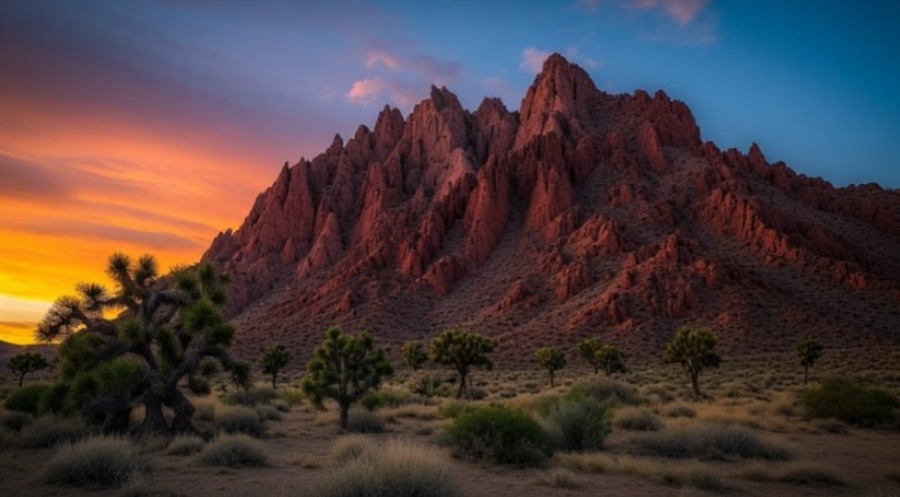
New Mexico, known for its unique desert landscapes, Native American culture, and historic sites, is one of the latest states to feel the impact of the tourism slowdown. International tourist arrivals in New Mexico have fallen sharply in 2025. The state saw a 12% decline in international visitors, with a 15% reduction in total tourism spending. The state’s hotels, local businesses, and cultural attractions have all been affected by the downturn.
2. Texas
Texas, which has long been a top destination for international travelers due to its diverse cities and rich cultural heritage, is experiencing a major tourism slump. According to state reports, international arrivals have dropped by 17%, with the state’s biggest cities—Dallas, Austin, and Houston—suffering the most. The drop in visitors has resulted in over $560 million in lost tourism revenue in the state. Businesses that depend on tourism, including hotels, restaurants, and shopping centers, have reported a significant decrease in income.
3. Maine
Maine, famous for its scenic coastline and outdoor recreation opportunities, has seen a sharp decline in international tourists. The state recorded a 28.69% drop in international arrivals through August 2025. Maine’s tourism sector is heavily dependent on visitors from Europe, especially the UK, and the increase in airfare and travel costs has deterred many potential tourists. The state’s picturesque towns, including Bar Harbor and Portland, are witnessing fewer bookings and cancellations.
4. New York
New York City, the crown jewel of the state, has been hit particularly hard by the tourism decline. Projections for 2025 indicate that the city will see a 17% drop in international visitors, which translates to a loss of over $4 billion in revenue. Hotels, Broadway theaters, restaurants, and retail outlets are among the hardest-hit sectors. The decline in tourists from Europe and Asia has had a ripple effect on the entire state’s economy, and New York is working hard to address the downturn through marketing campaigns and infrastructure investments.
5. Illinois
Illinois, home to Chicago—the third-largest city in the US—has also experienced a tourism slump. The state reported a decline in international tourism of 9.2% in 2025, with the bulk of the loss coming from Europe and Asia. Chicago’s iconic skyline and cultural offerings, including world-class museums and theaters, are seeing fewer visitors. As a result, the city’s tourism-related industries, including restaurants, transportation, and retail, have all felt the economic strain.
Tourism Decline in Key US States in 2025StatePercentage Decline in International ArrivalsImpact on Local Economy (Estimated Loss in Revenue)New Mexico12%$200 millionTexas17%$560 millionMaine28.69%$180 millionNew York17%$4 billionIllinois9.2%$320 millionBroader Implications of the Decline
The decline in international tourism is not just a problem for border states but for the entire US economy. According to the US Travel Association, tourism generates more than $1.6 trillion annually, employing millions of people in a variety of sectors, including hospitality, retail, transportation, and entertainment. The drop in visitor numbers has led to widespread job losses and a decrease in business revenues, particularly in areas that depend heavily on tourism.
Additionally, cities and states are struggling with declining tax revenue. Local governments often rely on the taxes generated from tourism-related activities, such as hotel stays, restaurant meals, and entertainment expenses. With fewer international visitors, local governments are facing increased budget shortfalls.
What States Are Doing to Revive Tourism
In response to the tourism decline, states are stepping up efforts to revitalize their tourism industries.
1. Marketing Campaigns
States like New York and California are investing heavily in marketing campaigns aimed at re-attracting international tourists. New York’s “Where the World Comes to Play” campaign, for example, has targeted European and Asian markets, promoting special travel packages, expedited visa processing, and discounts on attractions. Similarly, California is promoting its natural landscapes and cultural events to draw visitors back to the Golden State.
2. Infrastructure Improvements
In Texas and New York, significant investments are being made in infrastructure to improve the visitor experience. Upgrades to airports, transportation systems, and tourist attractions are intended to make visiting more convenient and comfortable for travelers. Texas is also focusing on enhancing its convention facilities and promoting itself as a hub for business tourism.
3. Special Events
New York City is looking to the 2026 FIFA World Cup as a major opportunity to boost tourism. The event is expected to generate over $3.3 billion for the local economy and bring an influx of international visitors. Texas, too, is capitalizing on the World Cup, as well as other high-profile events, to drive tourism.
4. Easing Visa Restrictions
Some states are advocating for relaxed visa policies, particularly for tourists from key markets like China, India, and Europe. These changes could help reverse the decline in international visitors by making it easier for tourists to travel to the US.
New Mexico joins Texas, Maine, New York, Illinois, and other border states in struggling with a 12% decline in U.S. tourism in 2025 due to a mix of political tensions, visa policy changes, and economic uncertainty. These factors have led to a significant drop in international visitors, affecting local economies that rely heavily on tourism.
The tourism industry in the US is facing significant challenges in 2025, with New Mexico joining Texas, Maine, New York, and Illinois in experiencing a sharp decline in international visitor numbers. Rising travel costs, visa delays, political tensions, and global economic factors are contributing to the downturn. However, states are taking proactive steps to revive tourism through targeted marketing campaigns, infrastructure improvements, and the promotion of special events. While the tourism industry is facing a tough year, there is hope that the US can bounce back in the coming years as it navigates these challenges. The resilience of the industry, coupled with high-profile events like the 2026 FIFA World Cup, may provide the boost needed to return to growth.
