
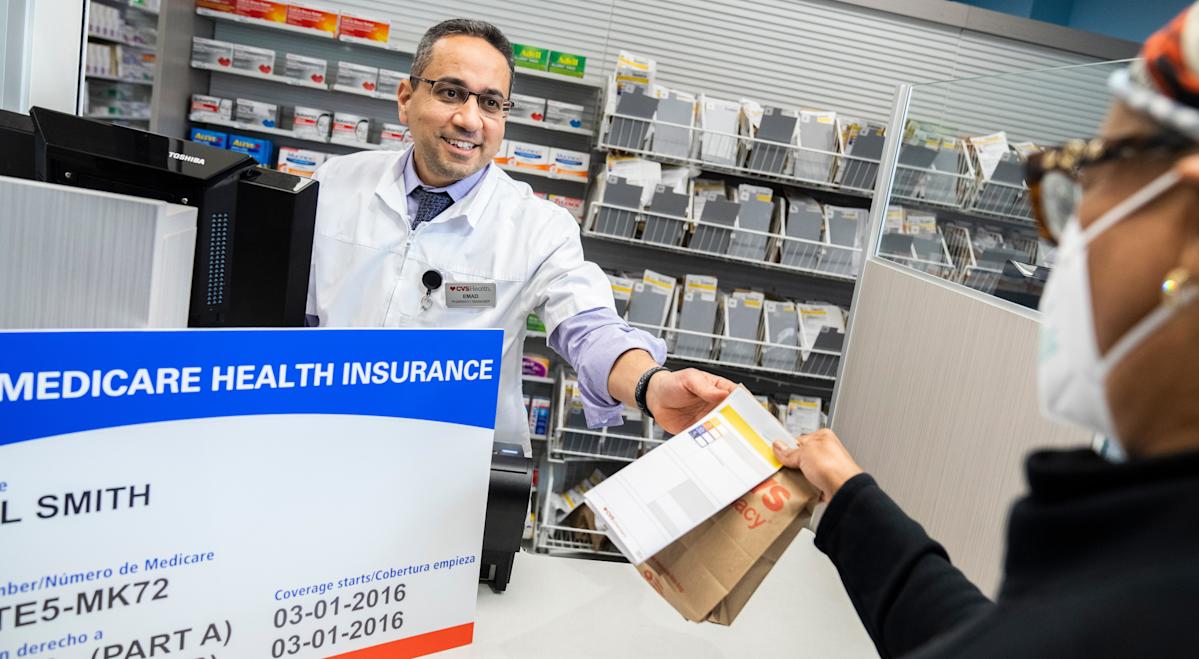
Millions of Medicare beneficiaries are set to save on 15 major medications.
In an announcement on November 25, 2025, the Centers for Medicare & Medicaid Services (CMS) revealed the new Maximum Fair Prices for 15 prescription drugs will reduce Medicare spending by 44% (about $12 billion) when they take effect on January 1, 2027 (1).
Two of the most publicized drugs on this list include Novo Nordisk’s blockbuster obesity drugs Wegovy and Ozempic. However, there’s a wide range of medications on this list for conditions such as cancer, asthma and chronic obstructive pulmonary disease (2).
The CMS estimates that in 2024, 5.3 million Medicare Part D recipients used these soon-to-be-discounted prescriptions. The organization also noted that the discounted drugs represented $42.5 billion (15%) in total gross covered prescription drug costs under Medicare Part D in 2024.
In response to this news, CMS Deputy Administrator and Medicare Director Chris Klomp said he’s “deeply proud of our team, who execute exceptionally well to bring affordability to the country in everything we do.”
For the millions of older Americans and disabled patients on Medicare who use any of the 15 discounted drugs, there’s no doubt these price changes will bring financial relief. But that doesn’t necessarily mean every American will equally benefit from these lower prices.
It’s impossible to say how much each Medicare Plan D patient will save on the 15 discounted drugs because everyone has different prescription needs. However, the average savings per patient is roughly $129 across the 5.3 million people who use these drugs (3).
While some argue Medicare’s negotiation process can genuinely make the system more equitable, others wonder if it’s shifting these price disparities and placing a strain on pharmacies (4).
For example, could the lost revenue from these negotiated drug prices lead to unintended price spikes for other medications? Alternatively, for Americans who are not on Medicare, there’s no guarantee that these negotiated prices will translate into lower costs unless private insurers also renegotiate or pass along discounts.
Story continues
Even among Medicare enrollees, not everyone will benefit equally. If a beneficiary doesn’t take any of the negotiated drugs, they may see no price relief at all. Some may even notice price increases if manufacturers raise other drug prices to improve revenue.
The Association for Accessible Medicines also pointed out that if manufacturers see brand drugs subject to government-imposed price caps, generic competitors may delay or abandon bringing cheaper versions to market (5).
It’s also worth noting that some previously negotiated drugs like Enbrel and Eliquis are still double the average cost compared with other industrialized nations (6).
On a positive note, the Inflation Reduction Act requires manufacturers to pay a rebate to CMS if the price of certain Medicare-covered drugs increases faster than inflation, helping reduce the risk of excessive increases (7).
Read More: Vanguard reveals what could be coming for U.S. stocks, and it’s raising alarm bells for retirees. Here’s why and how to protect yourself
The impact of this recently announced round of negotiated drug prices will all depend on whether you’re using any of these medications.
Keep an eye on your plan’s formulary and bring up any questions you may have about changes with your doctor. If you’re concerned about the prices for medications you need, you could ask your medical provider whether there are any alternatives that can reduce your cost burden.
In some cases, private insurance through employers may offer broader coverage, while individual marketplace plans may fill gaps depending on your medications and income. Consider shopping around during open enrollment and compare out-of-pocket costs across plans.
During this process, don’t forget about pharmacy discount programs (e.g., GoodRx) or patient assistance programs through manufacturers that can save you money.
It’s also worth keeping an eye on any updates to drug pricing policy over the next few years and how they may affect Medicare costs. For example, some public policy proposals and state-level experiments call for the creation of Prescription Drug Affordability Boards that review drug costs and have the authority to set or cap prices (8).
Although Medicare prescription drug reforms promise price relief for certain older Americans and disabled patients, not every American will benefit from this initiative. That’s why it’s important to understand the broader system in order to identify new disparities in drug pricing.
We rely only on vetted sources and credible third-party reporting. For details, see our editorial ethics and guidelines.
Centers for Medicare & Medicaid Services (1, 7); Newsweek (2); CBS News (3); Businesswire (4); Association for Accessible Medicines (5); USA Today (6); National Academy for State Health Policy (8)
This article provides information only and should not be construed as advice. It is provided without warranty of any kind.