
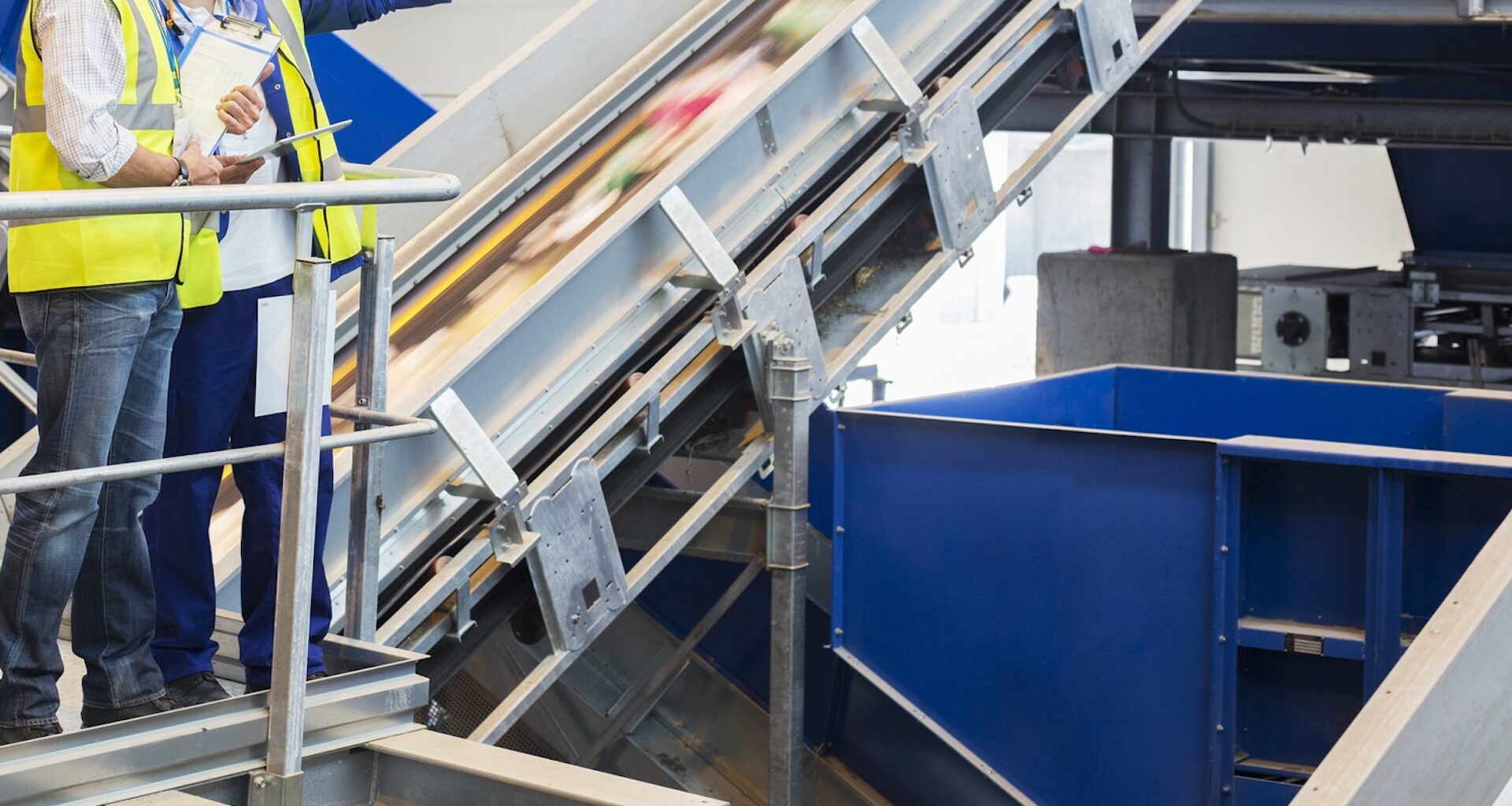
A newly opened recycling plant in Norway is using artificial intelligence to help sort packaging plastics, effectively removing one of the biggest hurdles for reusing one of the world’s largest waste streams.
Områ was developed by TOMRA and Plastretur to tackle the looming litter problem. It is widely reported that we make hundreds of millions of tons of the material each year for packaging and other products. But the United Nations added that only about 9% is recycled. As a result, roughly 57 million tons end up trashed in our lakes, roadsides, oceans, and elsewhere.
The garbage has even been found on Mount Everest.
TOMRA CEO Tove Andersen said in a news release that Områ is a “missing link” that can unlock a circular economy for all of Norway’s household plastic packaging waste.
“This is what circularity looks like in practice: technology, industry, and policy working together to turn waste into value,” Andersen said in Sustainability Magazine.
The process uses advanced sensors to sort plastics into 10 popular types. They are then turned into “uniform polymer fractions” that can be used for new products. The plant opened in November and is billed as expedient, capable of processing nearly 100,000 tons of plastic annually, per the release.
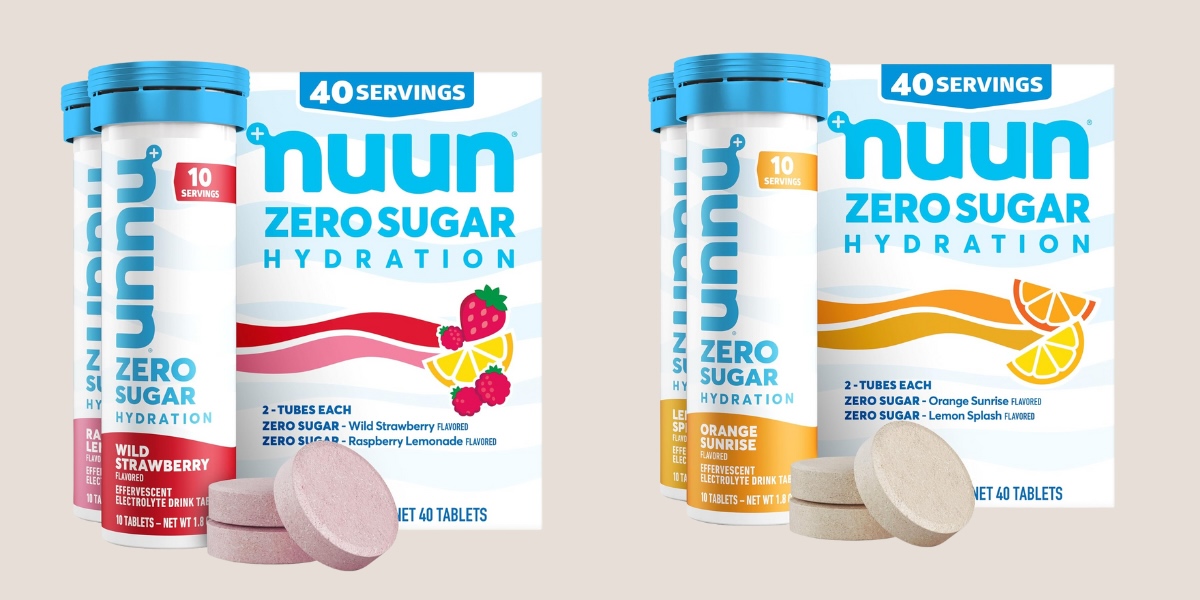
Nuun’s zero-sugar hydration tablets are a perfect, guilt-free way to enhance your water throughout the day. You’ll get five essential electrolytes for everyday hydration — with zero grams of sugar.
Plus, Nuun tablets are certified vegan and gluten-free, and they’re the perfect size to keep in your car, purse, or anywhere you’ll want a healthy, restorative drink.
The waste stream is particularly troubling, as it takes decades to centuries for the plastic degrade. As plastics break down, they become troublesome microplastics, which have been found inside human and animal bodies, according to the United Nations.
The health repercussions of blood-borne particles are still being studied. But evidence is growing that they are causing inflammation and harming organs, among other risks, according to Stanford Medicine experts.
Områ is designed as a solution for at least some of the trash. It’s also geared to help Norway meet the European Union’s goal of having 55% of plastics recycled by 2030.
“It provides the infrastructure needed to meet EU recycling targets and supports our shared ambition to build a truly circular plastics economy,” Plastretur CEO Karl Johan Ingvaldsen said in the release.
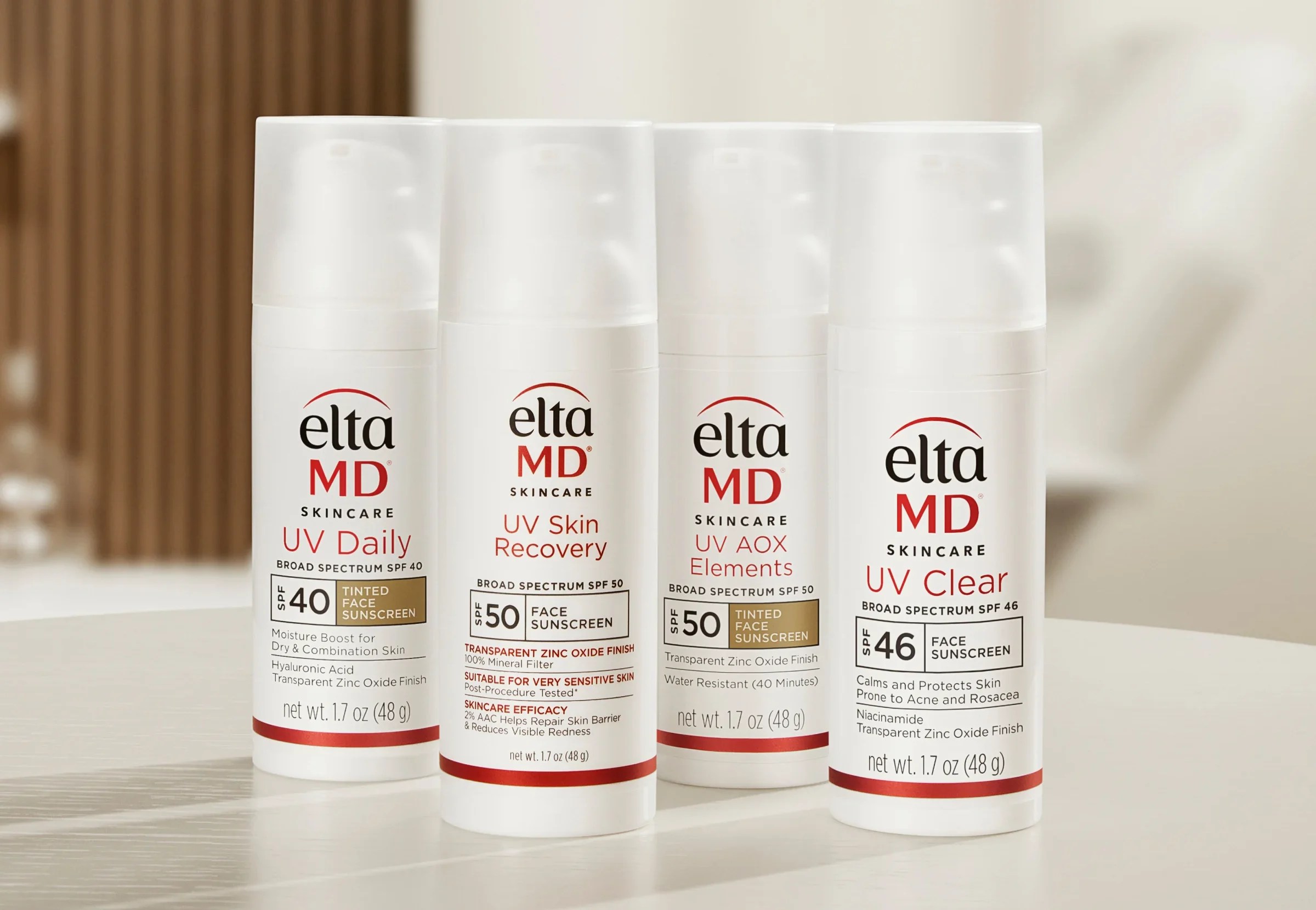
Dermatologists see and understand skin at a much deeper level than the rest of us, and they know that the perfect SPF both protects and corrects your skin. That’s why they trust, recommend, and personally use EltaMD more than any other brand.
EltaMD’s clinically tested formulas are designed with dermatologists to meet the needs of any skin type or condition. They’re also designed for consistent daily wear to build long-term resilience with a moisturizing, lightweight, non-comedogenic texture — plus hyaluronic acid to help reduce the appearance of fine lines and wrinkles.
The plant is among other unique innovations being developed elsewhere to take on the massive conundrum, including plastic-eating fungi and more AI-powered tech.
Stateside, recycling has been flagging, according to a Greenpeace study from earlier this decade. American plastic reuse dropped to around 6% in 2021, down from a high of nearly 10% in 2014, according to the report.
The Plastic Pollution Coalition takes issue with recycling altogether. Its report claimed that dirty fuels are needed for many efforts that create lower-value products, which aren’t part of a circular system. Coalition experts encouraged avoiding plastics instead.
It’s a move that can often save you money while providing a better experience. Investing in a $40 reusable water bottle can save you around $260 yearly, for example. Taking your own to-go containers to restaurants for leftovers is another great way to prevent a popular origin for the trash.
Recycle Check can help you find options in your community for the plastics you can’t avoid using. Områ’s process could be a blueprint for speedy processing at scale, changing the narrative for the pollution stream’s littered story.
“Områ gives municipalities and the entire value chain a clear signal: There is now a scalable, high-quality route for plastic packaging,” Ingvaldsen said in the release.
Get TCD’s free newsletters for easy tips to save more, waste less, and make smarter choices — and earn up to $5,000 toward clean upgrades in TCD’s exclusive Rewards Club.
