
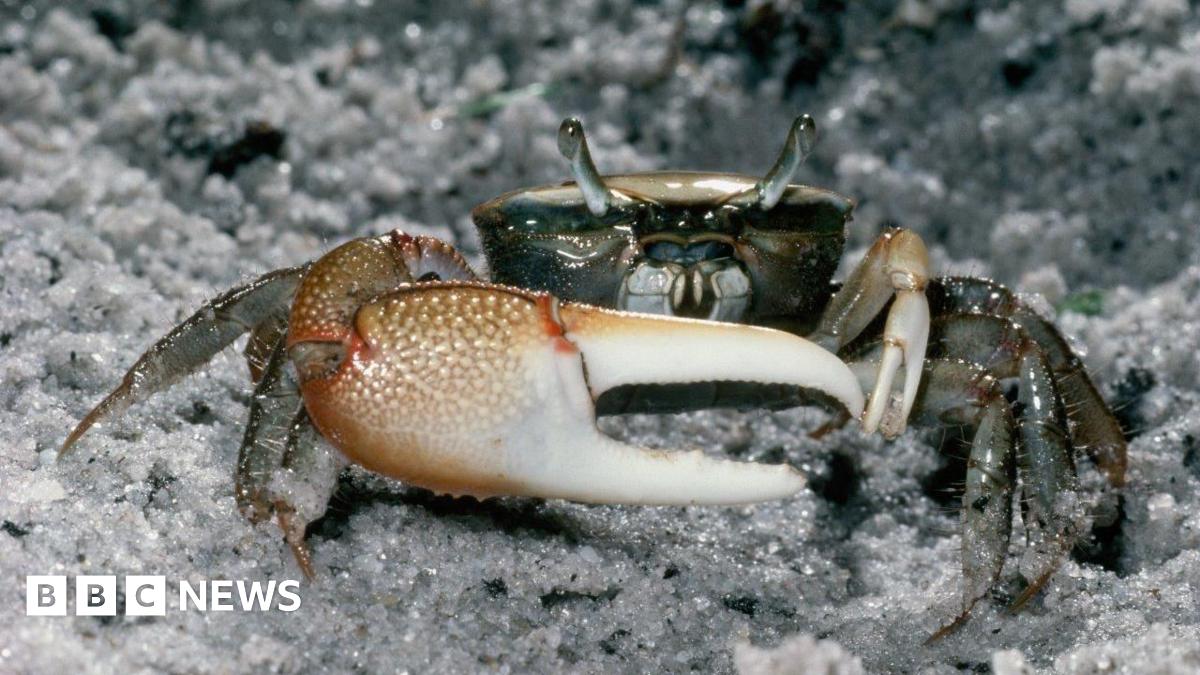
The university said the research was led by Professor José M. Riascos, with other institutions including Universidad de Antioquia in Turbo and Medellin, the University of Exeter, and the Corporation Center of Excellence in Marine Sciences (CEMarin) in Bogotá.
It said the Gulf of Urabá, where the study took place, had some of the highest levels of plastic contamination reported anywhere in the world.
“Despite this, fiddler crab populations are thriving in the area, raising the question of how these creatures tolerate such high levels of plastic waste,” it said.
It said researches sampled a total of 95 crabs.