
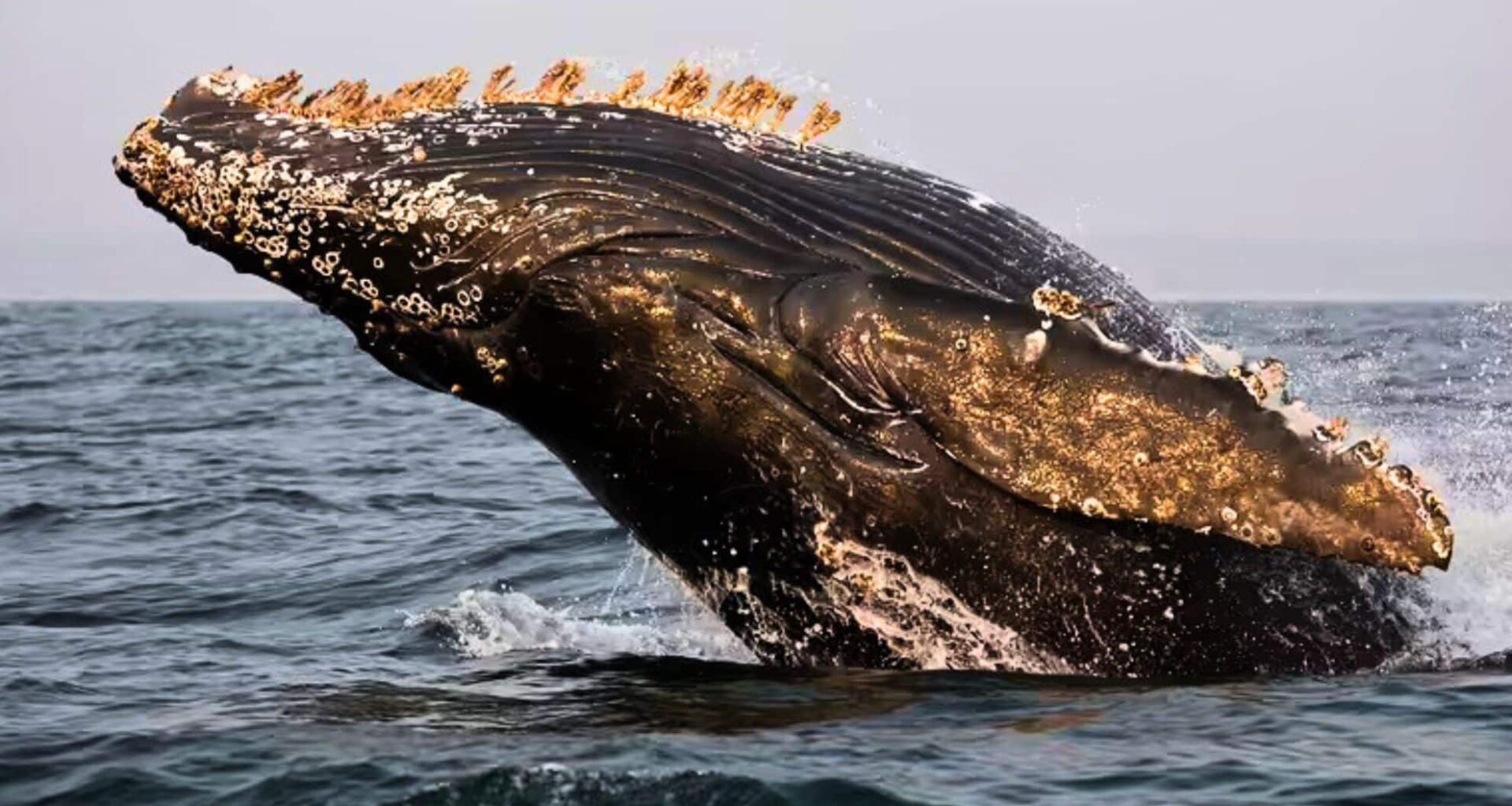
A highly contagious virus previously linked to mass whale strandings has been identified for the first time in Arctic cetaceans, using airborne breath samples collected by drones. The findings introduce a new method for monitoring marine mammal disease in remote, climate-sensitive ecosystems, and raise concerns about the spread of pathogens in rapidly warming ocean environments.
The virus, cetacean morbillivirus (CeMV), was detected in the exhaled breath, or “blow” of wild humpback, sperm, and fin whales. Scientists used drones fitted with sterile Petri dishes to capture droplets as the animals surfaced to breathe. These samples confirmed the presence of CeMV in waters north of the Arctic Circle, a region where its circulation had not previously been documented.
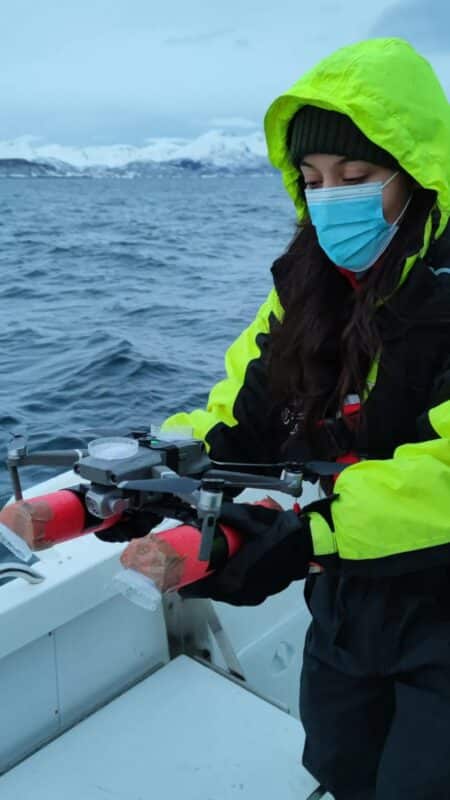 The researchers sampled humpback, sperm, and fin whales across the North-East Atlantic. Credit: Nord University
CeMV is known for causing acute respiratory, immune and neurological damage in whales, dolphins and porpoises. First identified in 1987 along the US Atlantic coast, it has since been linked to mass mortality events globally. The emergence of the virus in Arctic whale populations suggests a shift in its geographic distribution, potentially influenced by climate change and species migration.
The research, published in BMC Veterinary Research, was led by Nord University in Norway and involved collaboration with King’s College London, the Royal (Dick) School of Veterinary Studies, the University of Iceland and BIOS-CV in Cape Verde. It represents the first confirmed use of drone-based sampling to detect a marine mammal virus in this region.
Drone-Based Surveillance Confirms Virus in Whale Populations
The project spanned nine years, from 2016 to 2025, and involved drone sampling across the North-East Atlantic, including coastal regions of Norway, Iceland and Cape Verde. Researchers captured exhaled droplets from whales during surfacing events and analysed them for viral markers.
CeMV was confirmed in multiple individuals, including humpback whales in northern Norway, a sperm whale exhibiting signs of poor condition, and a pilot whale found stranded. In one case, additional tissue sampling was conducted to corroborate results. All findings were verified through laboratory diagnostics.
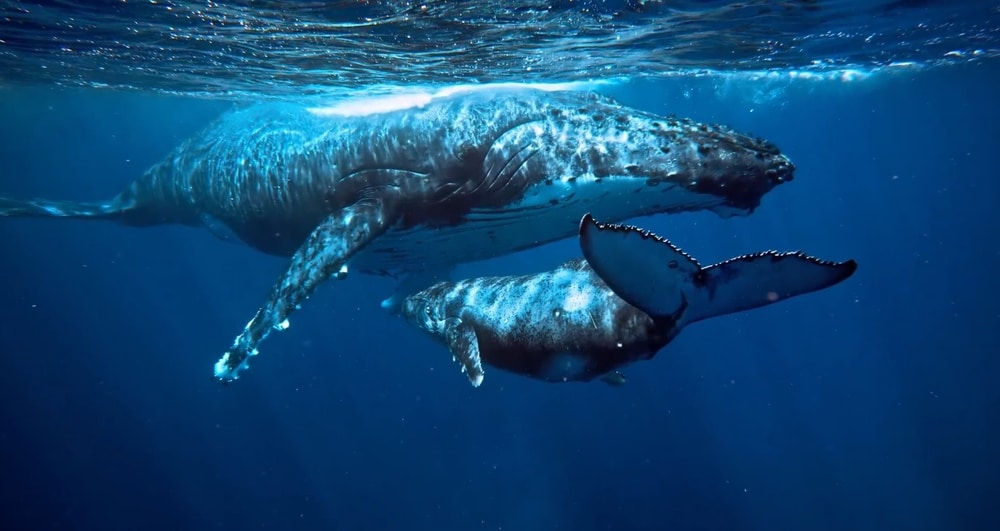 A humpback whale and its calf swim just below the surface in clear blue water. Credit: Shutterstock
Drone whale sampling offered a minimally invasive solution for studying disease in free-ranging marine mammals. Unlike traditional biopsy or capture methods, drones allowed researchers to collect samples without direct contact or disruption. This approach is particularly suited to environments where logistics, weather and conservation ethics limit the feasibility of conventional wildlife surveillance.
The study also screened for other pathogens. Herpesviruses were identified in humpbacks across Norway, Iceland, and Cape Verde. However, no traces of avian influenza virus or Brucella bacteria, both associated with previous cetacean die-offs, were found in the collected samples.
Marine Mammal Disease in a Changing Arctic
The presence of cetacean morbillivirus in Arctic waters adds to growing evidence that warming seas are reshaping the distribution of marine species and the diseases that affect them. As ocean temperatures rise, migratory and resident populations are overlapping in new ways, creating opportunities for viral transmission that were previously unlikely.
The researchers note that seasonal feeding aggregations, where whales, seabirds and humans converge in dense biological activity, may facilitate the spread of CeMV. These gatherings are increasingly common in the North Atlantic and Arctic regions, where shifting prey patterns draw large numbers of marine species into shared feeding zones.
 Drone shot of Georgian Bay Ice Pack Breaking Up and Melting in February when unseasonably warm. Credit: Shutterstock
The detection of CeMV in multiple locations across a wide geographic range suggests that the virus is now established in certain Arctic populations. The findings support earlier concerns raised by virologists and marine ecologists about the vulnerability of high-latitude ecosystems to emerging infectious diseases.
Peer-reviewed literature has documented similar patterns elsewhere. A 2018 study in Frontiers in Veterinary Science linked climate variability with increased exposure to morbilliviruses in marine mammals. The virus’s ability to jump between species and persist in migratory corridors heightens its risk profile, particularly in polar ecosystems undergoing rapid environmental change.
Long-Term Monitoring and Implications for Conservation
In addition to confirming viral presence, the research offers a framework for ongoing disease surveillance using low-cost, commercially available drones. Breath sampling requires less infrastructure than ship-based biopsy collection or necropsy and can be deployed in areas with minimal human footprint.
Project lead Helena Costa of Nord University stated in the published paper that future research will focus on continuing drone-based surveillance to better understand how multiple environmental stressors are influencing whale health over time.
The researchers recommend expanding monitoring efforts to additional migratory routes, particularly those connecting the Arctic with lower latitudes. Broader genomic analysis of CeMV strains may also be needed to determine whether the virus has evolved in response to new host species or environmental pressures.