
(Credits: Far Out / Alamy)
Wed 24 December 2025 21:00, UK
Six years before the Vietnam War ended, John Lennon and Yoko Ono were already planning their manifesto for peace.
It was 1969, and Richard Nixon had just entered the White House promising “Peace with Honour”, American troops were beginning to come home under a new policy called Vietnamization, shifting the burden of fighting onto South Vietnamese forces, which on paper sounded like de-escalation, but in practice, the language of peace and the machinery of war continued to operate side by side.
By May, that contradiction became impossible to ignore, especially when The New York Times exposed ‘Operation Menu’, a secret US bombing campaign in Cambodia, sending the Nixon administration into a spiral, and the leak triggered internal hunts that eventually contributed to the Watergate scandal.
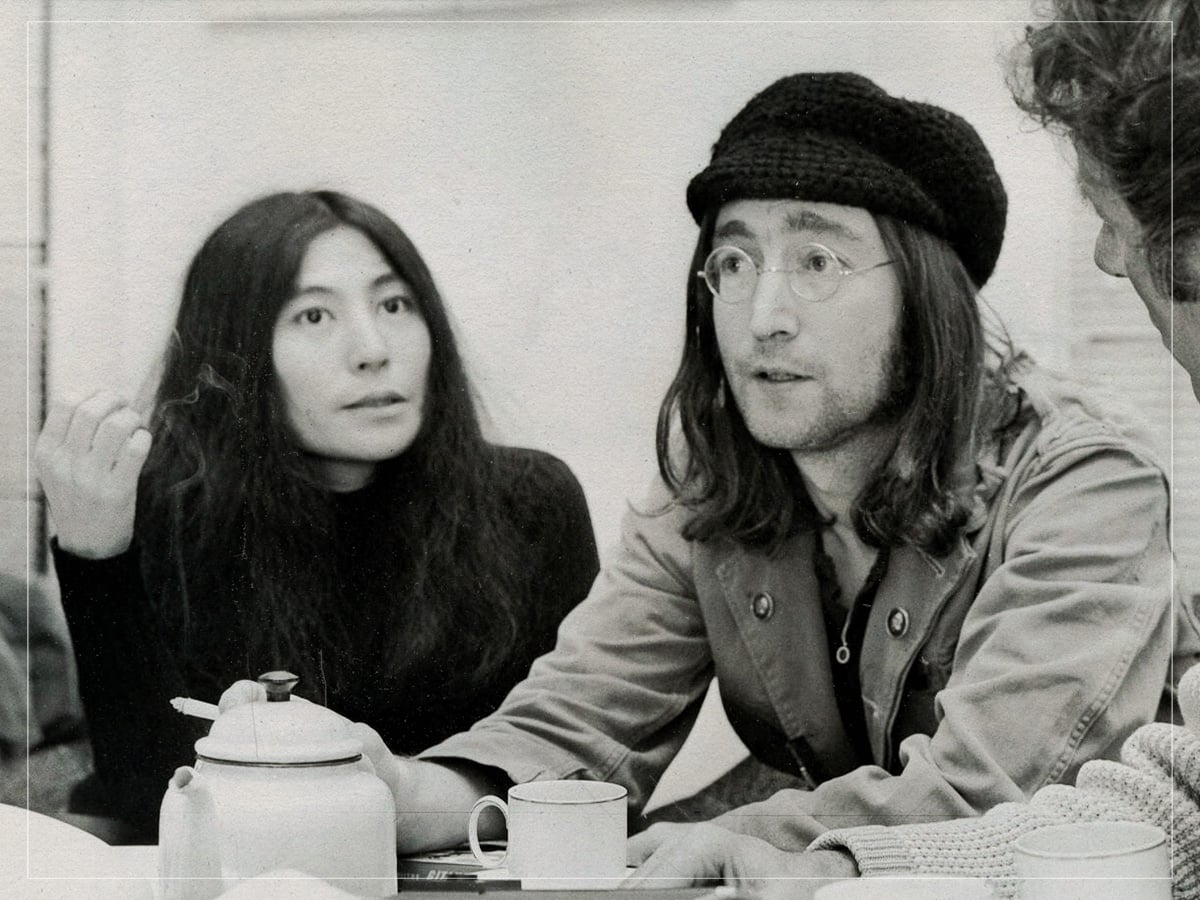
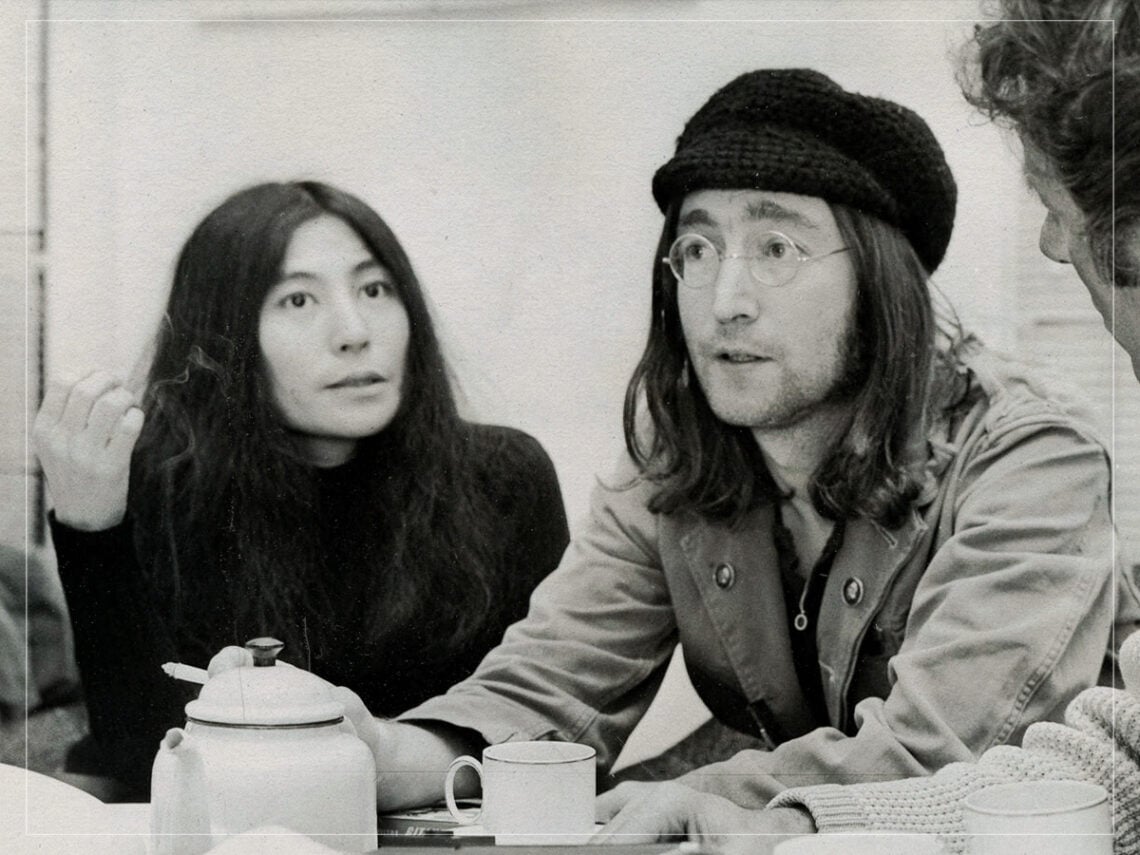
It is against this backdrop that John Lennon and Yoko Ono were planning a wedding, officially being united on March 20th, 1969, and shortly after, they released a series of lithographs called Bag One, some of which are banned for indecency, and with the world watching, they decided to use their spotlight for something just slightly bigger: world peace.
They spent their honeymoon in the presidential suite at the Amsterdam Hilton hotel, inviting the world’s press into their room every day between 9am and 9pm to witness their ‘bed-in’ for peace, which saw journalists Rick Wilson (who recounted his experience in 2017 to The Guardian) feel less than compelled to grow out his hair after visiting the pair, noting, “I didn’t understand then, and still don’t, what that now-legendary ‘bed-in’ was all about,” he said.
Adding, “It was to do with spreading a message of peace, but there were also undertones of helping the world’s less fortunate, which didn’t gel with John and Yoko’s arrival in a white Rolls-Royce and their week-long stay in that citadel of American capitalism.”
 Yoko Ono and John Lennon. (Credits: Far Out / Alamy)
On December 15th, John and Yoko turned to guerrilla marketing to spread their hope for peace, which resulted in billboards appearing in London, New York, Paris, Los Angeles, Rome, Toronto, Athens, Hong Kong, Amsterdam, Berlin and Tokyo, bearing the words: “War Is Over. If You Want It. Love, John & Yoko”.
Lennon was clear about their intention, saying, “What we’re trying to promote is an awareness in people of how much power they have, and not to rely on the government, or leaders, or teachers so much that they’re all passive or automatons. They have to have new hope.”
Then, on New Year’s Eve 1970, Lennon and Ono took the idea one step further, declaring traditional timelines obsolete and announcing the coming year as ‘Year 1 AP – After Peace’, issuing a new statement, which read, “We believe that the last decade was the end of the old machine crumbling to pieces. And we think we can get it together, with your help. We have great hopes for the new year”.
Their hopes for the new year quickly transformed into a sonic manifesto, and ‘Instant Karma! (We All Shine On’ was written and recorded in a single day, inspired by a late-night conversation between Lennon, Ono, her former husband Tony Cox and his wife Melinde Kendall. The quartet chewed the fat over fate and responsibility, landing on the idea that consequences must be faced in this lifetime, not the next, which led Lennon springing to the piano and turning the conversation into a song that told listeners, in no uncertain but rather playful terms, that they were responsible for their actions, and, by extension, the state of the world.
“The idea of instant karma was like the idea of instant coffee: presenting something in a new form. I just liked it,” said Lennon.
‘Instant Karma! (We All Shine On)’ was ‘Year 1 AP’ in sound, a reminder that those in power would face the consequences of their actions, and a blueprint for a world that could embrace peace, if people were willing to choose it.
The track also marked Lennon’s emergence as a solo artist months before The Beatles’ official split, so while it served as a manifesto for peace, it was also the start of an unbridgeable rift in the group that would lead to one of the most (in)famous breakups of one of the most famous bands in the world.
Related Topics