
(Credits: Far Out / Public Domain)
Thu 25 December 2025 18:30, UK
Destruction is an underrated art form, but one which has often found a home within the wild realm of rock and roll, thanks in no small part to the efforts of Pete Townshend and The Who, who boiled down the essence of their youthful rebellion into a ritualistic end-of-set descent into violent destruction.
Back in 1965, when The Who unleashed their first few singles onto an unsuspecting public, they perfectly captured the spirit that the swinging sixties would soon become synonymous with. Rather than adopting the same clean-cut mass appeal as many of their contemporaries across London, Townshend and the gang chose to lean into the anger of the nation’s disenfranchised post-war youth, drawing upon their origins within the mod subculture and offering audiences an unparalleled level of rock and roll fury.
Not only did The Who reflect that fury within their short, sharp, anthemic songwriting, but also in their legendary live performances. As the band progressed over the years, their live craft developed tenfold, and they seemed to add another amplifier to their setup with every passing gig, but even before they landed upon the ear-piercing, groundbreaking proto-metal sounds of Live At Leeds, there was always an element of spectacle about their concerts.
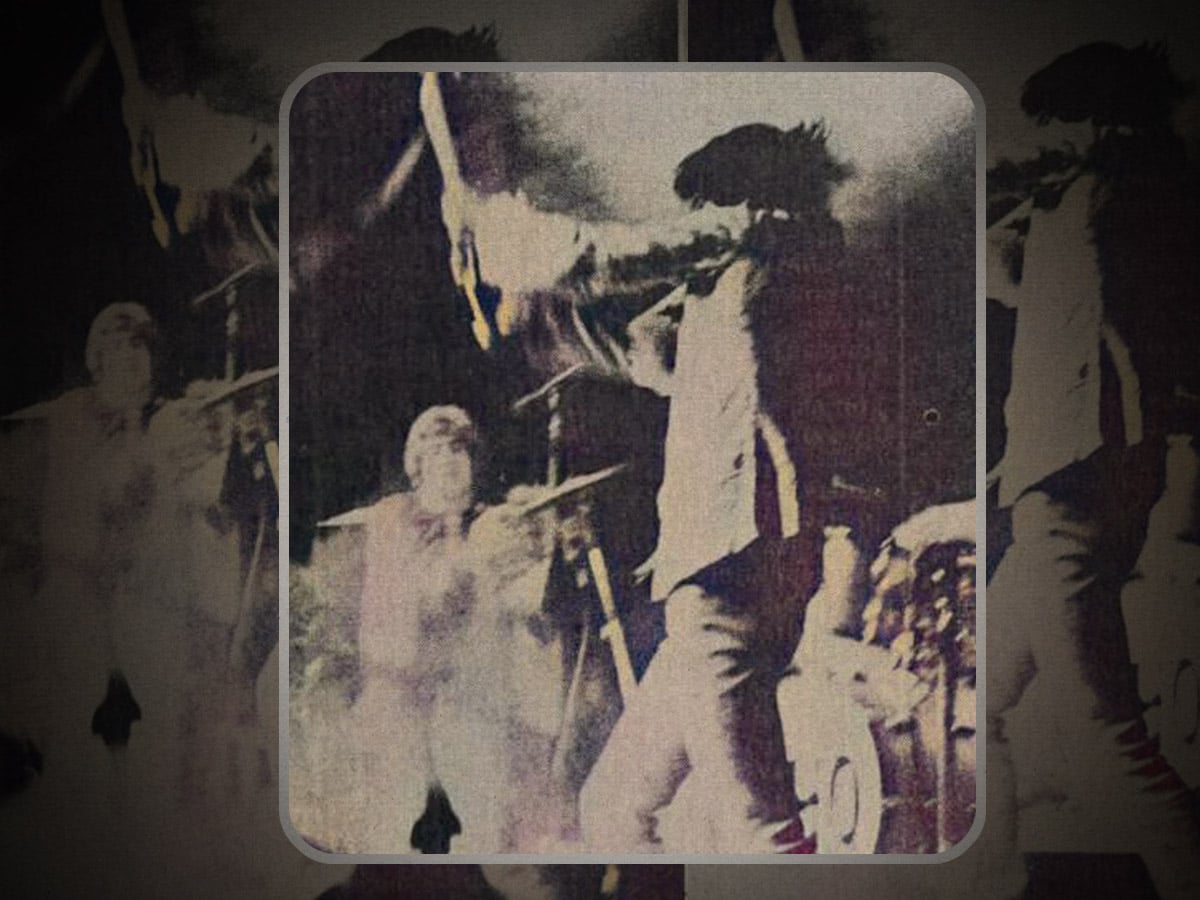
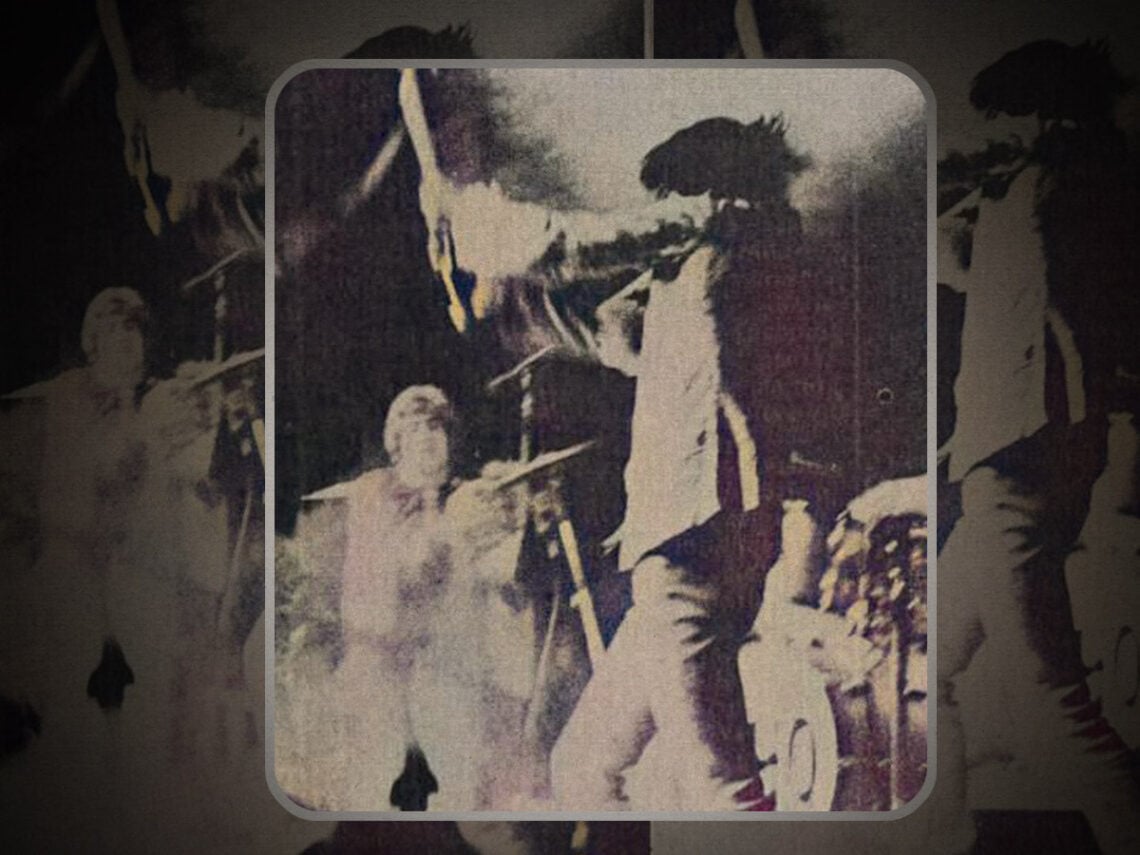
Namely, at the end of virtually every gig, the band would descend into a frenzy of all-out destruction, with Townshend smashing his guitar into pieces, slashing the amplifiers, while Keith Moon detonated the various explosives he had stashed in his kick drum, while the older generation looked on in sheer horror.
Whether this beautiful destruction was an effort to espouse the anarchic aggression of youth, or it was merely an effort to prevent the possibility of an encore, The Who’s smashing of their instruments soon became an iconic aspect of the rock and roll landscape.
Seemingly, though, the practice first emerged entirely by accident, rather than being a conceited effort by Townshend to capture the anger of his generation. Speaking to biographer Richard Barnes for the book Maximum R&B, the guitarist harked back to one 1964 gig at the Railway Hotel in London, where the destruction first began.
“I started to knock the guitar about a lot, hitting it on the amps to get banging noises and things like that, and it started to crack,” the songwriter recalled. “It banged against the ceiling and smashed a hole in the plaster, and the guitar head actually poked through the ceiling. When I brought it out, the top of the neck was left behind. I couldn’t believe what had happened.” Nor, one would imagine, could the venue owners, who now had to patch up a hole in their ceiling.
That accident quickly descended into all-out rage, though, with Townshend continuing, “There were a couple of people from art school I knew at the front of the stage, and they were laughing their heads off.”
He added, “One of them was literally rolling about on the floor, laughing, and his girlfriend was kind of looking at me, smirking. So I just got really angry and got what was left of the guitar and smashed it to smithereens.”
Thus, a Who tradition was born, and the band’s smashing up of their instruments became a regular feature of their performances from then on. Although now, over half a century on, Townshend has understandably left that tradition in the past, it remains one of the most groundbreaking and iconic acts of rock and roll aggression in the history of the genre.
Related Topics