
(Credits: Far Out / Alamy)
Thu 25 December 2025 16:37, UK
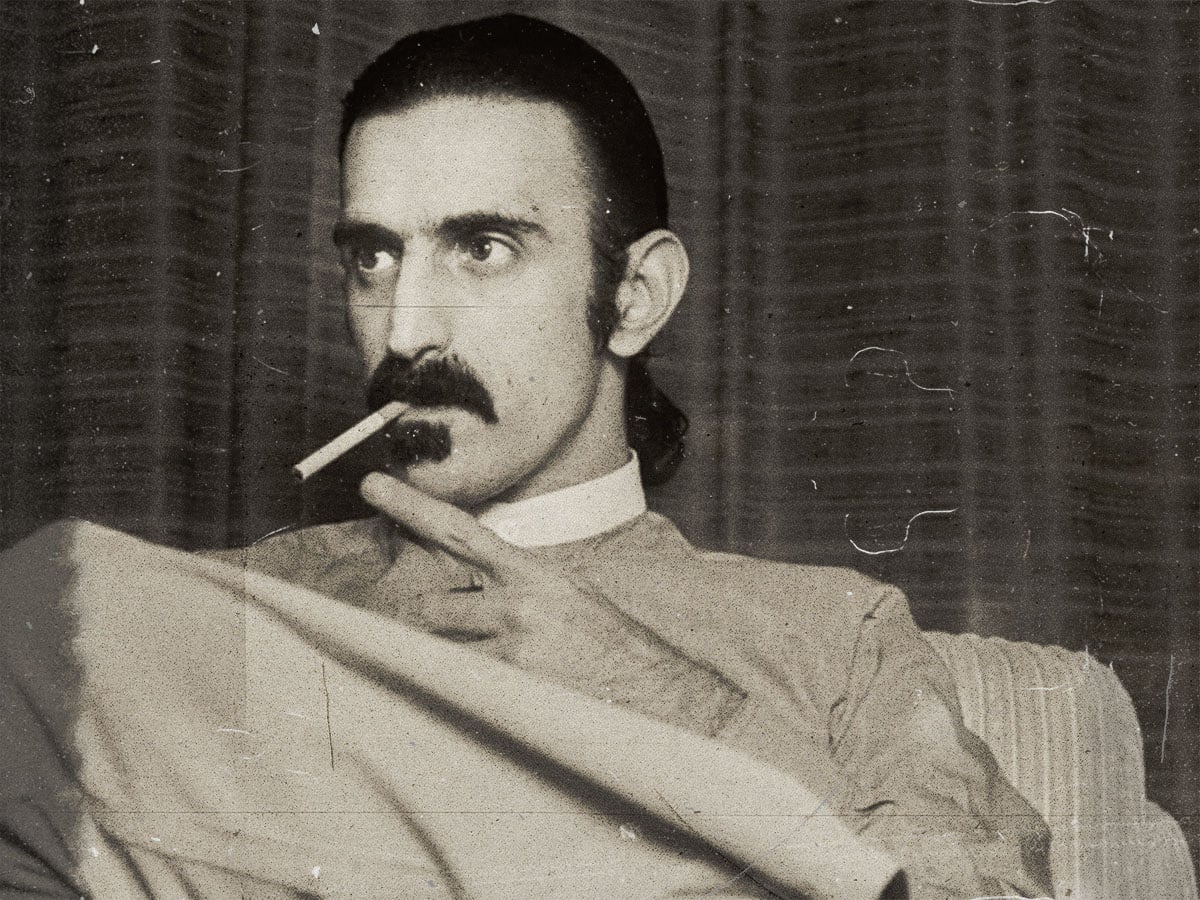
Frank Zappa was never the type to seek stars for their own sake.
Forging a fiercely independent presence amid the 1960s’ countercultural explosion, The Mothers of Invention captain doggedly swerved across the era’s chemical indulgences and business naivety to stand as a potently creative yet serious-minded career artist by the decade’s end. Always a freak but never a hippy, much of what fuelled Zappa’s comix libertarianism was non-conformity and social critique he felt couldn’t be found anywhere near the LSD-fried casualties strewn across Woodstock Festival.
Unorthodoxy and a dedicated work ethic were the way to Zappa’s otherwise aloof and impregnable affections. Launching his Straight Records in 1969 with Warner Bros, Zappa peppered the label with a gaggle of fringe musical maestros he felt were charting their own creative course, from old high school pal Captain Beefheart and folk crooner Tim Buckley to obscurer gems like The GTO’s girl group and street corner soul collective The Persuasions.
One such hopeful signee introduced themselves in dramatic fashion. Hearing a band play in the basement of his Laurel County log cabin house as early as seven in the morning, a bleary-eyed Zappa shuffled downstairs to a cohort of spiky psychedelic rockers playing their far-out racket with the amps cranked up. The band’s name was Alice Cooper.
It turned out that Zappa was expecting the auditioning band at seven in the evening rather than the crack of dawn. Spotted after a show in Los Angeles’ Cheetah Club, the venue’s swift emptying once Alice Cooper took to the stage didn’t deter talent manager Shep Gordon from offering to pull some strings for the up-and-coming acid garagers. Despite arriving 12 hours early, Zappa was impressed by their punctual dedication, attending several subsequent shows, and signed the gang up to a three-album deal initially with his other label, Bizarre, before being brought over to Straight.
“People had a very violent response to it,” Zappa reminisced in 1976 on The Mike Douglas Show. “If you look at the people who are responding that way, and then you look at the response, and you listen to what’s going on, you can make an assumption that something is going on. I figured, ‘Well, here we go, got another live one!’”
He wasn’t wrong. Once psychedelia had ebbed, a soaking up of glam’s theatre, coupled with a flair for horror vaudeville, would pull Alice Cooper away from flower power dregs toward the shock rock shtick that would finally push the band to fame. Before long, the Alice Cooper band moved to Michigan and immersed themselves in the Midwest’s proto-punk grit, dropped their final album for Straight, 1971’s Love It to Death, and began gruesomely executing themselves on stage most nights. Rock royalty was born, standing as a glam metal veteran for the next half-century.
Reportedly, Zappa had offered some encouragement in Alice Cooper’s chase for notoriety. In a disastrous stage routine gone wrong, a live chicken was let loose to a Toronto concert audience in September 1969, resulting in the poor bird being torn to pieces in the front row. Lurid tabloid sensationalism had blown the story up, alleging the frontman had bitten the chicken’s head off and drank its blood there and then. Phoning each other the next day, the Alice Cooper singer made clear no such savagery had actually taken place.
“Well,” Zappa responded. “Whatever you do, don’t tell anyone you didn’t do it.”
Related Topics