
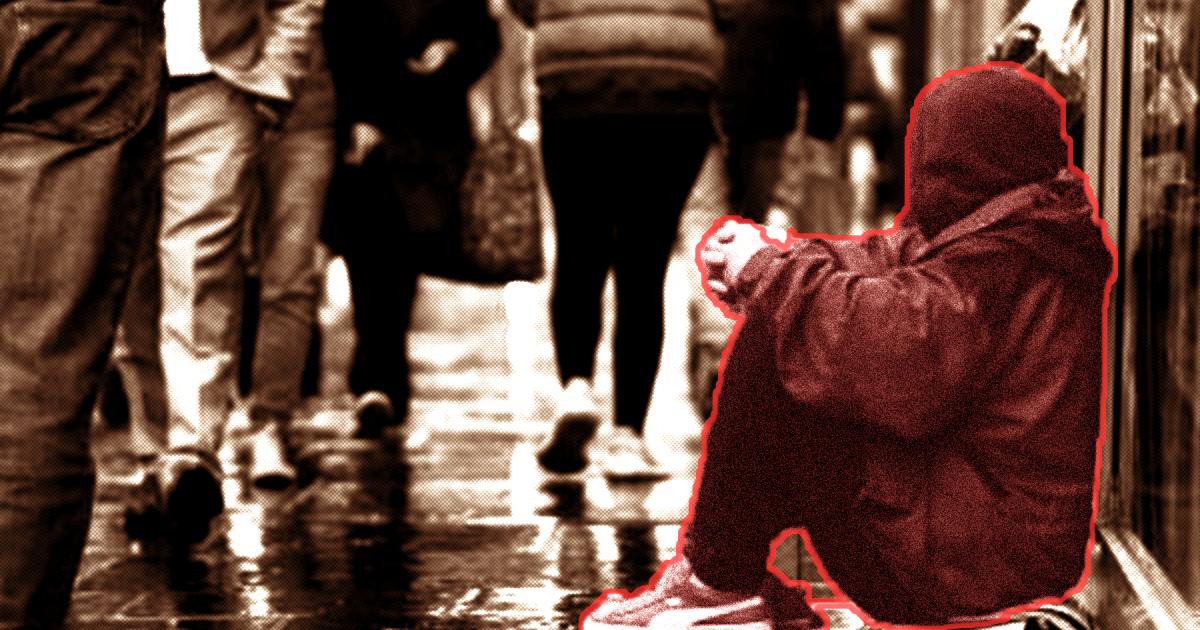
The key issue with hospital admission or even rehabilitation places for those with no fixed abode is that people can often lose whatever accommodation arrangements are in place, if any, and have to re-present as homeless. The single man on leaving hospital returned to the Lifehouse to seek help in finding a place to sleep and spoke to duty staff at the weekend.
Places at a Glasgow Salvation Army Lifehouse are specially commissioned temporary places. And they normally accept referrals from local authorities during the week.
Although it was outside of the standard intake process, the service adapted to ensure that the man had a safe place to stay. The church charity says that this “proactive approach” not only prevented rough sleeping but also significantly reduced the risk of further overdose or harm.
He was one of hundreds who were discharged from Scottish hospitals in the last year to no fixed abode.
Lee said: “I knew because it was the weekend it was going to be hard to get somewhere to stay, I was really worried about having to sleeping rough and maybe overdosing again.
“When you have addiction issues anyway you just want to zone-out when you’re facing skippering (rough sleeping) in all weathers.
“I went to The Salvation Army because I knew them, I think they contacted the council and sorted out a place even although it wasn’t the right way to do things, just turning up.
The Salvation Army in Scotland have called for swift action over the numbers who are discharged from hospital with nowhere to live (Image: Salvation Army)
“You’re supposed to have all kinds of paperwork. I don’t know how they did it but they just helped. I got a place and loads of support to just level out after coming out of the hospital.
“That stopped me rough sleeping and maybe all kinds of other stuff happening.”
Helen Murdoch, The Salvation Army’s homelessness lead for Scotland said: “It wasn’t the usual intake process, but the team pulled out all the stops to get the client back into the Lifehouse over the weekend.
“They were safe and supported, which is always our priority. The reality is not everyone will reach out, and we can’t promise we’ll have space every time.”
Helen Murdoch, the Salvation Army’s homelessness lead for Scotland said: (Image: Salvation Army)
Ask and Act, Scotland’s homelessness prevention duty, requires public bodies to identify risk and take action. Although it became a commitment at the end of 2023, the policy is still not fully operational, leaving critics worried that vulnerable patients are being missed.
“This is why the new ‘ask and act’ duty matters,” added Ms Murdoch. “It makes sure there’s a clear process when someone leaves hospital, giving them the opportunity to have somewhere safe and secure to live, a space where they can be supported and have the chance to thrive.”
NHS Greater Glasgow and Clyde said they were unable to comment on the case.