


Highlights from a big year of reporting on all things tech.

Escape Collective
It’s been a big year for tech within the cycling industry. Wheels got bigger. Road bikes got lighter. Electronic drivetrains reigned supreme, while mechanical held on. Suspension competed with wide tires on gravel bikes. The UCI tried to kill aero. And the tradeshows that showcase it all continue to ebb and flow.
In an industry that never sleeps, year-end retrospectives are, to some extent, futile because the beat of innovation continues to march on. But looking backwards can also help us understand emerging trends and inform expectations for the upcoming season.
Instead of a traditional listicle outlining Escape’s highest-trafficked or most-engaged articles covering the spectrum of cycling tech from bike reviews to components and regulations, we’ve decided to take a contextual look back at trends and threads through our reporting in 2025.
32″ wheels are here to stay
We watched in real time as 32″ wheels for mountain and gravel bikes went from bespoke oddity to production reality. While the wheel size has existed in the unicycle market for some time and was used by a few custom framebuilders to fabricate bikes for taller riders, we got the first glimpses of production bikes using the larger wheel size.
Ready or not, 32” wheels for mountain bikes are coming
Brands have played with the larger wheel size for years, but the first dedicated XC tire from Maxxis opens up new horizons.
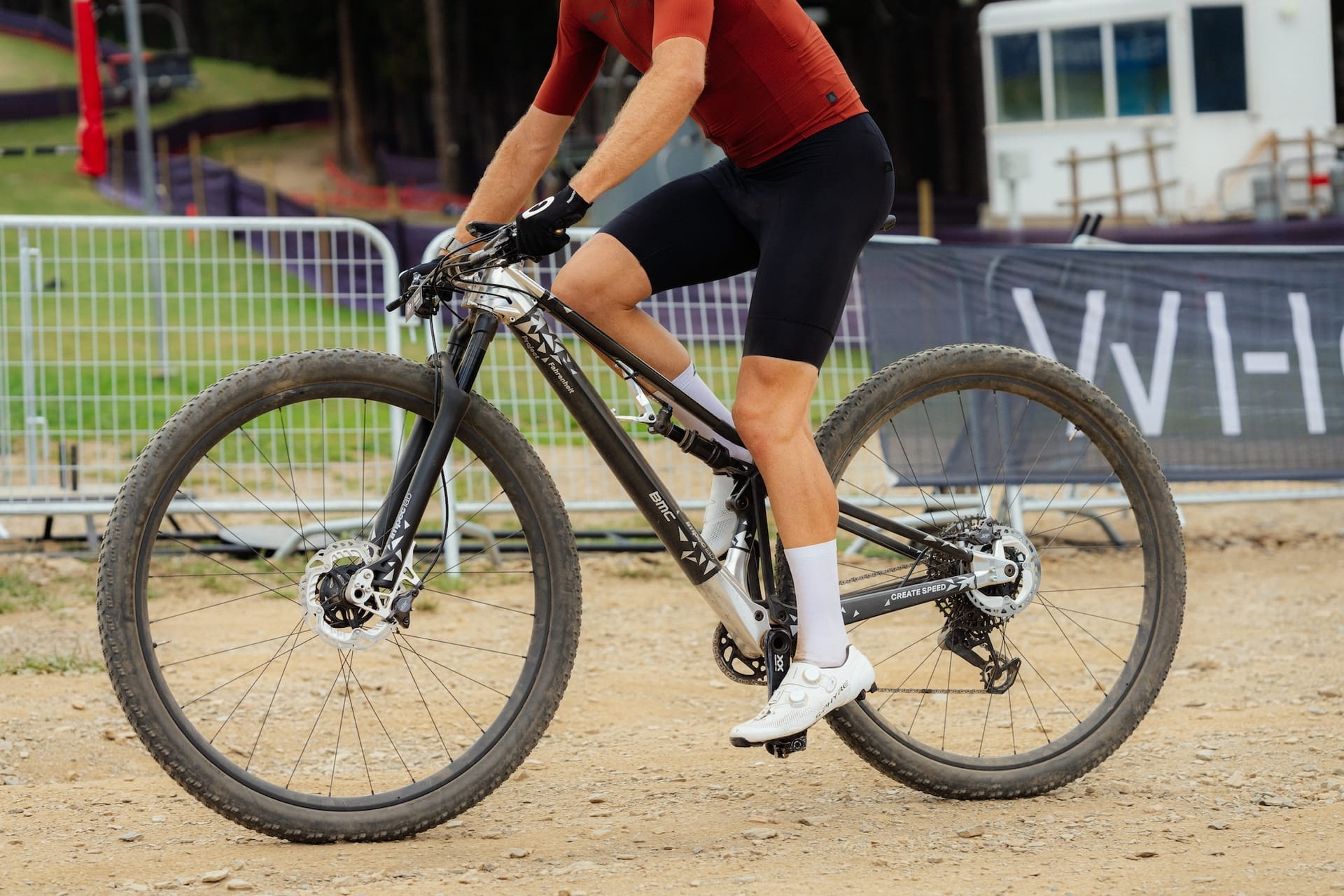 BMC tested a 32″ prototype during practice sessions at a World Cup.
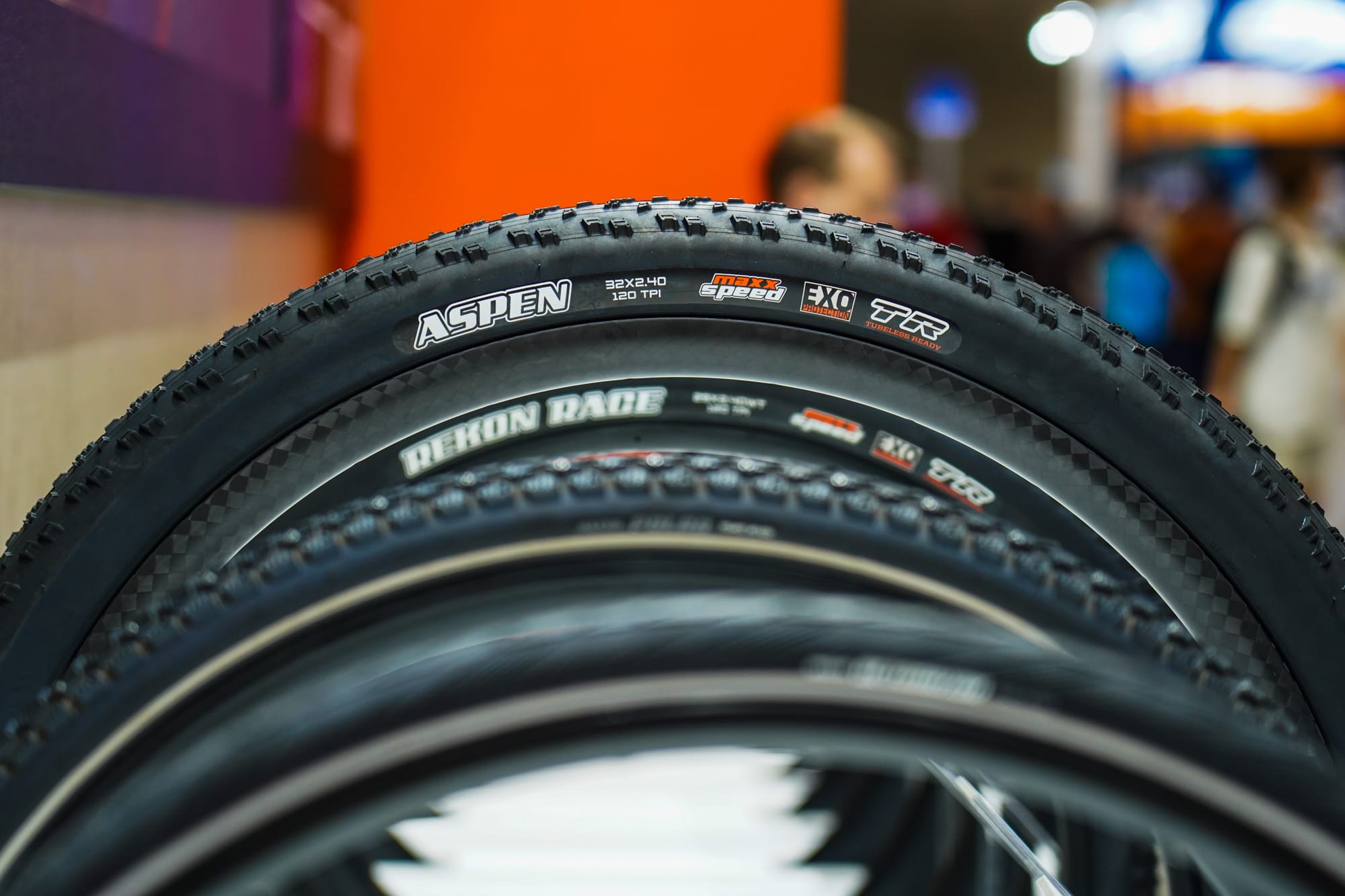
Beginning with reports of Maxxis’ introduction of a 32 x 2.4″ Aspen MTB tire at the Taipei Cycle Show, our tech team engaged brands considering the pros and cons of adopting yet another wheel diameter standard, in addition to the UCI’s consideration of allowing the new wheel size in XCO racing after initially considering a ban.
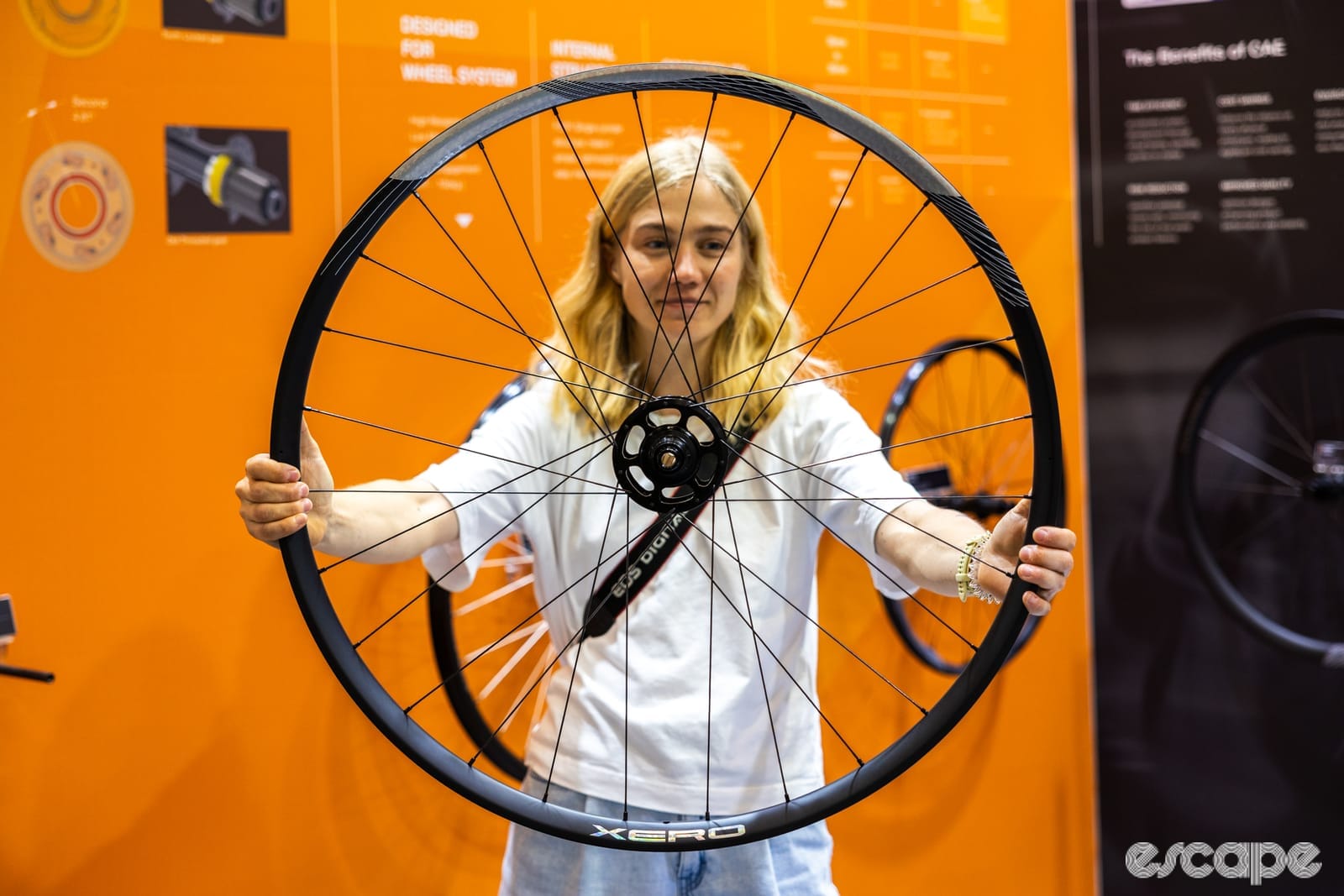 Suvi Loponen drives the bus.
One BMC production prototype was spotted in the wild, and framebuilder extraordinaire/Escape contributor Rob English considered the required parameters of building one of his own. At the same time, both Made and Bespoked showcases demonstrated how designers are balancing potential benefits, such as reduced rolling resistance and improved rollover, with drawbacks, such as increased weight and geometry constraints for smaller riders.
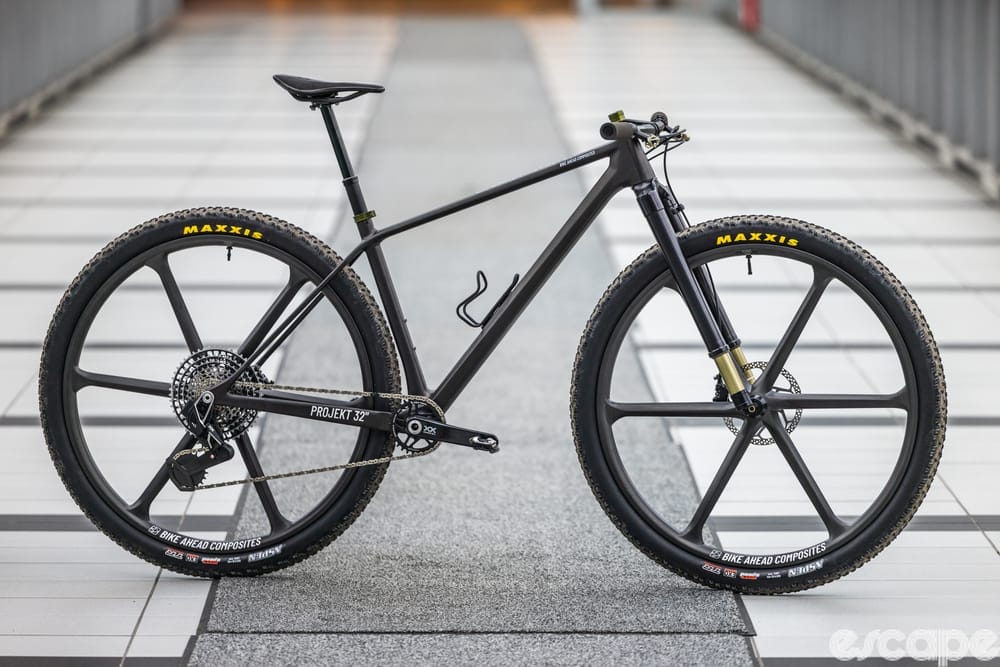
We’ll likely see 32″ full-suspension bikes raced at the elite levels of mountain biking this year, and perhaps even in the gravel sector. There were hints that a few brands would have team bikes in 2025, with frames, wheels, and tires complete, but the bottleneck seems to be suspension forks. Once that hurdle is overcome, will the proverbial floodgates open to multiple 32″ bike models at once? We should have a good idea by or before the 2026 Mountain Bike World Cup kicks off May 1-3 with the Race of South Korea in Yongpyeong.
Electronic drivetrains reign, but mechanical hangs on
The big three (SRAM, Shimano, and Campagnolo) all had major drivetrain launches. Which, if you’ve been keeping tabs on Shimano and Campagnolo lately, is big news, as SRAM had outpaced both in terms of new products and innovation for years.
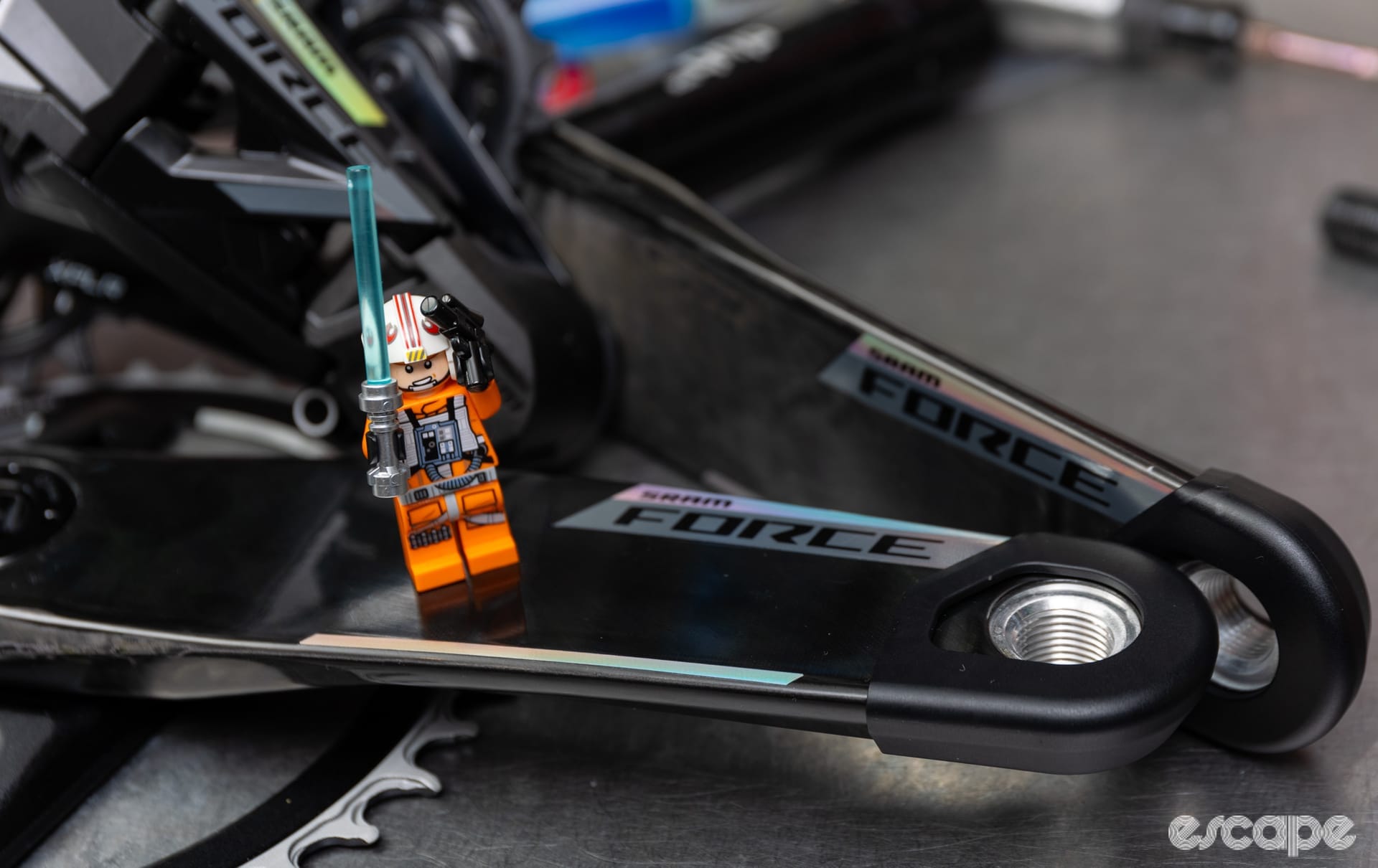
SRAM made a few major splashes with new releases, particularly in groupsets that trickled down tech from its flagship drivetrains at lower price points. The Force and Rival XPLR 1×13-speed groupsets incorporated much of the ergonomics and tech of the brand’s high-tier RED XPLR, including direct mount-only derailleur compatibility, at lower costs. The same broad trickle-down occurred in SRAM’s 2×12 range, including Force and Rival lines, yet those forgo a UDH interface.
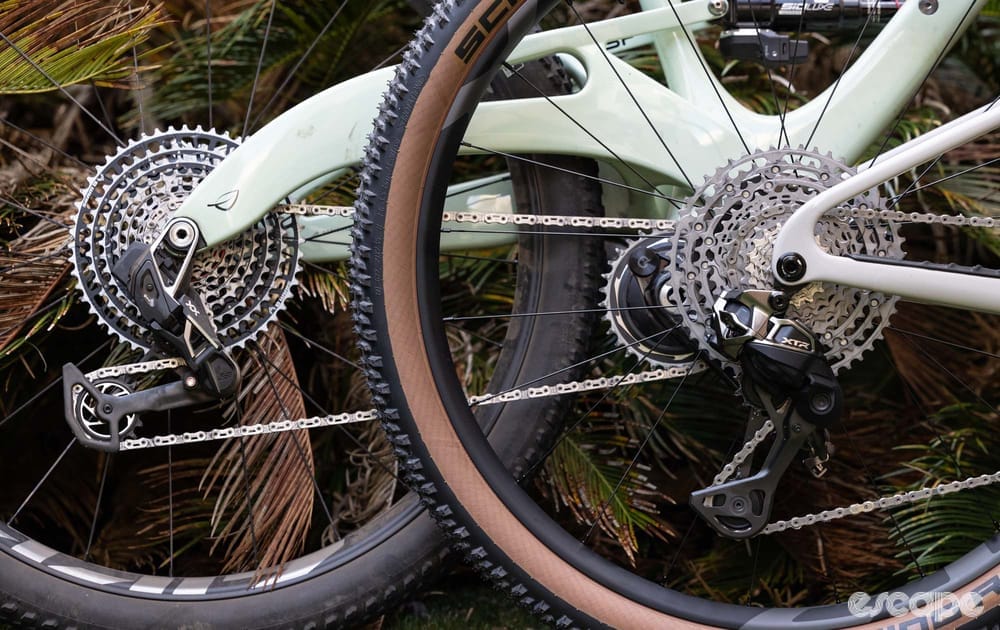
Shimano took a big step forward in making a chunk of its electronic Di2 product range completely wireless, with a focus on mountain and gravel drivetrains. XTR Di2 led the way with XT and Deore following just two weeks later, and GRX for gravel bikes soon after.
Shimano’s wireless avalanche: XT and Deore Di2 follow XTR
You wait seven years for an update to XTR, and then wireless XT and Deore arrive two weeks later. The trio of releases rounds out the brand’s cable-free catch-up across a range of price points.
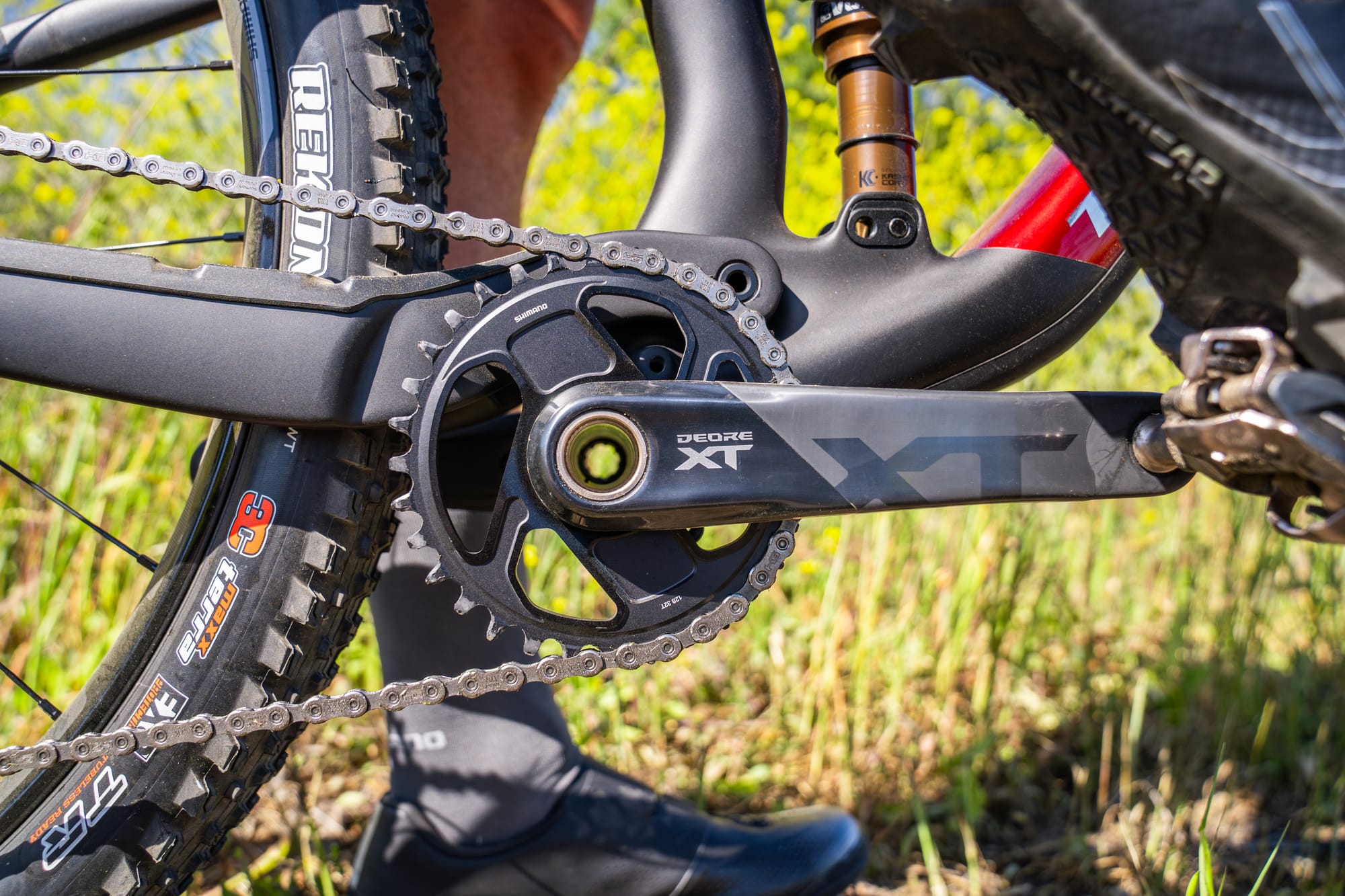
Aside from material and weight differences between the tiers, the products retained 12-speed cassettes and the same chains as the pre-existing mechanical versions, and used traditional derailleur mounting rather than SRAM’s direct-mount system. Additionally, a new wireless shifting protocol is shared amongst all Shimano 12-speed products, so mixing and matching is no problem (and essentially what GRX amounts to). Despite internal challenges that have come to light in recent weeks, Campagnolo also had a big year with the release of two electronic groups: upper-tier 2×13 Super Record and the off-road-focused 1×13 Super Record X.
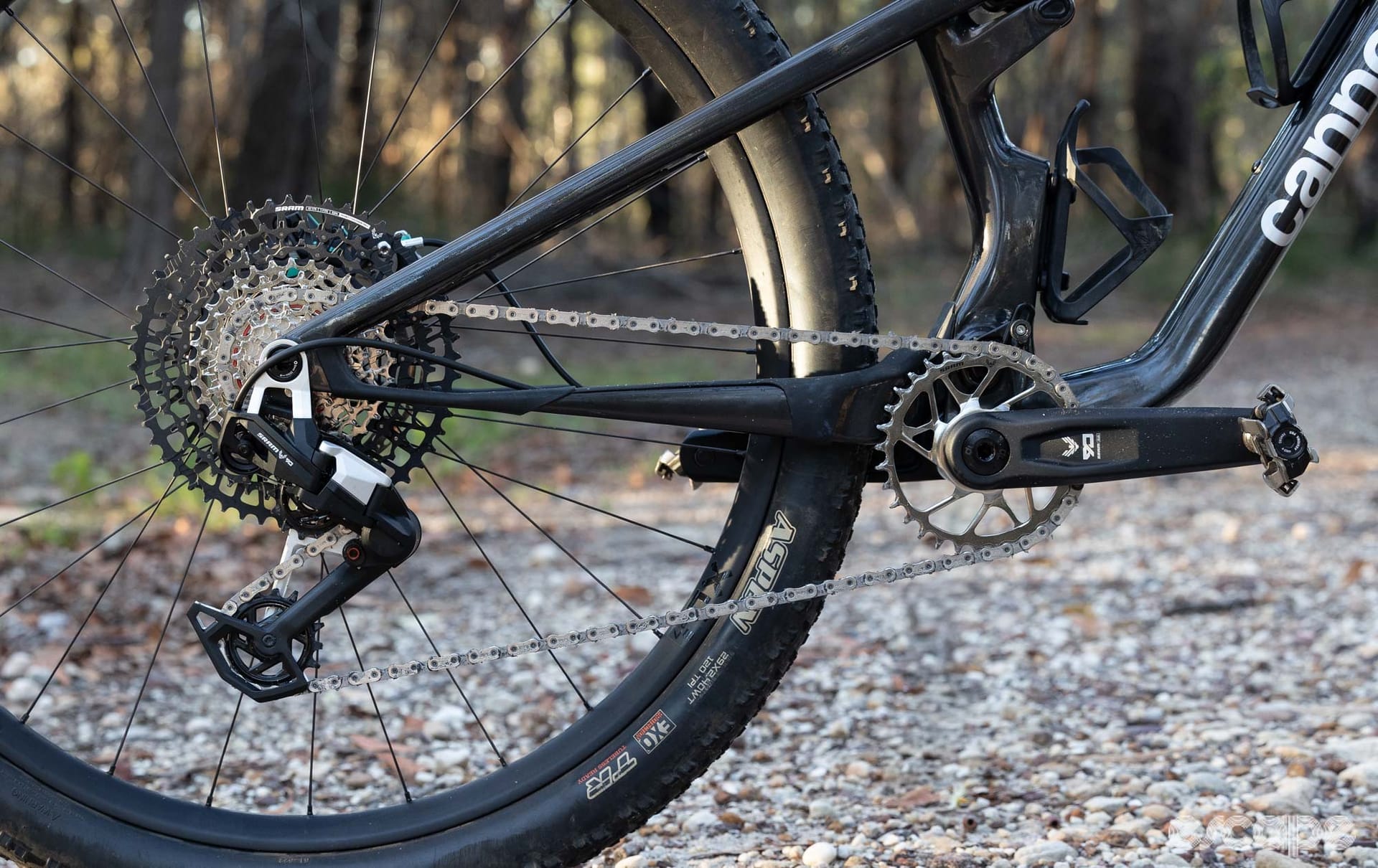
But perhaps the most surprising news in drivetrains this year was SRAM’s release of direct-mount mechanical Eagle 90 and 70 groups. At a time when cable-actuated derailleurs appeared to face a similar trajectory as the Dodo bird, the current leader in the space has made it clear they are here to stay. Smaller brands like Ratio and Madrone, which might be the long-term drivers of analog tech, have also taken a seat at the table with their own versions of versatile direct-mount mechs. What’s not clear is whether SRAM, and even Shimano, will stay the mechanical course and look to expand into upper-tier products again, or if Eagle 90 and 70 are blips on the radar.
The UCI turned on aero
Going faster on a road bike is simple: you either push harder or you cut through the air more cleanly. Training boosts the former; aerodynamics takes care of the latter. And over the past few seasons, aero has become the arms race of choice, with everything from narrower bars to in-turned hoods and even speed-specific aero socks creeping into everyday road racing.
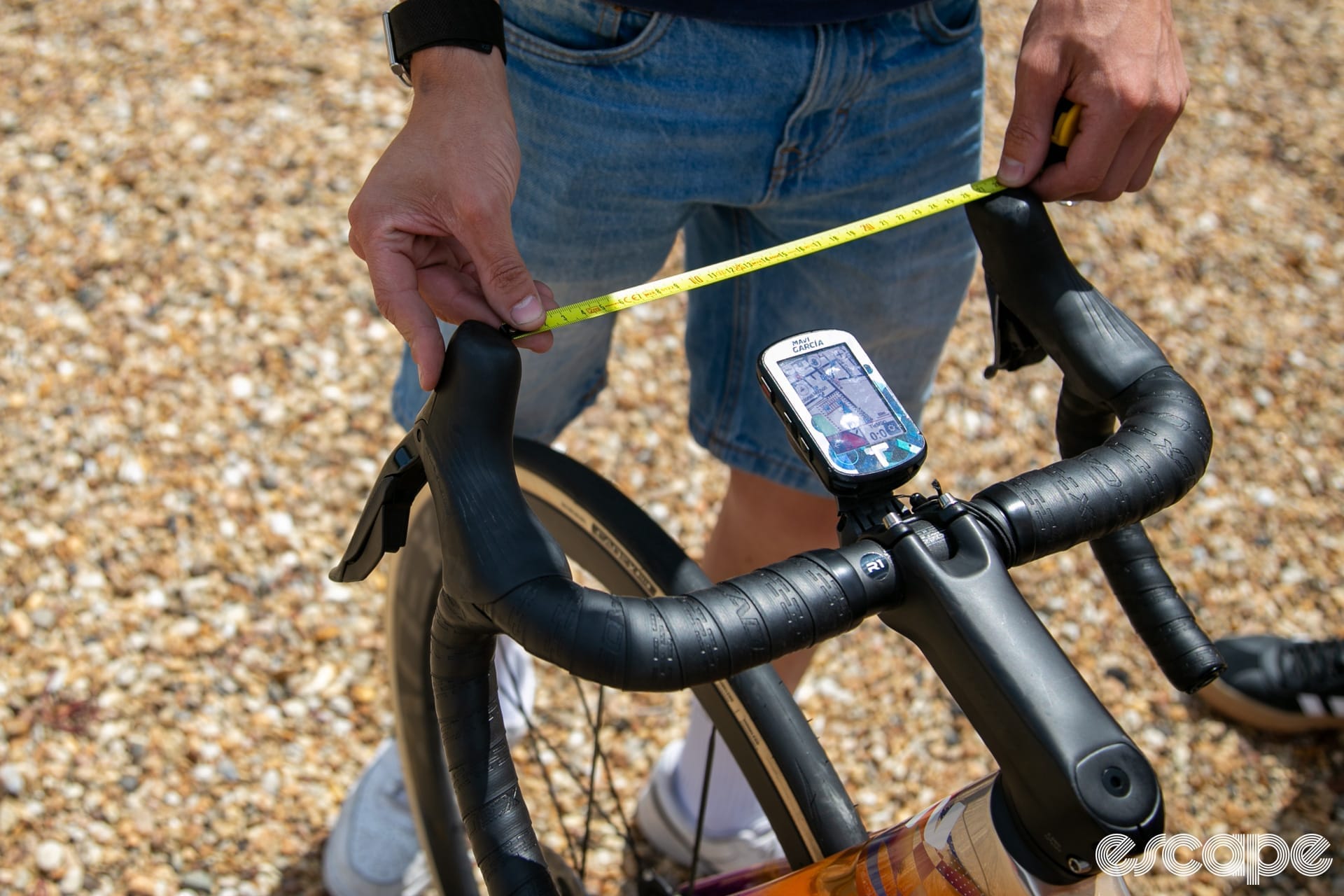
But 2025 was the year the UCI finally said “enough.” First came quiet rumours of rule changes. Then, in June, the UCI announced its battle plan against progressive aero, under the veil (albeit a very thin one) of improving rider safety. To curb the trend for super-narrow bars, the UCI mandated a minimum 270 mm gap between hoods and set an outside–outside width of at least 400 mm. The implications – and who gets hit hardest – have been debated endlessly, but this was only the opening volley.
Riders say the UCI’s new handlebar rule is bad for women’s racing
Pros and industry leaders alike react to the UCI’s adjusted handlebar width rule.

This post is for subscribers only
Subscribe now
Already have an account? Sign in
Did we do a good job with this story?
👍Yep
👎Nope