
After a year of celestial displays, 2026 promises more spectacular sights
16:59, 29 Dec 2025Updated 17:50, 29 Dec 2025
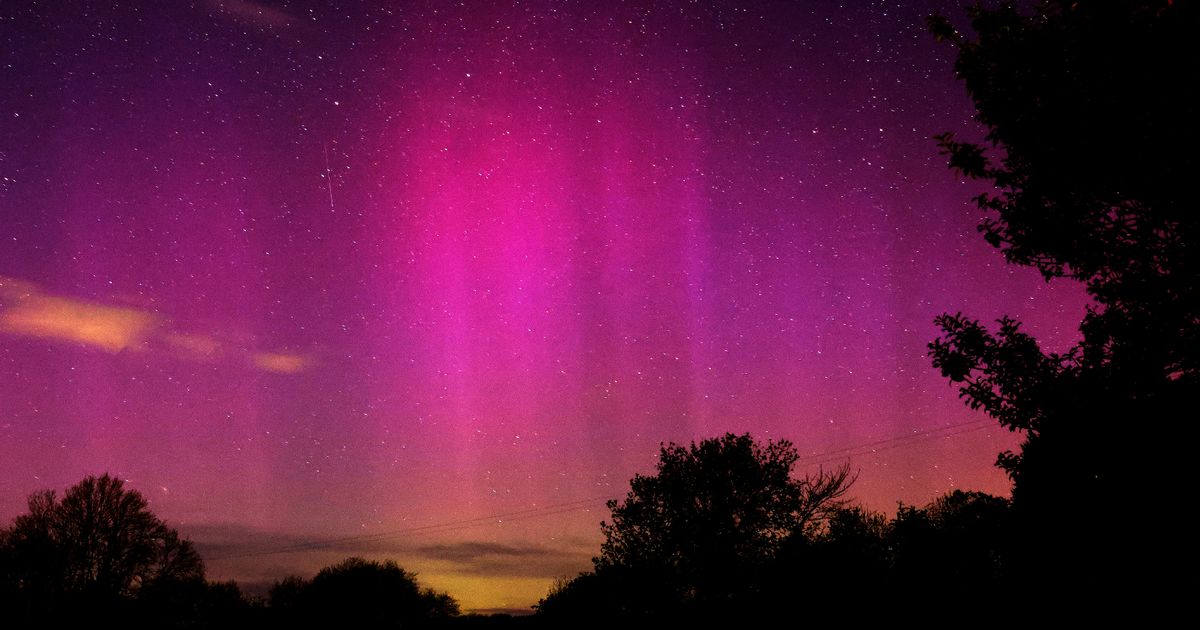
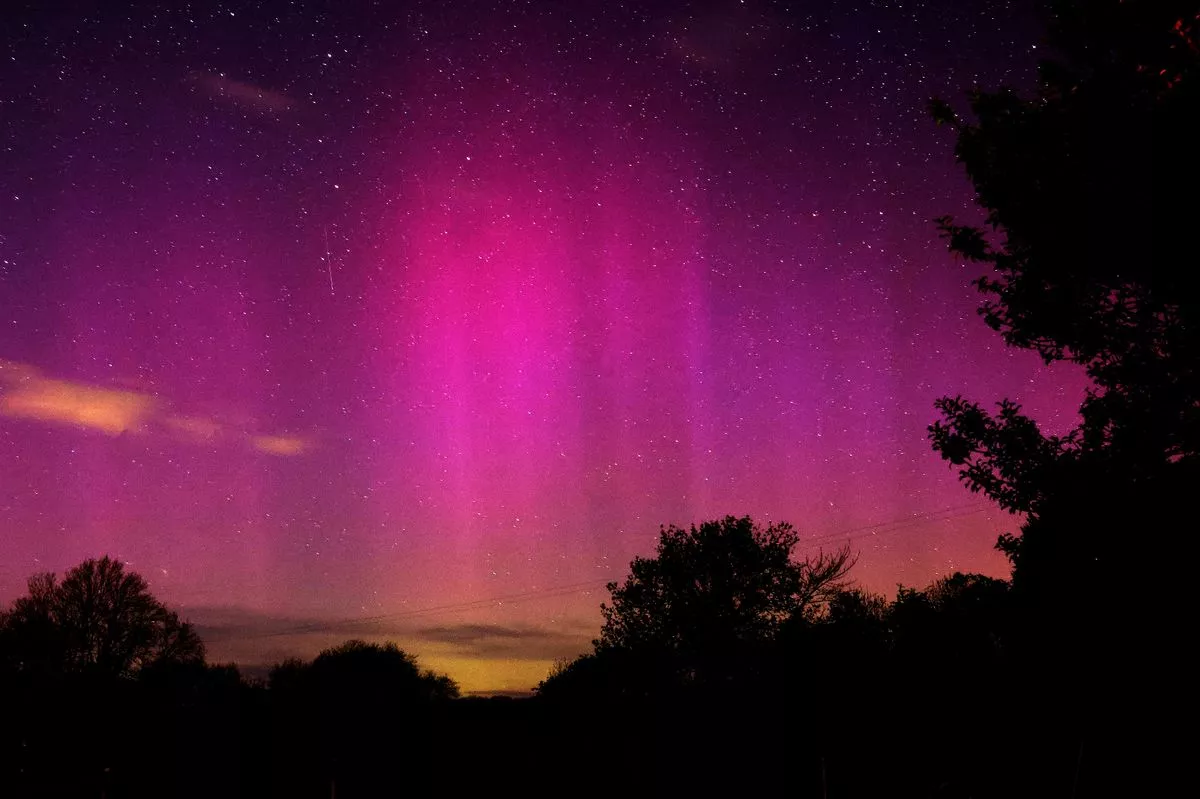 The Northern Lights when they made a brief appearance over fields in Undy, Monmouthshire (Image: John Myers)
Over the past year, the skies above the UK have put on a remarkable show. Stargazers have witnessed everything from lunar eclipses and blood-red moons to the rare glow of a pink moon. Even the Northern Lights have made surprise appearances, painting the skies above places like Monmouthshire and the Brecon Beacons in shifting colours.
As we look ahead to 2026, the celestial spectacle is far from over. There is a strong chance that the vivid purples, reds, and greens of the aurora will once again be visible across the UK. The Sun is currently in a period of heightened activity, meaning more solar storms than usual are expected in the first few months of the year, the BBC reports.
As recently as mid-November, 2025, a powerful solar flare lit up the night sky with dazzling displays seen as far south as Devon and Cornwall, while Pembrokeshire and Anglesey offered the best views in Wales – a reminder that extraordinary sights can appear when we least expect them
The Met Office predicts that the aurora will remain at background levels for now, but from December 31, fast winds from a coronal hole are expected to intensify the auroral oval. This could make the Northern Lights visible across parts of Scotland and other northern latitudes.
The enhanced activity is expected to continue into the night of January 1, with further fast winds and the anticipated arrival of a coronal mass ejection (CME) potentially producing an even more spectacular display.
According to the BBC, September to April remains the best period for aurora spotting in the UK, as the longer, darker nights improve visibility.
To catch the lights, head to a dark location away from city lights, as light pollution can make the colours difficult to perceive. Scotland, Northern England, Northern Ireland, and North Wales – especially designated “dark sky” areas – offer the best chances for a clear view.
To ensure you don’t miss an opportunity to see the Northern Lights, the Met Office regularly updates its Space Weather page with solar storm alerts and an “Aurora forecast,” while Aurora Watch UK provides notifications when auroras are likely to be visible. For the biggest stories in Wales first, sign up to our daily newsletter here
2026 also begins with other astronomy highlights, Royal Museums Greenwich shared. From January 1 to 12, the Quadrantid meteor shower lights up the night sky. Its peak occurs in the early hours of January 4, with up to 120 meteors per hour, though a full Moon may limit visibility. The best way to see it is from a dark location, wrapped up warmly, and watching the sky around the constellation Boötes.
Just a few days later, on January 10, Jupiter reaches opposition, appearing at its brightest and visible all night. Even from areas affected by light pollution, the gas giant is easy to spot, making it an excellent target for telescopes or binoculars.
With a combination of meteor showers, bright planets, and the Northern Lights, the first months of 2026 promise unforgettable nights for anyone willing to look up.