
A year for the England men’s team that began with defeat at one cricketing coliseum, Eden Gardens, Kolkata, ended with victory at another, in Melbourne, but the months in between were characterised by an unmistakable sense of drift, with no significant achievements of which to speak. It has not been a vintage year.
An enthralling Test series against India, each game going the distance, was the highlight. It followed a World Test Championship final that showed the strength of the appetite for the five-day game and a welcome renaissance for South Africa, under the impressive leadership of Temba Bavuma. Pity that their own supporters have not been given the chance to watch them at home in Test cricket since.
Of full-member nations, only Zimbabwe and West Indies had a worse win/loss ratio than England, who won 16 and lost 21 of the 40 matches played across formats in the past 12 months. There have been more losses than that in only four other calendar years, with 2014 the outlier, when 28 matches were lost. New Zealand’s win/loss ratio of 3.66 suggested they husbanded their resources as well as anyone across formats.
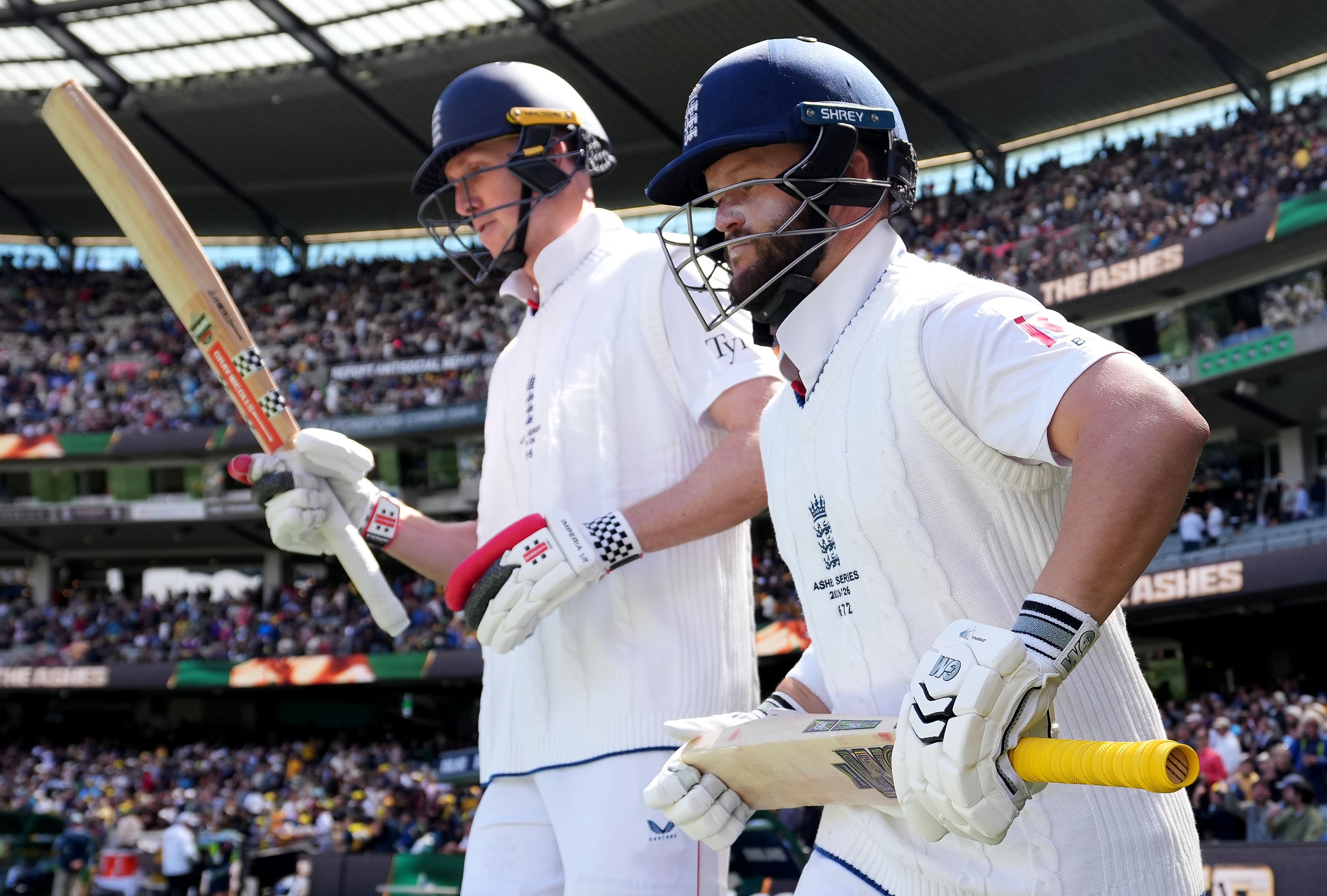
England lost five and won four of their ten Test matches in 2025
ROBBIE STEPHENSON/PA
England’s figures were propped up by T20 (W8 L5) which offers some hope for the World Cup to come in India and Sri Lanka in February and March, the provisional squad for which was announced on Tuesday. In Tests, there were four wins and five losses, and in ODIs, where there has been a real decline, 11 defeats were hardly offset by four wins, three of which came against West Indies, statistically the worst team of any full-member nation this year.
Increasingly, the benchmarks against which England measure themselves are ICC events and the major Test series, and on that basis they fell well short. They failed to win a match in the Champions Trophy and did not make it out of the group stage; they threw away a winning position in the Test series at home against India, and have been well beaten in the Ashes.
The Champions Trophy and Ashes were characterised by missteps. In the former, Jamie Smith was tried in the key No3 position for the first time, without success; the batting struggled to find the right tempo and the bowling attack failed to adapt to conditions. Preparing for the Ashes in New Zealand initially and then at Lilac Hill backfired spectacularly and by the time the team reached Sydney, three of the vaunted pace attack, Mark Wood, Jofra Archer and Gus Atkinson, had returned home injured.
Towards the end of 2024 Brendon McCullum’s responsibilities were extended to include the white-ball formats, but this has failed to have the desired impact so far. McCullum was hopeful that his relaxed style would bring out the best in Jos Buttler as captain, but Buttler did not survive his first campaign with McCullum in charge and he stood down at the end of the Champions Trophy.
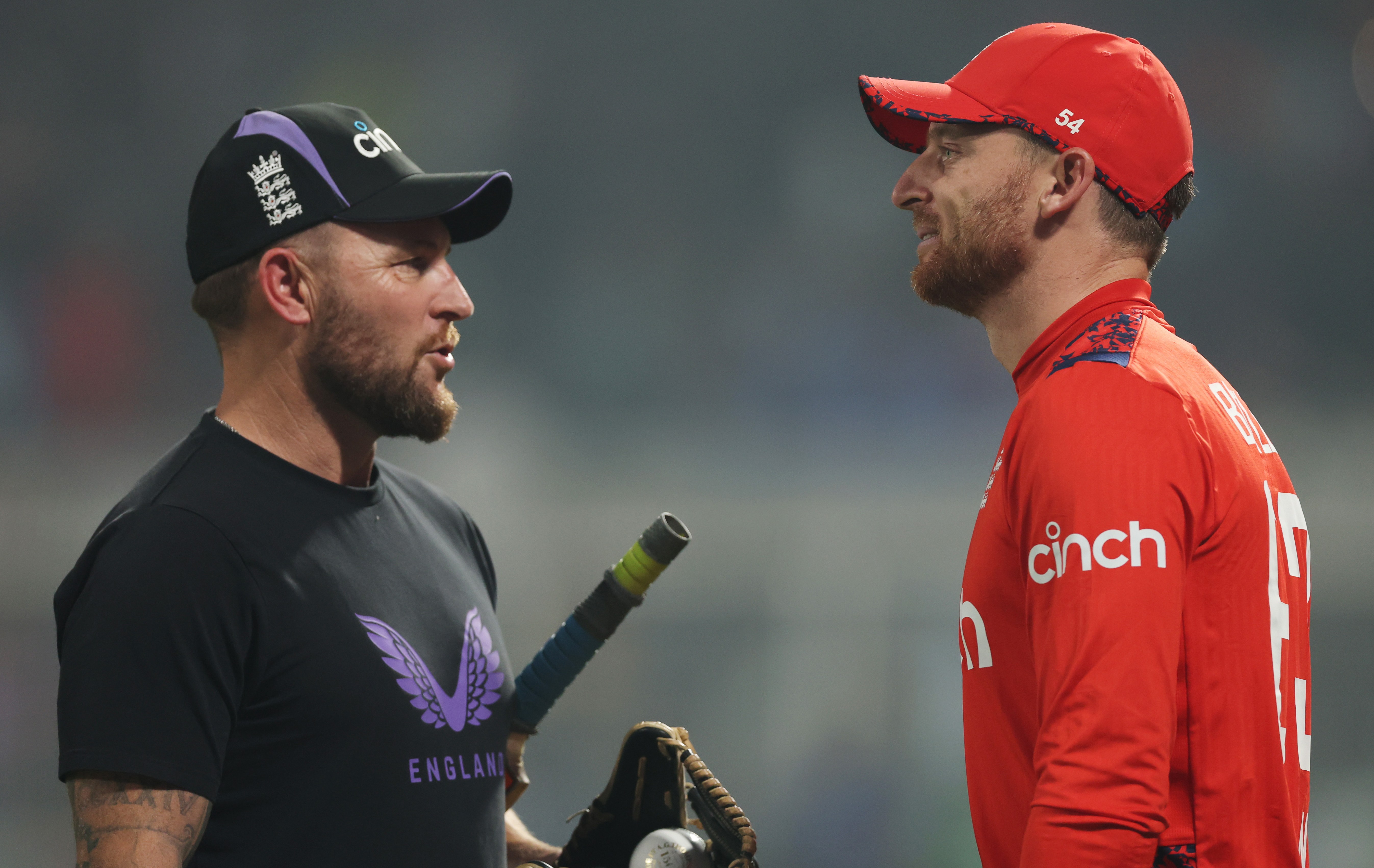
Broadening McCullum’s role to include the white-ball formats risked spreading him too thinly
MICHAEL STEELE/GETTY IMAGES
The danger with broadening McCullum’s portfolio was that he would be spread too thinly; that he would struggle to replicate his initial success with the Test team, which would then also suffer. The difficulties of succeeding across three formats means there is always likely to be one area in need of attention, and his lack of success so far in white-ball cricket, and the way the Ashes has gone, means his reputation has taken a hit this year.
Different teams may be at different stages of their development and require varied coaching strategies. McCullum was a perfect fit for the Test team in 2022, for liberating some senior players who had become world- and cricket-weary during the pandemic. Whether he is the right man to bring about a renewal of a white-ball team who have said goodbye to a golden generation remains to be seen. So far, the signs have not been promising.
One strategy seems to be to harmonise the red and white-ball teams. Tuesday’s squad announcement is a case in point: Josh Tongue has been promoted to the provisional T20 World Cup squad — the first time he has been involved in white-ball cricket — and Zak Crawley returns to the ODI squad. Both are picked on the back of their performances in the Ashes. Eoin Morgan had plenty of multi-format players too, but his teams had an identity England’s white-ball teams lack at present.
Harry Brook became an increasingly important cog in the machine, in a year in which he took on not only the white-ball captaincy but the vice-captaincy of the Test team as well, taking over from Ollie Pope. He has yet to suggest that he is at the right stage of development to be given so much responsibility, and the T20 World Cup, his first ICC event in charge, should tell us more. Right now, at least they look a better bet in T20 than 50-over cricket.
Read more from Mike Atherton
Ben Duckett’s year showed how difficult it is to be successful consistently across formats. He began strongly, with hundreds in the Champions Trophy and against Zimbabwe and India in Tests, but he looked increasingly weary towards the end of the year, having made the decision to play in the Hundred immediately after the India Tests. He has averaged 13 in ten matches since the beginning of September.
The crowded schedule and franchise attractions mean a broad talent pool is essential. From the contract list, announced in October 2024, Jonny Bairstow, Jack Leach, the injury-prone Olly Stone and Reece Topley did not play any games in the calendar year and nor did Josh Hull or John Turner, who were on development contracts. Chris Woakes retired having damaged his shoulder in the Oval Test and it is unlikely that we will see Wood in England colours again.
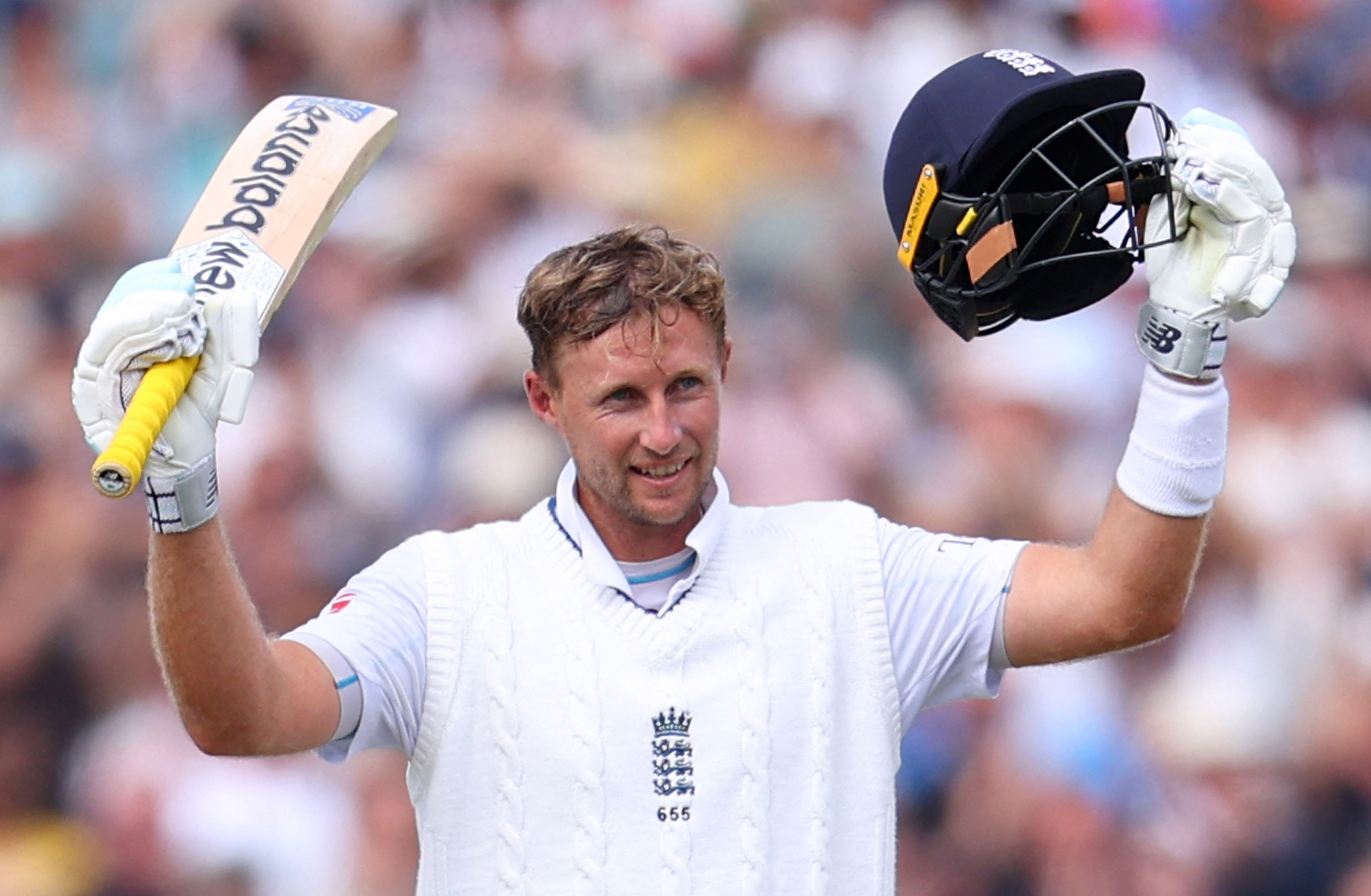
Root became Test cricket’s second-highest runscorer in July
ED SYKES/REUTERS
Two players were given debuts, Sam Cook in Test cricket and Sonny Baker in T20 and ODI cricket, but the latter especially was given a torrid time. Jacob Bethell felt like a missed opportunity. He ended 2024 in possession of the No3 spot in the Test team, but because of a variety of decisions he played only two Tests in 2025. He will get more opportunity in Tests next year.
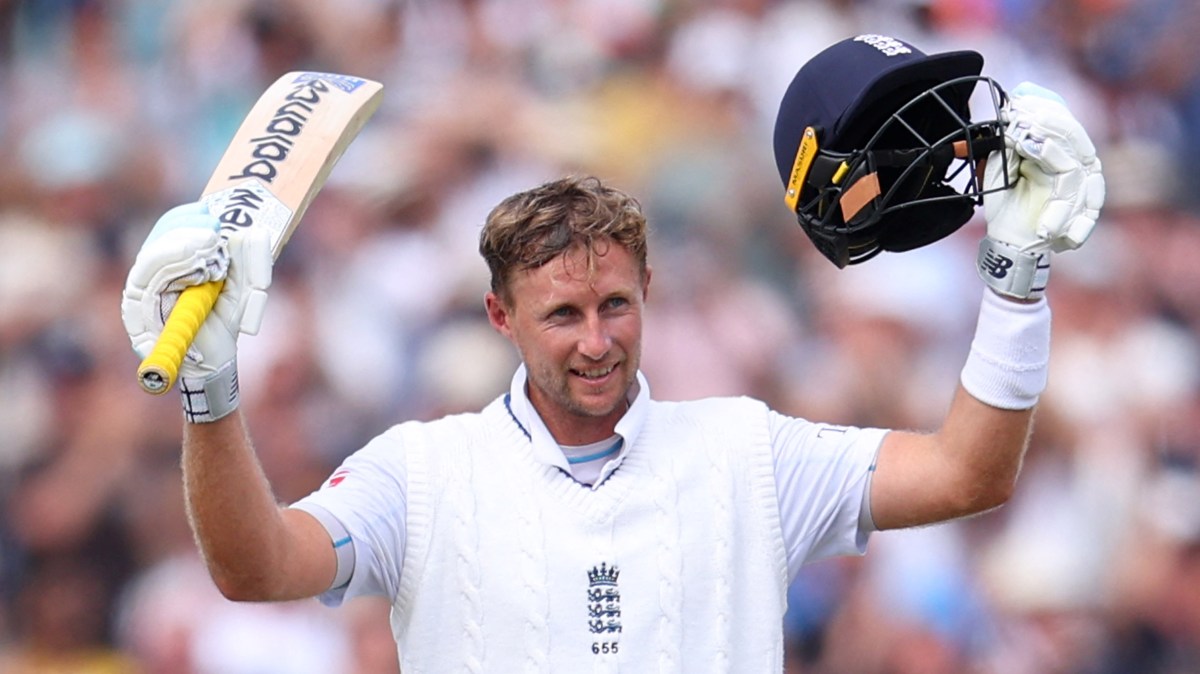
Joe Root was as consistent as ever, scoring seven hundreds across formats, averaging more than 50, and in the Old Trafford Test against India he overtook Ricky Ponting to become Test cricket’s second-highest runscorer. He maintained his standards throughout and continues to encapsulate the best of the English game.