
The NHS urges people to seek help as the common fungal infection can spread if left untreated
Sophie Buchan Money and Lifestyle Writer
02:00, 30 Dec 2025
 The NHS issued the advice on theri website(Image: Getty)
The NHS has issued an alert on its official website, highlighting a “common” issue that could get worse if not treated promptly. The health service is urging people to seek medical assistance for the condition.
Athlete’s foot is a “common fungal infection that affects the feet”. While this condition can be managed with over-the-counter treatments, it can recur frequently.
More worryingly, if left unattended, the infection could spread to the nails, leading to a more serious fungal infection. Athlete’s foot can be contracted in various ways, including direct contact with an infected person or walking barefoot in communal areas like changing rooms and showers.
People with wet or sweaty feet or damaged skin on their feet are at a higher risk of contracting the infection. Symptoms of athlete’s foot include:
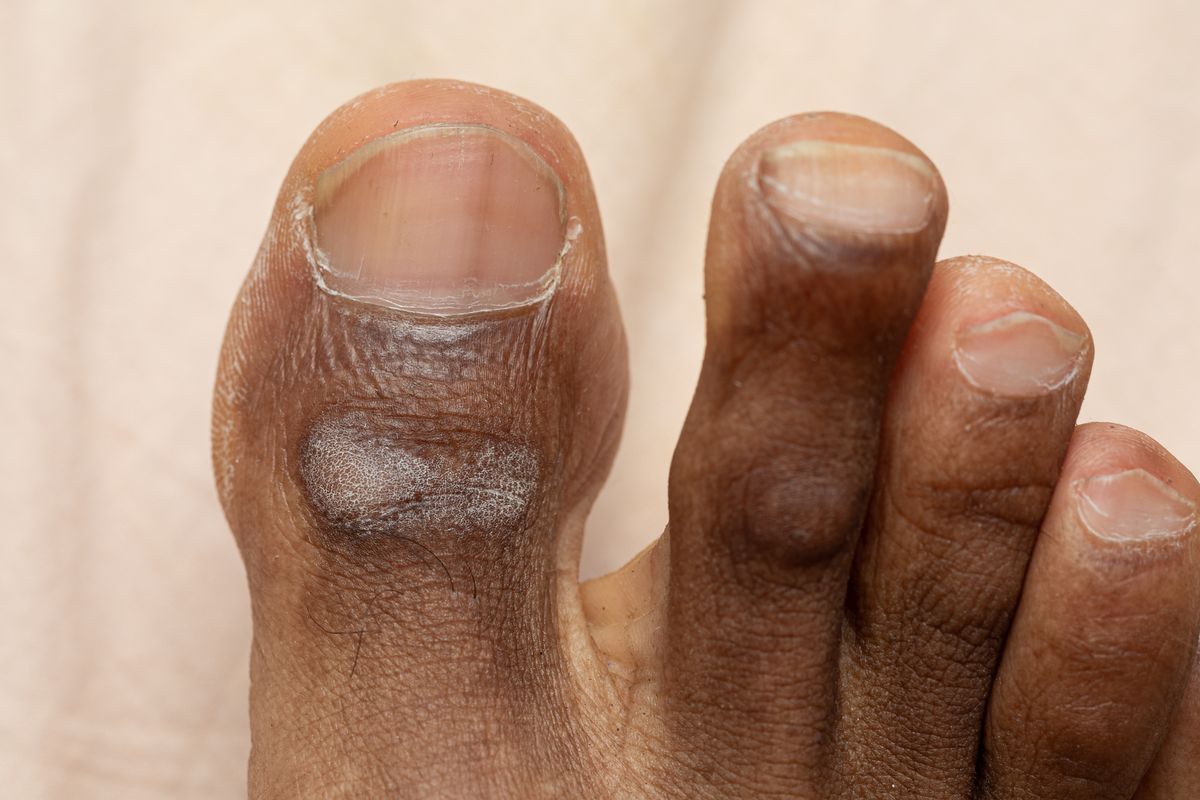 If your foot is itchy, keep an eye out for these other signs(Image: Getty)Itchy white patches between your toesSore and flaky patches on your feet – the skin can look red, but this may be less noticeable on brown or black skinYour skin may become cracked or bleedYour soles or sides of your feet may develop fluid-filled blisters
You can get help from your local chemist or GP, though it’s “unlikely” that the condition will resolve itself without treatment. For this reason, it’s advisable to seek professional guidance and buy antifungal medications (creams, sprays or powders) from a pharmacy, which typically take several weeks to work.
Do I need to visit a GP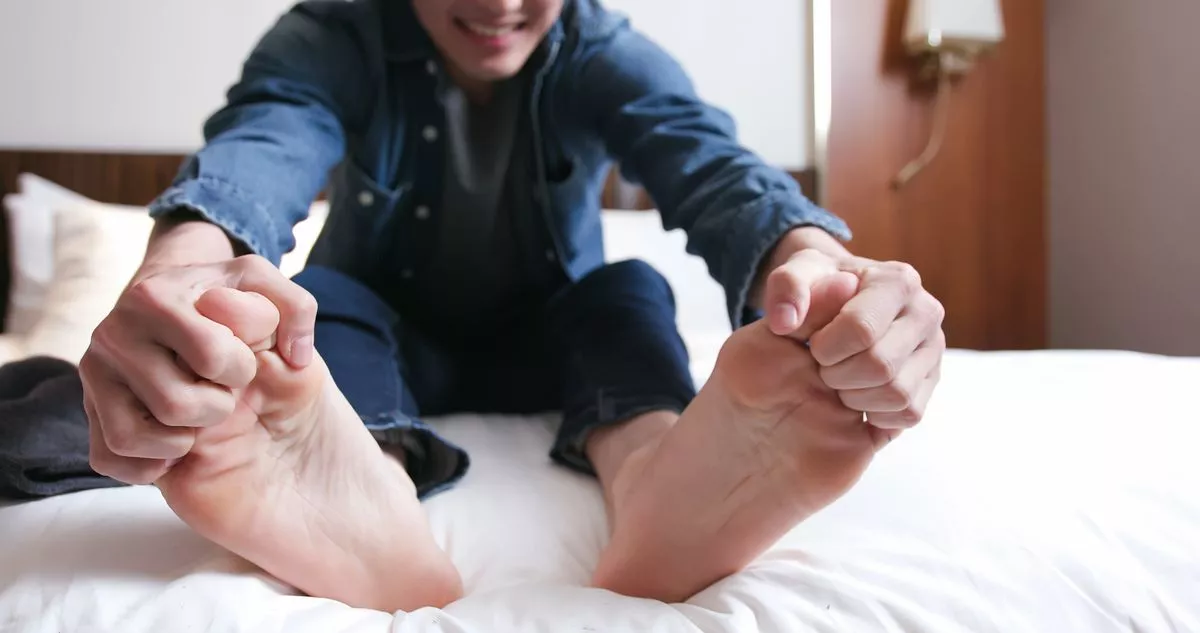 Do not scratch as it could spread the infection(Image: Getty)
As mentioned, it is unlikely to get better on its own. You may find it easier and quicker to pop to your local pharmacy, but you may need to visit your GP if you have athlete’s foot and:
treatments from a pharmacy do not workyou’re in a lot of painyour foot or leg is hot, painful and red (the redness may be less noticeable on brown or black skin) – this could be a more serious infectionthe infection spreads to other parts of your body such as your handsyou have diabetes – foot problems can be more serious if you have diabetesyou have a weakened immune system – for example, you have had an organ transplant or are having chemotherapyHow to prevent athlete’s foot
The NHS has said that you should always dry your feet after washing them, particularly between your toes. Instead of rubbing, dab them dry. It notes that people should also use a separate towel for their feet and wash it regularly, and of course, wear clean socks every day – cotton socks are best, it advises.
You should not:
scratch affected skin – this can spread it to other parts of your bodywalk around barefoot – wear flip-flops in places like changing rooms and showersshare towels, socks or shoes with other peoplewear the same pair of shoes for more than 2 to 3 days in a rowwear shoes that make your feet hot and sweaty