
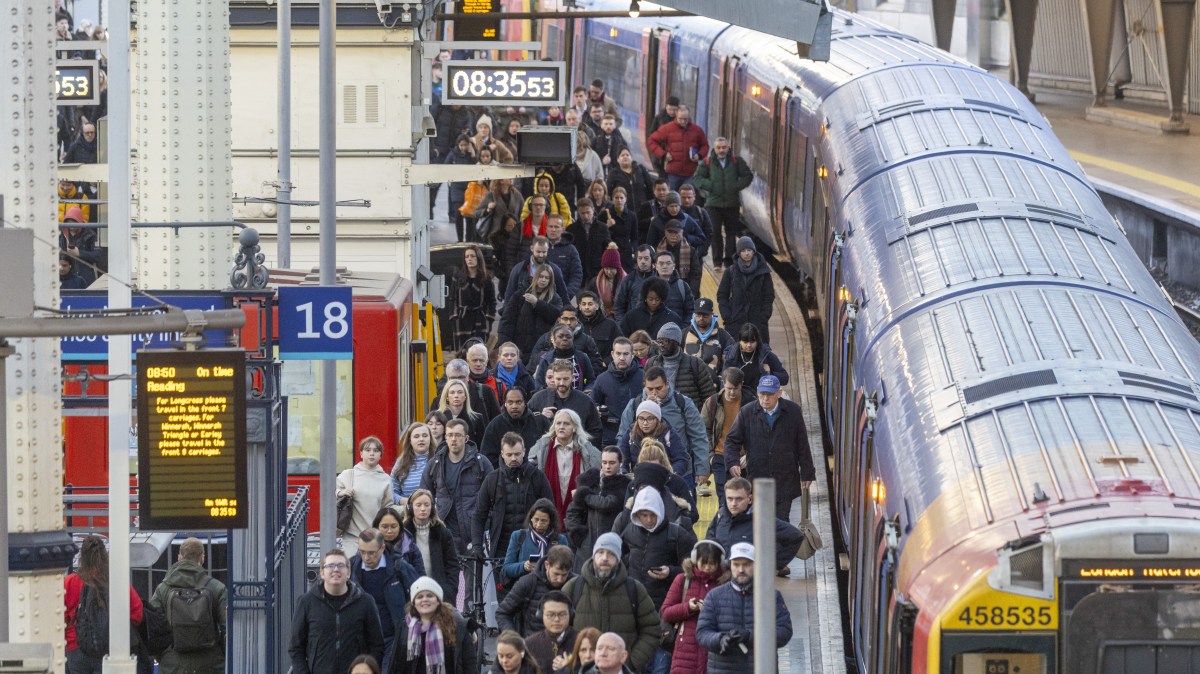
Millions of middle earners will be left more than £500 a year worse off by the end of the decade because of Rachel Reeves’s budget, an analysis has shown.
People claiming out-of-work benefits will see their payments rise by £290 over the same period, and pensioners will gain up to £537 a year.
The chancellor’s decision to freeze income tax thresholds for a further three years means that some of the worst hit will be those earning about £50,000, who face being dragged into a new tax band.
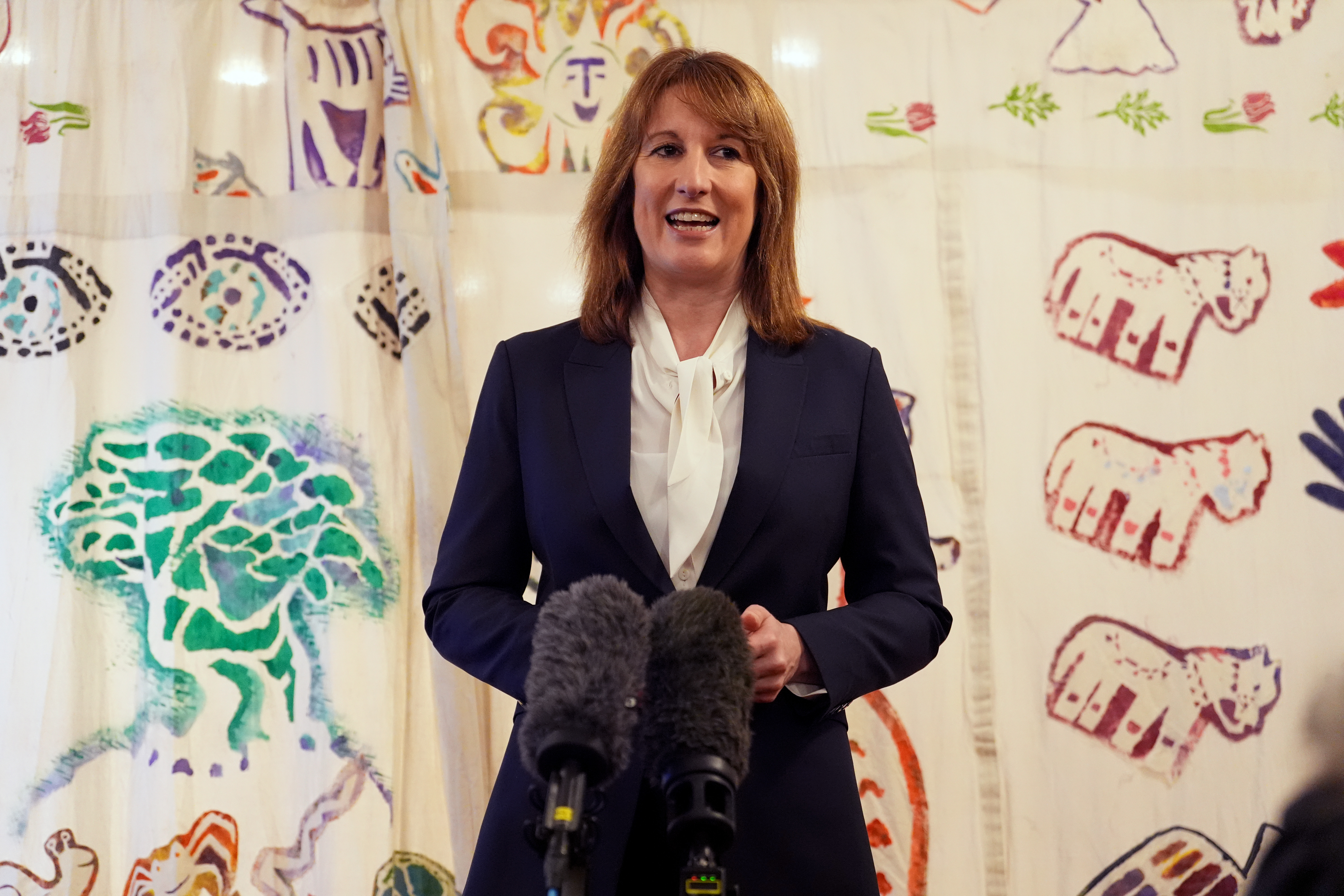
Rachel Reeves
GETTY IMAGES
Once adjusted for forecast inflation and wage growth, the post-tax pay of these workers will drop from £39,520 to £39,014 over the next five years, according to analysis by the Centre for Policy Studies (CPS), a think tank.
About seven million people in the UK earn more than £50,000, including more than a million in London.
In April 2022, the Conservatives froze income tax thresholds until April 2026, and this was then extended until 2028. Reeves announced another three-year extension at the budget in November.
The higher-rate threshold, past which point 40 per cent tax is applied, has been stuck at £50,270 since 2022. It would be more than £62,000 today if it had been linked to inflation.
The Office for Budget Responsibility estimates that 4.2 million more people will be paying income tax by 2030 as a result of the freeze, and 3.5 million people will be dragged into higher or additional-rate tax bands.
The average salaries of nurses, electricians and primary school teachers are on course to be subject to higher-rate tax by 2031. Secondary school teachers, police officers and a worker earning the average salary in London will be pulled into the higher rate as soon as next year.
However, the “triple lock” on the state pension will mean that millions of pensioners will be £306 per year better off by the end of the same period.
The state pension is set to pass the tax-free personal allowance threshold next year, meaning that income tax would be charged on the payments for the first time. However, Reeves signalled in an interview after the budget that those whose sole income was the state pension would be exempted.
The CPS analysis shows that those who are protected in this “quadruple lock” will be £537 a year better off by 2031.
• What will happen in 2026? Take our quiz to make your predictions
Those on the standard rate of universal credit, the main out-of-work benefit, will be £290 per year better off by 2031. This sum will be higher for those also claiming other benefits, which will also rise with inflation.
Daniel Herring, head of economic and fiscal policy at the CPS, said: “Labour’s tax policy is quietly hammering workers while protecting pensioners and benefit recipients.
“Freezing the personal allowance for income tax will hit everyone, but it’s those who are dragged into higher tax bands who will really suffer — to the point where a worker on £50,000 today is set to actually be poorer in five years’ time, despite getting pay rises.
“Meanwhile, the state pension and universal credit will both be worth more in real terms. This is fiscal drag in action, raising taxes for millions of workers through the back door.”
A spokesman for the Treasury said: “In the budget we increased the national living wage and national minimum wage and took £150 off people’s energy bills, extended the freeze on prescription fees [and] fuel duty and froze rail fares for the first time in 30 years.
“The fair and necessary decisions we made at the budget mean we can deliver on the country’s priorities — cut waiting lists, cut debt and borrowing and cut the cost of living.”
Sir Keir Starmer will try to convince Britons that his government is bringing down living costs, despite the effect of the threshold freeze.
No 10 sources said that, in a series of interventions over coming days, the prime minister would focus on “highlighting government action so far, including an economic approach which has seen six interest rate cuts and inflation starting to fall”.
Starmer told the Daily Mirror that he would start an “all-out war on the cost of living,” Morgan McSweeney, his chief of staff, has told colleagues that 2026 will be the “year of proof”, in which voters will first feel the effect of the government’s actions.