
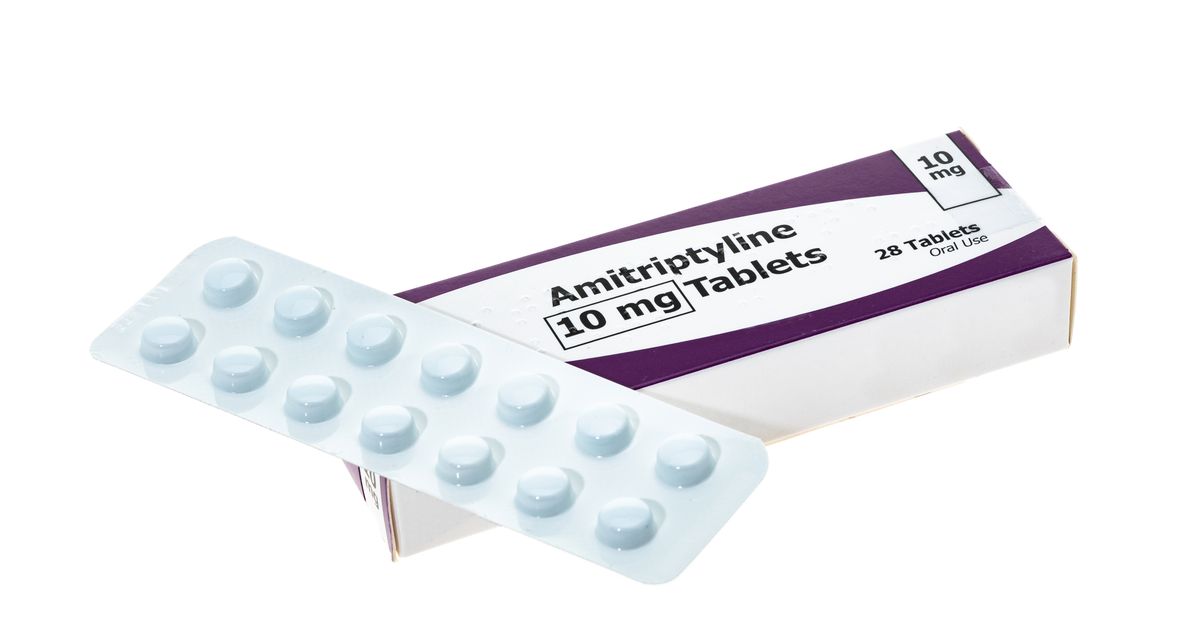
The NHS has issued important information for people taking amitriptyline to treat migraines and chronic pain conditions – including when you should call 999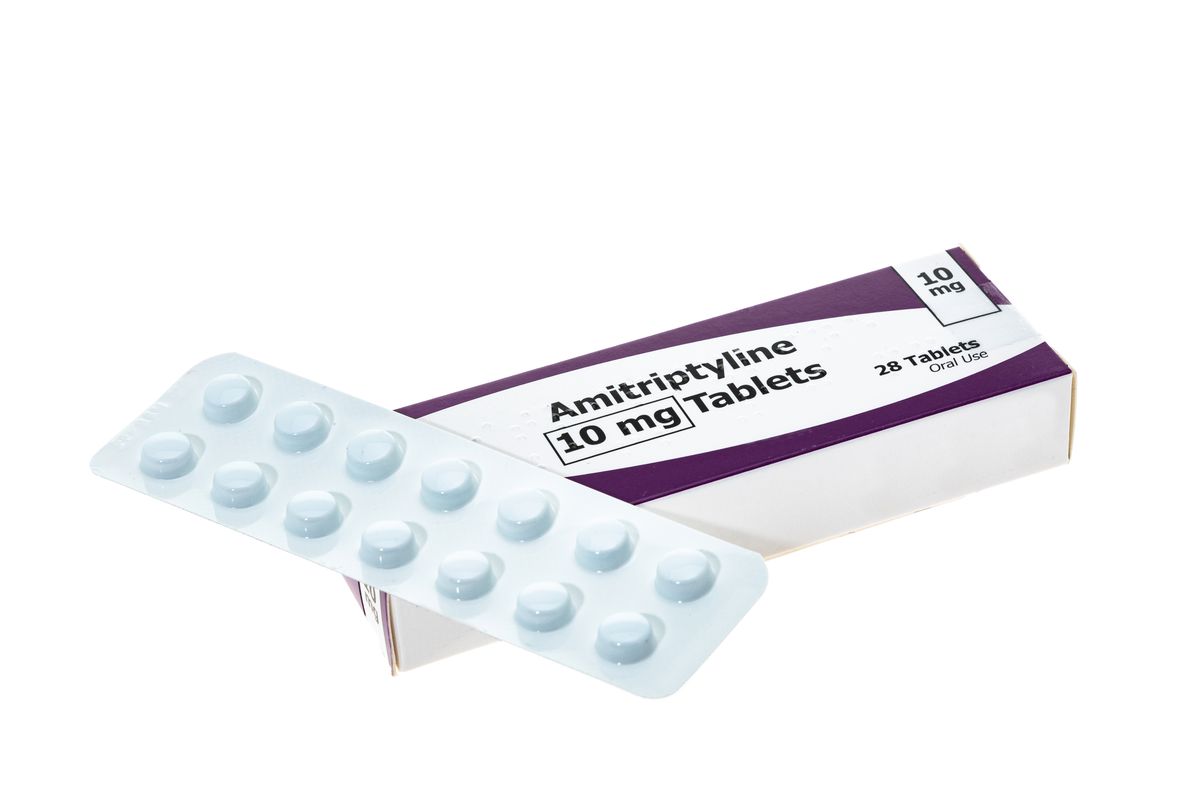 Amitriptyline can be used to treat pain(Image: Getty)
The NHS has essential guidance for individuals prescribed amitriptyline for pain management or migraines. Chronic pain impacts approximately 28 million adults across the UK, with roughly eight million experiencing moderate to severely disabling symptoms.
NHS statistics reveal that one in three adults live with chronic pain. This proportion increases to over half among those aged 75 and above.
Whilst data indicates that up to half of GP appointments concern this issue, treatment options are often limited beyond providing pain medication, reports the Mirror. Amitriptyline is one medication frequently prescribed for chronic conditions.
Though originally developed and licensed as an antidepressant, it is now more routinely administered at reduced doses for pain management across various debilitating health conditions. Recent statistics demonstrate that over 15 million prescriptions for the medication were dispensed across the UK during 2022-23.
Nevertheless, the NHS warns there are numerous side effects patients must monitor, including some that mean you should call 999 or head directly to A&E.
The NHS has provided guidance for those taking the medication for pain and migraines. It cautions about several “common side effects” affecting more than one in 100 patients.
The service advises: “Speak to a doctor or pharmacist if the advice on how to cope does not help and a side effect is still bothering you or does not go away.” These frequent side effects include:
ConstipationFeeling sleepy or tiredDifficulty peeingHeadacheDry mouthFeeling dizzy
There are other rare but more serious side effects. The NHS advises calling a doctor or 111 now if:
you get a fast or irregular heartbeatthe whites of your eyes turn yellow, or your skin turns yellow, although this may be less obvious on brown or black skin – these can be signs of a liver problemyou have a headache, you feel confused or weak, or you get muscle cramps – these can be signs of a low sodium level in your bloodyou have eye pain, a change in your eyesight, or swelling or redness in or around your eye
And there are three occasions which everyone taking the drug needs to be aware of. If you suffer any of these you should dial 999 immediately.
These are if:
you have weakness on one side of your body, trouble speaking or thinking, loss of balance or blurred eyesight – these can be signs of a strokeyou have a seizure or fityou get severe chest pain – this can be a sign of a heart attack
There is one other important time when you should call 999 or go to A&E. This is if you have thoughts about harming yourself or ending your life.
The NHS adds: “Many people sleep better while they’re taking amitriptyline. Although amitriptyline is an antidepressant, the doses are lower when used to treat pain. Taking amitriptyline as a painkiller will not have the same effects as taking it for depression.”