
The Times Entrepreneurs Network asked a select group of founders for tangible examples of how artificial intelligence is delivering results for their businesses.
In the final instalment of our series, the health-tech company DrDoctor explains how it uses AI to curb missed appointments and reduce costs for the NHS.
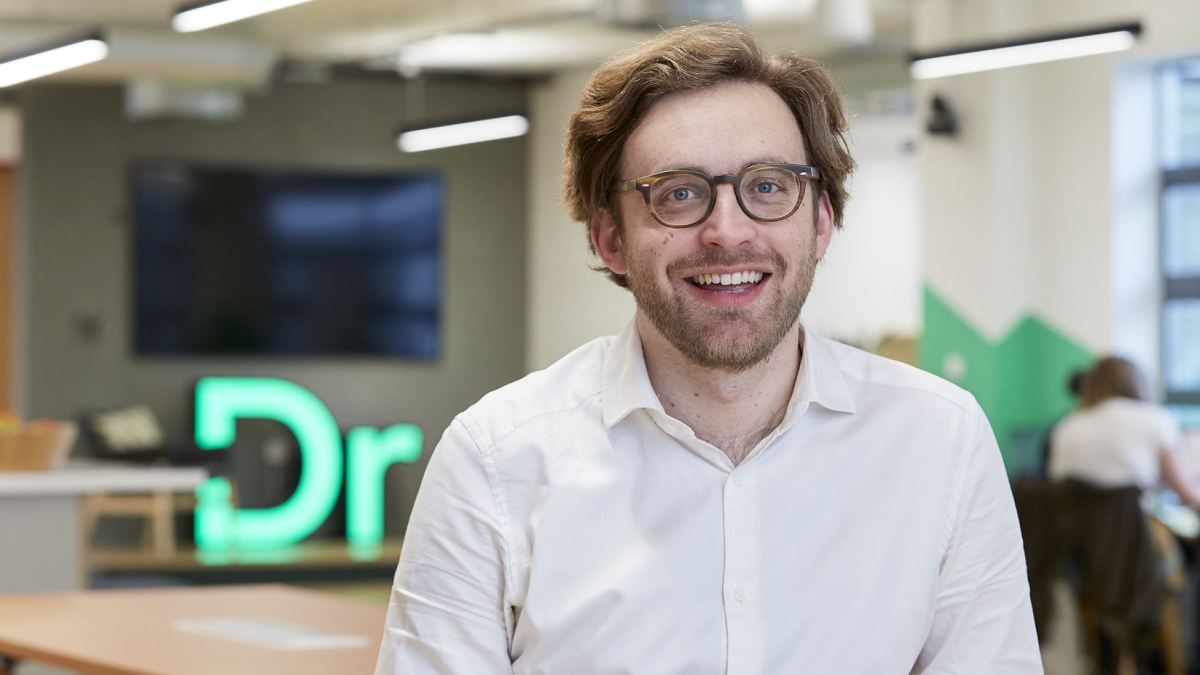
Tom Whicher came up with the idea for DrDoctor while sitting in an outpatient waiting room watching patients streaming in for appointments on the wrong day or at the wrong time, clutching letters that were either incorrect or out of date.
Missed appointments are one of the NHS’s most intractable problems, costing it nearly £1 billion every year. Founded in 2012, DrDoctor aims to reduce such inefficiencies and improve patient access to care. In 2024 it posted revenues of £16 million, although it is loss-making.
Until recently, DrDoctor tried to tackle the epidemic of missed appointments through fixes such as reminder texts. But Whicher, 41, said the company reached a point where it “hit a barrier as to what we can achieve”. With AI, he said, it has now built tools that five years ago would have been “unimaginable”.
In 2024, DrDoctor launched Smart Centre, an AI tool that predicts which patients are most likely to miss appointments and adjusts capacity accordingly. Early results show that non-attendance rates have fallen by about 30 per cent at hospitals using Smart Centre, which would equate to a savings opportunity of £300 million every year for the NHS. One site treated 9,000 additional patients in three months, while another eliminated out-of-hours clinics.
The platform uses machine learning to score the likelihood of a patient attending their appointment, based on demographics, age, deprivation indices, past attendance records and the time and day of the appointment.
DrDoctor had access to four billion rows of data, including records of 55 million patients and 160 million appointments. A team of ten software engineers spent months cleaning and anonymising the data before training their model with it.
Development took roughly two years, funded largely by a £1 million award from the Department of Health and Social Care. DrDoctor pays back the investment via revenue sharing and offers the NHS a discount.
Once the system was live, the harder task of persuading hospitals to change how they operate began. As well as overhauling old systems, the company had to retrain staff and ensure patients were on board. Engineers were deployed to hospitals to work with admin teams to build out and test the model. Educating workers and patients “is more important than almost anything else”, Whicher said.
Alongside the predictor is an AI voice agent that handles routine queries, manages appointments and provides pre and post-appointment support. An early attempt at voice AI was shelved because it sounded, in Whicher’s words, “like a robot”. When the team revisited it six months ago, the technology had moved on so much that the second build took a quarter of the time and now features regionally accented voices.
“Patients get very frustrated by not being able to get through on the phone, and equally hospital administrators spend a lot of time on relatively routine tasks that actually can be done amazingly well by AI,” Whicher said.
• Our AI healthcare agents spot warning signs before it’s too late
By automating routine calls, staff are freed to support patients with more complicated needs, such as those facing language barriers.
DrDoctor now plans to expand the voice agent’s remit to include medical queries and recovery support, potentially reducing the need for follow-up hospital visits.
The company manages more than 140 million appointments for 36 million patients through 70 NHS organisations, covering almost two thirds of the country.