
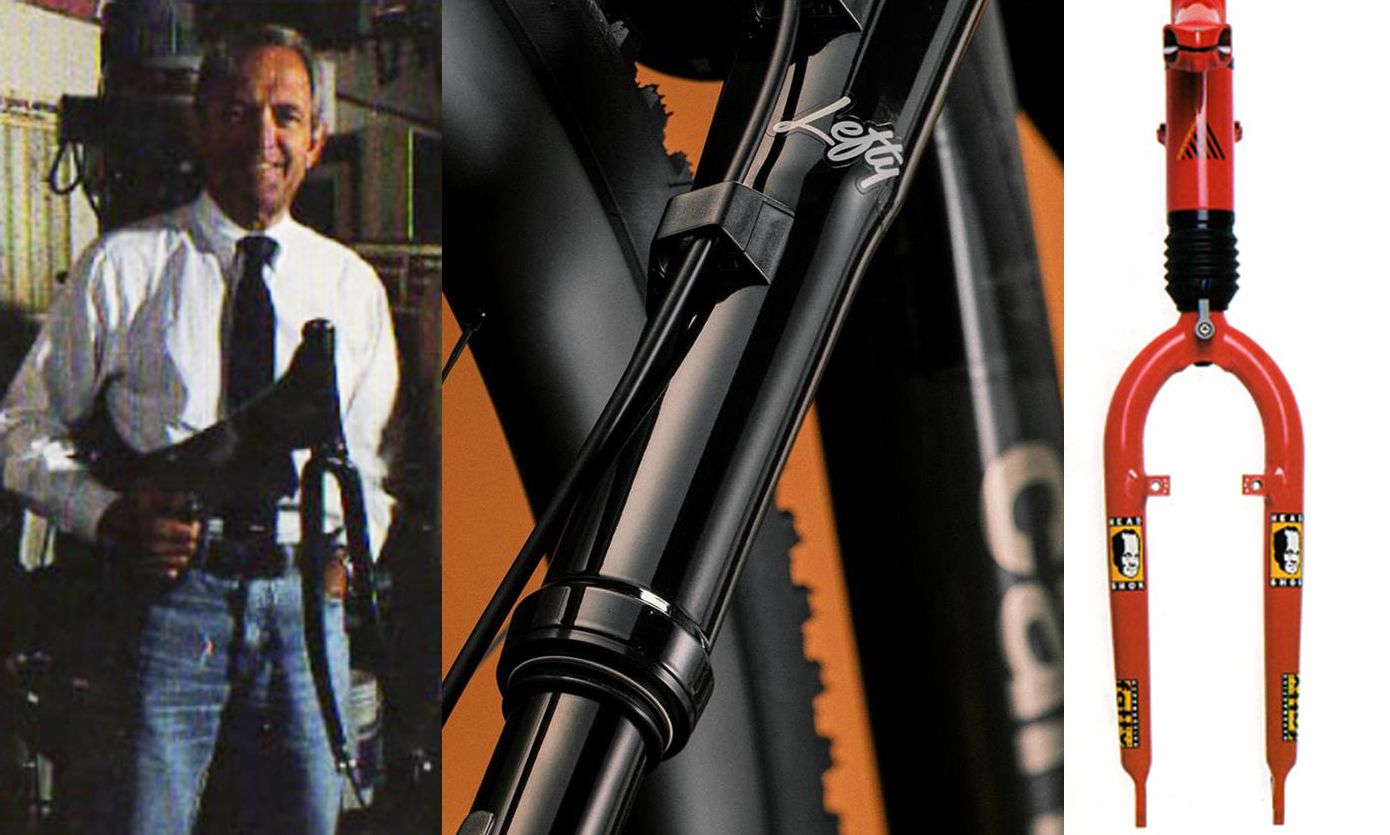
The passing of Cannondale co-founder and industry icon Joe Montgomery, last Friday aged 86, has reignited memories of a brand known for delivering some of the quirkiest hits. Montgomery was considered a pioneer, known for his creative ideas that pushed the boundaries of bicycle design at a time when everything looked the same and followed a cookie-cutter design philosophy.
Together with Murdoch MacGregor and Ron Davis, Montgomery founded Cannondale in 1971 in a rented space often referred to as the ‘lab’, located above a pickle factory across from the Cannondale train station. This would later become the rhetoric behind the company name, and Halo Lab71 nomenclature now affixed to the brand’s top models.
The Wilton, Connecticut-based brand is known not only for some of the most iconic road and off-road bikes, including the original ST-500, Six13, SuperSix Evo, SystemSix, CAAD, SM-500 and Scalpel mountain bike, Topstone, and SuperX gravel bike, but also for a slew of technical innovations. These include the single-sided Lefty fork, BB30 standard, asymmetrical bottom bracket configuration (BB30A), SmartSense lights, the Delta steerer, the aluminium road race frame, and even switchable geometry. There were some crazy concepts, too – who can remember the Cannondale R4000 Roller Blade bike of the mid-1990s?
You may like
Before all the bike stuff, however, the company was producing camping gear and air conditioners before moving into the bike accessory space, which later culminated in ‘The Bugger’ – a bicycle trailer designed to improve on-bike utility and transport. This prompted a complete 360 for the company, and bikes became the focus, particularly in doing things differently and against the script.
(Image credit: Cannondale)
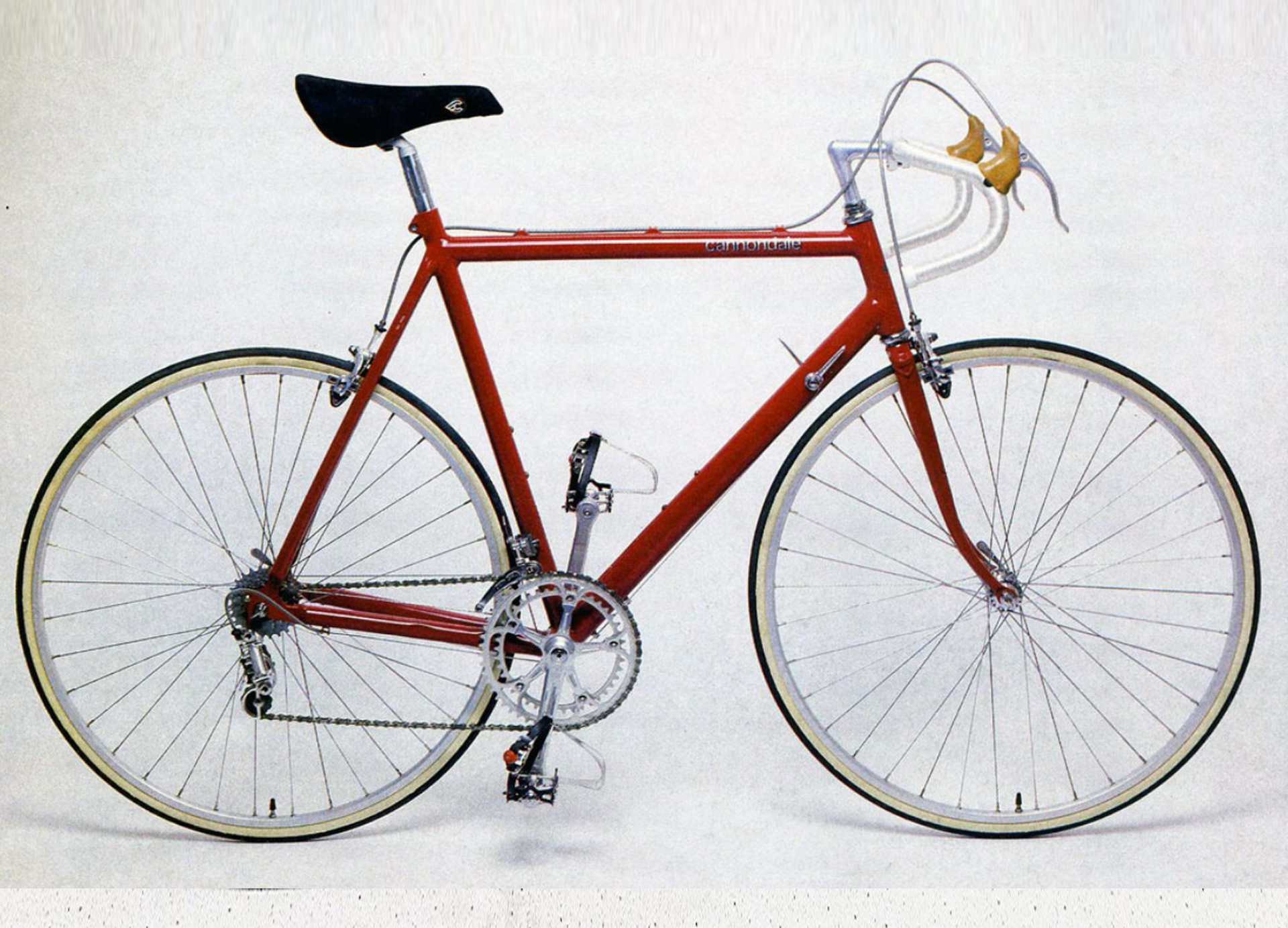
Cannondale ST-500
The ST-500 was Cannondale’s first foray into bicycle design and manufacture. Launched in 1983, it revolutionised the touring bike concept with its oversized aluminium frame and TIG welds – revolutionary at the time. It was lighter than its steel rivals and utilised cantilever brakes and rack mounts for storage.
(Image credit: Cannondale)
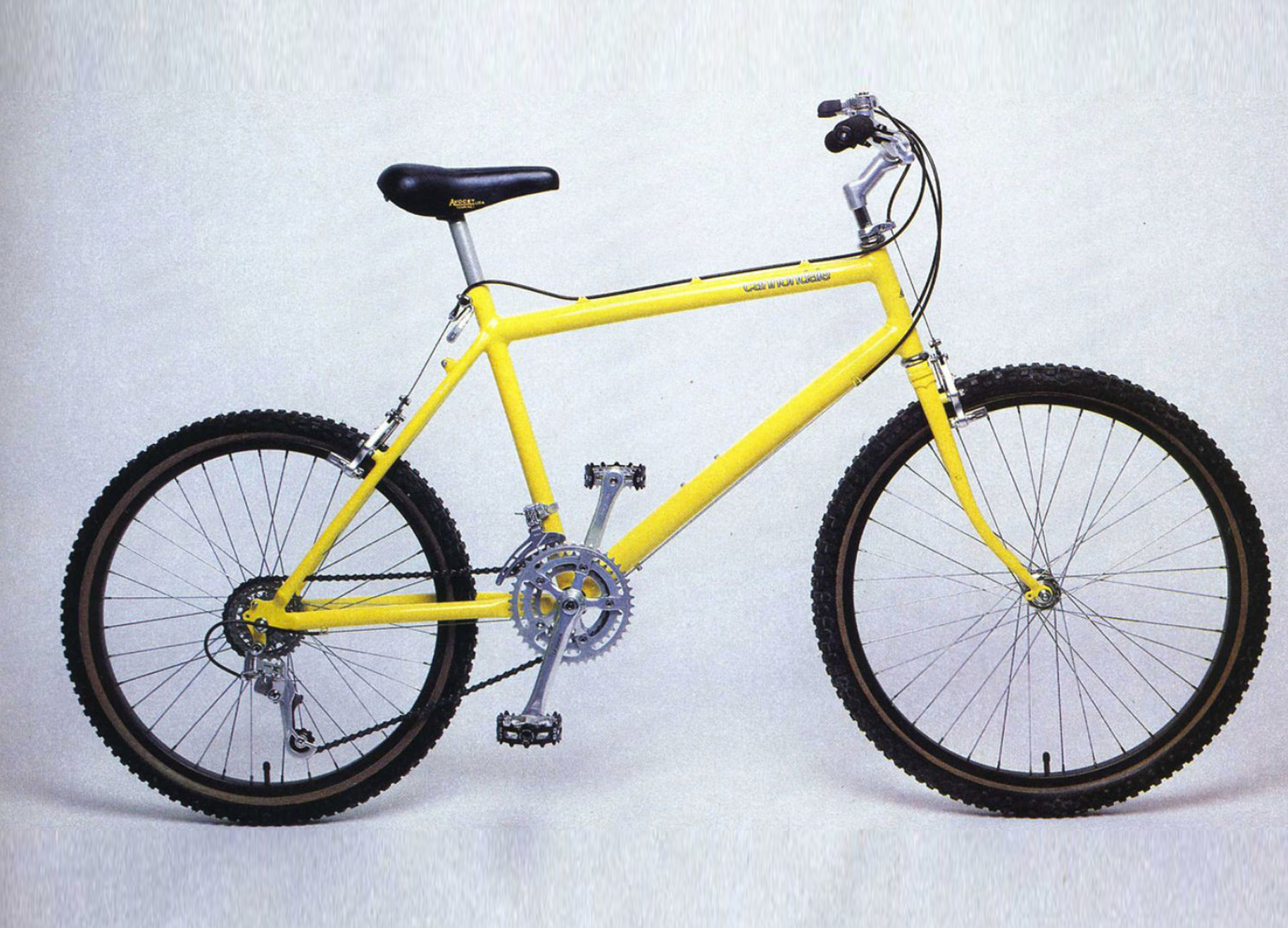
Cannondale SM-500
Funky and innovative, the SM-500 marked the brand’s first attempt at the mountain bike. Launched in 1984 as the SM-500 with oversized aluminium tubes, smaller 24-inch rear wheels, and BMX brakes, it underwent a series of changes over the next decade that culminated in the M500 of the 1990s, complete with standard 26-inch wheels front and rear and Shimano components throughout.
(Image credit: Cannondale)
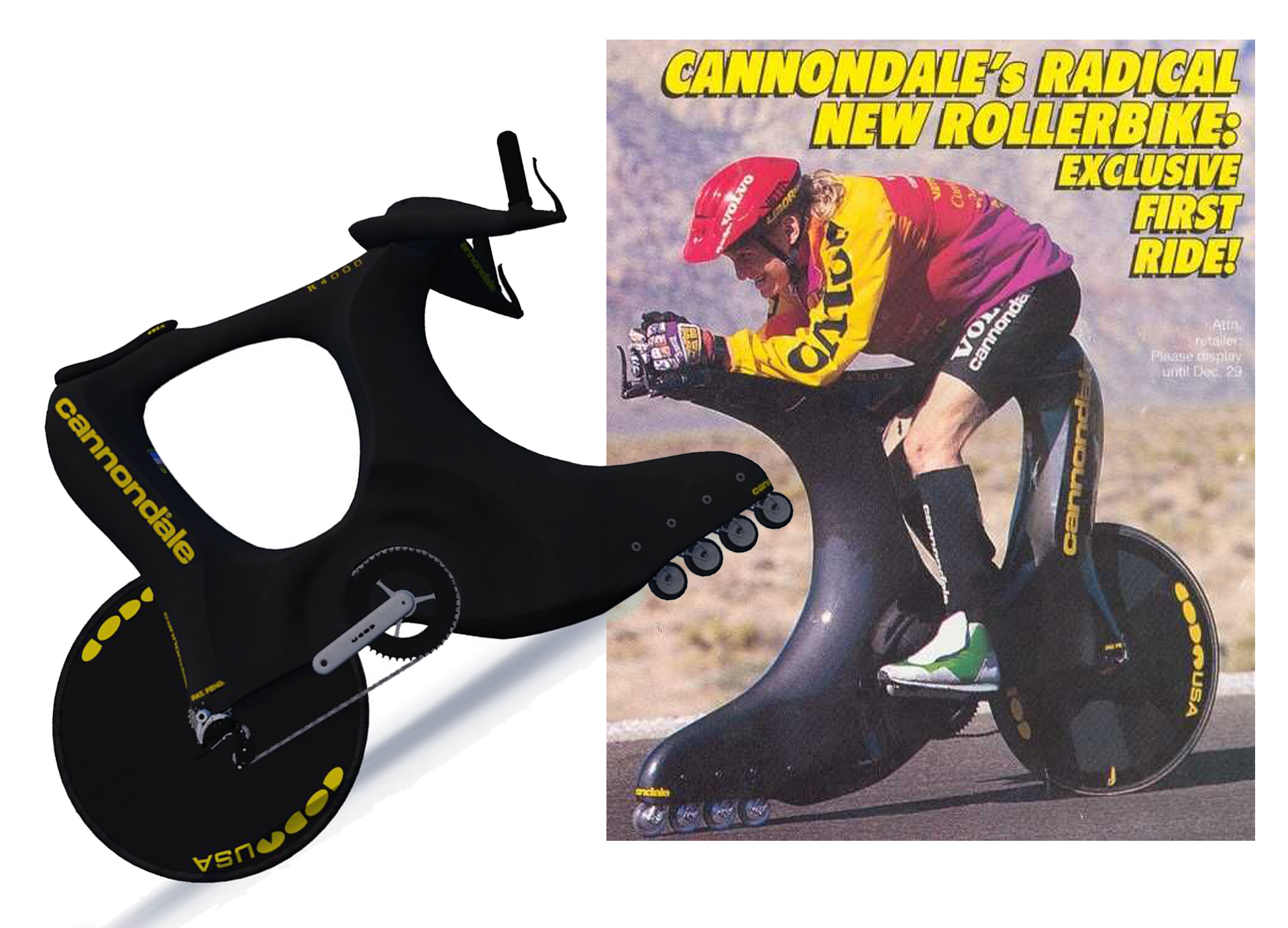
Cannondale R4000 Roller Blade concept
While I’m sure some of you might have seen this rolling around in Zwift recently as part of the platform’s Halo bike unlock package, the Cannondale R4000 Roller Blade is, in fact, a real concept bike penned and built as a one-off by the American company back in the mid-nineties. Wild in design and even crazier in concept, it was built around extreme aerodynamics, with inline-skate, rollerblade wheels replacing the front wheel. Utilising independent steerable front rollers and a futuristic hinge-adjustable handlebar arrangement, it gave us an unfettered view of a future without UCI regulations.
You may like
(Image credit: Cannondale)
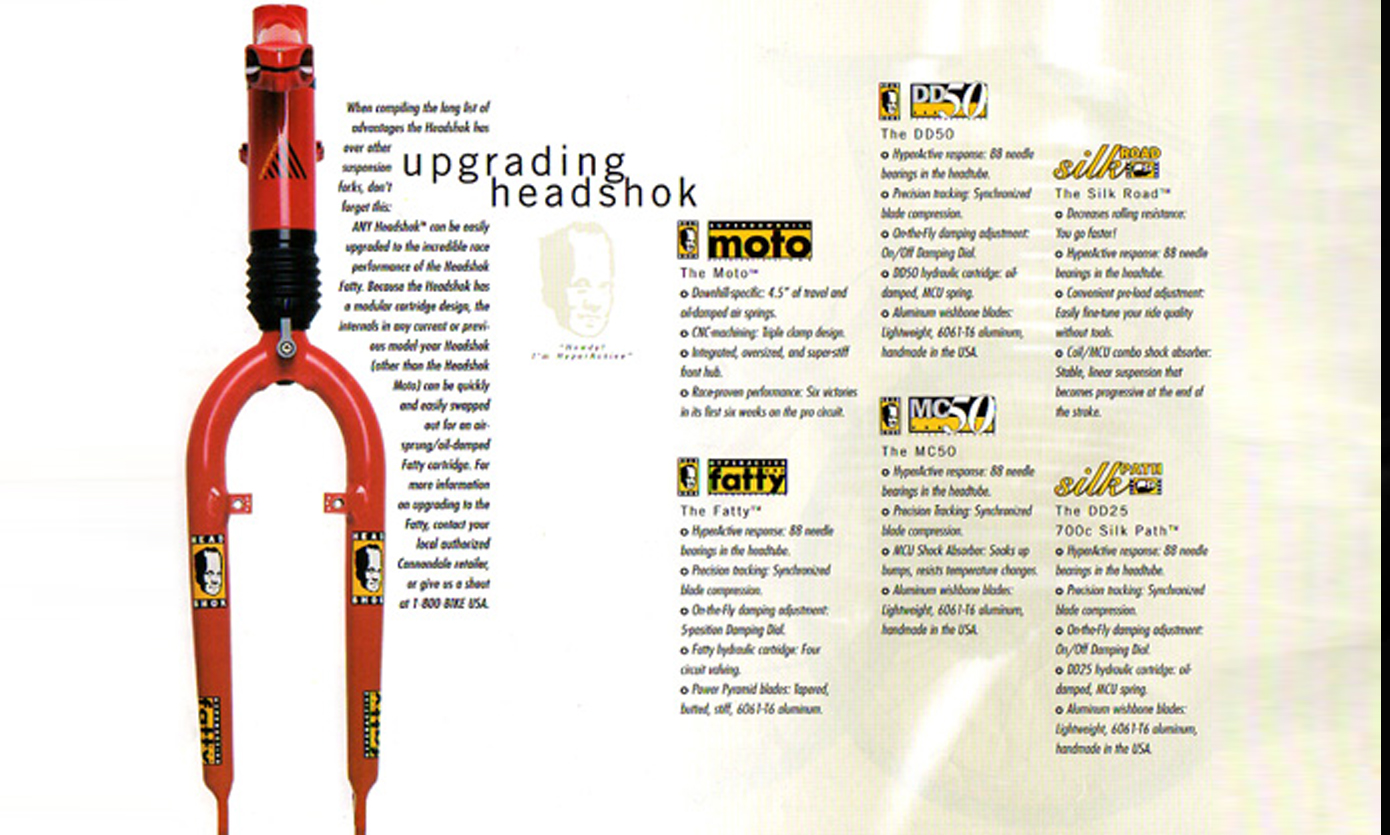
Cannondale Delta V/headshok
The Delta V, later renamed the Headshok, was pioneered by the Volvo-Cannondale mountain bike racing team in the 1990s. It essentially functioned as a suspension fork (the shock is integrated into the head tube) and occupied a space that other brands, such as Specialized and its Future Shock, could only follow. The original Delta V fork offered around 45–50mm of travel and used an oil-damped air spring. There were also mid- and longer-travel options of 50-60mm and 70-80mm.
(Image credit: Cannondale)
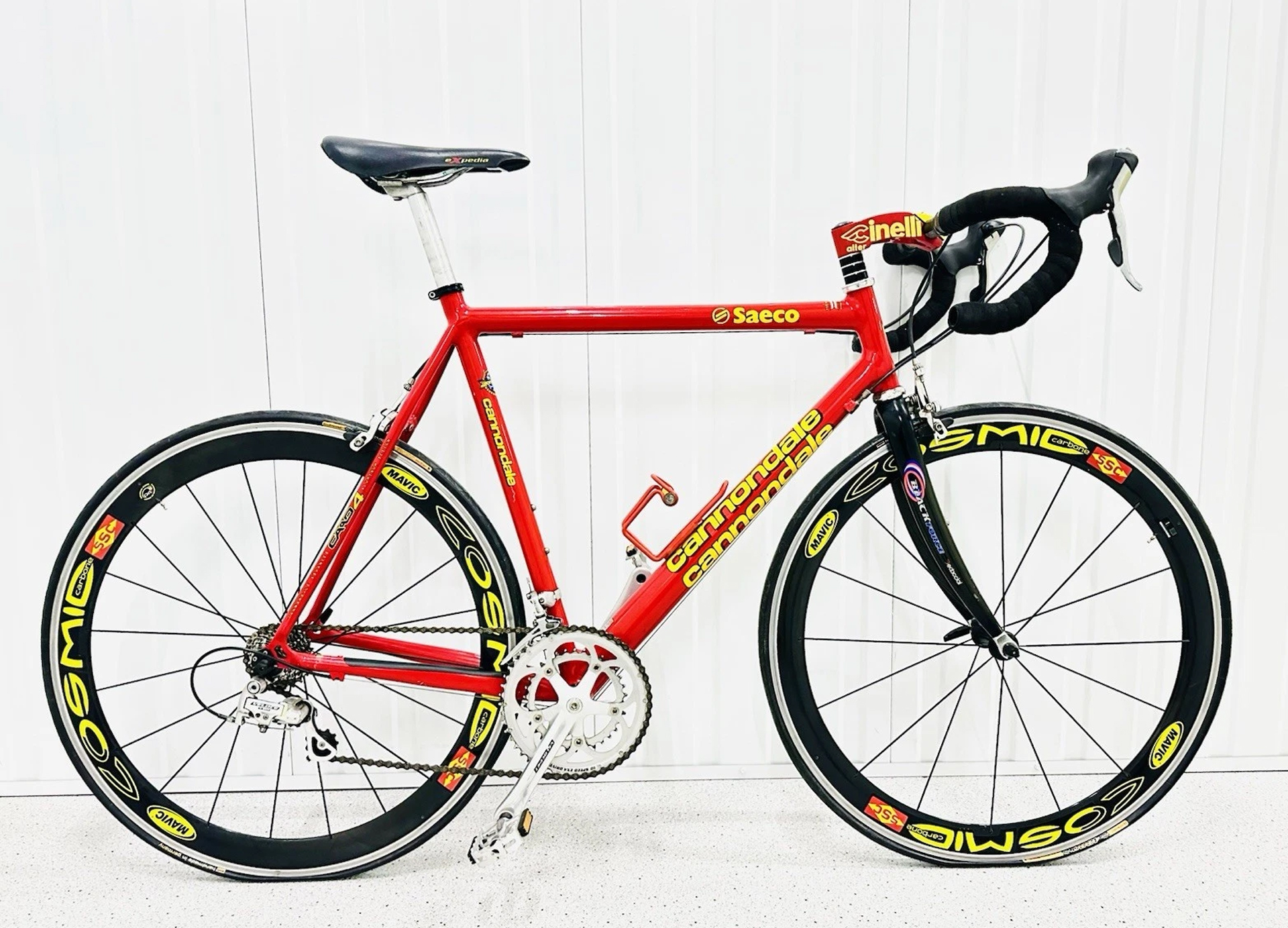
Cannondale CAAD
The Cannondale Advanced Aluminium Design or CAAD for short changed the aluminium road bike concept forever. Its lightweight, oversized tubes, welded with smooth techniques, proved a worthy alternative to the steel and carbon bikes of the nineties. Not only did the CAAD3 win races at the Tour de France and Giro d’Italia with sprinter Mario Cipollini, but it also paved the way for the SuperSix.
(Image credit: Cannondale)
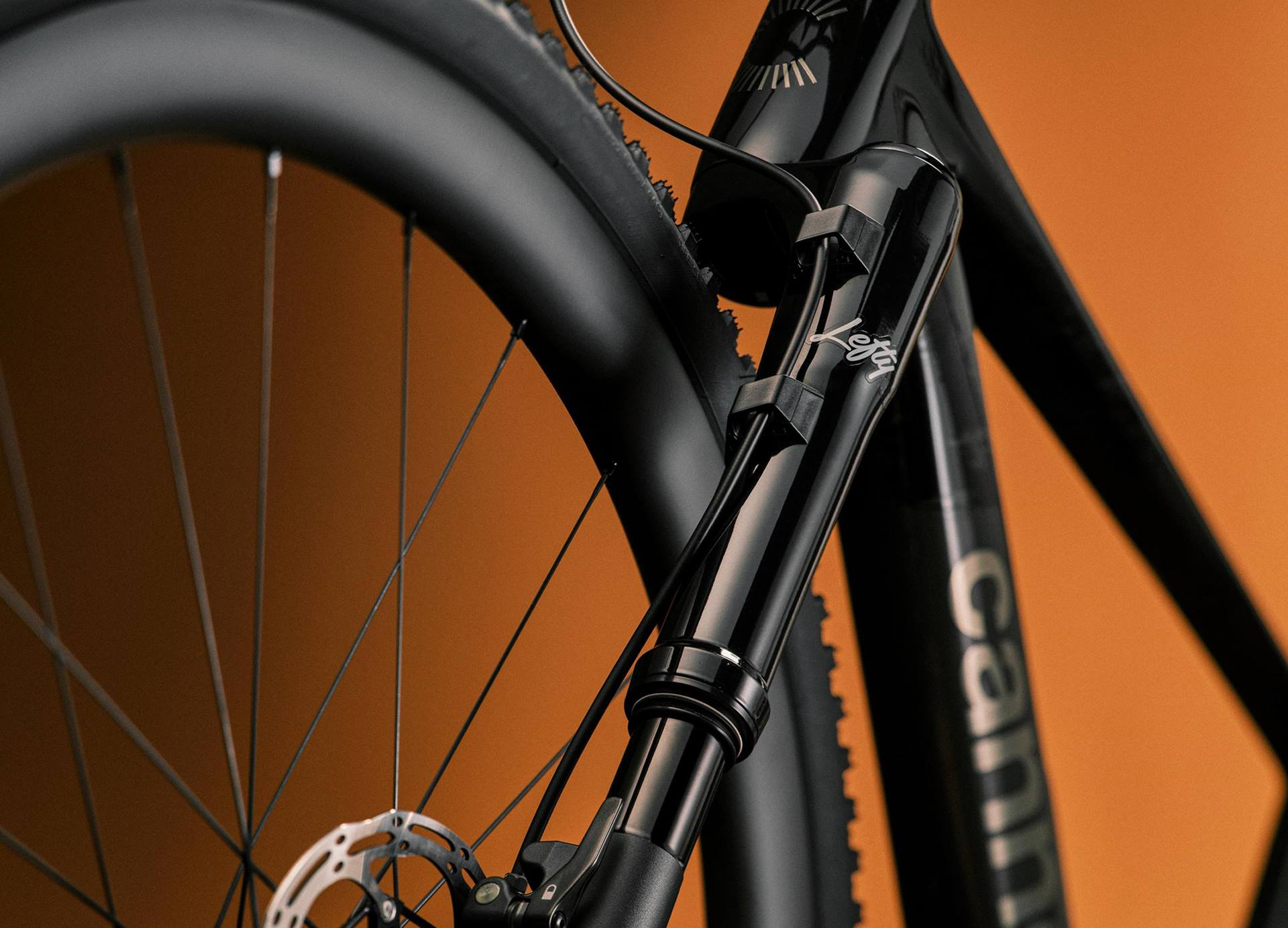
Cannondale Lefty fork
Unveiled in 2000, the single-sided Lefty fork is regarded as an evolution of the Delta V or Headshok. Its unique upside-down configuration and single-sided design improved rigidity, reduced weight and improved performance thanks to its needle bearings. The Lefty has since become a staple on many Cannondale off-road bikes, spanning cross-country, trail, mountain bike, and gravel genres.
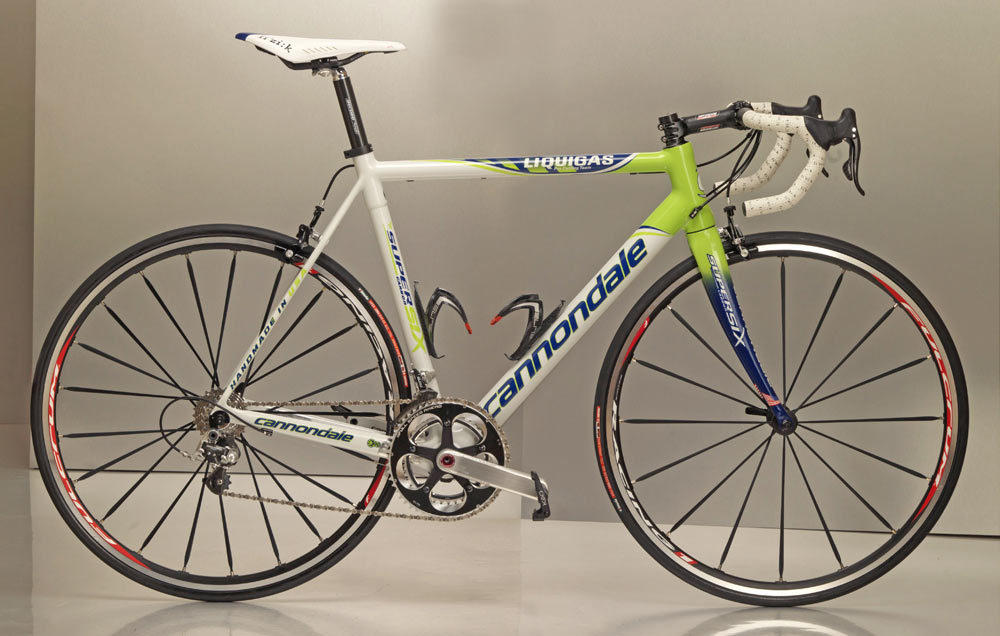
Cannondale SuperSix
The first SuperSix was launched in 2007, featuring a carbon-fibre frame engineered for stiffness and lightweight. By 2011, the SuperSix Evo was introduced – a second-generation model designed to accentuate its dynamic traits and marry them with an even better ride quality. In 2017, disc-brake actuation was added to the recipe before an entirely new model, the third-generation, was launched in 2019, focusing on aerodynamics and adopting the now de rigueur dropped seatstay arrangement. The current model, or fourth generation, has refined the recipe with slimmer tubes, a Delta Steerer, improved tyre clearance and a Lab71 edition with Series 0 carbon-fibre.
(Image credit: Cannondale)
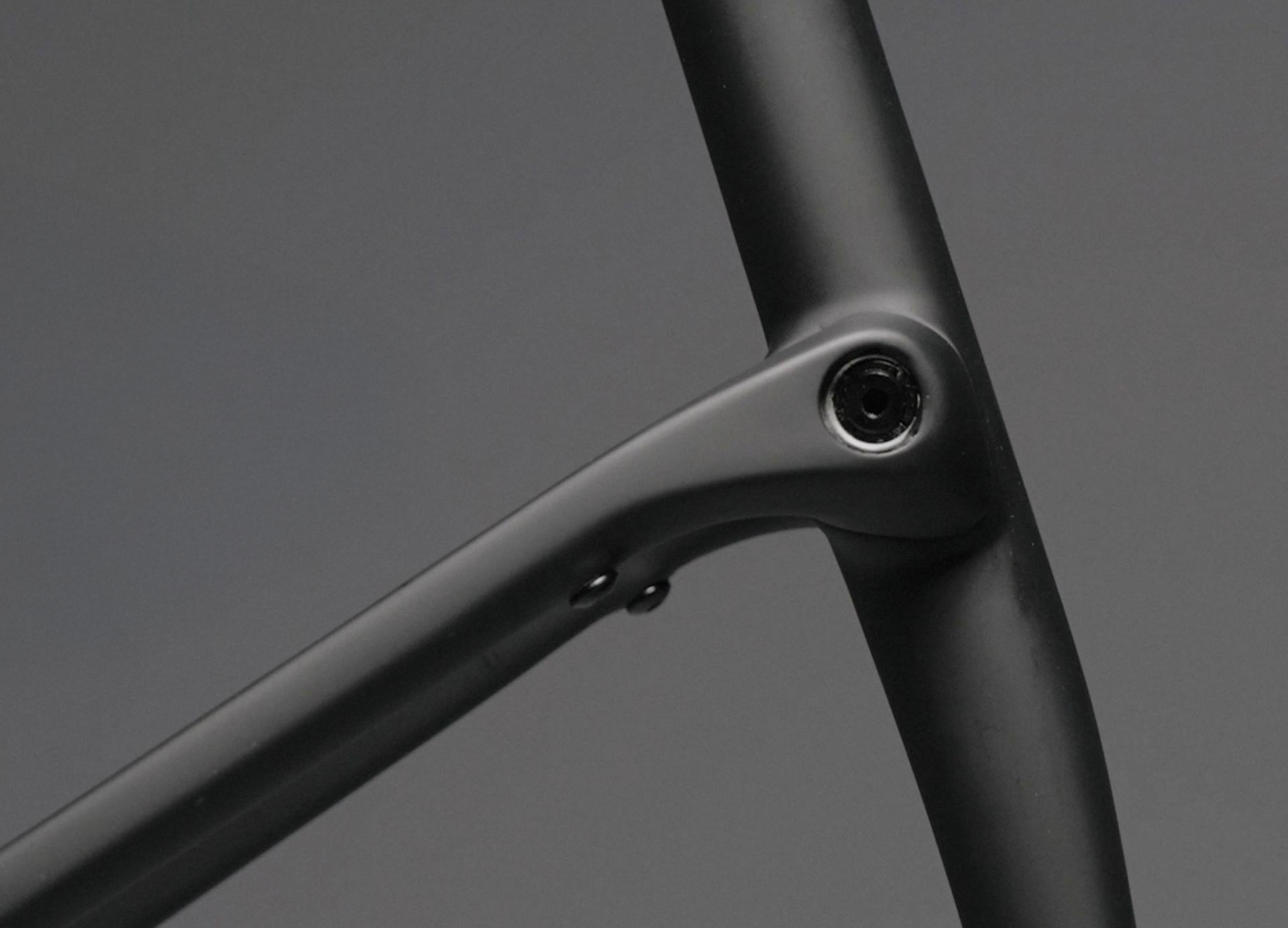
Kingpin suspension
In 2019, Cannondale introduced its Kingpin suspension technology, designed to provide the Topstone gravel riders with a maintenance-free system. Used together with a Lefty Oliver fork upfront (2020 onwards), Kingpin suspension uses a thru-axle pivot in the seat tube, which supplies up to 30mm of travel at the saddle – in what can best be described as a leaf spring system.
(Image credit: Unknown)
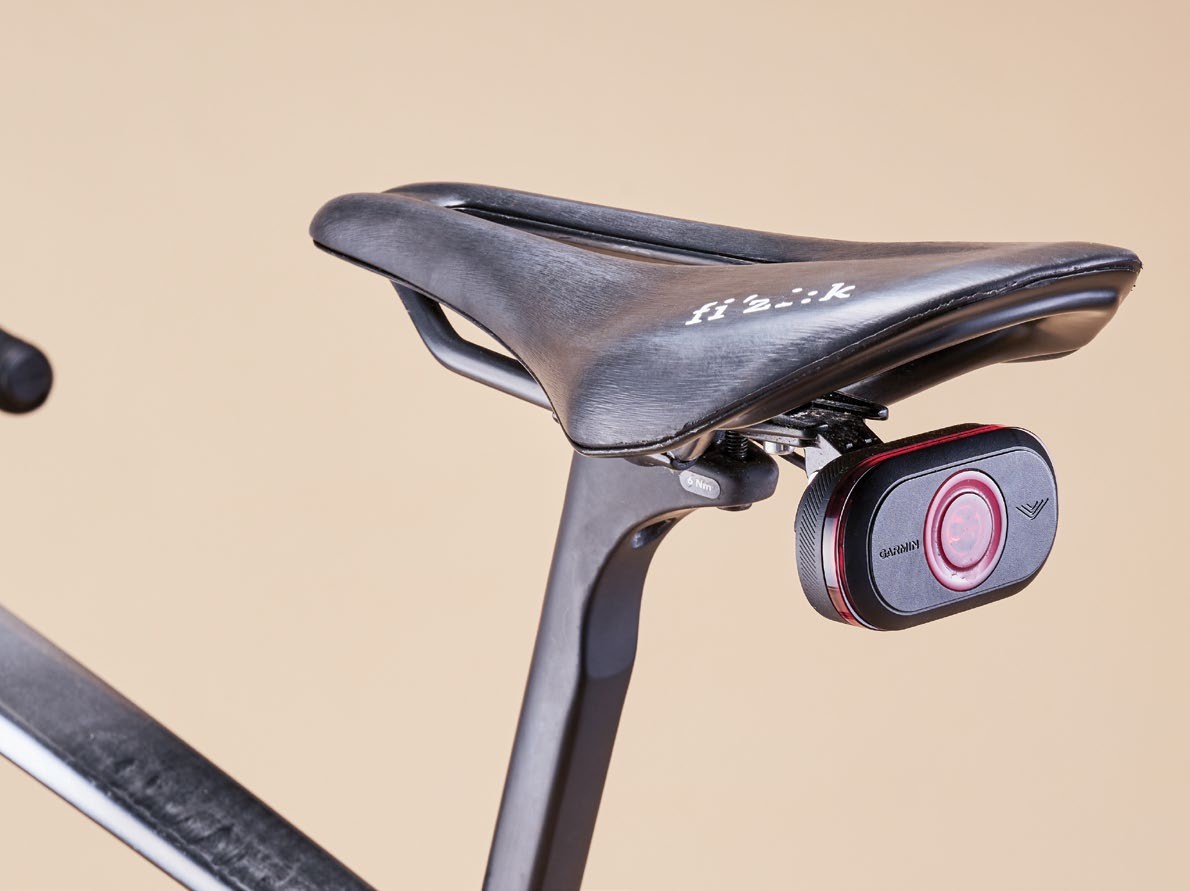
SmartSense lights
Always the innovators, Cannondale launched its SmartSense concept in 2022 on the Synapse to simplify the rider experience with a focus on all-out safety by powering all components from a single, centralised battery. Components included a Garmin Varia rear-facing radar and front and rear lights, designed in collaboration with Lezyne. For 2025 and the launch of an all-new Synspase platform, SmartSense 2.0 aimed to improve performance with smaller, more powerful lights and a single, concealed battery inside the downtube (able to power SRAM AXS wireless electronic shifting directly).
(Image credit: Cannondale)
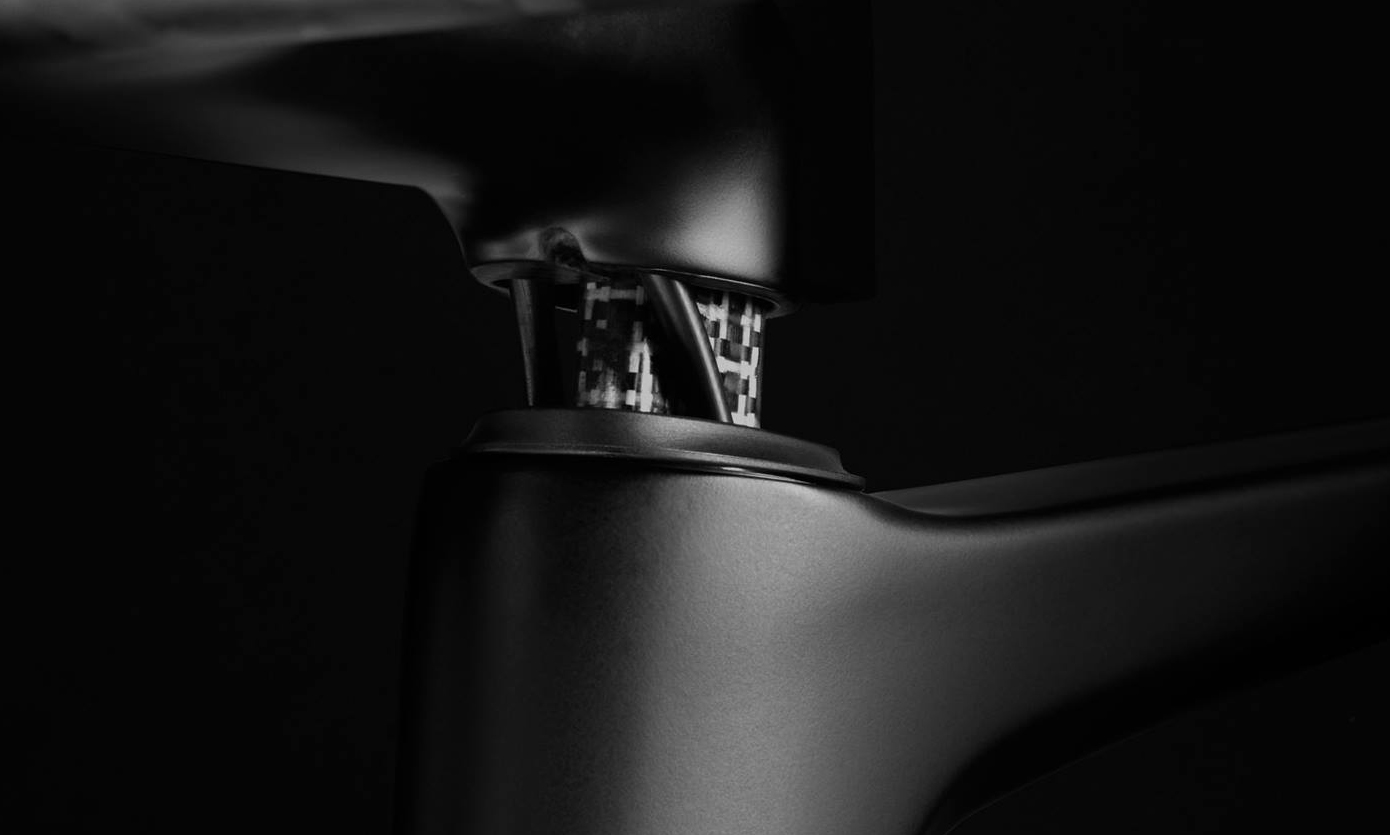
Delta Steerer
First seen on the fourth-generation Cannondale SuperSix Evo, the Delta Steerer is a triangular shaped tube that allows cabling to be integrated without widening the head tube, but crucially also avoiding steerer rub which can damage surfaces and comprise carbon integrity around the front end. It was later introduced to other models in the range including the new Synapse and Super X.