
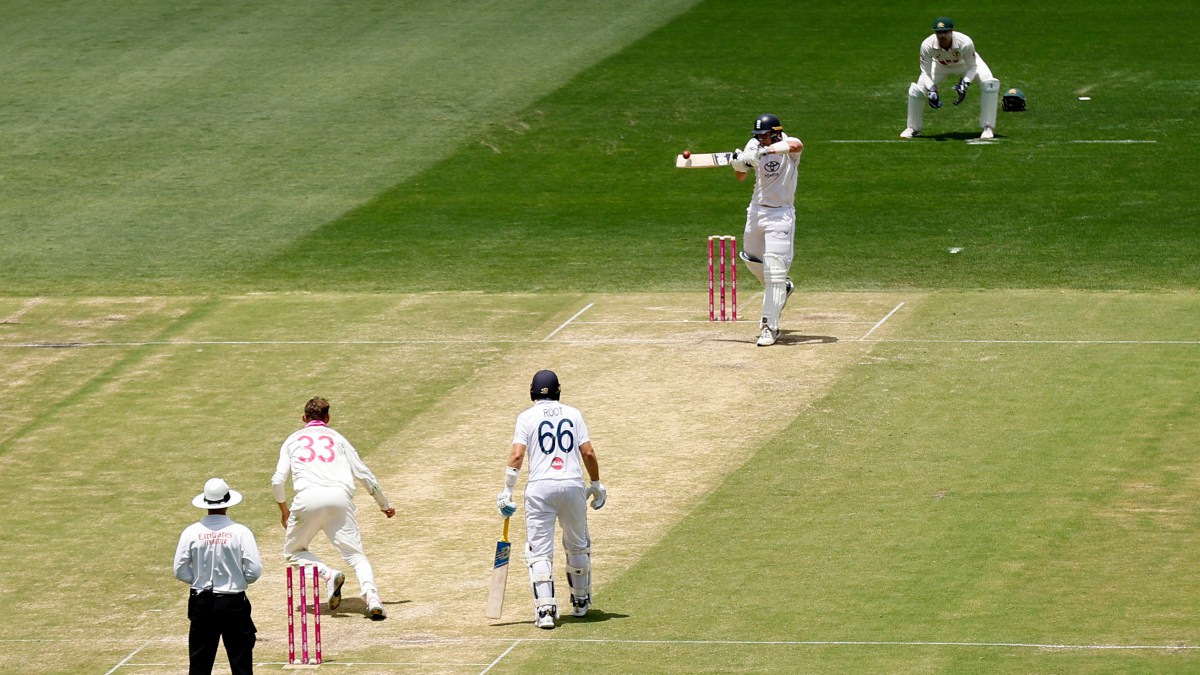
Congratulations then to Jamie Smith for what was widely and instantaneously accepted to be the worst shot of an Ashes series chock full of “gosh-did-I-really-do-that?” shockers. With a few notable exceptions, among them two masterly centuries from Joe Root, the art of classical Test-match batting has been traduced by the English visiting team here, as well as by some of the hosts.
Smith is not alone but his case is an interesting one. His whole innings was pretty awful. He should have been out on 22 driving uppishly to cover, only to be reprieved by Cameron Green overstepping. To his next ball, Smith edged between wicketkeeper and slip, neither of whom moved. “Get your head down and make them pay,” is what every old-school player would have been saying. Not Smith.
Smith, 25, bumped up a nation’s blood pressure during the Adelaide Test when, having struck his previous four balls for four to reach 60 and look entirely comfortable, he gave away his wicket with a casual heave into the leg side. That prompted Ricky Ponting to give him the treatment on commentary: “Dopey, dopey, dopey.”
Smith got away relatively lightly that time, largely because it was the day England lost the Ashes and no one really thought that, had he not got out when he did, it would have been enough to overturn an 85-run margin of defeat.
This time, he was not so lucky. His own body of errant work is starting to count against him. Media pundits everywhere are now on “Smith Watch”. They know he cannot resist chasing a short ball and that he will still go for it even when the field is set for the shot.
He also has a habit of getting out straight after hitting a boundary and then attempting a repeat; this happened twice in last summer’s series against India while at Leeds he was caught in the deep off the fifth successive short ball Prasidh Krishna bowled to him, two of which he hit for boundaries.
Please enable cookies and other technologies to view this content. You can update your cookies preferences any time using privacy manager.
Enable cookiesAllow cookies once
This afternoon in Sydney was a different kind of madness though: it was the 75th over, so the second new ball was on the horizon and the lunch break only ten minutes away. Cricketing logic, if not Bazball logic, said play the long game.
Marnus Labuschagne, most of whose previous 13 Test wickets were taken with spin, was thrown the ball and asked to bang it in to a short-ball field. Smith took a single off the first ball but was back on strike for the fourth, which was so short it was called wide. The next one was within range: Smith stepped back and slapped it straight into the hands of deep cover.
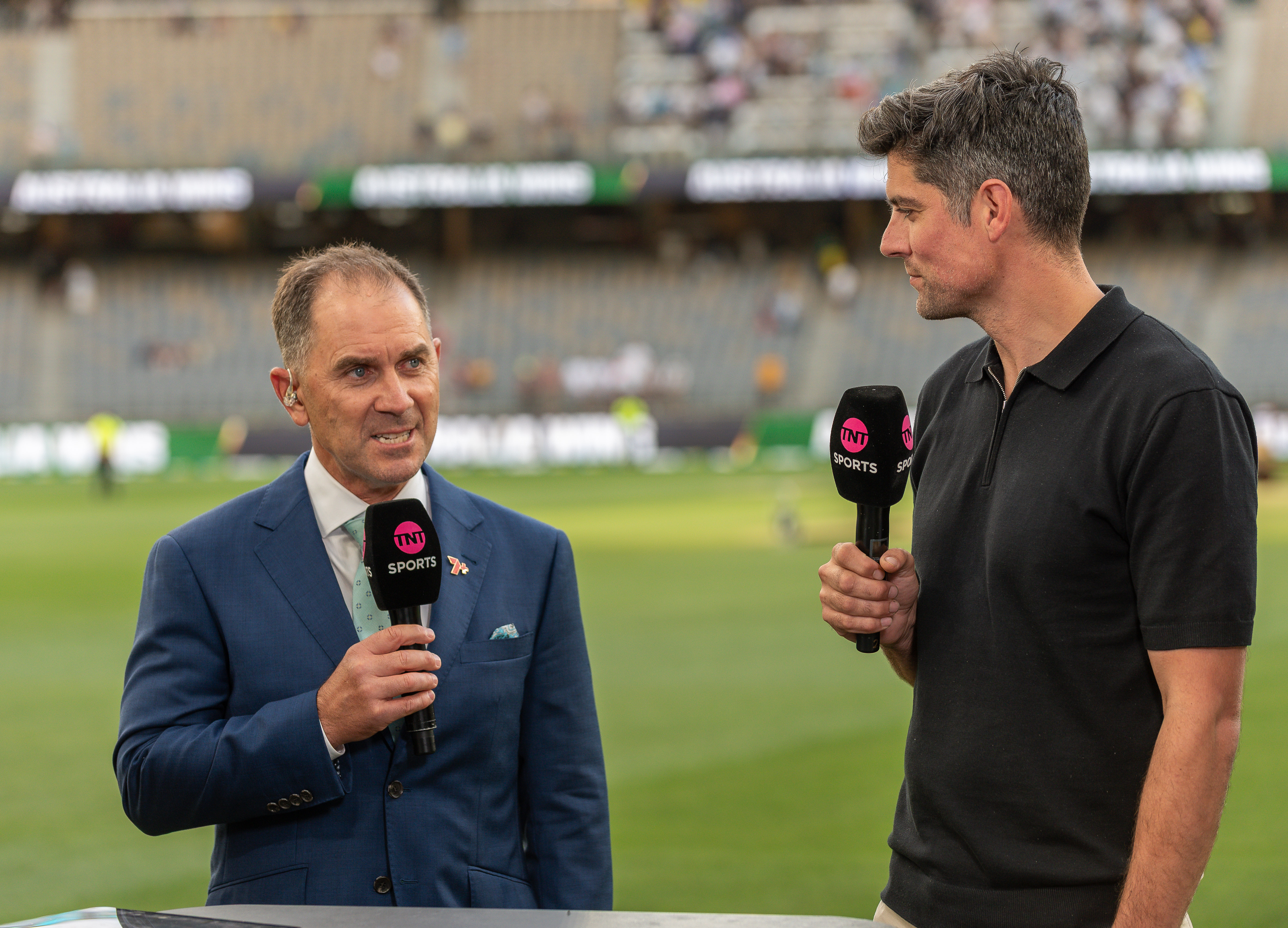
Langer and Sir Alastair Cook were both scathing of Smith’s shot
JOHAN SCHMIDT/SHUTTERSTOCK
This time it was Justin Langer behind the microphone who piled in: “Not for the first time this series, Jamie Smith has played one of the dumbest shots you’ll ever see in Test cricket.” When it arrived, the second new ball did not make immediate inroads, but in the end it accounted for the last four wickets for nine runs. Smith gave the opposition an opportunity and they took it.
The Australians find the excesses of Bazball particularly offensive because in their cricket there are very much consequences if you fail, or if you get out in a bad way. “No-consequences cricket” simply makes no sense to them.
Langer’s generation were made to wait for their opportunities and some spent a long time in the wilderness. Damien Martyn, who has been unwell and who has everyone’s good wishes, was one of the more extreme examples when he was dropped for a bad shot in defeat by South Africa at the SCG in 1994. He had to wait six years for a recall.
It was this strictness of approach that played a big part in building one of the most successful sports teams in history. Australian cricketers were taught to take their chance, to never give it away.
Not that long ago, England teams were similarly intolerant of anyone getting out carelessly: Kevin Pietersen’s Test career effectively came to an end for this very reason on the 2013-14 Ashes tour. As a defence, “This is the way I play” did not cut it with Andy Flower or the batting coach, Graham Gooch, when Pietersen hit into the wind in Perth and was caught in the deep.
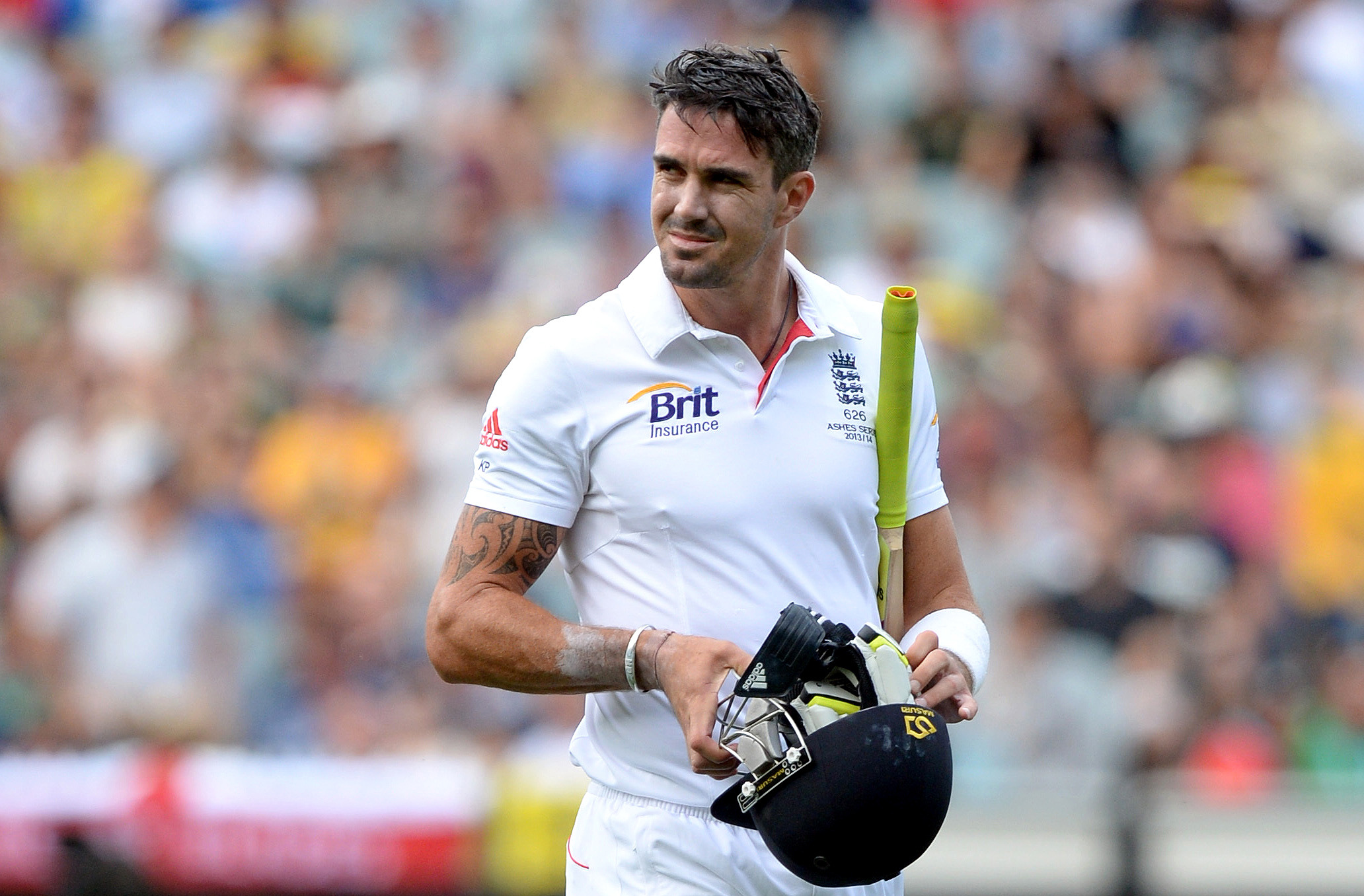
Pietersen was regularly criticised for the way he got out and was dropped after the 2013-14 series
ANTHONY DEVLIN/PA
What was the response when Smith returned to the dressing room, one wonders? Simon Katich, another former Australia player, thought he knew: “He’ll go in the dressing room now and probably get pats on the back for taking the game on.”
Root publicly defended the way Smith got out after play, but England always defend players in public. But one wonders about Smith. Last week, he was dropped from the white-ball squads for Sri Lanka and the T20 World Cup and it had nothing to do with him being rested.
While Zak Crawley and Josh Tongue were promoted to those squads on the back of their performances during this Ashes tour, Smith’s fortunes have gone in the other direction. Does that mean there is something about him that this management group does not like?
Is this part of the “evolution” that Rob Key, England’s managing director, said he and Brendon McCullum, the head coach, must embrace if they are to stay in charge? Perhaps they think they can live with one batsman occasionally getting out in irresponsible ways in Harry Brook, but not two. With Ben Stokes now batting with all the joy of a Trappist monk, maybe change is in the air.
Whatever happens over the next few days, this is likely to be Smith’s last match for England until June. With no IPL deal, he can play championship cricket for Surrey, listen to some different voices and practise his glove work — in the nets if not out in the middle, as Ben Foakes remains Surrey first choice.