
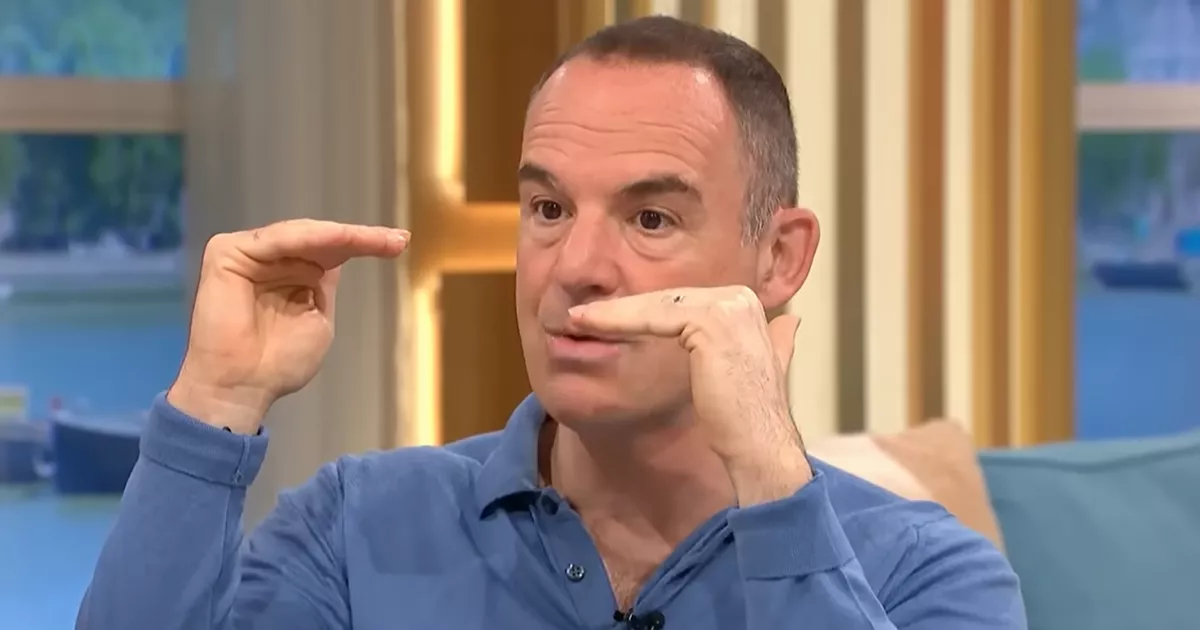
Personal finance expert issued advice on savings and explained the protections on offer for banks – and when people pay tax
10:06, 05 Jan 2026Updated 13:20, 05 Jan 2026
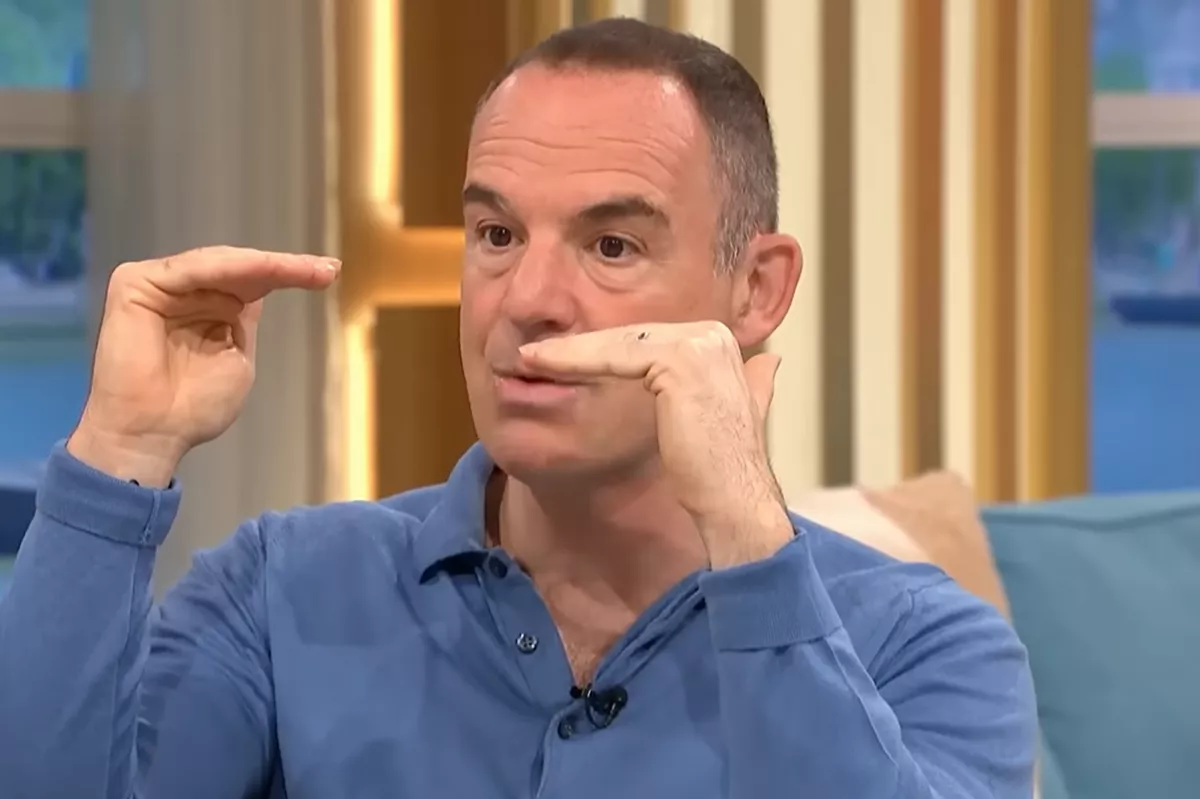 Martin Lewis has explained what people should do with their savings to avoid disaster(Image: ITV)
Martin Lewis has issued a warning to savers about the ‘£1,000 rule’. The personal finance expert discussed this during an episode of his BBC Podcast released this month.
A listener queried him about savings and what they should do with them, amid fears that money could be lost in tax. Martin Lewis has frequently addressed the issue of savings tax, emphasising that any tax is levied on savings interest rather than the lump sum, and he discussed the potential risks of this changing.
During the podcast, a listener named Luke asked: “I’m seriously thinking about putting any extra cash under my mattress because I fear it will be taken or taxed if I do anything else. Am I being too cynical?” In response, Martin reassured him that his actual money isn’t at risk: “I never think anyone is being too cynical but I think we have to temper our cynicism with practicality. I presume you’re not talking about money that you’ve earned and you have to pay income tax on. This is money that you already have.”
He added: “If you put money in savings, for example, your savings are not taxed. It is the interest you earn, the extra money that savings generates you that are taxed. So you’re not going to lose money from tax on savings.”
He concluded by saying: “You’ll just lose some of the interest.” On the subject of tax, Mr Lewis explained it operates identically if the money is invested, for instance in stocks and shares: “The same is true if you invest it – it’s the capital gains tax – the amount you pay on the profits. You might also pay income tax on the dividends as well.
“But it’s on what you make – it’s not on the amount that you have.” He considered it unlikely that the government would shift to taxing people’s lump sums: “You might be saying are they going to change that? Well I think that would be absolutely radical, virtually unthinkable and probably getting close to riot in the streets territory.”
Martin’s primary advice centred on alternative options for managing your money – including ‘putting it under the mattress’ – and he highlighted a crucial £1,000 rule which made it a ‘no brainer’. He explained: “So I think probably not. Let’s just do a practical comparison. If you put money in a UK regulated savings institute, so pretty much all the bank accounts and everything I ever talk about, then you are protected up to £120,000 per person per financial institution.
For the latest money saving tips, shopping and consumer news, go to the new Everything Money website
“If you put money under your mattress and someone breaks in and steals the money even the best home insurance police only covers you for £1,000 worth of cash. Also you’re having to pay for the insurance policy to cover you for £1,000 of cash.
“Whereas money in a bank or financial institution that is paying you interest you are being paid effectively for putting your money there and you get the protection on top.
“So if we’re just talking really sensibly on a like for like comparison between keeping money under your mattress and putting it in a savings account it is an absolute no brainer – put it in a savings account.”
To listen to the podcast, click here.