
Liz Brown says she wants their deaths to ‘mean something’
08:08, 07 Jan 2026Updated 10:06, 07 Jan 2026
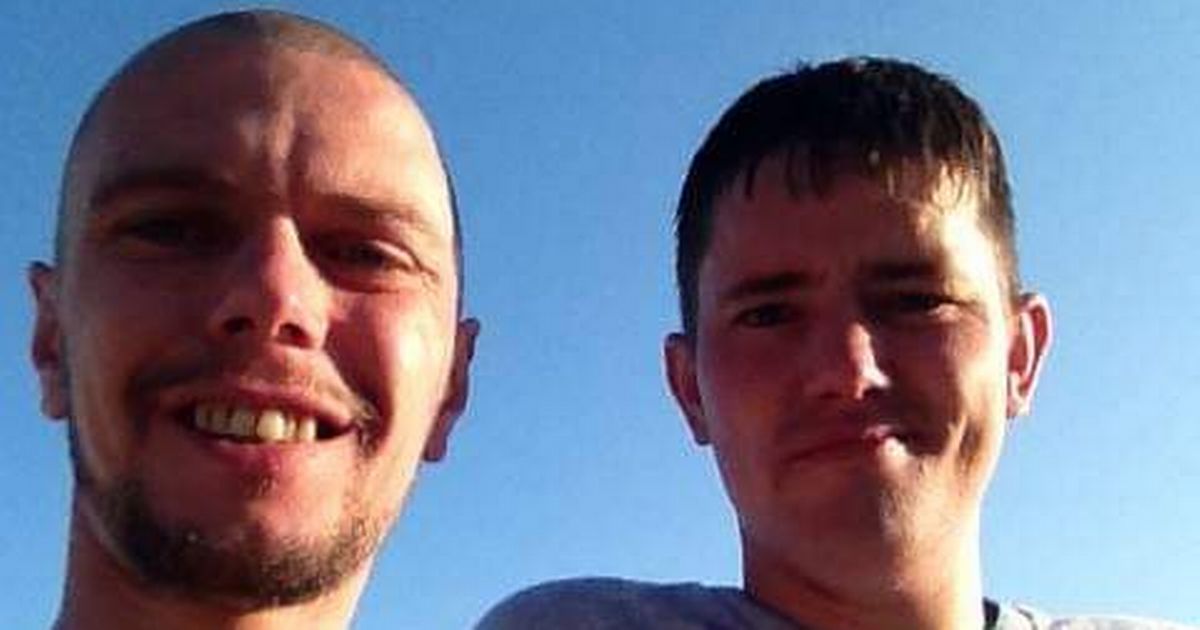
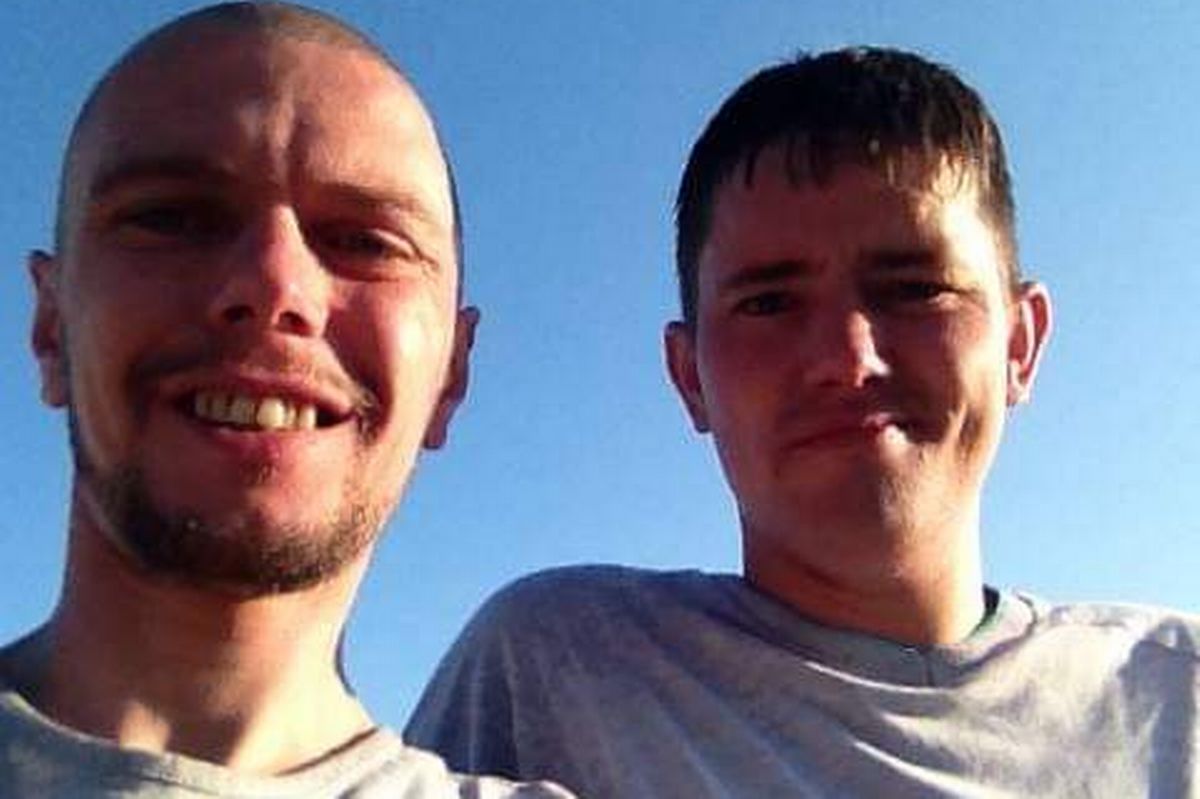 Lee (left) and Karl enjoying the sun in August 2021 (Cover Images)
When Liz Brown opened her door on December 23, 2024, she thought the police officer standing there had come to arrest her son. Lee had struggled with heroin addiction and she assumed he was in trouble. Nothing could have prepared her for what happened next.
“The police officer said, ‘Something very unfortunate has happened to Lee.’ I just thought he’d been taken into custody,” says Liz, 61, from Plymouth. “But then he told me. My son had died.” Lee, 42, had overdosed alone in his room and the news left his mother reeling in shock. She had lost her son Karl two years earlier after a long struggle with addiction, and the grief was overwhelming.
“I couldn’t believe it,” she says. “Lee had just been through a full rehab programme. He really wanted to get his life back. He had a lovely girlfriend. He was doing so well. He’d come out of rehab and been put in a dry house. His girlfriend would visit from Exeter. But when she left, he’d meet people he knew in town and get pulled back in to using.
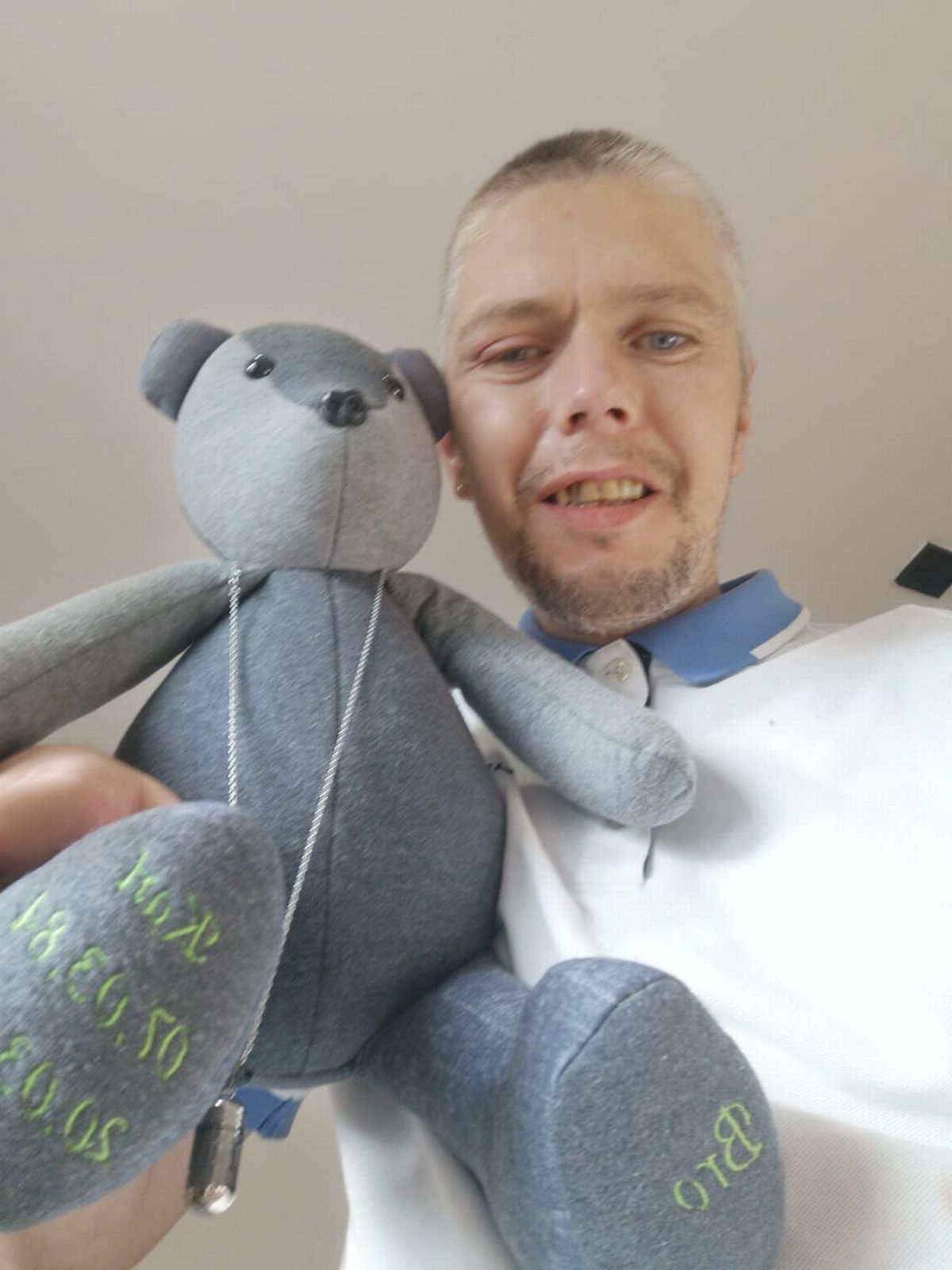 Lee with his memory bear for Karl in March 2023 (Cover Images)
“That Saturday, a policeman brought him to my door at three in the morning. He’d lost his keys. I knew he’d taken something, not a lot, but I told him off, told him to sleep. I went through his bag – which I never did – and found some tablets. I took them out.”
The next morning, Lee asked for the pills back. “I told him, ‘They’re gone.’ He said, ‘I want them.’ I said, ‘You either stay here or take them and leave.’ He took them and went.”
Liz spoke to him later that day. “He said he’d got into his room, that he didn’t feel like coming out. He’d play his PlayStation and maybe come over on Christmas Eve. I tried ringing him that night. No answer. I thought he’d fallen asleep.” When she tried again the next day, she still got no reply. “Me and my daughter had to do the Christmas food shopping. We got back and ten minutes later there was a policeman at the door.”
Lee had died alone. “The official cause was overdose,” Liz says quietly. Her son had battled addiction for most of his life. He’d got clean before and held down a job for almost a decade. He worked as a waiter, a chef, and in a shop. I was so proud of him,” Liz says, adding that a brush with the law led to him losing his job.
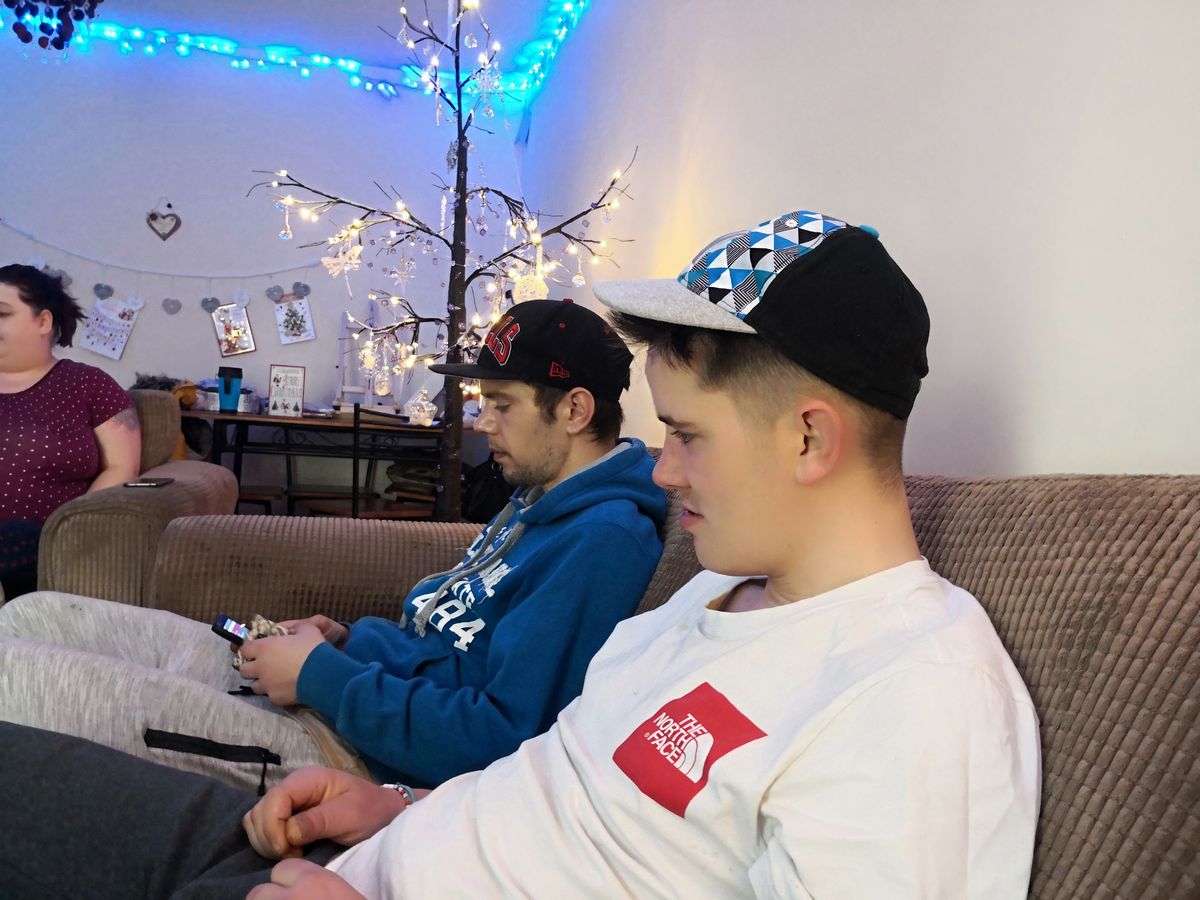 Lee and Karl Christmas Day with family in 2018 (Cover Images)
“After that, he went back to using. He got into trouble, but he was kind. He looked after people.”
Lee’s younger brother Karl also struggled. “Karl was a prankster,” Liz says. “He was funny. Everyone knew him. He was in the Salvation Army hostel for five years and really wanted to change.” Karl died in March 2022, aged 40. “He’d gone into detox, but it was too hard for him. He left early. He was supposed to have a phone call about going back. Then I saw some of his friends saying he was heading back. I thought – great. Half an hour later, there was a knock at the door.”
Karl had been found dead near the Salvation Army hostel. Liz had to go and tell Lee. “Lee was in a mess. He said Karl was meant to come and see him. I had to tell him that his brother was gone.” The cause of death was a heart damaged by drug use. Every day, 18 people in the UK die from drugs – 88 per cent more than just a decade ago, according to the Salvation Army.
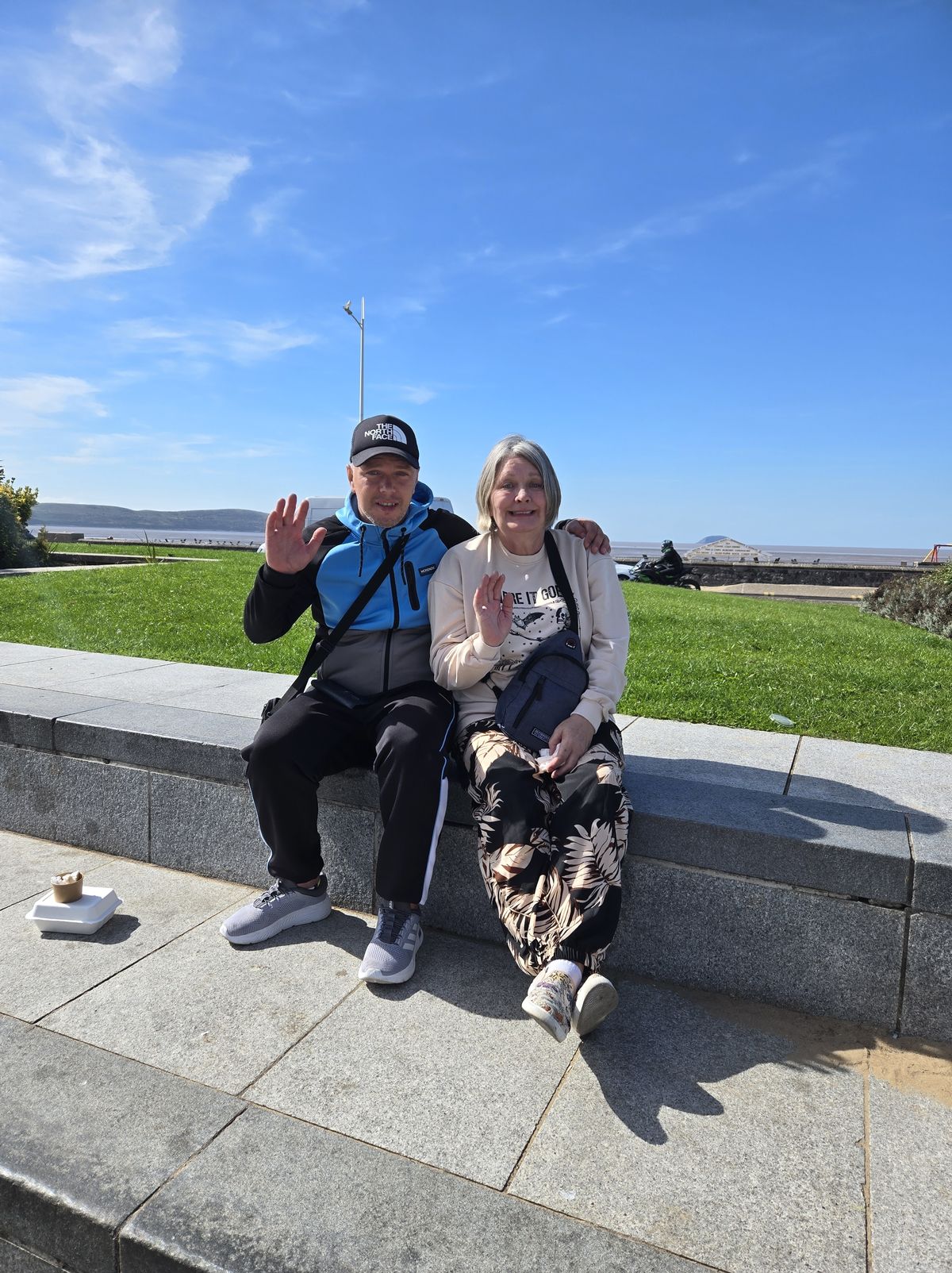 Visiting Lee in rehab for the day September 2024 (Cover Images)
Since Karl’s death, every Christmas Eve Liz visits the spot where he died along with her two daughters Kerri, 39 and Daisy, 25. They bring flowers and write cards. Last Christmas, after hearing the news about Lee, she left the house aimlessly. She walked to the Salvation Army nearby, who had given Karl so much support.
“I couldn’t sleep. I just needed air. I was walking, didn’t know where I was going. Then I saw a man lying in the street, lying on his front. People were walking past him.”
She ran to help and discovered that he was breathing – but barely. “I had naloxone in my bag, a medicine that rapidly reverses an opioid overdose. The boys had told me about it, and the Salvation Army had trained me in case I ever needed it. I gave him an injection in his backside.”
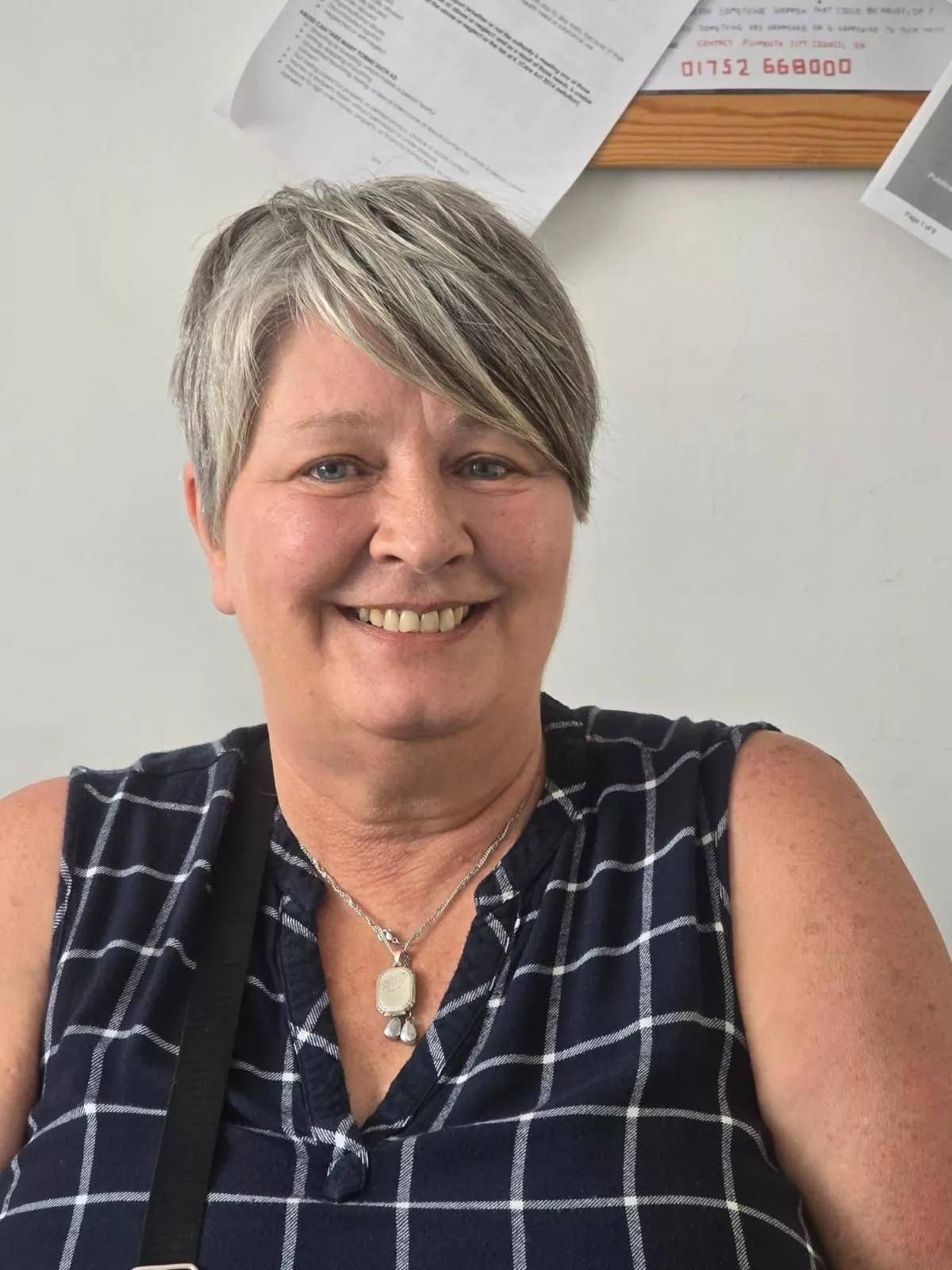 Liz Brown (Cover Images)
The drug saved his life. Paramedics came, gathered him up and took him to hospital where he made a full recovery. After they left, Liz saw all the paraphernalia on the floor, so she gathered it up automatically in a plastic bag and took it into the Salvation Army.
“One of the workers saw me, gave me a hug, and I just broke down,” she says. “I always think, if only someone had been there to give my boys naloxone. But there wasn’t.”
She now carries it with her every day in her handbag, just in case. Christmas 2024 was meant to be the first in Kerri’s new flat. “There were presents laid out. Lee loved Christmas. It was the one day we all got together. So we tried to have it. But it was very muted.”
In 2025, Liz volunteered at the Salvation Army with the aim of giving back to some of the help she has had. She visited 10 Downing Street to hand in a petition on behalf of the church and charity, calling on the Government to recognise drug abuse as a national health emergency.
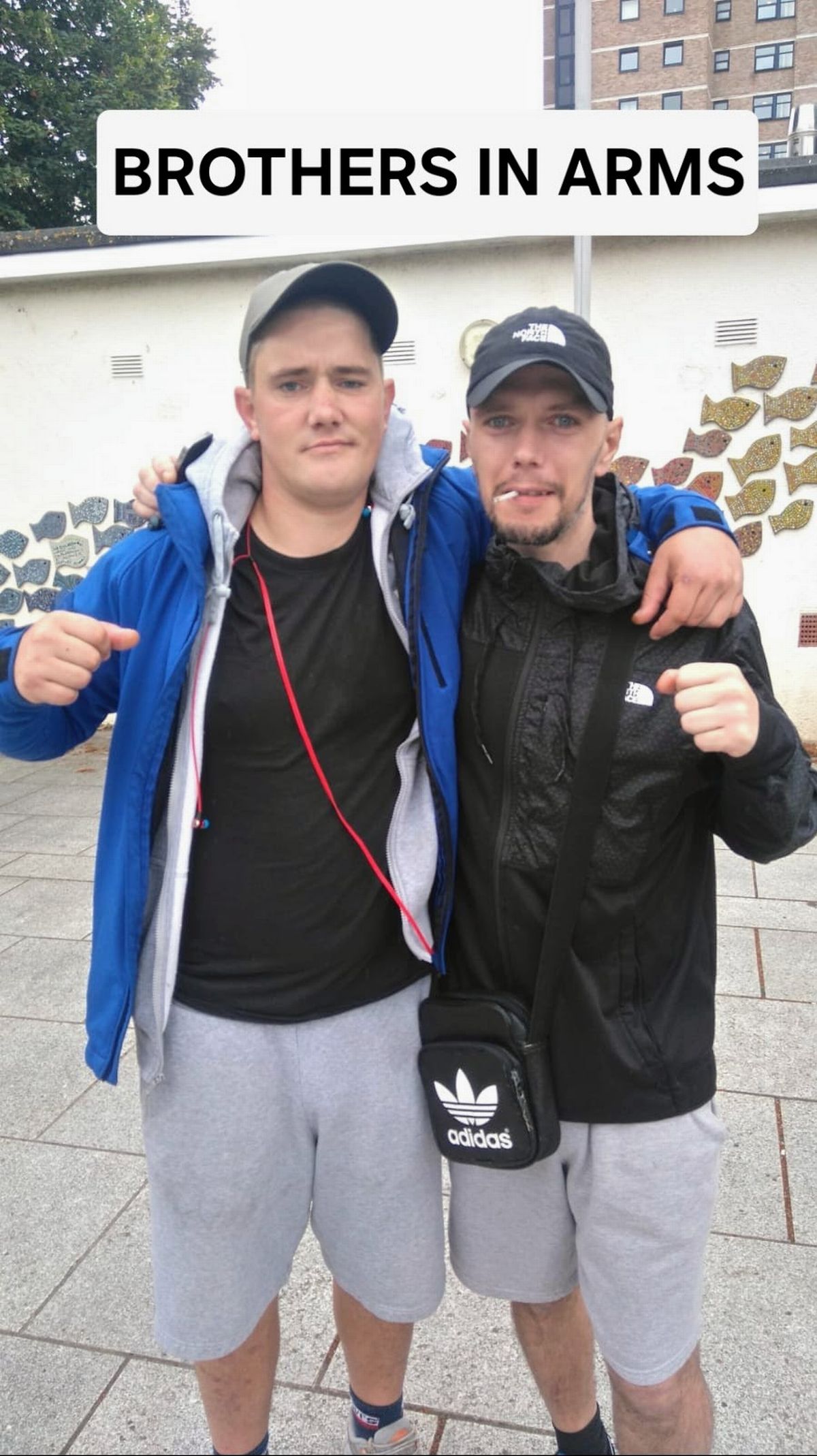 Karl (left) and Lee out for a walk in July 2020 (Cover Images)
She wants her sons’ stories to mean something. “They were good men. They cared more for others than themselves. They made mistakes and they struggled with addiction. I want people to understand what addiction really looks like. These people on the streets – they don’t need judgment. They need help.
“No one should ever have to bury a child, to lose two is unthinkable. I don’t want anyone else to go through what I went through, and that’s why I would encourage more people to get to understand Naloxone and get trained up in it, so that we can save lives.”
When asked how she finds the strength in her extraordinary grief, Liz said: “I don’t know,” she says. “I just keep going.”
To sign the petition, go to: https://www.salvationarmy.org.uk/addiction-support