
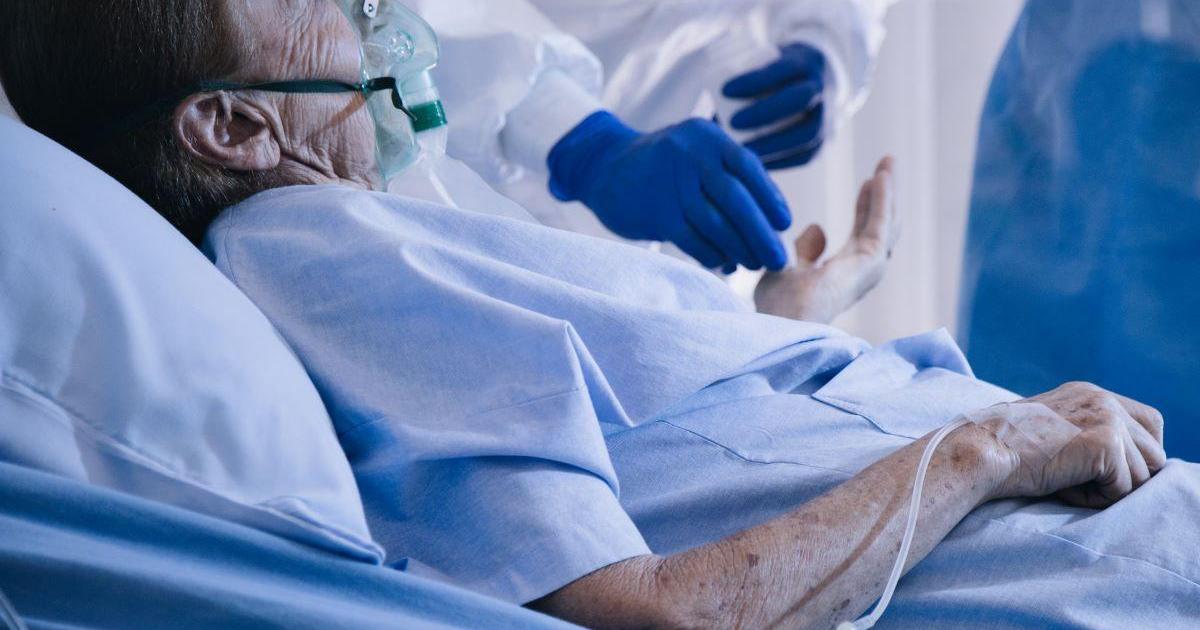
Hospital admissions have increased due to a rise in flu and norovirus cases over the past few weeks, Mater Dei Hospital has confirmed.
Officials told Times of Malta there has been an increase in cases compared to the same period last year, particularly due to the early start of the flu season.
“More people are experiencing flu-like symptoms earlier in the season, which is also reflected in increased hospital admissions,” it said.
Mater Dei said there has also been an increase in cases of gastric illness, primarily due to norovirus, which is a common cause of viral gastroenteritis.
A family doctor told Times of Malta he had noted an increase in patients suffering from influenza. Three of his patients developed pneumonia and two were hospitalised.
A shift in virus strains, reduced population immunity, increased indoor gatherings during cooler weather, or insufficient vaccination coverage were all cited by the hospital as potential factors behind the increase.
The hospital strongly urged people to take the influenza vaccine, especially vulnerable groups like the elderly, people with chronic illnesses and healthcare workers.
People have also been urged to practise regular hand hygiene, cover coughs and sneezes with a tissue or elbow, stay home if sick to prevent spreading the virus and clean and disinfect frequently touched surfaces.
A rise in influenza cases and an early start to the flu season have been reported across Europe. The spike is being driven by a newly emerged influenza strain, A(H3N2) subclade K, according to the European Centre for Disease Prevention and Control.
Speaking to Times of Malta, a public health expert, who wished to remain anonymous, confirmed that many of the patients who have contracted influenza in Malta have this strain.
The influenza vaccine covers this strain, so anyone who took the vaccine and contracts this strain will be protected from suffering complications, the expert added.
The expert pointed out that, while the number of influenza cases has increased, they are experiencing low vaccination levels – lower than the previous year.
Public health authorities aim to vaccinate around 70 to 80 per cent of the population every year but, this time, vaccination levels were “much lower”, the official said.
RELATED STORIES
They attributed the decline in vaccinations to the bad reputation vaccines received during the COVID-19 pandemic.
“Vaccines had received a lot of backlash. Now, they are all being grouped together and people are suffering as a result.”
Last month, Superintendent of Public Health Charmaine Gauci said that keeping vaccination rates high is essential to save lives.