

His mum said she witnessed ‘really obvious’ hygiene flaws, such as nurses with dog hair in their tights and using their phones as calculators
18:50, 07 Jan 2026Updated 11:52, 08 Jan 2026
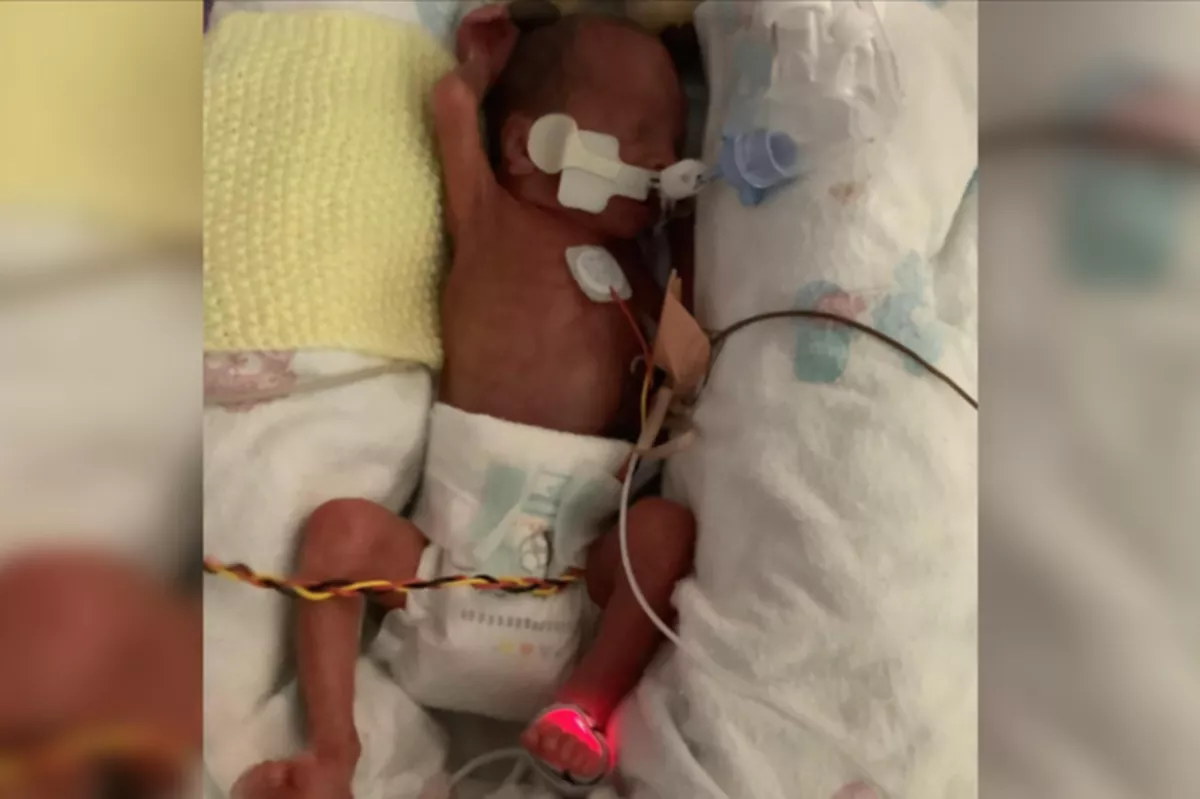 Rory Caulton, pictured here before his death, was just 18 days old when he died at Nottingham City Hospital(Image: Supplied)
A premature baby died from an infection at a Nottingham hospital ward weeks after its response to an outbreak, which affected four other babies, had been officially closed, an inquest has heard.
Rory Caulton, who was born at 25 weeks, died at Nottingham City Hospital’s neonatal unit on September 8, 2024, after contracting pseudomonas aeruginosa.
The ward had seen an upsurge of the same bacterial infection between May and July, before the outbreak response was officially closed on August 25.
Infection control experts at Nottingham University Hospitals (NUH) said the infection contracted by Rory was separate to the original outbreak, but could not say where he caught it.
However, his mother Nicola strongly criticised the hygiene practices she witnessed across the ward following his transfer from King’s Mill Hospital on August 23.
On Wednesday, January 7, she told Nottingham Coroner’s Court she witnessed “really obvious flaws”, including nurses with dog hair in their tights, using their phones as calculators and doctors wearing their watches while reaching into incubators.
“It might not be how pseudomonas is spread but it might be,” she said.
“I think there are so many systematic things that can be changed. I’m disappointed and angry.
“This was a life-changing event. Why did someone with common sense not identify what I identified?
“It’s all well and good saying we do audits but it’s really frustrating to sit here and know that if you’re not following common sense, how can we be sure you’re following guidance?”
Rory was born weighing just 840g at King’s Mill Hospital, in Sutton-in-Ashfield, just before 6pm on August 22, 2024.
While tests were satisfactory for a pre-term baby, Rory was transferred to the neonatal unit at City Hospital the next morning, the inquest heard.
He presented as a “fairly typical” premature baby, with “many of the complications you would expect of such a baby”, consultant neonatologist Dr Dulip Jayasinghe said in his evidence.
The baby was extubated – where the breathing tube is removed – and reintubated several times over the next two weeks, with a BiPAP breathing mask causing skin damage behind his ears and between his nostrils.
On September 7, Rory’s condition began to rapidly deteriorate, leading to his death the next day.
Tests found the baby had contracted pseudomonas aeruginosa, which had caused necrotising pneumonia.
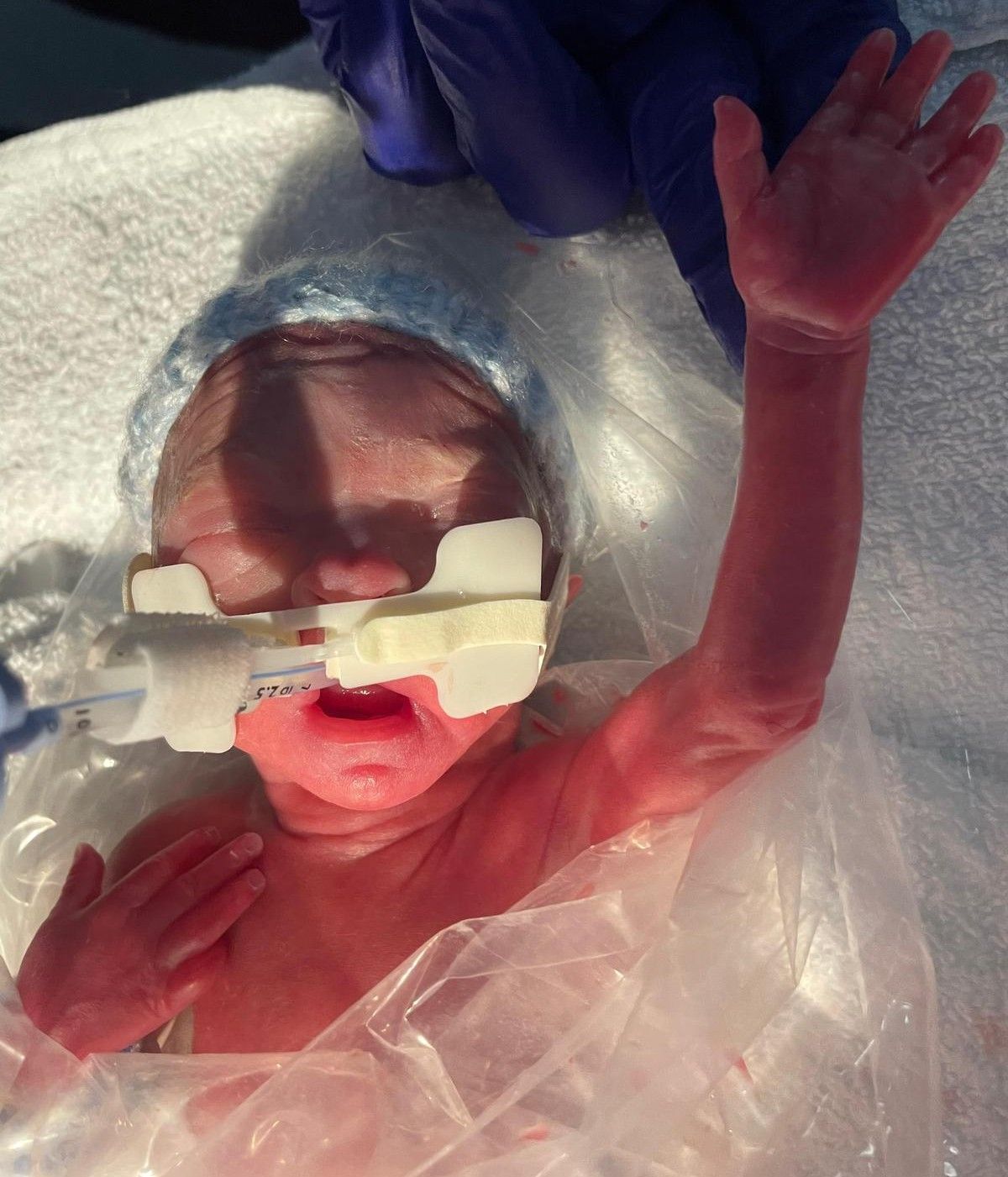 An inquest is taking place into Rory’s death. He is pictured here while still alive(Image: Supplied)
Rory’s parents said they were shocked to see “gaping holes behind each ear”, a “hole between his nostrils” and bruising between the eyes, assistant coroner Dr Elizabeth Didcock told the inquest.
They argued these wounds would be “obvious entry points for infection”.
Dr Jayasinghe said it was unlikely the infection was contracted through Rory’s damaged skin, telling the coroner photographs of the baby were “very different” to textbook examples.
He said the damage caused were “common side effects” of the masks and said medics “did as much as we could have” to avoid them.
The doctor said the likely source of Rory’s infection was his bowel, with the pseudomonas moving through his bloodstream before settling in his lungs.
“That’s the common route by which adults and neonates are thought to acquire pseudomonas,” he said.
Every neonatal unit will have clusters of the infections, such as at the Queen’s Medical Centre, according to Dr Jayasinghe, however he said the outbreak at City Hospital was the first he had known over his more than 20 years working there.
 Four other babies were affected by a pseudomonas aeruginosa outbreak at City Hosital’s neonatal ward earlier that summer(Image: Nottingham Post)
Pseudomonas is commonly found in hospital environments, particularly around sinks, and has a high mortality rate, according to the doctor.
Vicki Fleming, a consultant clinical scientist in medical microbiology, said NUH officially closed the neonatal outbreak on August 25 following a four-week period where no traces of the infection were found.
She also said no traces of the infection had been found in the environment following Rory’s death, with the baby’s type of infection having a different genome sequence to that seen during the outbreak in the months prior.
Dr Fleming said she “can’t say in any way, shape or form how it was picked up”, but made assurances that no other babies went on to contract the infection. The inquest continues.
Around 2,500 families are included in an independent review of NUH’s maternity services – the largest in NHS history.
The inquiry, chaired by experienced midwife Donna Ockenden, is examining cases of baby and mother deaths and harm, including brain injuries, dating back to 2012, and is due to report back its findings in June.