
This year’s CES was a litmus test for AI of sorts. Just because artificial intelligence can be put in practically everything that doesn’t mean you should. So for Tom’s Guide’s Best of CES 2026 Awards we wanted to recognize real-world innovations that incorporate AI in truly helpful ways that have the potential to upgrade your life. This includes a fridge smart enough to read the labels on your food and automatically tell you what you need and a wearable that can help you record and summarize your day for you while also helping you gain more insights into your emotions. We also saw a new form of AI from Lenovo in Qira, which anticipates your needs and serves as a true companion.
But what about just really compelling hardware? CES 2026 had plenty of that, too, from a TV so thin it makes a pencil look thick to a gaming laptop with a rollable display that can grow from 16 to 24 inches on command. Robot vacuums are getting way smarter, too, with the ability to climb stairs and clean as they go. After meeting with dozens of companies — and hearing AI way too many times — these are the very best new products at CES 2026.
Best of Show: Intel Core Ultra Series 3

(Image credit: Future / Tom’s Guide)
We’ve known that Intel was already preparing to unleash its Intel Core Ultra Series 3 processors, but Team Blue finally showed off what these chips can offer during its big keynote at CES 2026. And what a show it was. The much-anticipated Panther Lake not only shows just how much faster and more power-efficient these CPUs are compared to their Lunar Lake predecessors, but also what they can achieve to bring a new era of laptops into the fold.
You may like
Coming to the latest laptops this year, Intel Core Ultra Series 3 chips are primed to set the standard of what a laptop (and gaming handhelds) can reach. Yes, being built on the new Intel 18A node should bring significantly better performance and over 20 hours of battery life, but seeing the latest PC games like Battlefield 6 reaching over 140 FPS at the highest settings without a dedicated GPU is more than enough to detail what can be achieved with a CPU right now. Intel is preparing to kick off a new era of laptops — one that’s ripe to make our list of the best laptops you can grab this year. — Darragh Murphy
Best Design: LG Wallpaper OLED TV (Evo W6)
(Image credit: Tom’s Guide)
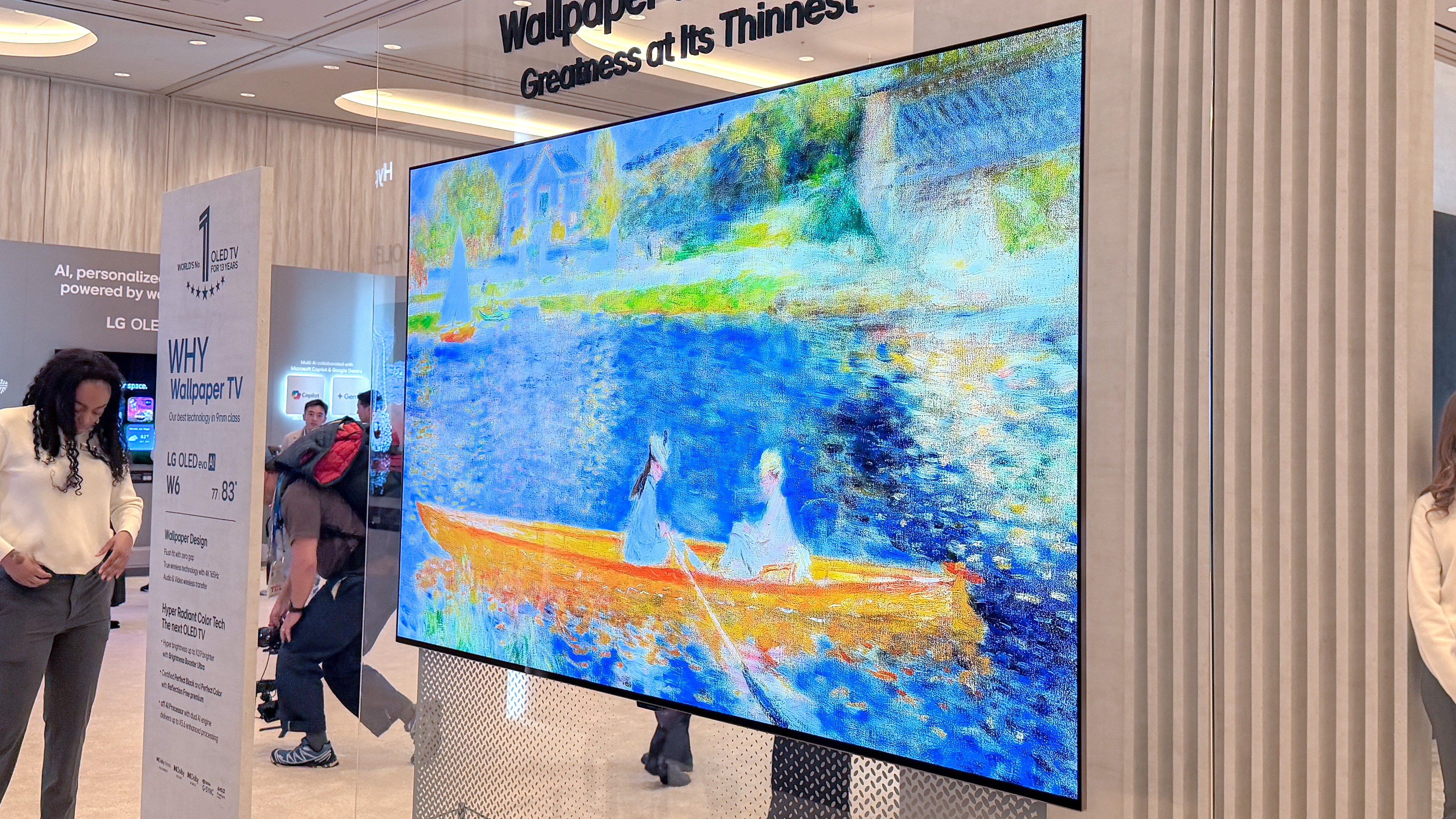
A pencil. That’s about how thin the new LG Wallpaper TV is at just 9mm thick, and it’s a sight to behold. This TV nearly disappears when you look at it from the sides, and it offers a huge improvement over the original Wallpaper TV from 2017: it’s wireless. A Zero Connect box delivers all the inputs you need from up to 10 meters away at 165Hz for lossless 4K video and audio. It gets better.
The new Wallpaper TV also boasts Hyper Radiant Color Technology, which improves black levels, color vibrancy and brightness in a panel that offers the lowest reflectance among LG TVs. LG hasn’t released pricing info, but the Evo W6 won’t be that much more expensive than the G6 series. So at least this work of art will be attainable. — Mark Spoonauer
Best robot vacuum: Roborock Saros Rover
(Image credit: Future)
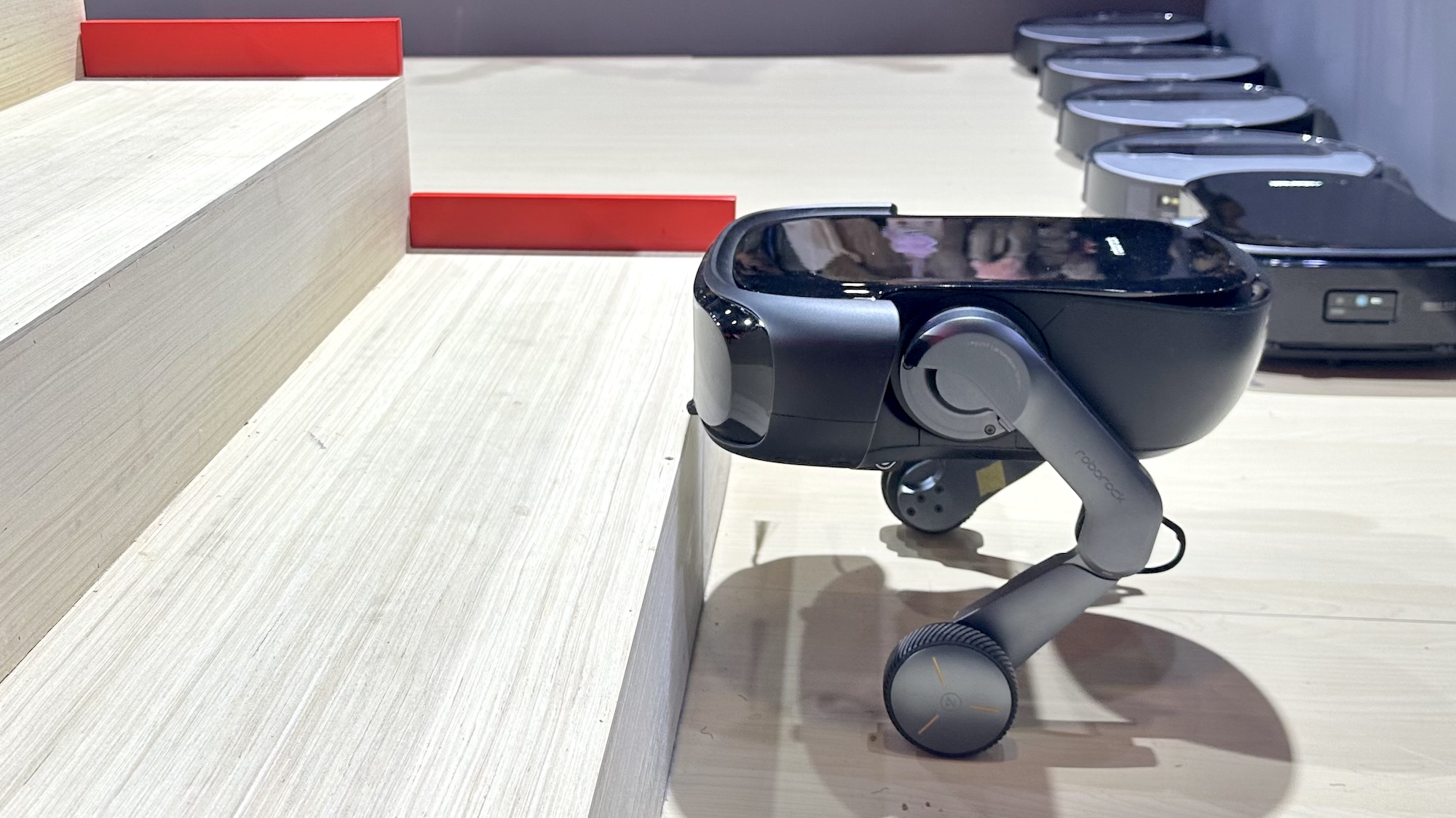
The ability to climb stairs is the final threshold — both literally and figuratively — for robot vacuums. At CES 2026, we saw a few companies try to tackle that problem, but the Roborock Saros Rover did it with the most elegance.
This robovac has two wheels at the end of extendable legs that can lift it up, one step at a time, to go from one floor of your house to the next. Even better, it can vacuum each tread of your stairs as it ascends. It’s also pretty agile. In our hands-on with the Saros Rover, we saw it lean back and forth on each leg, glide effortlessly down a ramp, and even jump up and down. When was the last time you saw a robot vacuum do that? — Mike Prospero
Best TV: Hisense RGB MiniLED 116UXS
(Image credit: Tom’s Guide)
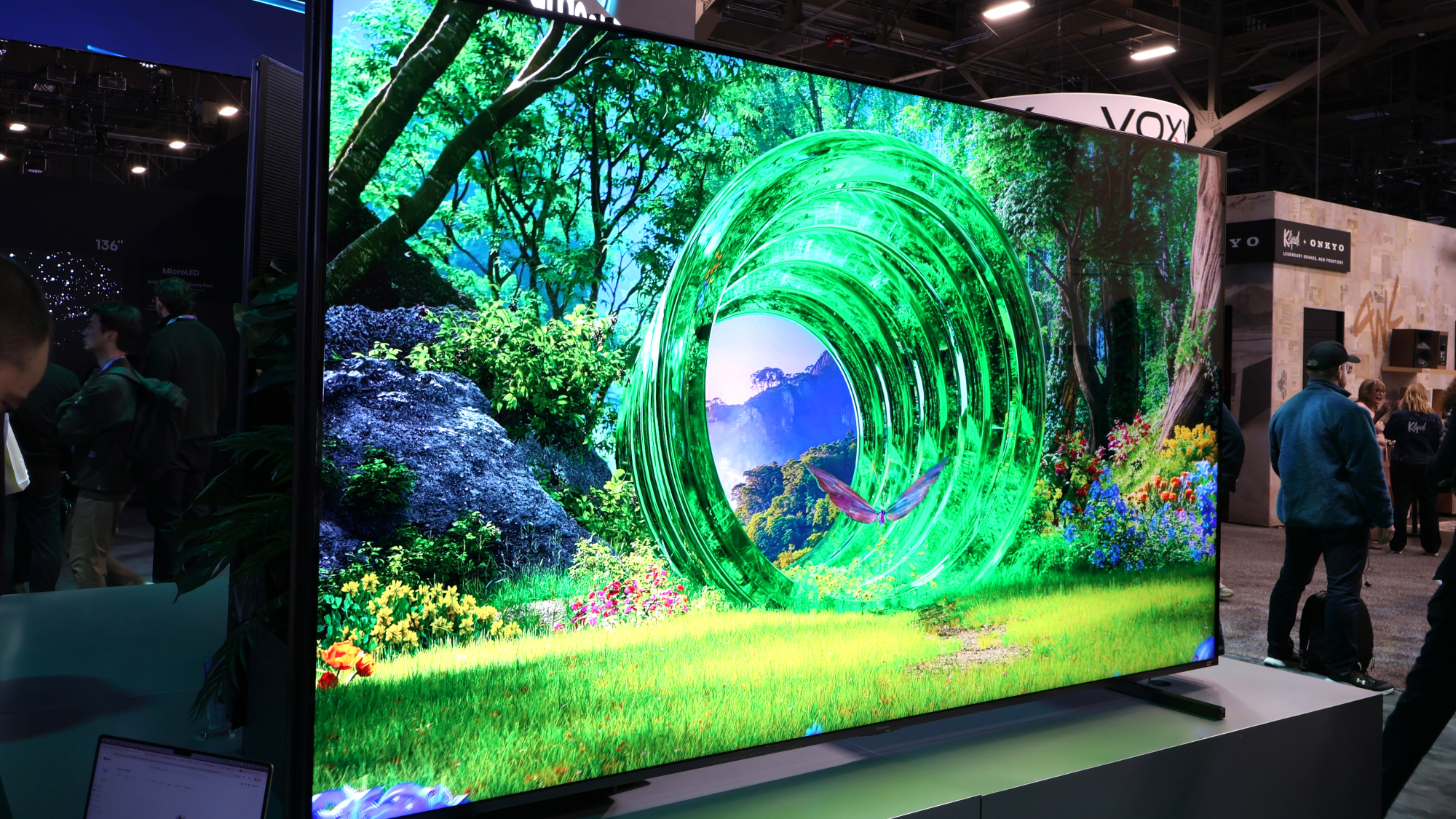
You can’t walk more than 15 feet in the Las Vegas Conference Center without seeing a sign for some brand’s Mini RGB technology. It’s everywhere. But of all the brands, Hisense has come away with the best model in my eyes — a 116-inch behemoth in the Hisense RGB Mini-LED 116UXS that not only uses RGB-subpixels but even throws in a new fourth color in the mix (cyan) to display 110% of BT2020’s coverage area.
In layman’s terms, this is the most colorful TV you’ve ever seen in your life. The tradeoff is that it’s not the slimmest, nor does it have the best anti-glare filter, but the picture is absolutely sublime. If Hisense manages to shrink this display technology and bring it to its award-winning mid-range models, it’s game over for the competition. — Nick Pino
You may like
Best concept: Lenovo Legion Pro Rollable
(Image credit: Future)
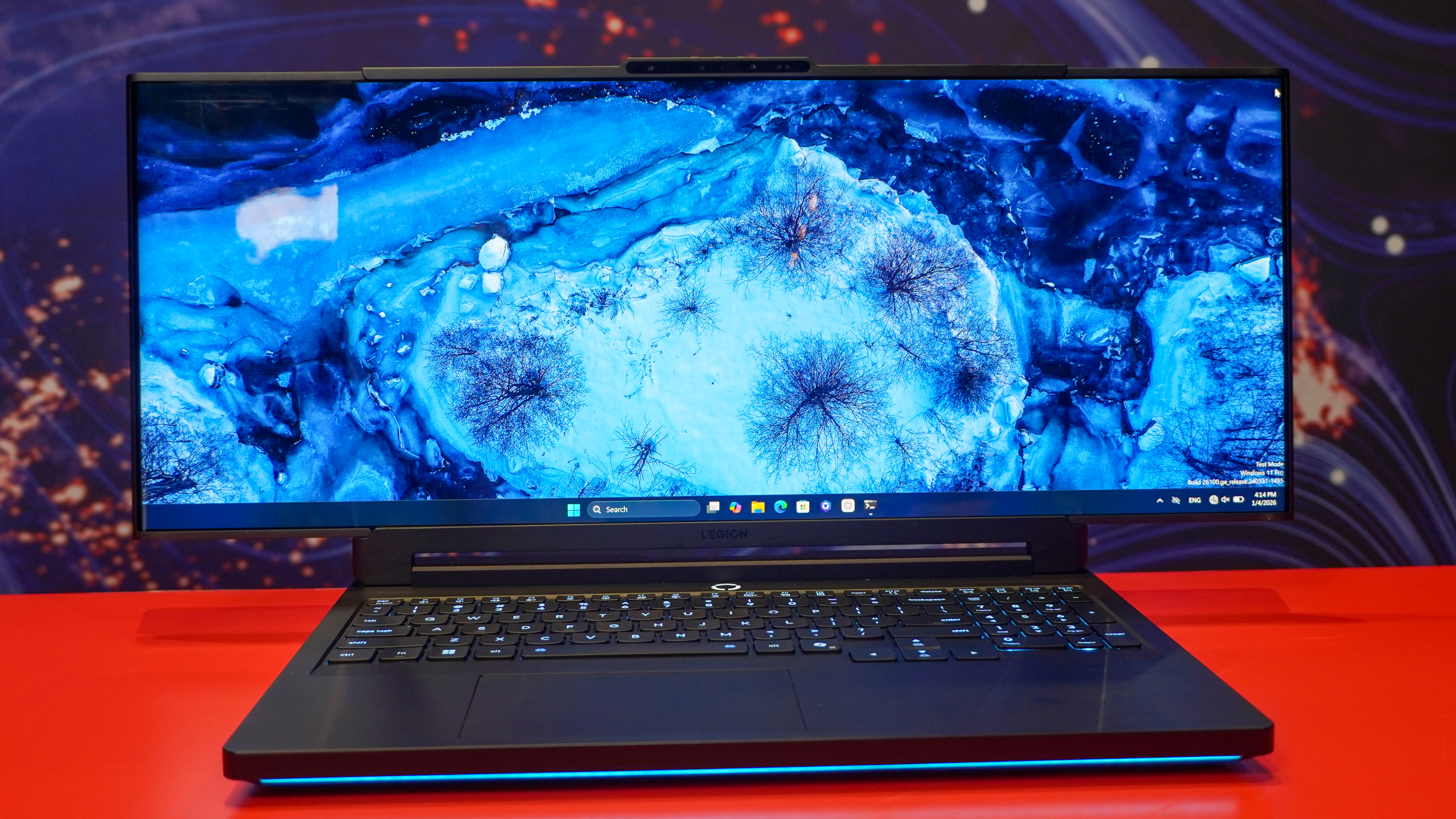
If there’s one thing that’s inevitable, it’s Lenovo introducing a fun rollable display concept at CES. But what I didn’t expect was a rollable prototype that I actually pray that the company makes. And that’s exactly what we have in the Lenovo Legion Pro Rollable.
Simply put, it would be the perfect bridge between my home gaming setup of an ultrawide monitor and my gaming laptop — a display that can extend from the 16-inch 16:9 panel all the way up to 24:9 at a impressive 24 inches at a 240Hz refresh rate. Whatever genre of game you’re playing, you’ve got exactly the right screen aspect ratio to play it with. — Jason England
Best Innovation: Samsung’s Crease-Free Display
(Image credit: Future)
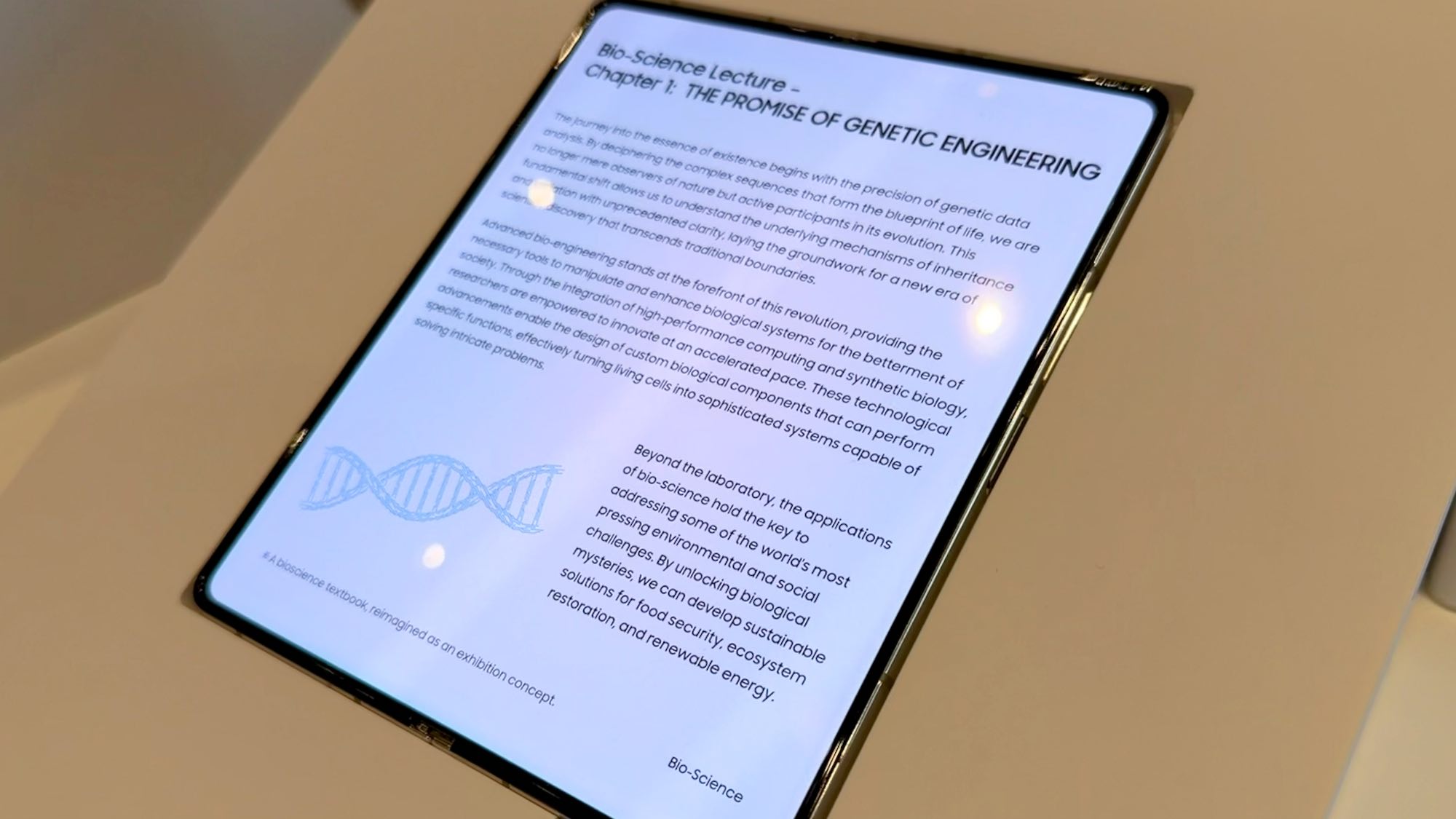
Samsung Display may have just solved one of the biggest complaints people have about foldable phones: the crease. I saw the company’s Mont Flex prototype OLED display here at CES, and tried as I might I couldn’t see a line down the middle from any angle. The display is designed to unfold mechanically flat with narrow bezels while offering a thin and light design. But it’s the lack of any crease whatsoever that impresses most, especially since Samsung put the advanced crease-less panel right next to the reference design that comes from the Galaxy Z Fold 7.
With Apple rumored to be working on a crease-free iPhone Fold for 2026, this could be the technology that makes it happen. — Mark Spoonauer
Best use of AI: Gemini in Samsung Family Hub
(Image credit: Samsung)
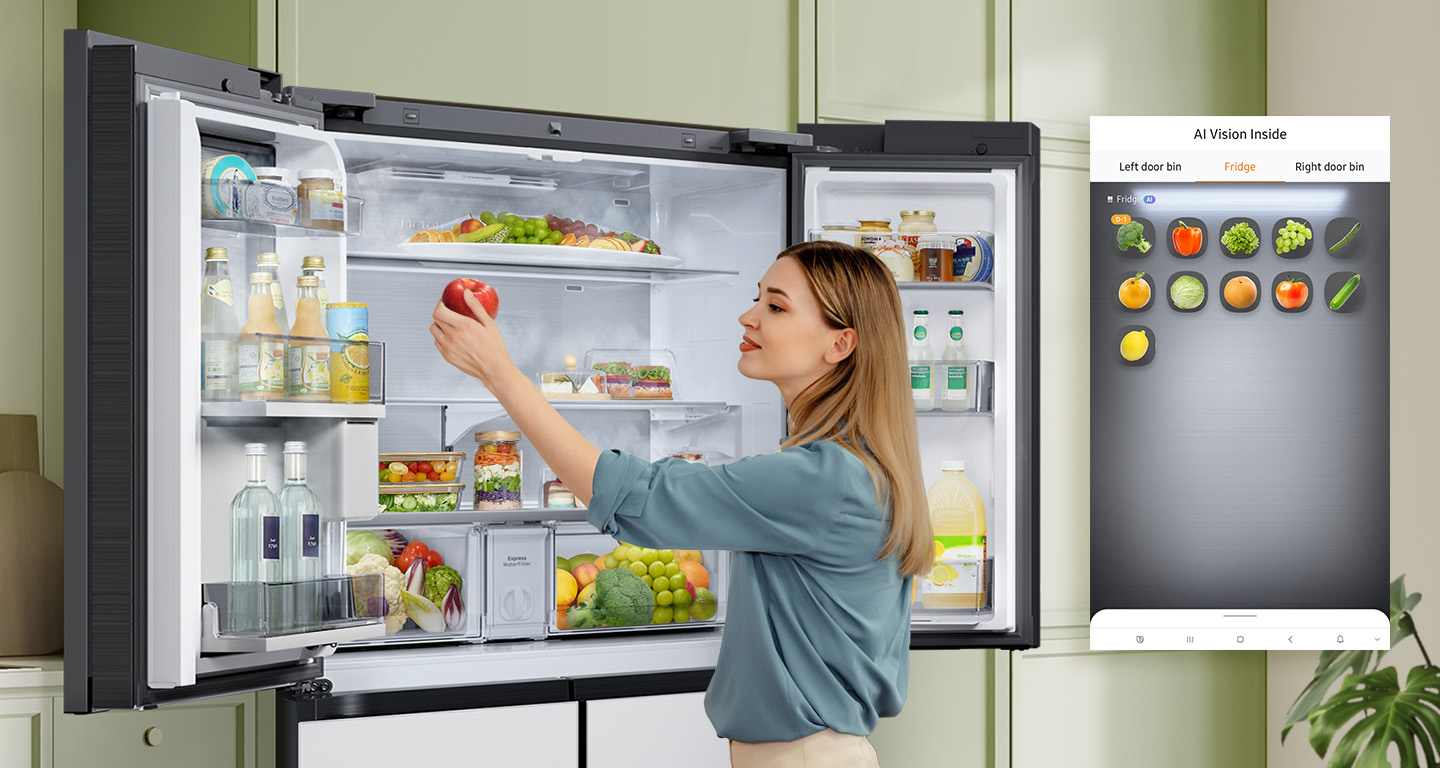
Right now, the Samsung Family Hub refrigerator has a pretty neat trick. Using a camera inside the door, it can identify what foods you’re taking in and out, and offer you recipe suggestions. But its database is rather limited, so it’s not the most accurate. I should know — I’ve been using it for several months.
However, coming later this year, Samsung’s AI vision is about to be supercharged with Gemini, which will not only vastly increase its ability to recognize what you’re adding and removing, but give you better ideas on what to do with your food. How good will it be? According to Samsung’s VP for Digital Appliances, powerful enough to read the labels, so it will know when your milk is about to expire. And, it will know which foods you use more than others, so it can not only offer more recipe ideas, but help you proactively order ingredients before you run out. If it can save me a last-minute trip to buy more eggs, then I’m all in. — Mike Prospero
Best AI Wearable: Nirva
(Image credit: Tom’s Guide)
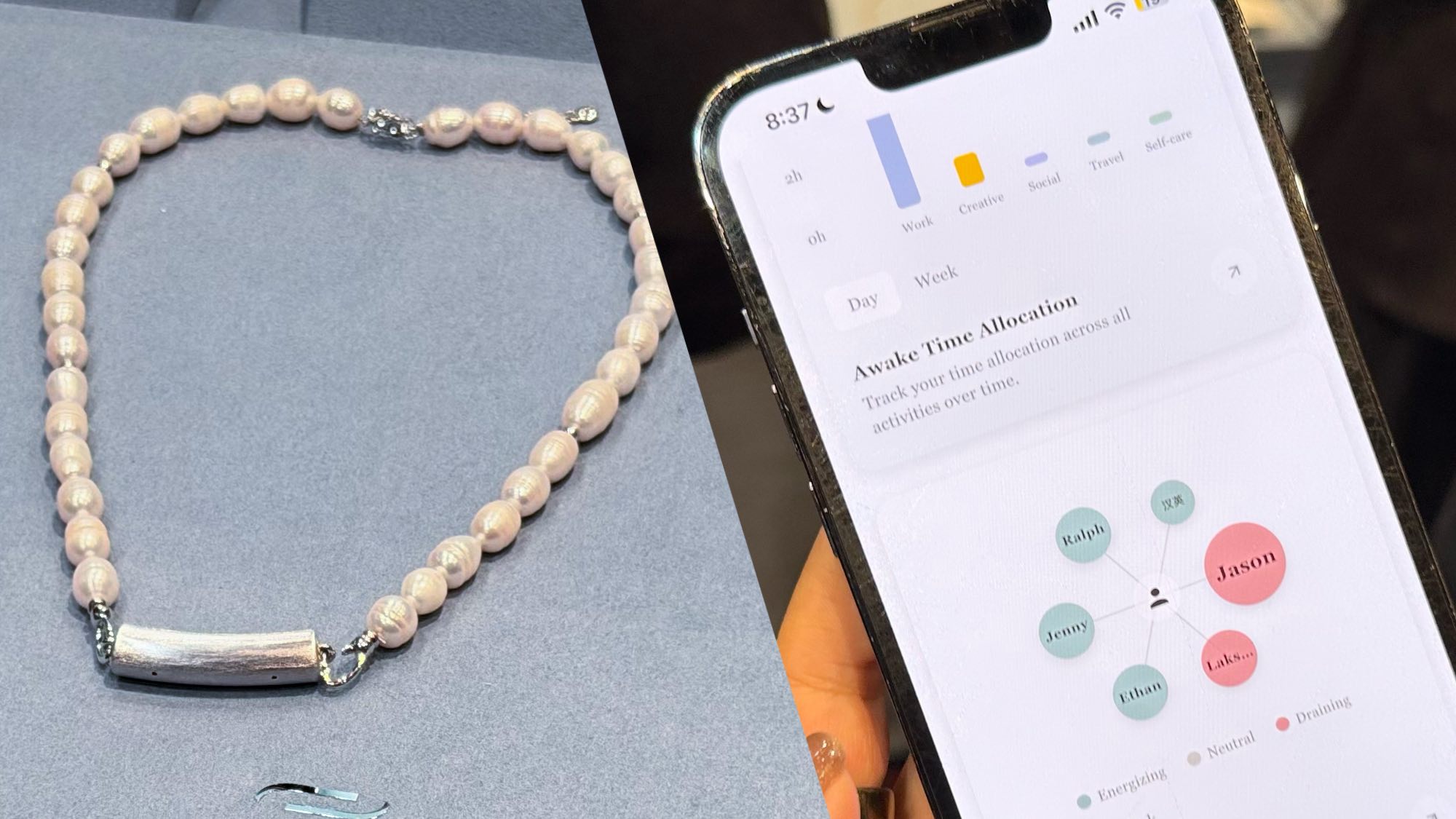
The big trend right now is to put AI in pretty much everything. But Nirva actually makes sense. This AI wearable looks like stylish jewelry but can auto-journal your life and help track your emotions. The device packs dual microphones for listening, an ALS (UV) sensor for lighting info and sunlight exposure and an IMU for motion content. But it all comes to life in the Nirva app, which can help track your mood, energy and stress.
For example, the app senses the tone of your voice and how that might change based on who you’re talking to, so you can get a sense of which person might be “draining your battery.” The app can provide insights and advice to help improve your mood and reduce stress, and you can get personalized guidance by calling or texting Nirva. — Mark Spoonauer
Best smart glasses: Xreal 1S

(Image credit: Future)
Well, I mean it had to be the Xreal 1S…right! There were a whole lot of smart glasses on the show floor — many providing AI smarts. But when I see glasses that offer maximum bang for your buck like these, there’s no real alternative!
The Xreal 1S packs all the features of its bigger siblings, the Xreal One, while also improving them and reducing the price by $50. It all starts with a 1200p display (16:10 aspect ratio) to extend the verticality for productivity. Next, the additional Neo Hub is easily the best way to connect to a Nintendo Switch 2 and play to your heart’s content.
And third, that X1 chip on board is not just used for picture clarity anymore. You can also use it to transform any 2D content to 3D super fast, and it really works well! Jason England
Best TV innovation: Dolby Vision 2
(Image credit: Dolby)
Dolby Vision 2 was finally demo-able at CES 2026, and boy was it worth the wait. Seeing the full suite of enhancements like “Precision Black” and “Authentic Motion” at work really convinced me that this is the true successor to Dolby Vision HDR that we’ve been waiting for.
While high-end TVs will see a noticeable difference in motion processing, lower-end models will actually see the biggest improvement when Dolby Vision 2 rolls out. We’ll see better color expression and contrast in TVs that cost a fraction of the flagship models … as long as creators, streaming services and TV chip manufacturers all pitch in and support the platform. — Nick Pino
Best TV Value: Samsung S95H OLED
(Image credit: Tom’s Guide)
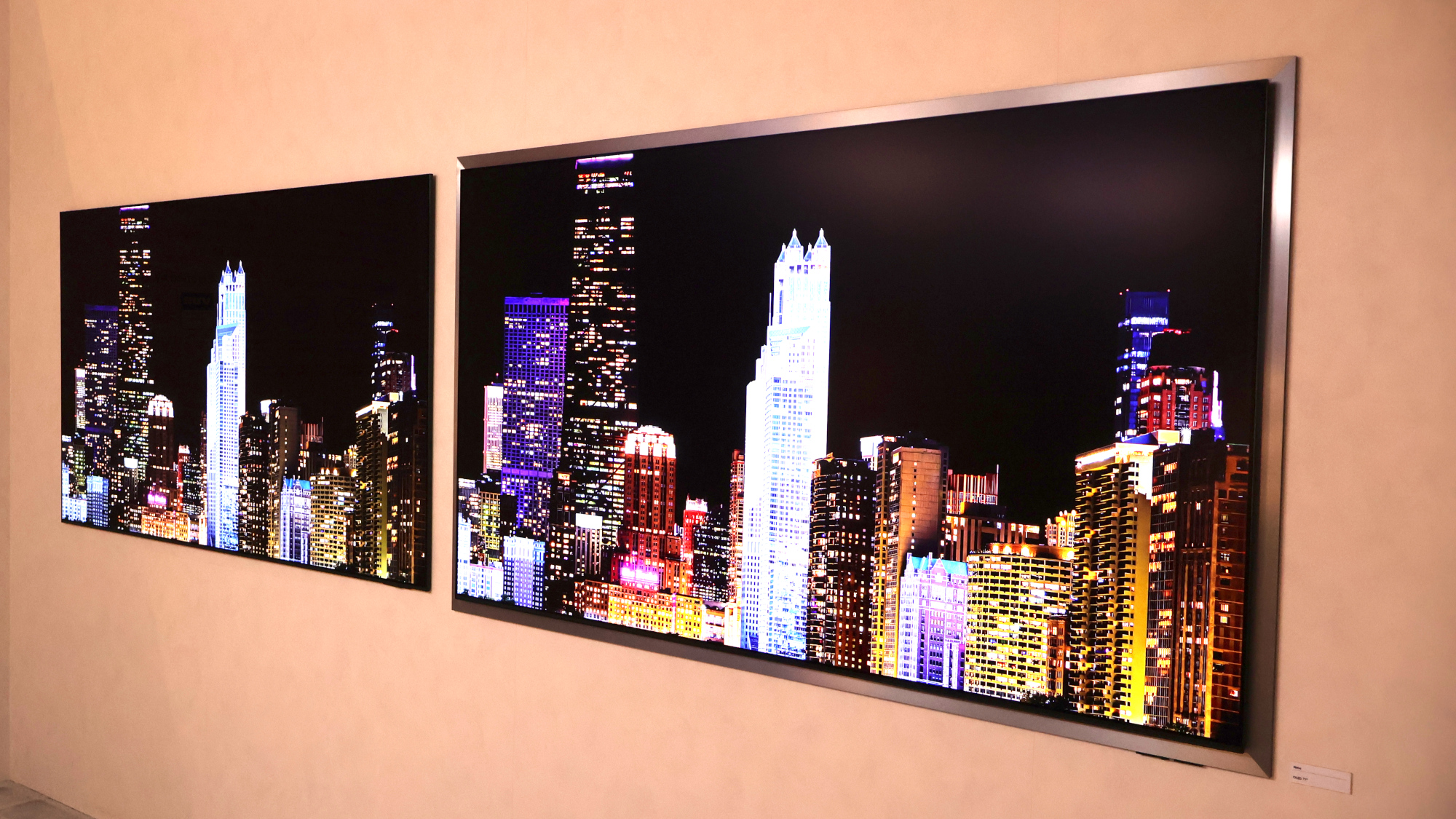
It feels a bit strange nominating a flagship QD-OLED TV for the “Best TV Value” award at CES — but hear me out. For starters, the Samsung S95H OLED will come packed with a bespoke wall-mount. It’s a gorgeous all-metal design that looks both sleek and minimalist at the same time. It’s also cheap in comparison to the 130-inch Micro RGB TV that’s the torchbearer for the brand in 2026.
Will it be cheap when it releases later this year? Probably not. But at a show that’s absolutely bursting at the seams with massive Micro and Mini-RGB TVs, it’s the most affordable option in its class. — Nick Pino
Best Laptop: Dell XPS 14 (2026)
(Image credit: Future)
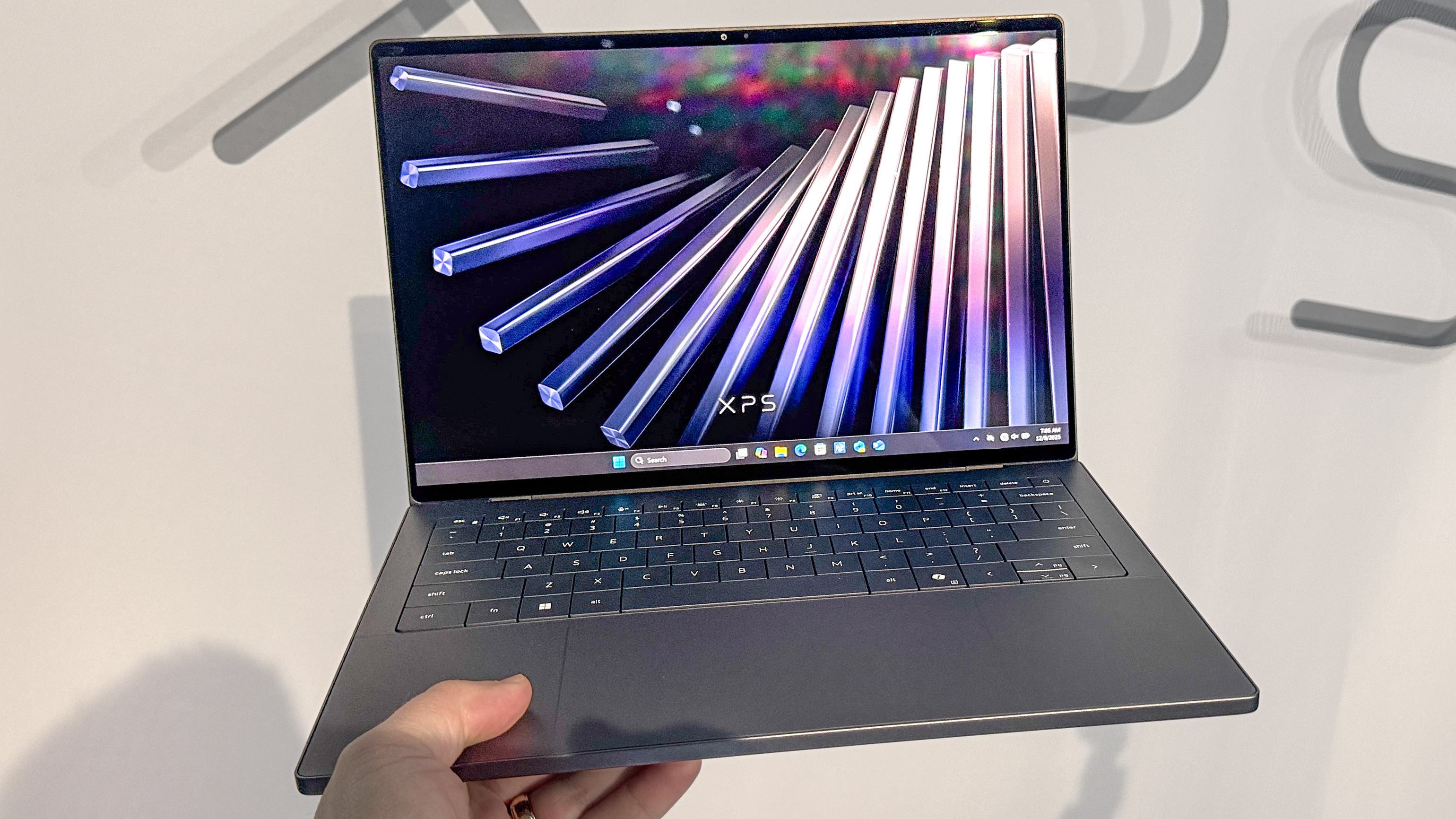
Everybody loves a comeback story, especially when it looks like this. The Dell XPS 14 undoes the mistake that was killing the XPS brand by putting it front and center on a sleek new laptop that packs a heck of amount of power into a design that’s more compact than the MacBook Air.
You get the latest Intel Core Ultra Series 3 processors, an amazingly vibrant tandem OLED display that can scale all the way down to 1Hz and a redesigned 70WHr battery that promises up to 27 hours of juice (with the 2K LCD display option). Plus, the physical functional keyboard has returned (huzzah!), and there’s proper etching around the touchpad so it’s easier to use. — Mark Spoonauer
Best 2-in-1 Laptop: Asus Zenbook Duo

(Image credit: Future)
The Asus Zenbook Duo finally did the thing I always wanted it to do. The redesign makes this 2-in-1 truly shine by eliminating the distracting lip between those two 14-inch OLED panels. On top of that, the battery is now shared between both sides for better weight distribution; the aluminum chassis is slimmer and sleeker; and this comes strapped with our best of show winner: Intel Core Ultra Series 3. That’s sure to bring the power efficiency this dual-screen beast needs.
For the past couple of years, the idea of a 2-in-1 has always been a convertible laptop. In 2026, dual-screen laptops have a real shot of breaking through thanks to the Zenbook Duo. — Jason England
Best Phone: Motorola Razr Fold
(Image credit: Tom’s Guide)
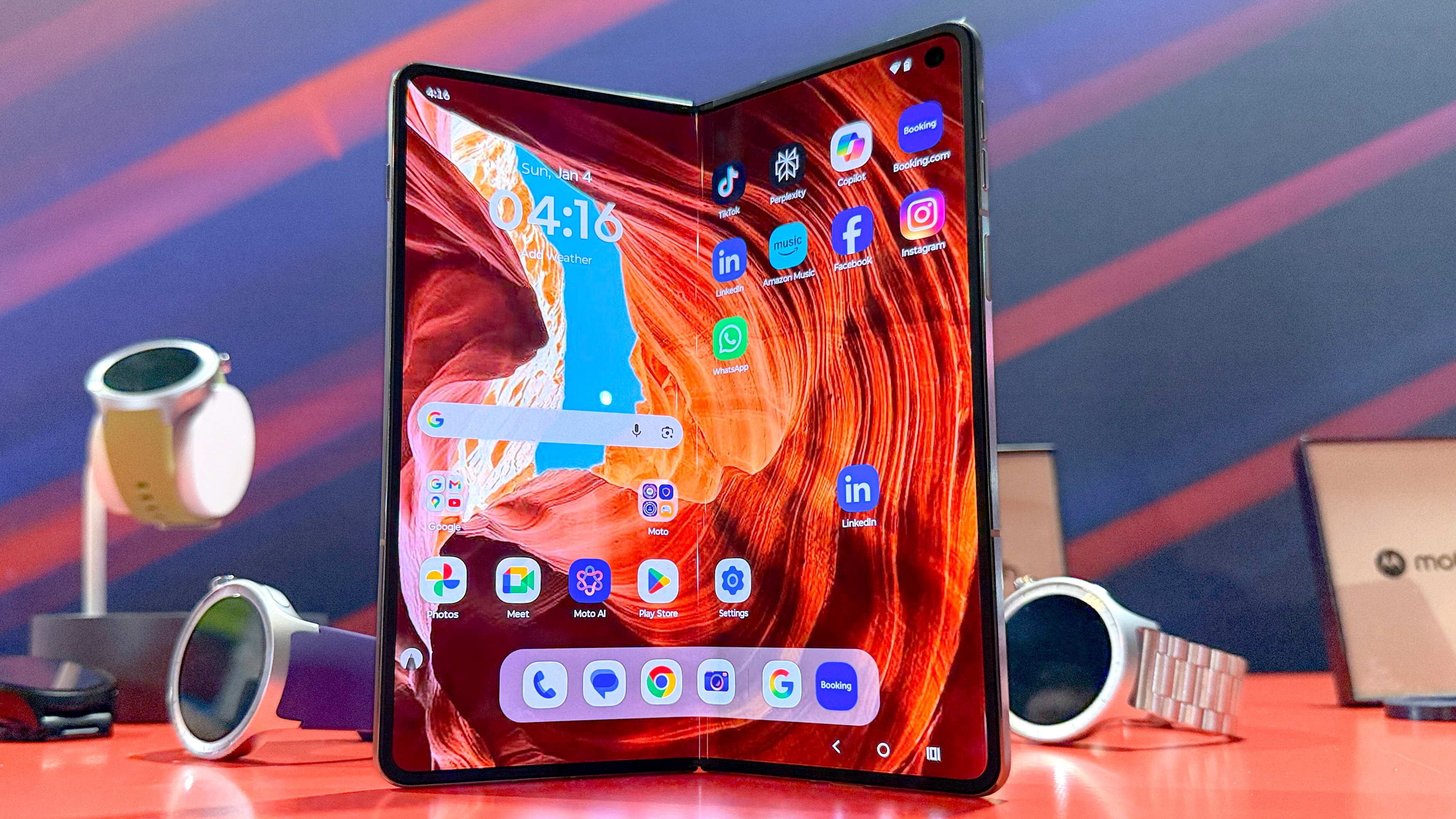
Motorola has officially joined the book-style foldable phone race with the new Razr Fold, and it could very well give Samsung and Google a run for their money when it launches this summer. The Motorola Razr Fold features a 6.6-inch cover display and a huge 8.1-inch internal screen that’s slightly bigger than the Galaxy Z Fold 7’s 8 inches.
The device is pretty thin when open, and I especially like the soft-touch finish on the Lily White color option. You also get a trio of 50MP rear cameras and access to Motorola’s helpful AI tools like Catch Me Up and Next Move. If the price is aggressive enough, the Razr Fold has the potential to make serious waves. — Mark Spoonauer
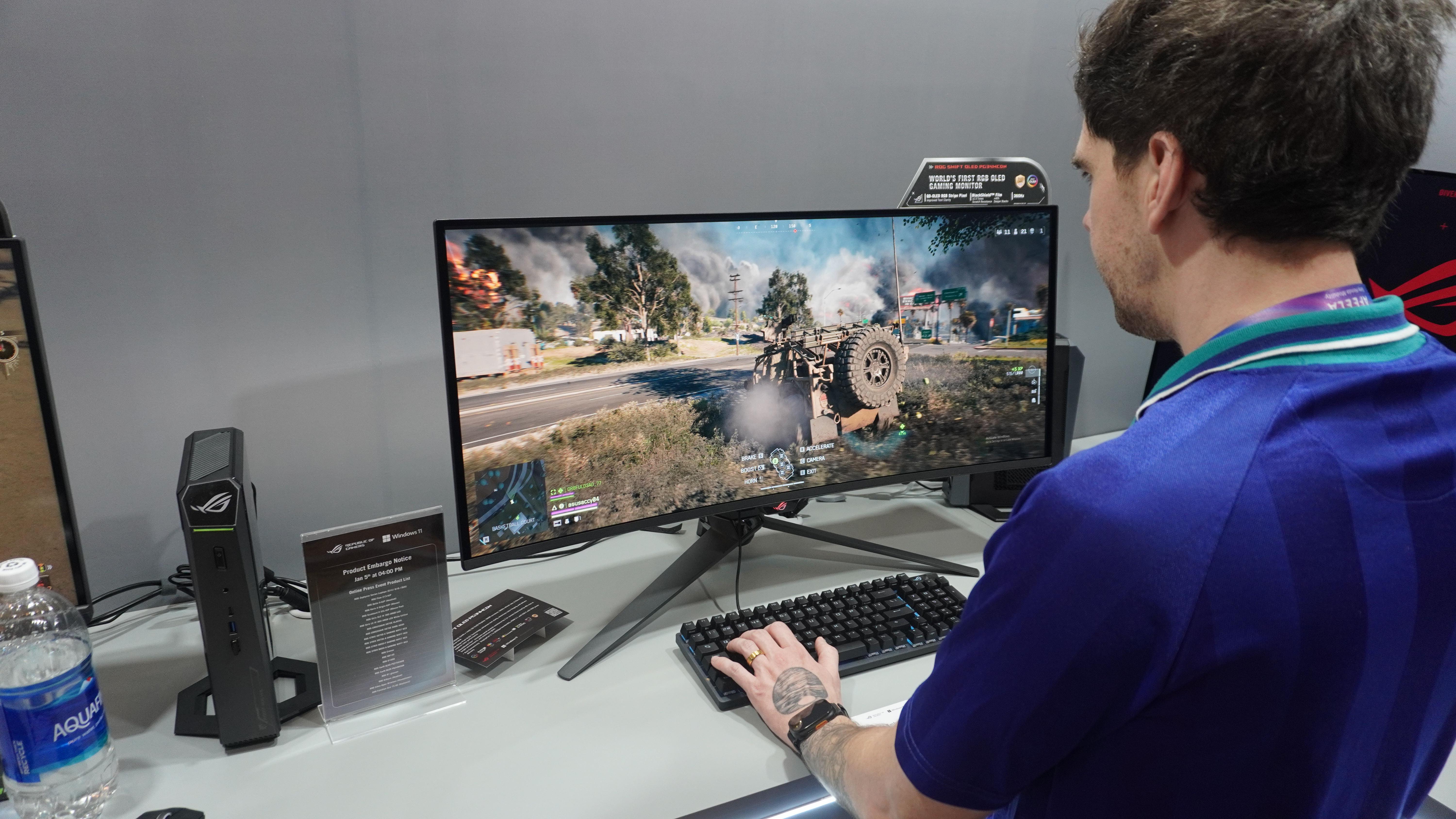
Best Monitor: Asus ROG Swift OLED PG34WCDN
(Image credit: Future / Tom’s Guide)
Upon first glance of the Asus ROG Swift OLED PG34WCDN (it’s a mouthful, I know), I was immediately blown away by the visuals. I mean, there’s the clarity of the best gaming monitors, but then there’s this 34-inch QD-OLED display with next-gen RGB Stripe Pixel OLED technology boasting a 1800R WQHD (3440 x 1440) curved panel. The results? Crystal-clear visuals with draw-dropping colors and true blacks.
We’ve seen monitors reach well over a 360Hz refresh rate and a 0.03 response time, but Asus claims this is the world’s first RGB OLED gaming monitor on the market. It offers a 40% uplift in perceived blacks thanks to the ROG BlackShield film, along with richer colors, making the ROG Swift OLED PG34WCDN a monitor for gamers and creatives to keep an eye on for 2026. — Darragh Murphy
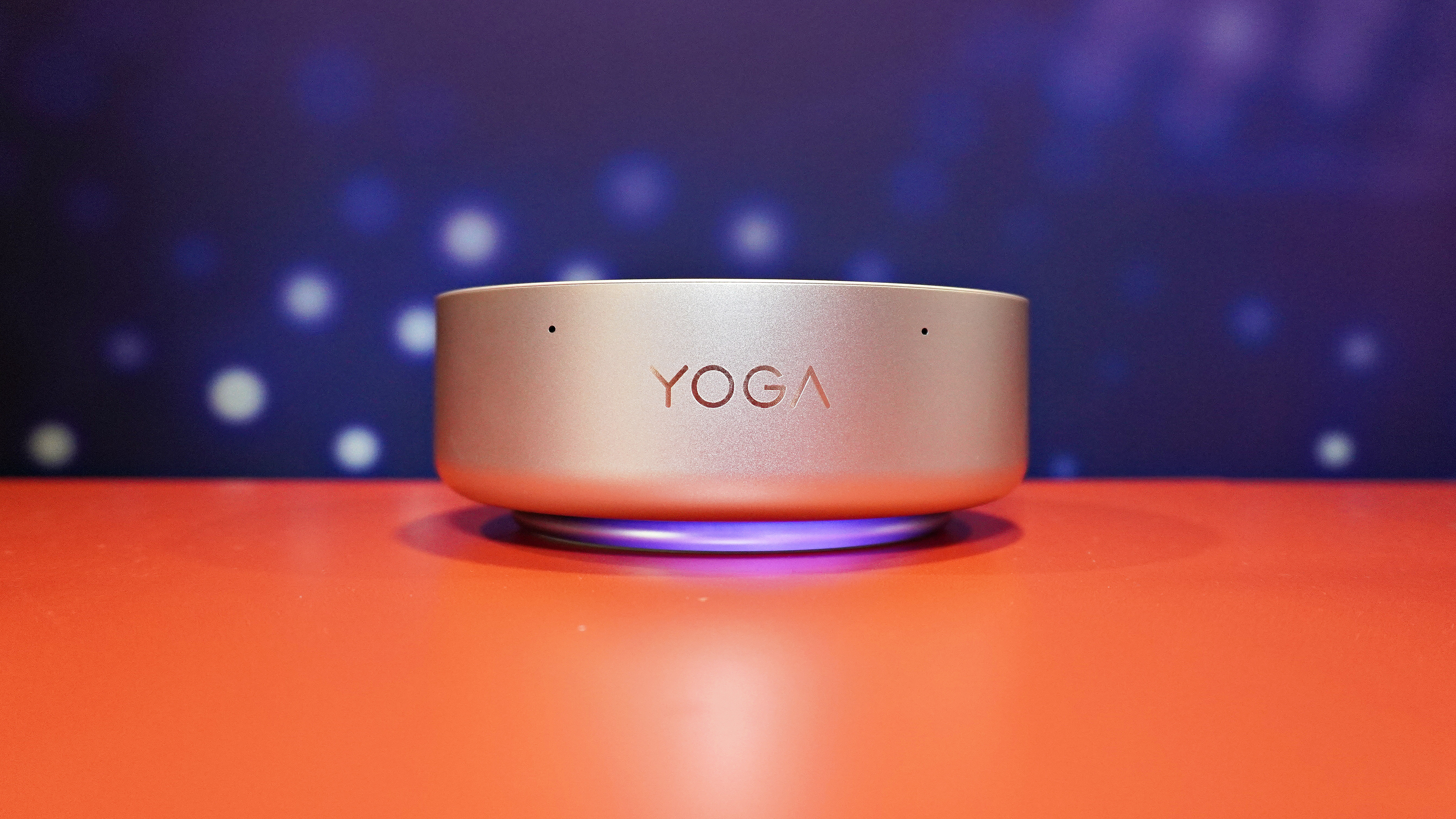
Best mini PC: Lenovo Yoga Mini i
(Image credit: Tom’s Guide)
The Lenovo Yoga Mini i — the company’s second Yoga-branded mini PC — trades the traditional rectangular chassis for a sleek, aluminum puck powered by Intel’s new Core Ultra 3 chips. While the integrated fingerprint reader in its power button and the generous selection of rear and side ports (including dual Thunderbolt 4 ones) are a welcome addition, the Mini i really stands out as a dedicated physical hub for Lenovo’s new Qira AI assistant.
The device uses Wi-Fi sensing to detect your presence, greeting you with a customizable RGB underglow as you approach. Rather than fumbling with apps, a simple tap on the top of the case summons Qira instantly, while the built-in speaker and far-field microphones allow you to chat with the assistant while you work. It’s a clever evolution of the form factor, transforming the mini PC from a computer you might mount behind your monitor into an interactive desktop companion. — Anthony Spadafora
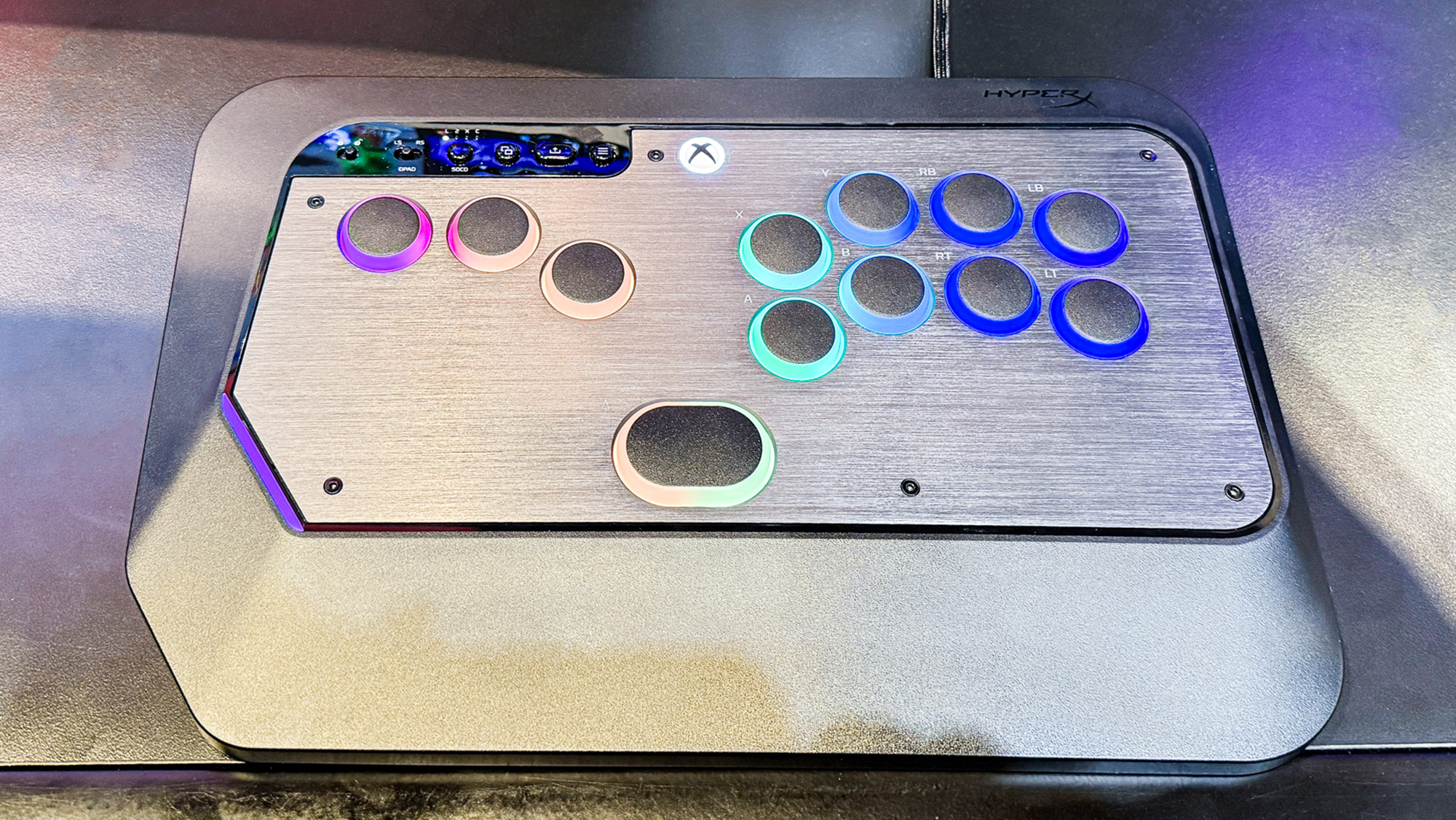
Best gaming peripheral: HyperX Clutch Tachi
(Image credit: Tom’s Guide)
If you’re a serious fighting game fan, then you’re no doubt excited about the HyperX Clutch Tachi leverless controller. Utilizing TMR magnetic switches, the Clutch Tachi promises to be one of, if not the most, responsive and accurate controller of its kind. Beyond its promising performance, the Clutch Tachi features an ergonomic design that will make it easier for you to grind it out in training mode for hours.
The controller is also small and light enough to easily carry to your friend’s house to show him how to really play Street Fighter 6. Leverless controllers are the de facto weapon for fighting game players at tournaments, and I can see the HyperX Clutch Tachi becoming a coveted controller in those circles. But even for a non-professional yet passionate gamer like me, this is a fantastic gaming peripheral. — Tony Polanco
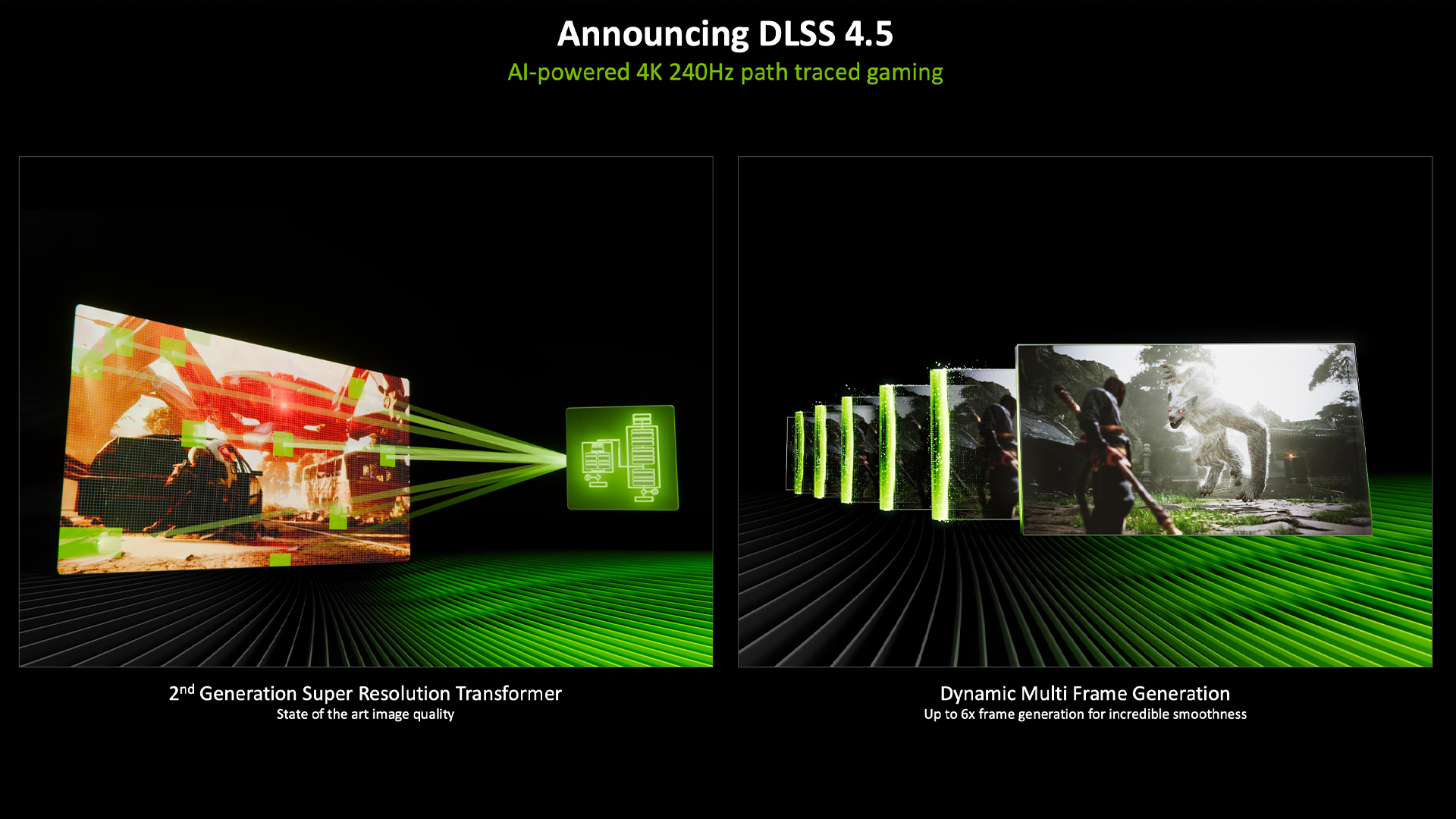
Best gaming innovation: Nvidia DLSS 4.5
(Image credit: Nvidia)
Nvidia dropped a proverbial bomb at CES when it announced the updated Nvidia DLSS 4.5. The company is now targeting 4K path-traced gaming at 240 frames per second. Why is that important? Because anyone using low to mid-range RTX 40 or RTX 50-series GPUs can enjoy smoother and sharper gameplay without resorting to breaking the bank on the most high-end Nvidia GPU.
Though some hardcore gamers may scoff at using AI to enhance gameplay, the average person doesn’t care so long as their games look and run great. Nvidia DLSS is already the gold standard for AI-powered frame generation and image enhancement for graphics cards. DLSS 4.5 is the next natural evolution in that process and is definitely the best gaming innovation of CES 2026. — Tony Polanco
Best gaming laptop: MSI Stealth 16 AI+
(Image credit: Future)
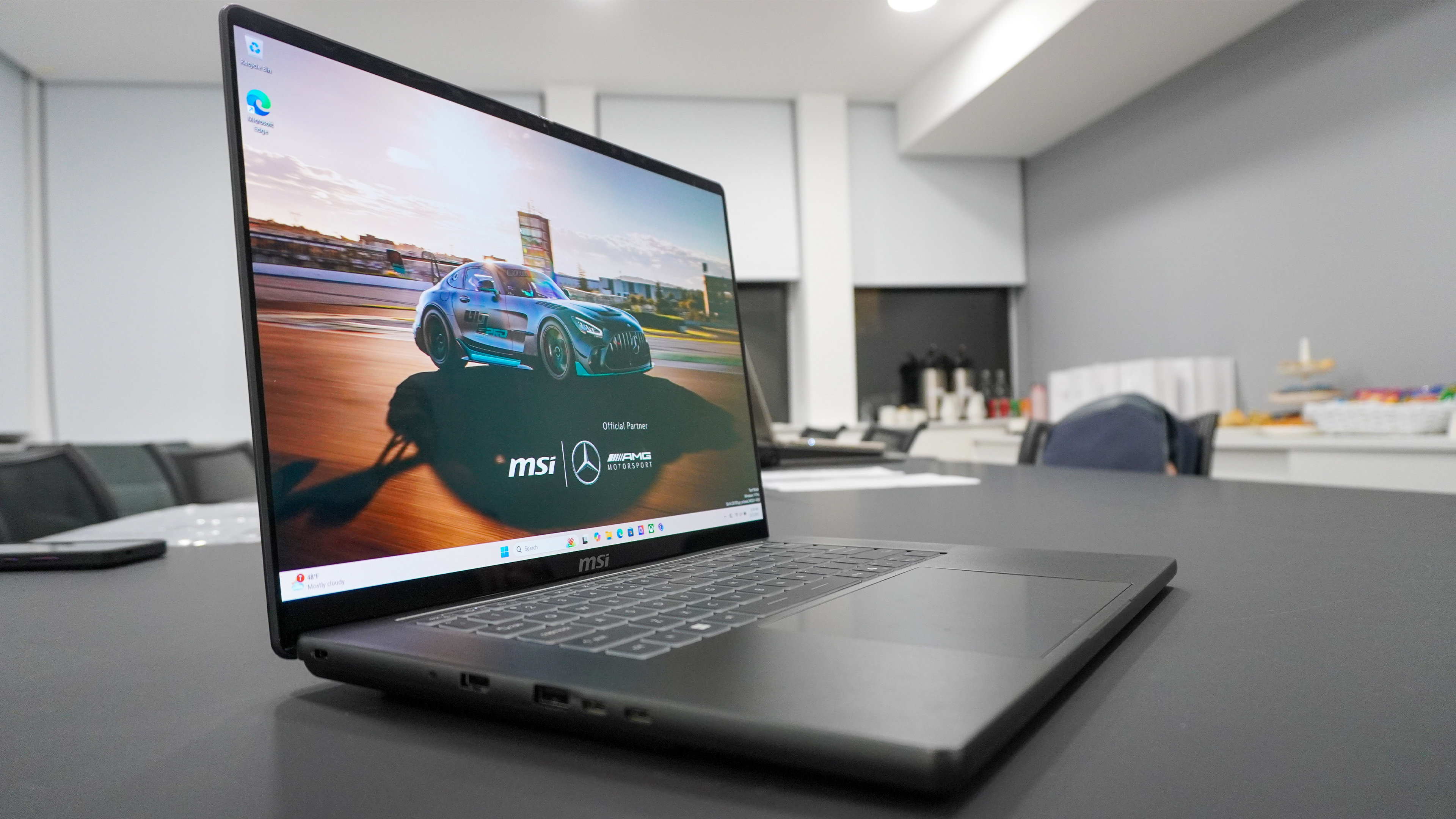
Gaming laptops are never really stealthy. Hell, even the one with stealth in the name wasn’t too stealthy. But finally, MSI gave the Stealth 16 AI+ a significant redesign to actually be a much more premium notebook in nature that holds a whole lot of power.
You can spec it up to an RTX 5090 with Intel Core Ultra 9 386H and a whopping 128GB RAM, and all of it is kept impressively cool with a well-thought-out thermal optimization package containing a massive heatsink and a huge back vent. That ensures maximum wattage to your components, to make the most of that 240Hz OLED display. Put simply, this is MSI’s real comeback of sneaky gaming laptops. It’s a true stunner! — Jason England
Best smart lock: Aqara U400
(Image credit: Tom’s Guide)
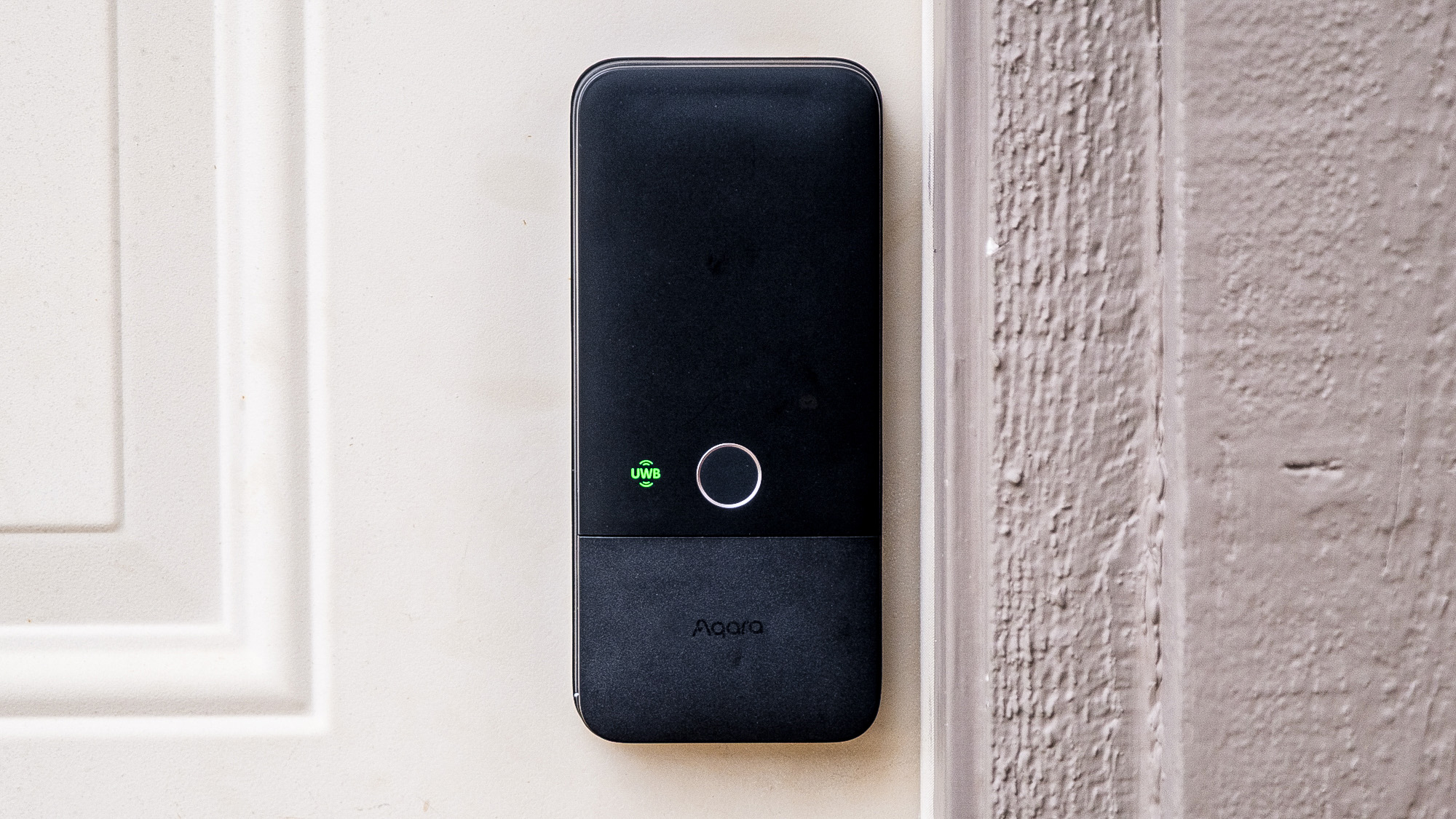
What if you could just walk up to your door and have it magically unlock without you having to do anything? That’s what separates the Aqara U400 from other smart locks. Thanks to its use of Ultra Wide Band (UWB) technology, it can sense when you (and your iPhone or Apple Watch) are approaching your door, and will unlock it automatically. No fuss. And, the technology is good enough that it can recognize if you’re merely walking past your door rather than to it, or if you’re inside, rather than outside your house.
We’ve had a chance to review the Aqara U400, and found its only real downside is that its key selling point is only available for Apple users. It shouldn’t be long before we see this for Android, too — which will be the real key to its success. — Mike Prospero
Best Fitness Wearable: Luna Band
(Image credit: Dan Bracaglia/Tom’s Guide)
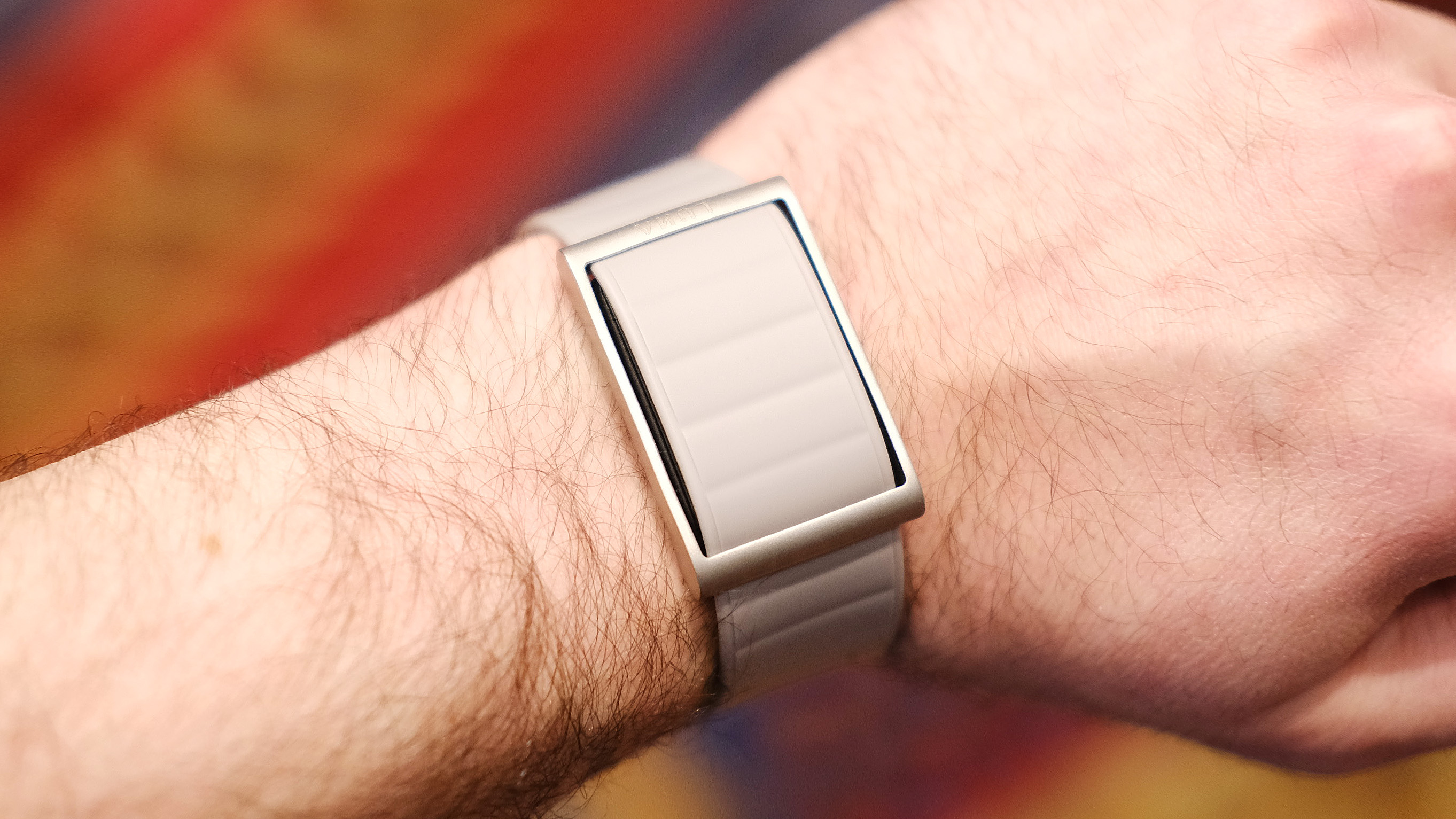
The Luna Band is a new, wallet-friendly, screenless health and fitness tracker from the India-based wearables brand best known for its smart rings. This $149 alternative to the latest Whoop band is completely subscription-free and plays nicely with both Apple and Android devices.
As you might expect, the Luna Band tracks all essential holistic metrics, including heart health, body temperature, movement, respiratory rate, and sleep quality. Insights are viewable from within the companion Luna app.
Lightweight and minimalist in its physical design, what sets the Luna Band apart from the competition is support for audio commands. For example, users can log a stressful day, a meal, or a bad night of sleep by simply speaking to the Luna Band. Better yet, the device provides wellness guidance when prompted, with responses based on your personal holistic data and backed by Luna’s AI health engine. — Dan Bracaglia
Best Audio: Klipsch The 9s II
(Image credit: Klipsch)
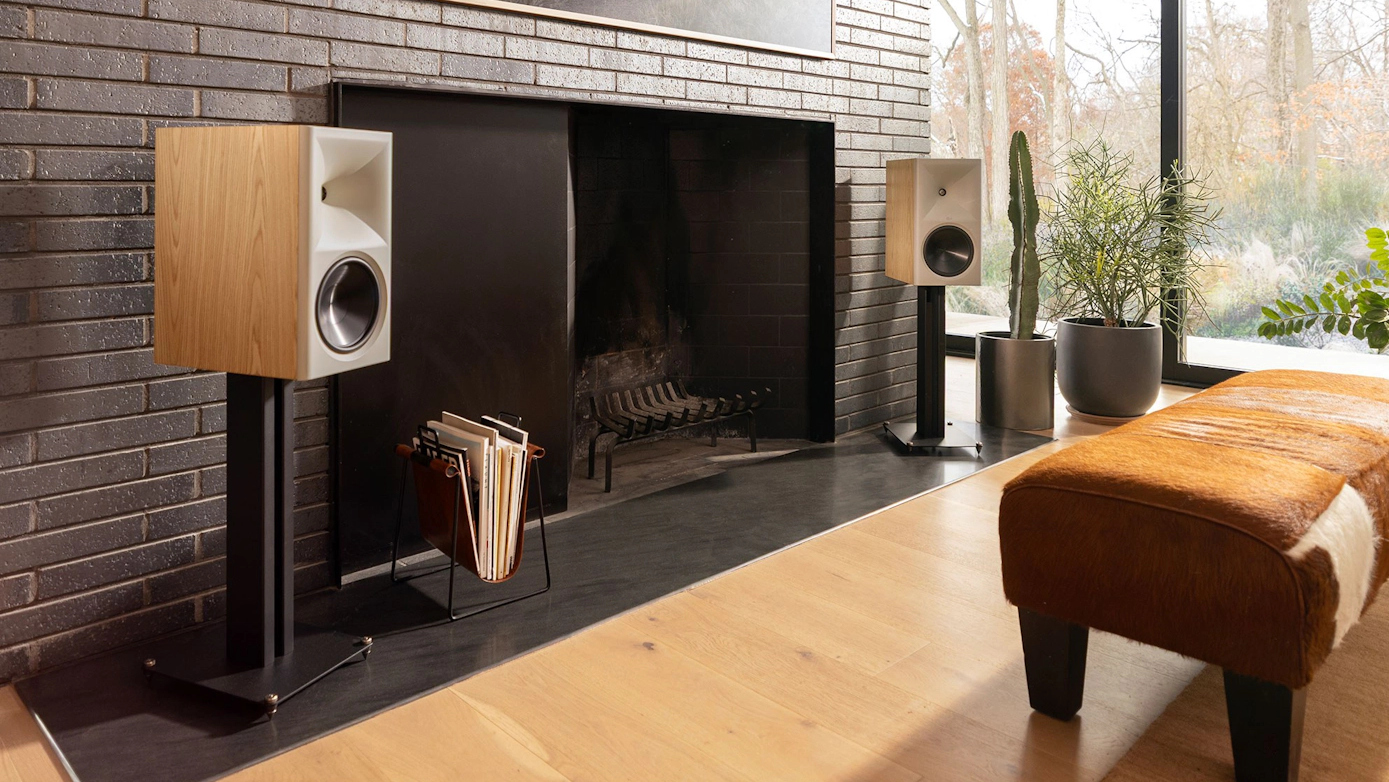
Klipsch is celebrating its 80th anniversary this year by refreshing some of its most popular speakers of the last decade: At CES 2026, the brand took the wraps off its new The Fives II, The Sevens II and The Nines II, but it’s the latter that has me the most intrigued.
Powered by Onkyo audio processing and built with Klipsch’s new Tractrix horn, these powered speakers deliver wider sound dispersion with pinpoint clarity. Built for both two-channel music listening and Dolby Atmos-powered films and shows, Klipsch’s The 9s II offers a multitude of connectivity options including everything from AirPlay 2 to USB-C and HDMI.
There’s auto-room calibration powered by Dirac Live and even support for XLR inputs. At $2,399 for the pair they’re not cheap, but they sounded absolutely divine at Klipsch’s booth. — Nick Pino
Best rideable: Strutt ev1
(Image credit: Future)
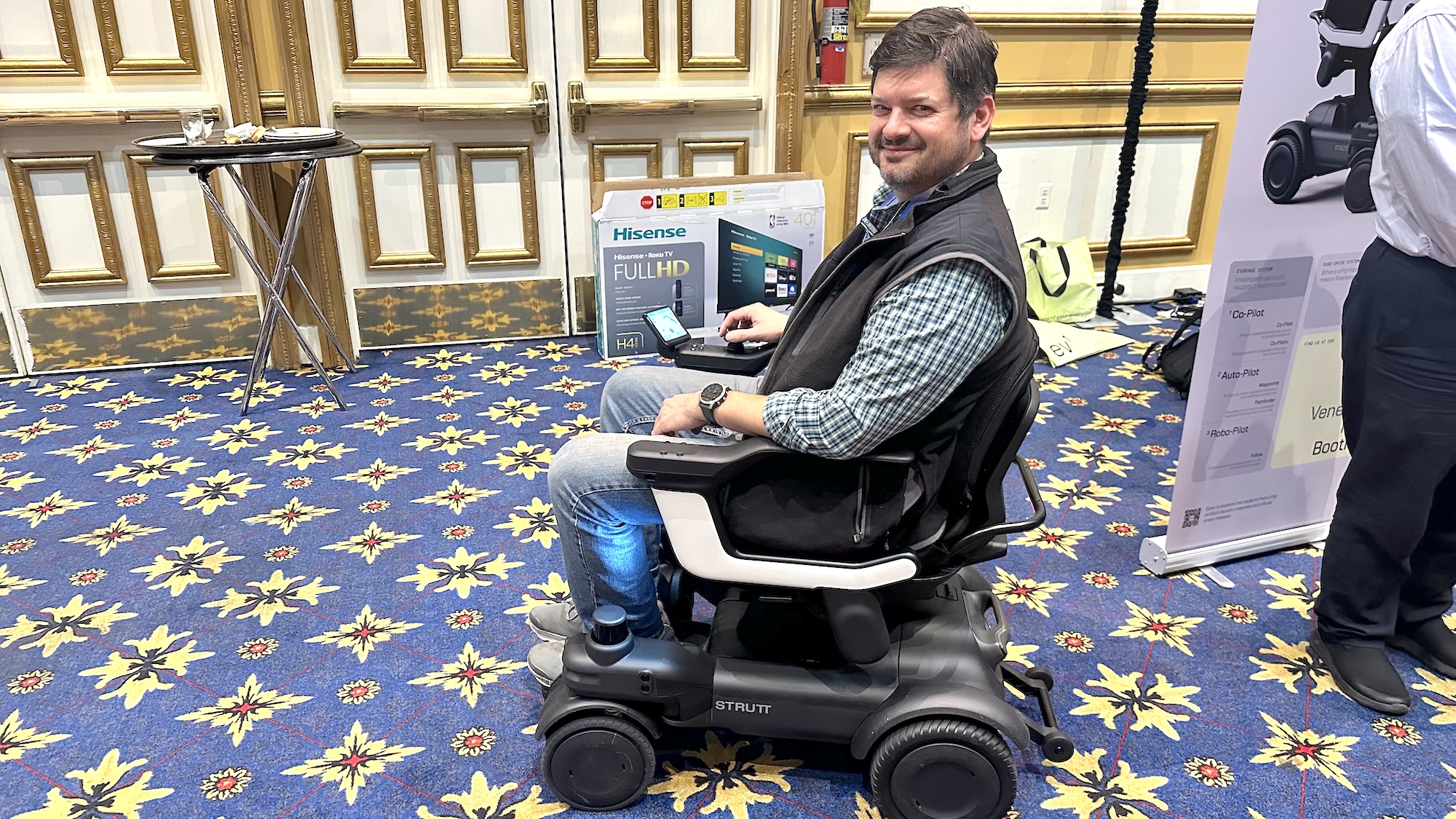
What if your electric scooter or ebike had a self-driving mode? That’s one of the coolest features of the Strutt ev1, a new kind of four-wheeled personal electric vehicle that can get you from Point A to Point B by you simply telling it where you want to go. That’s because the Strutt is outfitted with LiDar and other sensors that map obstacles and steer around them.
When I tried the Strutt ev1 in a crowded room, it didn’t come close to hitting anyone or anything. And thanks to built-in LLM, you can also speak your commands to the chair, another benefit for those who might not have full use of their limbs. Strutt is marketing the ev1 as a fun personal transportation device — and it definitely was a lot of fun to ride — but we can see it being very useful to those with mobility issues. — Mike Prospero
Best Health Tech: Garmin Nutrition Tracking
(Image credit: Dan Bracaglia/Tom’s Guide)
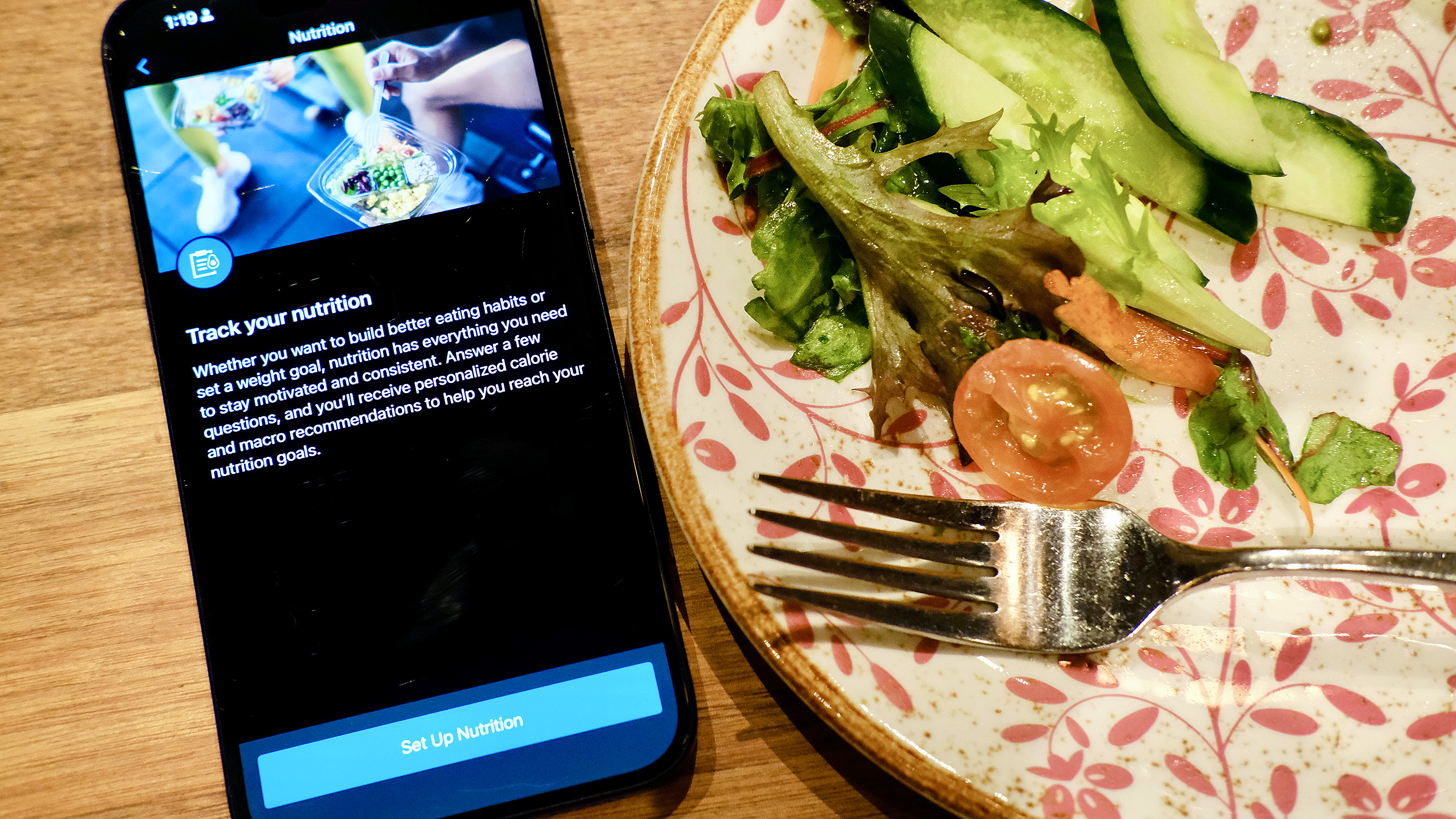
Garmin Connect+ caused a stir among users when the $7 per month (or $70 per year) subscription tier was introduced, but the service just got more useful with the addition of nutrition tracking.
Once you’ve confirmed your personal details and health targets, the paywalled service will set a personalized calorie target and break it down into different macros. And while logging all your food is always going to be a chore, Garmin’s service is trying to make it as easy as possible. You can either scan the barcode on your food’s packaging or search through the extensive database of food to find what you need. If that’s too much work, simply snap a picture of your plate, and it’ll estimate the calorie content for you.
Food tracking services are nothing new, but having it built into the Garmin ecosystem and mapped to some of the best sports watches you can buy could convince even more people to sign up for Garmin Connect. — Jeff Parsons
Best Sleep Tech: Ceragem Neuro Wellness Youth Bed
(Image credit: Ceragem)
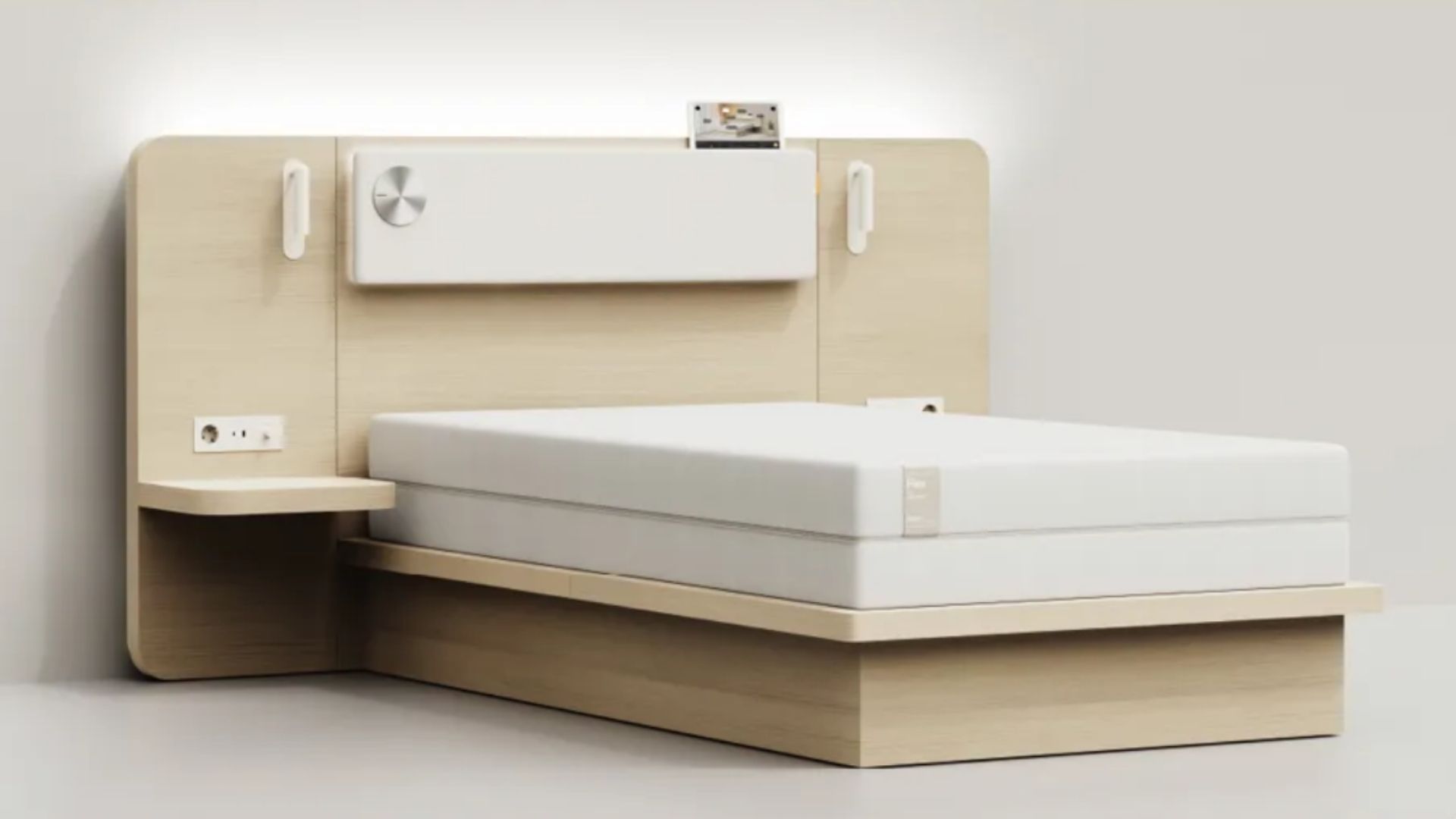
Does your teen complain about not getting enough sleep? While the best smart beds and mattresses should help just about anyone, the Neuro Wellness Youth Bed is designed specifically for adolescents, who more than anyone need to get enough rest for their developing bodies and brains. It does so through a combination of light, aroma, sound therapy and thermal control, as well as a spinal thermal massager to promote physical growth.
And, in case your kids procrastinate with their homework, a display can remind teens to review learning materials and books before they nod off. — Mike Prospero
Best Wellness Monitor: Withings BodyScan 2
(Image credit: Dan Bracaglia/Tom’s Guide)
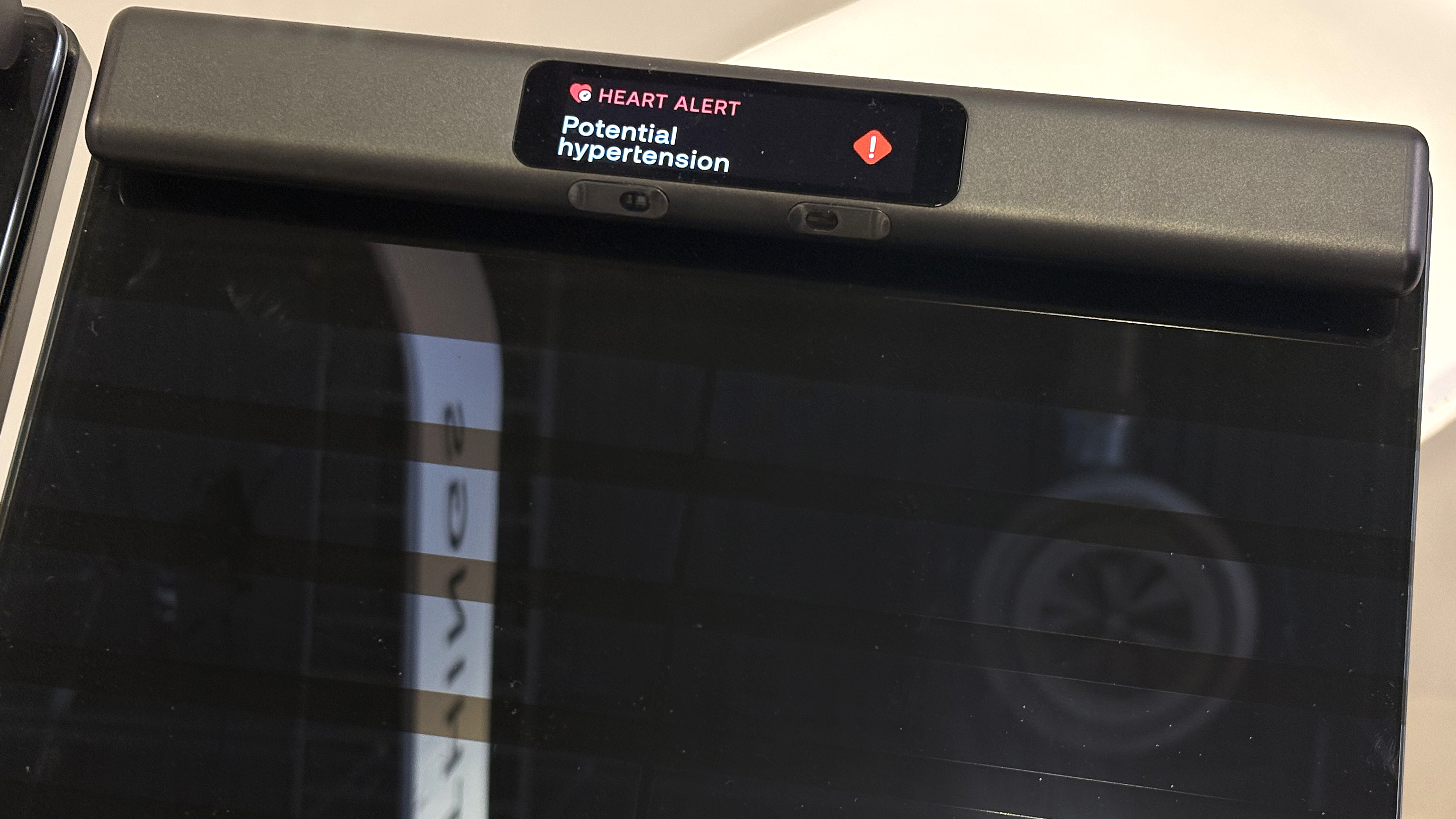
Withings, the Paris-based wellness gadget company, is doubling down on at-home preventative health monitoring. The new Withings Body Scan 2 looks pretty similar to a standard, run-of-the-mill smart scale, but it’s that and so much more. In 90 seconds, this new smart scale can provide deep insights into your metabolic, cardiovascular, and cellular health using a whopping 60 biomarkers.
I tested the Body Scan 2 on the tradeshow floor and discovered that I have the heart health of a 36-year-old (I’m 37) and the vascular health of someone exactly my age. The scanner also provides metrics for muscle-to-fat ratios (mine were ‘typical’ or in the bottom 50% of users my age) and visceral fat levels (within optimal range). All of these metrics are accompanied by text explaining how each score was determined, along with how the results compare to your peers. Heart health age, for instance, is based on a user’s ECG (Electrocardiogram) and ICG (Impedance Cardiography) readings.
Priced at $599 and expected to ship around summer 2026, my favorite aspect of the Body Scan 2, beyond the useful insights, is just how easy it is to use. Simply step on the scale platform barefoot and firmly grip the hand sensors. A small but easy-to-read display guides you through the process, which involves little more than standing still for a minute and a half. — Dan Bracaglia
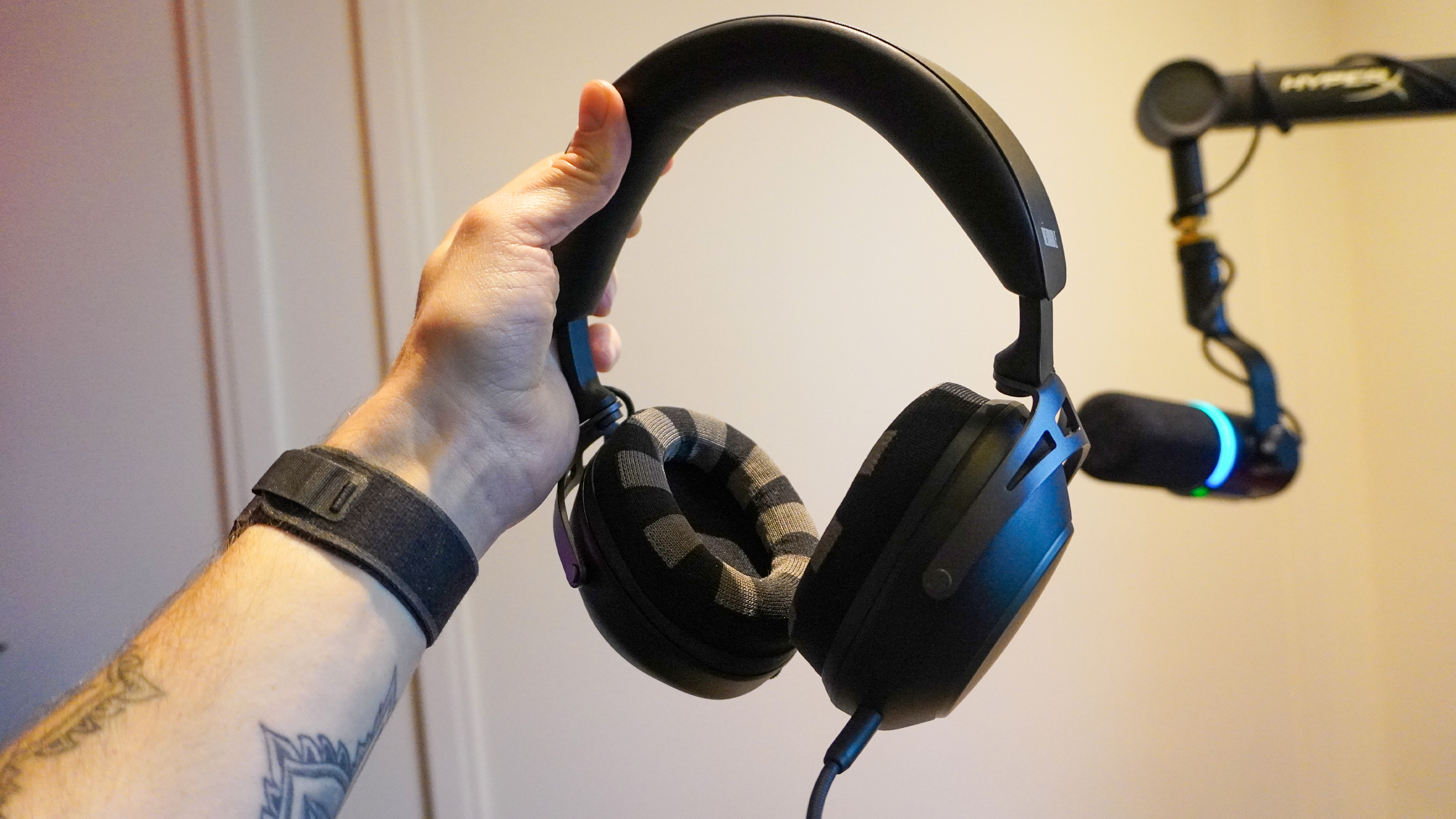
Best Gaming Headset: HyperX Neurable concept headset
(Image credit: Future)
Imagine a gaming headset that can read your brainwaves and actually make you better at gaming — one that does so by overclocking your brain. That’s what the HyperX Neurable concept headset does, and it feels like a cheat code that turned me into an FPS monster.
Using EEG pads built into the headphone cups and an AI inference model, the headset is able to read your brain signals and use a visualizer to form a focus exercise that both relaxes your body and increases your brain’s focus simultaneously.
And in my test, I saw my top score in Aim Labs FPS shooting range go up by 5,000 points, my accuracy go up by a couple of percentage points, and my time to respond to targets reduced by nearly 100ms. The applications of this are huge in the gaming space, and I so want to try one with my sim racing league. — Jason England
Follow Tom’s Guide on Google News and add us as a preferred source to get our up-to-date news, analysis, and reviews in your feeds.
More from Tom’s Guide