
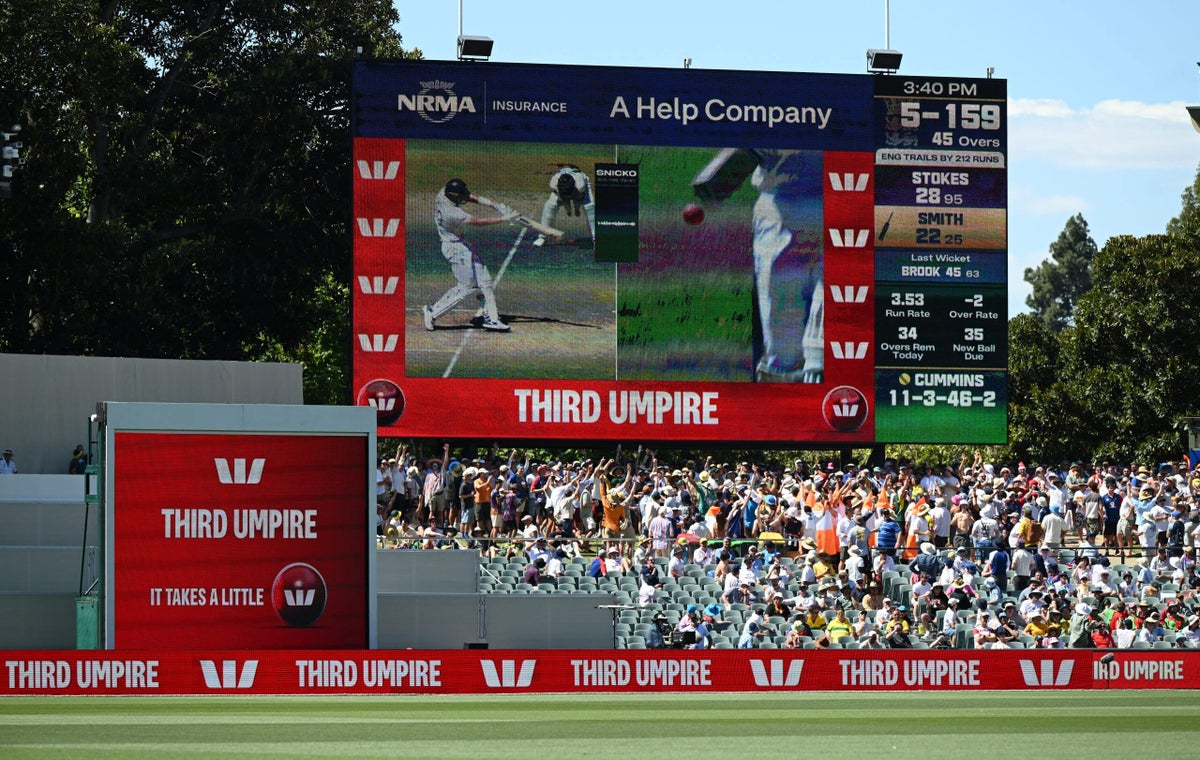
It was pretty easy for Australia on home soil again in the Ashes.
They won the series in joint-record time (11 days) and, while England earned a wild consolation victory at the Melbourne Cricket Ground, order was restored at Sydney as the hosts completed a resounding 4-1 win.
As with every Ashes, there were career highlights for some, while others endured absolute shockers. If you’re looking for individual player assessments, we’ve already ranked everyone who featured — so here is our handy guide to the Ashes 2025-26, winners and losers.
The losers‘Bazball’
It was fun while it lasted.
Always bowling first, goading the opposition to set higher run-chase targets, fast batters, fast bowlers, sixes, vibes over results, reinventing the entire concept of Test cricket… when England were winning, ‘Bazball’ was great. But when they started losing and used ‘Bazball’ as their excuse, it all got a bit silly.
It wouldn’t work in real life. Vigorously ‘cheers’ your mate with your pint glass and it spills everywhere? Sorry, pal, ‘Bazball’. Pour far too much gravy over your girlfriend’s Sunday roast and it dribbles all over the floor? Sorry, love, ‘Bazball’.
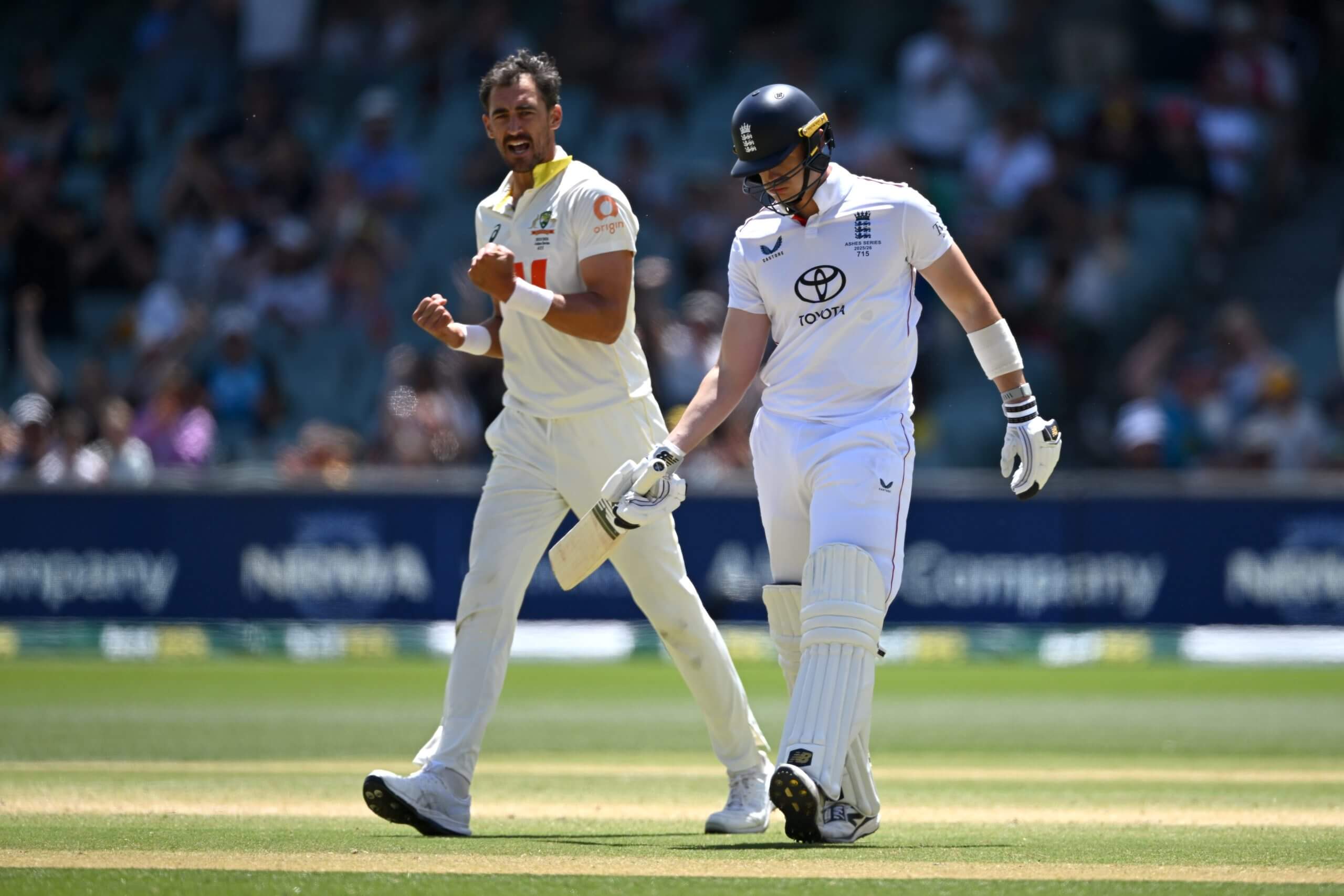
Mitchell Starc celebrates while Jamie Smith practises the shot he had been attempting to play (Gareth Copley/Getty Images)
Seeing the danger and running towards it sounds bold and brave as a concept, but when in cricketing terms that means trying to hit a fifth successive Mitchell Starc ball to the boundary during a long, delicate run chase in Adelaide, well, it just looks absolutely pathetic to be honest.
Brendon McCullum will surely now move on from the Test side, for it would be folly to expect or ask him to change his ways.
Bazball, gone but never forgotten, 2022-2026.
Snicko
Imagine seeing the hugely successful Hawkeye Ultra-Edge system being used pretty flawlessly around the world to judge whether a batter has edged a ball, and then deciding: “Hmm, nah, we’ll do our own thing, cheers.”
Hawkeye uses specialist cameras with a high frame rate to make its decisions and it works brilliantly. Australia opts for Snicko, which uses broadcast cameras with pixel rates that look like they were lifted from Microsoft Encarta ’95. For every single frame you see on Snicko, UltraEdge would have six.
Hence, the frequent use of the word ‘murmur’ during the series, with little spikes showing up either after or indeed before the ball passed the bat.
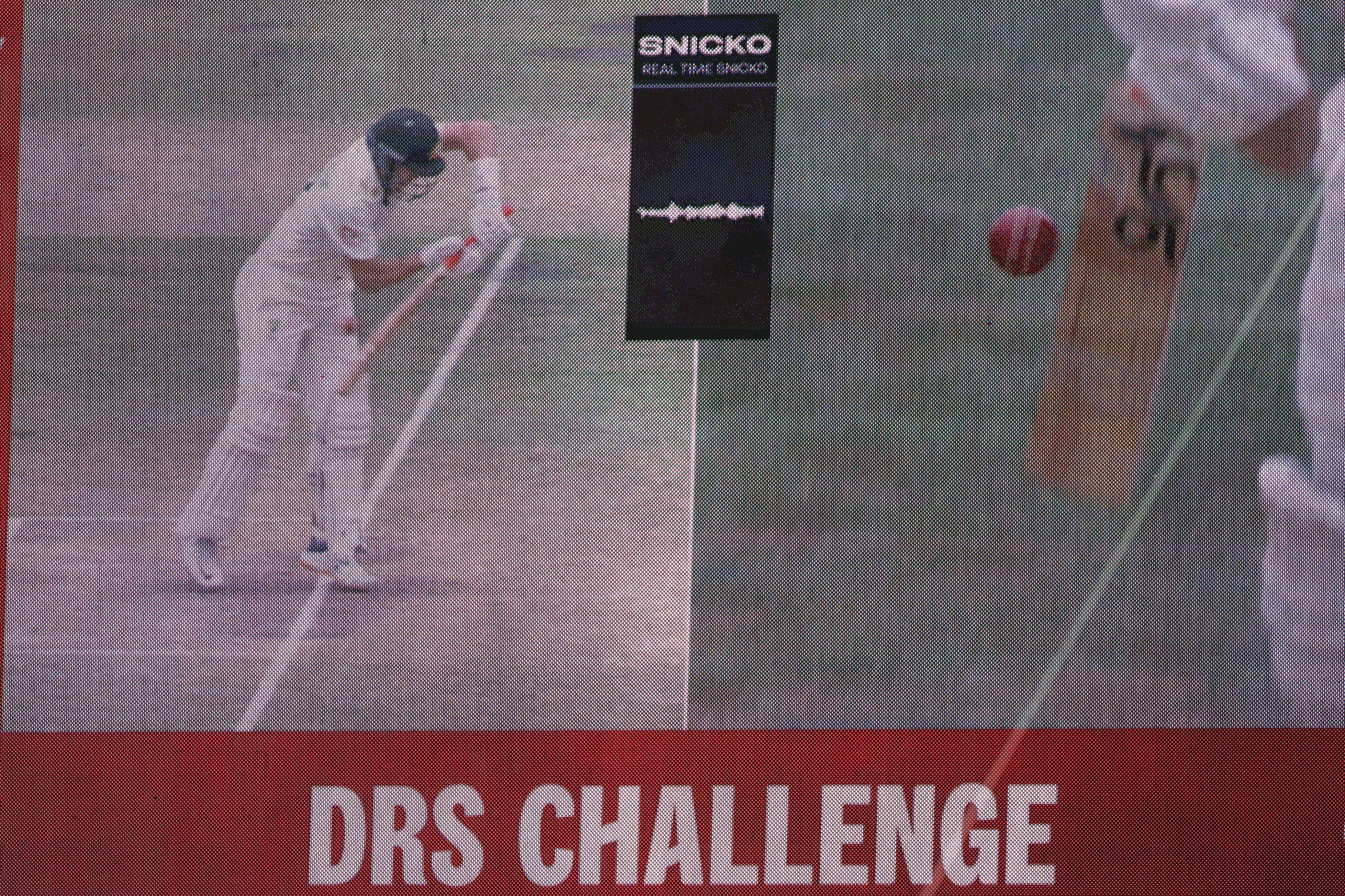
The DRS Challenge (DRS) is displayed on the big screen at Adelaide Oval and Snicko does its thing. Or doesn’t (Darrian Traynor/Getty Images)
Both teams lost complete faith in the technology, with the low point coming in Adelaide when Alex Carey was given not out because they took the sound from the stump mic at the non-striker’s end.
It was Chuckle Brothers fare in supposedly the biggest Test series in the world.
TNT Sports
While Australians were spoiled for choice with two TV channels and three radio stations providing a high level of quality coverage via considered analysis from expert pundits such as Ricky Ponting, Justin Langer, Simon Katich, Kerry O’Keeffe and Alyssa Healy, back in England viewers who stayed awake through the long winter nights to endure another miserable Ashes away defeat were forced to watch it through the unsynced prism of TNT Sports.
The audio often didn’t line up with the images (a bit like Snicko, in all honesty). The lead commentator wasn’t in Australia for part of the series and later commentated on a replay thinking Ben Stokes was being run out when it was actually a replay of Jamie Smith’s wicket. The commentators were not cricket experts, mistakes were made in identifying players and at times, they struggled to decipher the graphics from the host broadcaster.
Apart from that, they were great. Oh, and it cost subscribers £30.99 ($41.57) a month to watch.
The MCG curator
When Matt Page was forced to do a perp walk in front of dozens of reporters, cameras and microphones for not mowing the grass short enough, it looked like a clip from a sketch show.
A 15-minute press conference followed, in which Page was grilled about the weather and why he had left 10 millimetres of grass on the MCG pitch in Melbourne after 36 wickets fell in a two-day Test.
He won’t be doing that again. The MCG and Perth Tests both lasting just a couple of days reportedly cost Cricket Australia around A$10million (£4.98m; $6.7m) in lost revenue.
Spin bowlers
Nathan Lyon’s 55 overs, the majority of them bowled in Adelaide, were the only overs bowled by a specialist spinner in the whole series.
England didn’t pick a front-line spinner in any match, with poor Shoaib Bashir spending two months running out drinks, while Australia ditched spin altogether in Brisbane, Melbourne and Sydney — the latter for the first time since 1888.
There were no overs of spin from anyone in Melbourne for just the second time ever in an Ashes Test.
Sure, the drop-in pitches offered less assistance to spinners, but their absence made for a lack of variety and tempo. And the sight of Beau Webster taking three wickets and Joe Root ripping it square in Sydney suggested both teams may have got their selections wrong.
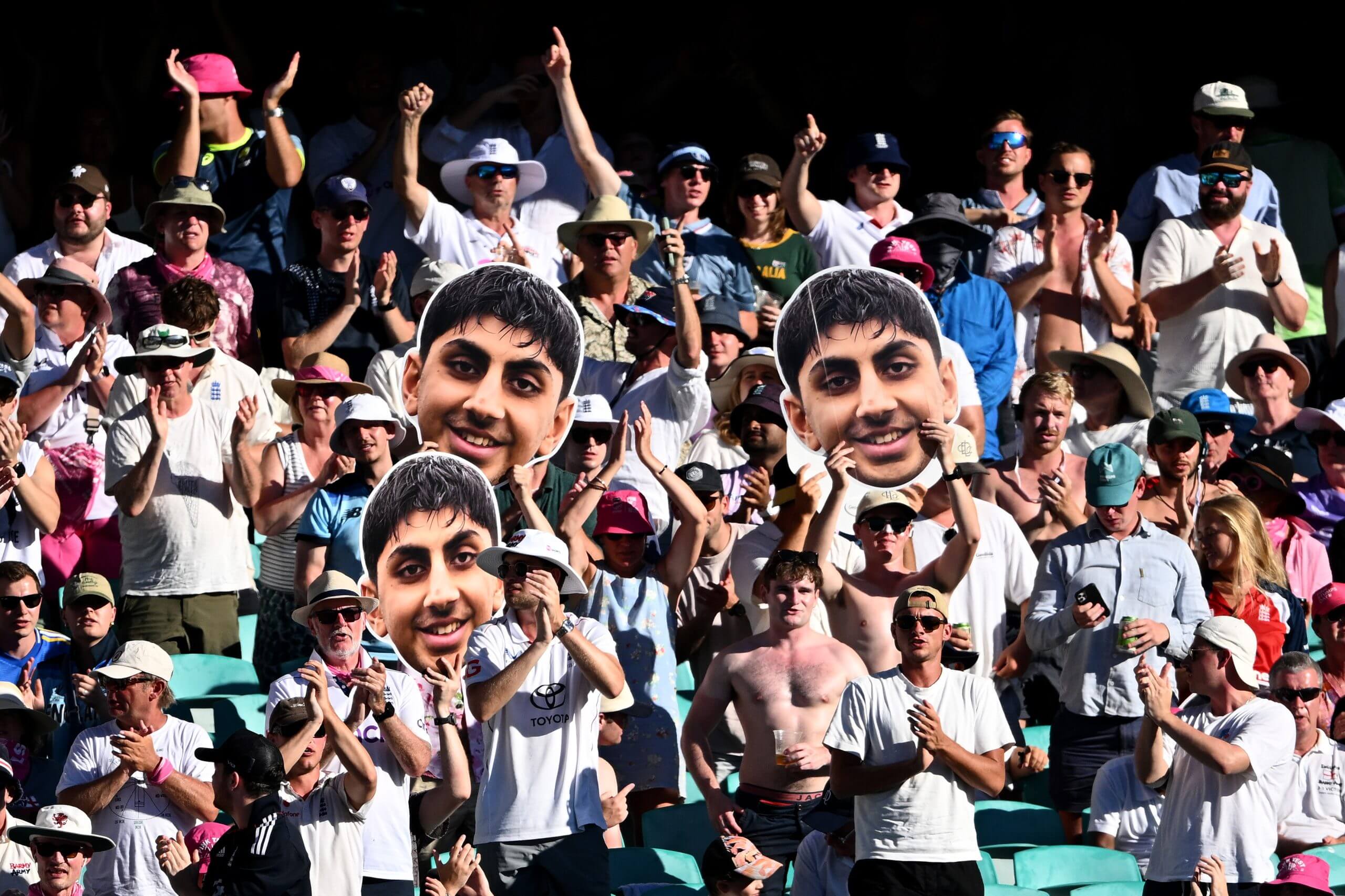
England fans wave Shoaib Bashir masks in Sydney (Gareth Copley/Getty Images)
Batters. Nearly all of them
It was a bowlers’ series, without doubt. Mitchell Starc and Josh Tongue were the players of the series for the two sides and for England, it took youngster Jacob Bethell and bowler Jofra Archer to show their team-mates how to bat amid a long list of lamentable, head-shaking dismissals.
Even in victory — and with a nod to the magnificent Travis Head — half the Australian batting line-up was thrown in doubt for their next Test series in August, with Jake Weatherald, Marnus Labuschagne and Cameron Green all at serious risk of losing their places. Usman Khawaja has retired.
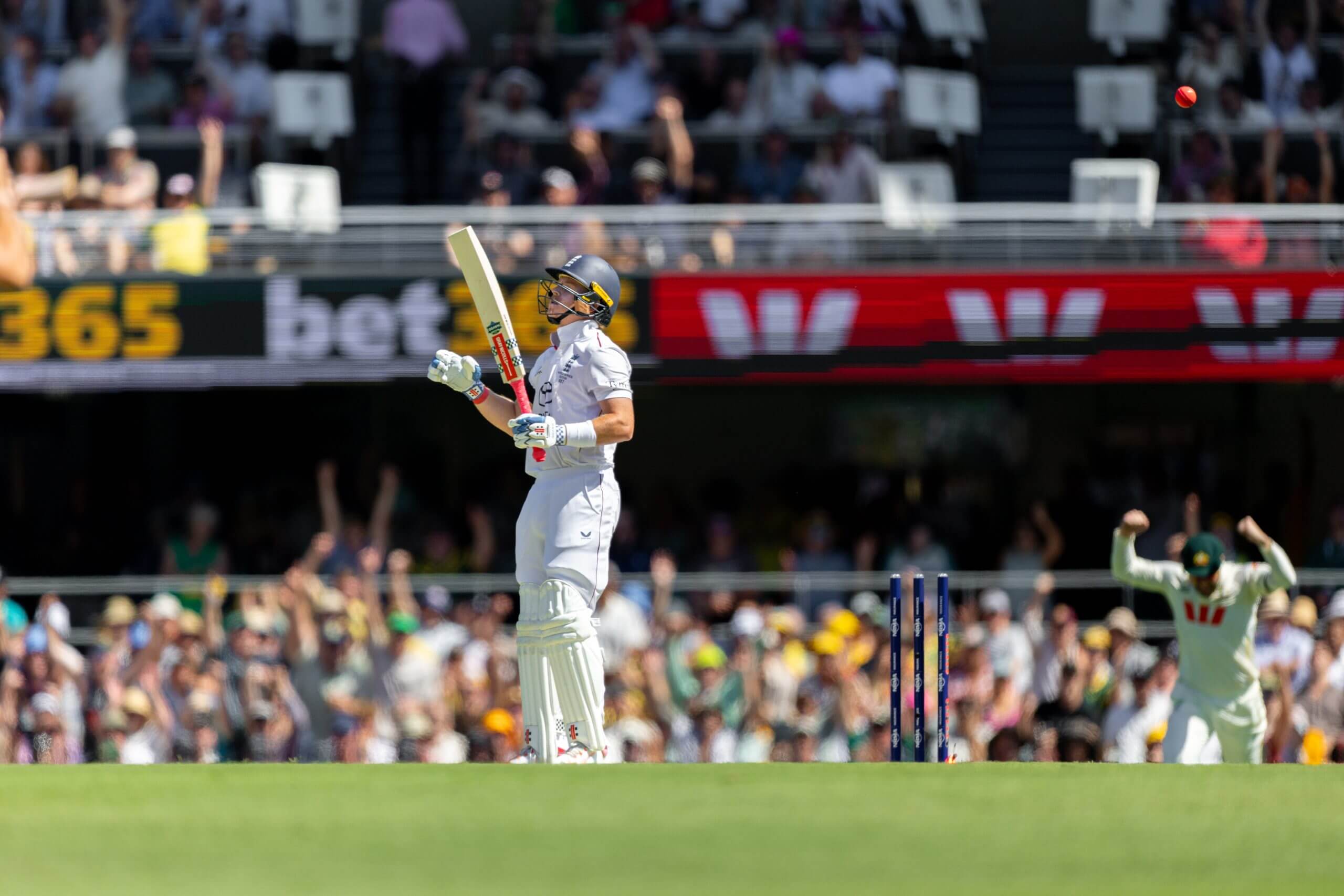
Ollie Pope wonders how he has been bowled in Brisbane (Santanu Banik/MB Media/Getty Images)
The winnersAustralia’s image
Sandpaper-gate has been forgiven if not forgotten (the Barmy Army still remind Steve Smith on an almost daily basis that he cried on the telly) but this was a very good series for the image of Australia’s cricketers.
While Ben Duckett requested an Uber and England went drinking in Noosa, Australia just drank when they celebrated victory. And the three key players behind their comprehensive victory, Travis Head, Alex Carey and Mitchell Starc, just came across as bloody good blokes.
They didn’t even rub it in English faces too disingenuously, with Head’s Instagram picture of him and Pat Cummins having a celebratory drink with the caption “Is it 2010 yet?” — a dig at Stuart Broad saying this was the worst Australia team since 2010 — as bad as it got. Broad was still right, but Australia were still too good.
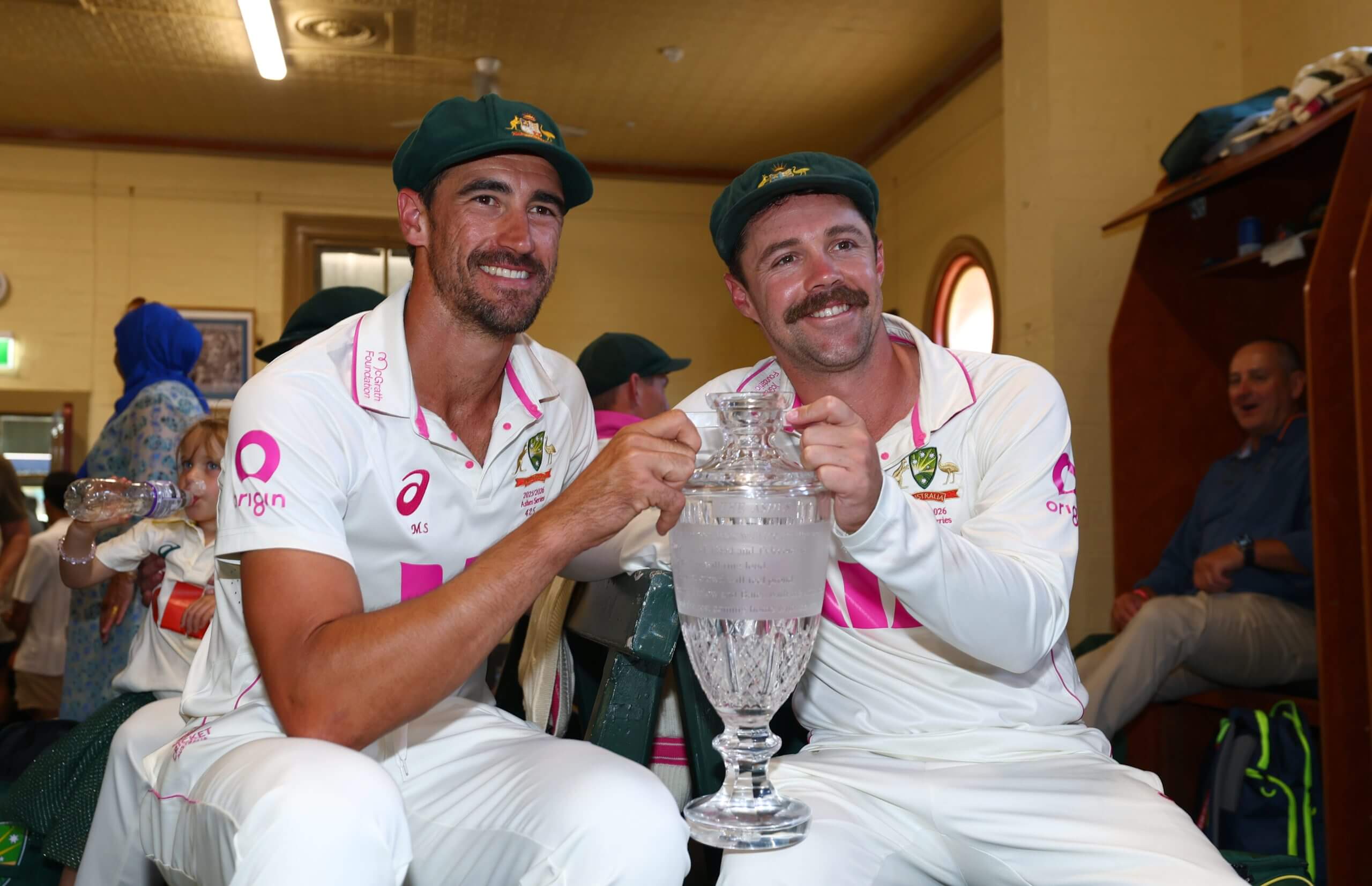
Mitchell Starc and Travis Head hold the Ashes trophy at the SCG (Robert Cianflone/Getty Images)
Test cricket
‘Test cricket is alive and well’ has been a line thrown around for a few years now, but in truth, the popularity of the game in England and Australia has never waned.
However, it came as a surprise to just about everybody, even Cricket Australia, to see the incredible attendance figures around the country at all five Tests.
There were records broken, either for all-time figures or for recent decades, in Perth, Brisbane, Adelaide, Melbourne and Sydney. The highlight was Boxing Day at the MCG, which hosted the biggest crowd for a single day of Test cricket in the history of the sport when 94,199 turned up to see 20 wickets taken.
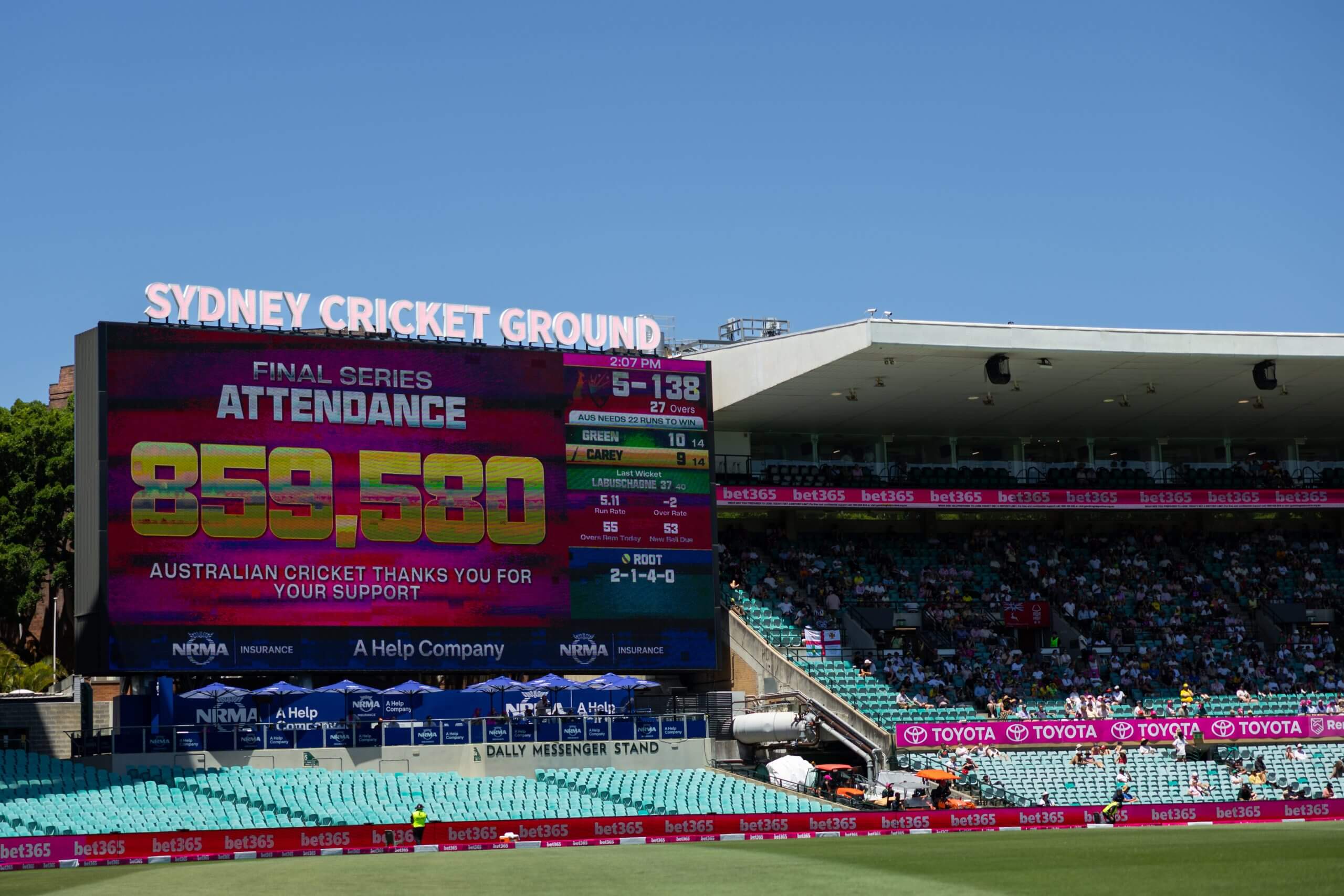
The big screen at the SCG proclaims the series attendance of 859,580 (Santanu Banik/MB Media/Getty Images)
With the last Ashes in Australia having been played during the pandemic, fans of both countries had waited eight years to watch the most popular series the sport has to offer. It may have been low quality at times, but Test cricket was the winner.
Well, Australia won, but you see the point.
Dad’s Army bowling attacks
Concerns over the wrinkled nature of Australia’s bowling attack before the series were legitimate, but ultimately completely unfounded.
The menacing Starc (age 35) and the imperiously obdurate Scott Boland (36) and Michael Neser (35) did the majority of the work, with Starc and Boland playing the full five-match series.
They were supported by Pat Cummins (32), Brendan Doggett (31) and baby Jhye Richardson (29), while the 38-year-old Lyon barely featured but still overtook Glenn McGrath in the all-time leading wicket-taker list on the Adelaide Oval where he was on the ground staff rolling the wicket 14 years earlier.
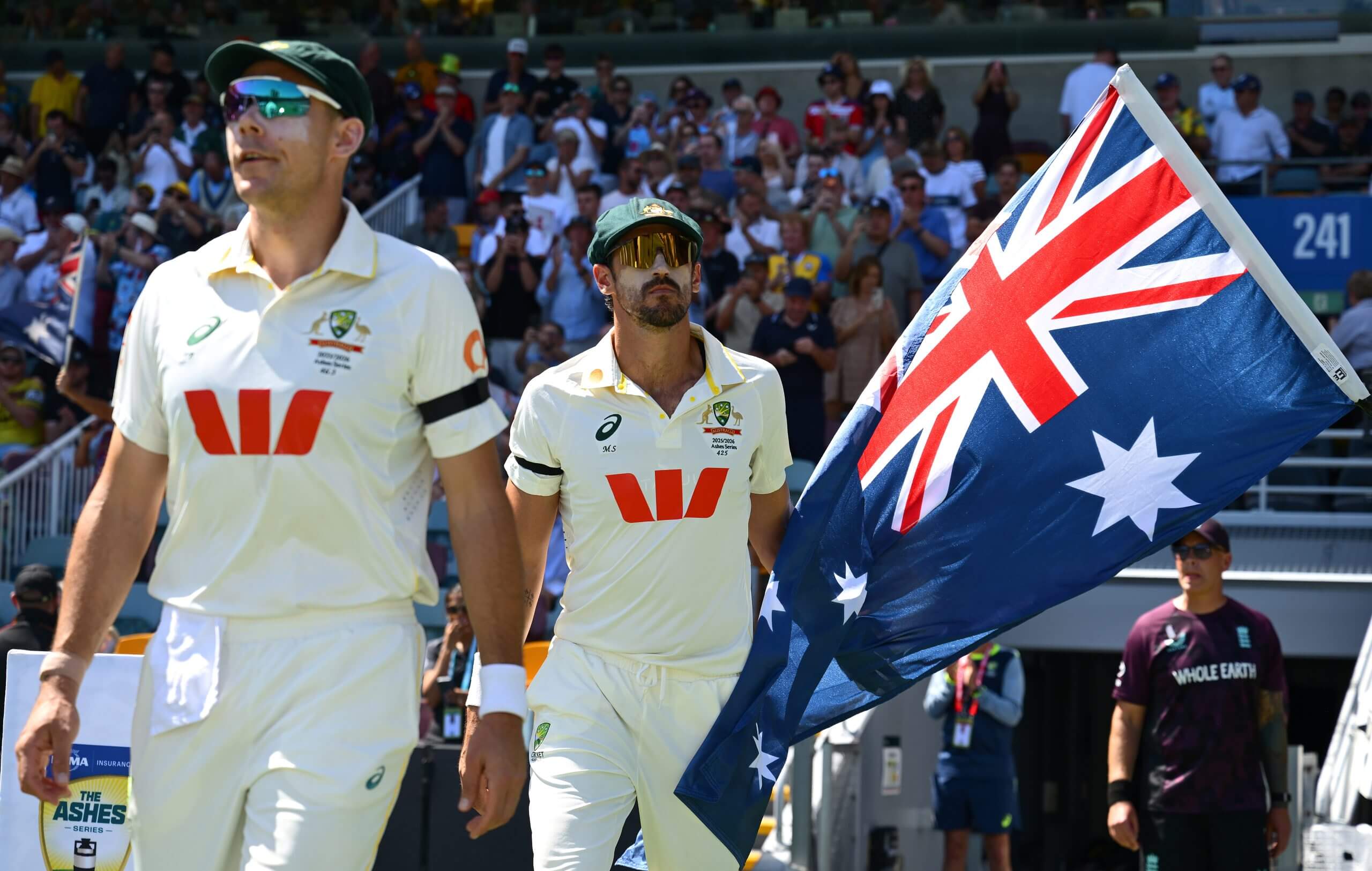
Scott Boland and Mitchell Starc emerge into the sunlight at the Gabba (Bradley Kanaris – CA/Cricket Australia via Getty Images)
England had turned up with mostly seam bowlers offering decent pace. Australia had vicious left-arm pace and swing through Starc, while Boland, Neser and Doggett had the variety to exploit home conditions, change plans (Alex Carey coming up to the wicket being one) and bowl with repeated discipline.
On paper, England were as good and as talented as Australia, but the hosts were far smarter, cannier and more adaptable, with more variety in their skill set.
Traditional batting methods
Ben Stokes saved one of his best quotes of the tour for last.
As the dust was settling on a 4-1 defeat, Stokes was asked about Jacob Bethell’s outstanding innings at the SCG and he responded not just with gushing praise, but with a window into the future of how England may approach a post-Bazball environment.
“The way he structured his innings, the options he took with how Australia were bowling at him, the different plans they threw at him and how he was able to get himself through those moments, I thought was absolutely exceptional,” Stokes began.
“Even myself, some of the other guys in there, generally can look at that, and how he applied himself in different moments throughout his innings, it’s something we can all take a lot of.
“Just learn from how he constructed his innings there. We’ve all been thrown different challenges from Australia at different points of our innings. Jacob and Joe (Root) as well were able to combat all of those and reap the rewards of it.”
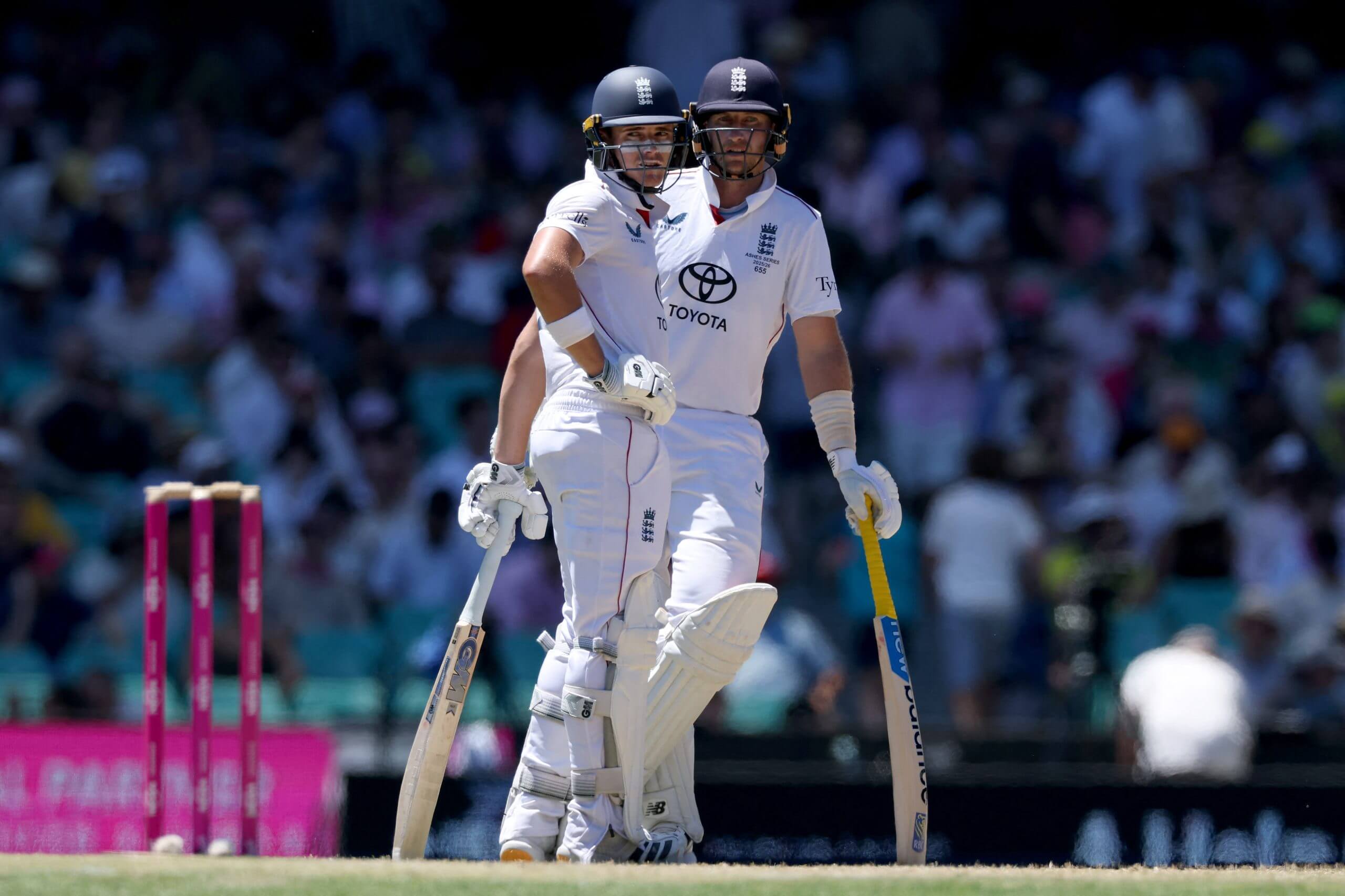
Jacob Bethell and Joe Root batting together in Sydney (David Gray/AFP via Getty Images)
England’s best two batters in Australia both come from the traditional mould. They paced their innings, played the ball as much as the situation, and respected the conditions and the bowler.
In other words, they didn’t try and heave a part-timer bowling 70mph bouncers into the stands with the field out.
The Noosa tourism board
Seriously, hands up who had heard of Noosa two months ago? The place McCullum calls paradise has had more free publicity than sun and air in the past few weeks, with England’s mid-tour holiday becoming front-and-back-page news for a variety of reasons.
We know the lager looks good, we know the beaches look good and we know England’s players aren’t there anymore taking up the bar stools.
What else is there to know? See you there next year.