
(Credits: Far Out / Steve Alexander)
Tue 13 January 2026 17:00, UK
There comes a moment in any music fan’s life where the records of yesteryear begin to make great sense in your life. Flicking back through the digital crates and listening to the romping riffs of late 1960s rock and roll takes you to a place of cultural intrigue from which you rarely return.
All the classics make their way to your turntable as you return from the local record shop, buoyed by the endless possibilities of music history. The Beatles and Jimi Hendrix took centre stage for me, as they spearheaded a listening movement into the psychedelic past. But then, when my appetite for experimentation ebbed, and I wanted nothing more than the simple joy of good rock and roll, I would always revert to Bob Seger’s ‘Ramblin’ Gamblin’ Man’.
Respectfully, it felt like a much-desired dose of classic rock junk food. The steady drum beat, buoyed by the organ part, felt like a warm brioche bun, while Seger’s vocals were the fatty beef patty that packed the necessary punch. Then, as a teenager knows better than anyone, all that was left was a slab of processed cheese to add the finishing touches of indulgence, which on ‘Ramblin’ Gamblin’ Man’ came in the form of backing vocals.
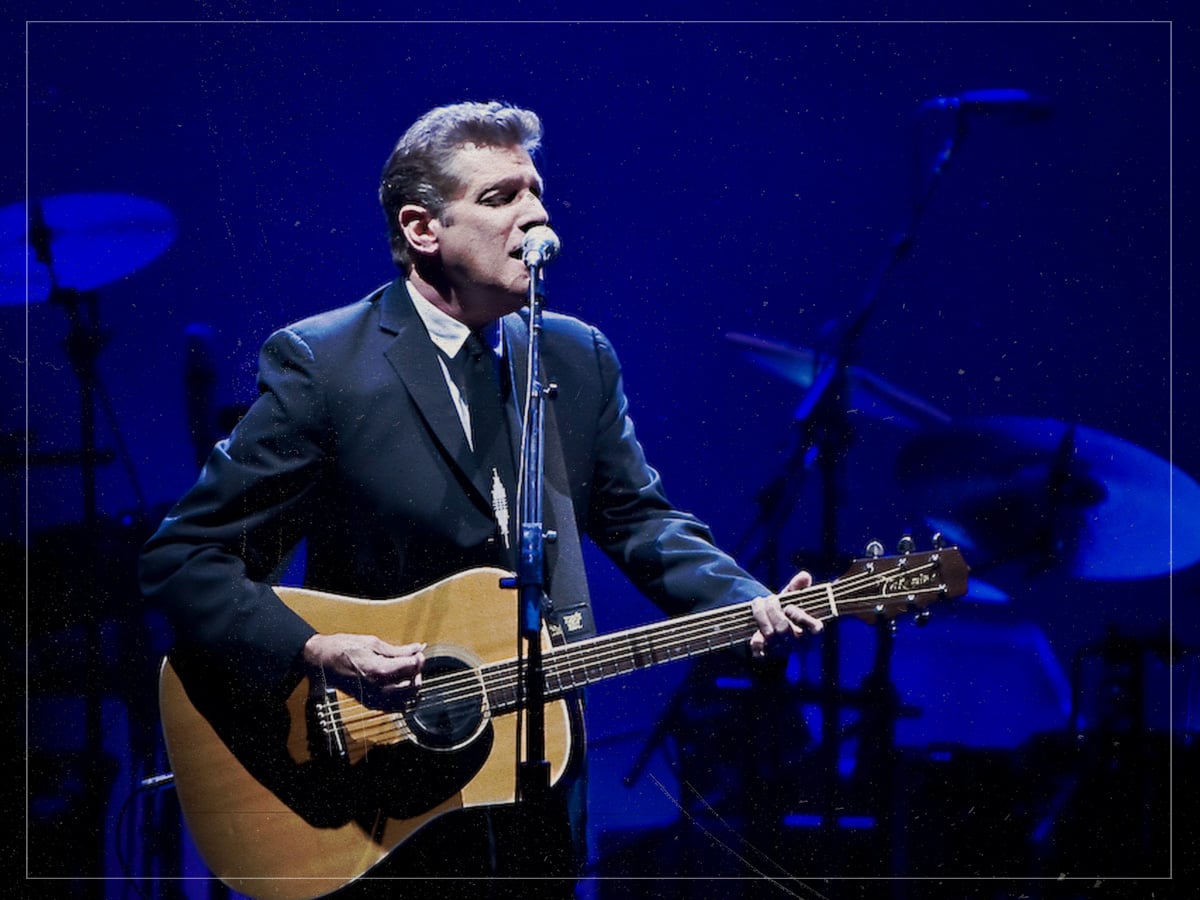
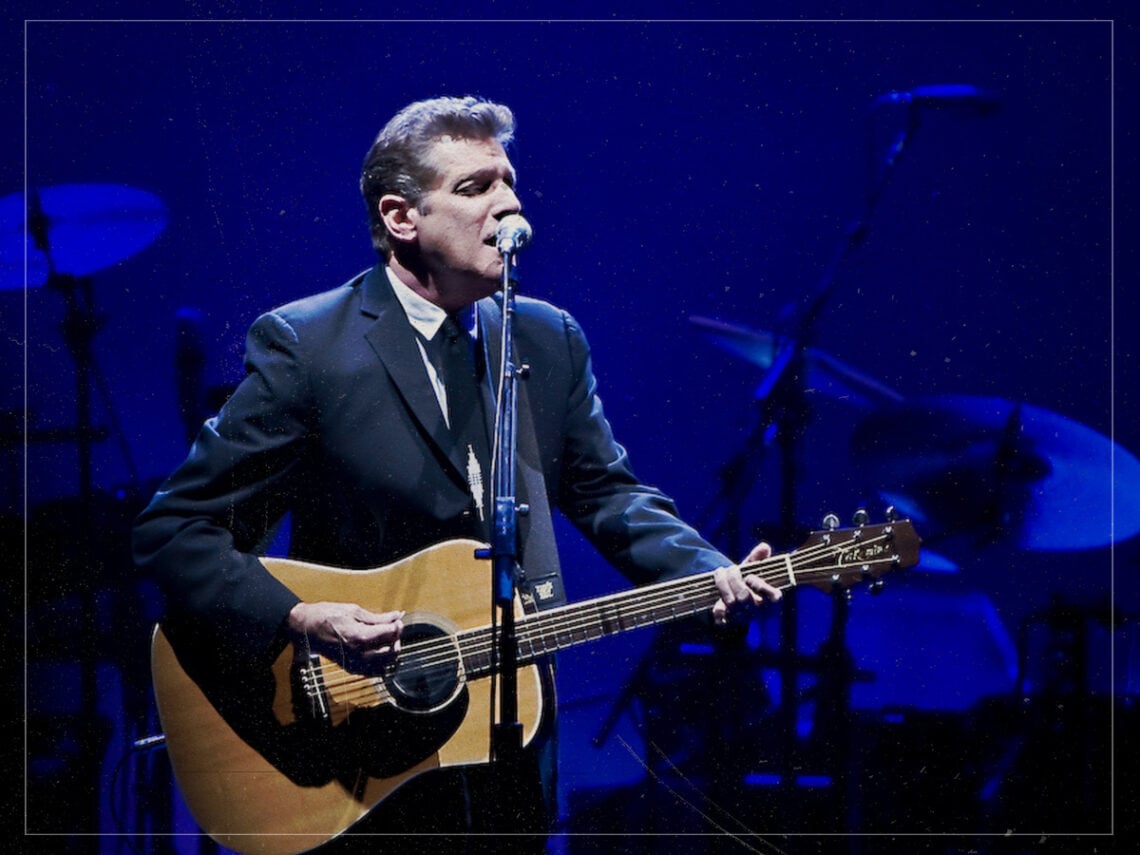
It was packed with the sort of swagger a burgeoning rock fan craves, and so, it comes as no surprise that it was a song that soundtracked the development of one Glenn Frey. An artist who epitomised the glamour and confidence of late 1970s rock and roll cut his teeth on Seger’s track as a mere 19-year-old.
Before he packed his bags for the sunny climates of Los Angeles, Frey was kicking around his native Detroit, bouncing between bands and trying to make it as a rockstar. Then one day, Seger called and asked him to come and contribute to some of his tracks.
A young Frey turned up to the studio with an acoustic guitar under his arm and a whole load of enthusiasm, which was later harnessed to lay down guitar parts and backing vocals for Seger’s biggest hit.
While Frey has since been recorded as citing Seger as one of his most important influences, his stardom ended up tempering his praise. Nevertheless, he still said that “Seger was cool. I was never in his band, but he liked me and let me come to some sessions when he was recording.”
Adding, “He let me play maracas and, on one song, he let me play acoustic guitar. I also got to sing backup vocals on Seger’s song ‘Ramblin’ Gamblin’ Man’, which was like his first big hit.”
In terms of a first credit, it was a pretty good one for Frey and undoubtedly set a precedent for him to follow later on in his career. Eagles’ flip from country-led ballads to harder-edged rock will surely have been subconsciously informed by the likes of Seger, a musician whose music embodied the unbridled spirit of rock and roll. A spirit that, a decade later, the Eagles would personify.
Related Topics