

You may not realise that you no longer need to pay into this scheme even if you stay in work
You may not realise this National Insurance rule applies to you even if you keep working(Image: Getty)
Brits reaching State Pension age could be in line for a DWP boost, even if they continue to work. If you stay in employment after the age of 66,you no longer need to make need to pay National Insurance Contributions.
Approximately 13 million people across the UK, who are of State Pension age, receive weekly payments of up to £230.25 from the Department for Work and Pensions (DWP). Upon reaching the official retirement age – currently 66 but set to incrementally increase to 67 between 2026 and 2028 – one can opt to retire and claim their State Pension, defer it, or continue working while also claiming it.
If you’re contemplating claiming your pension whilst still employed, bear in mind that the Personal Allowance is frozen at £12,570 until April 2030, and any income exceeding this threshold will be subject to tax. Although deferring can enhance annual State Pension payments by over £600 each year, many older workers might not realise that from the age of 66, they are exempt from paying National Insurance Contributions (NICs) through their salary.
However, as reported by the Daily Record, this income enhancement doesn’t occur automatically and needs to be communicated to your employer. Assistance can also be sought from HM Revenue and Customs (HMRC).
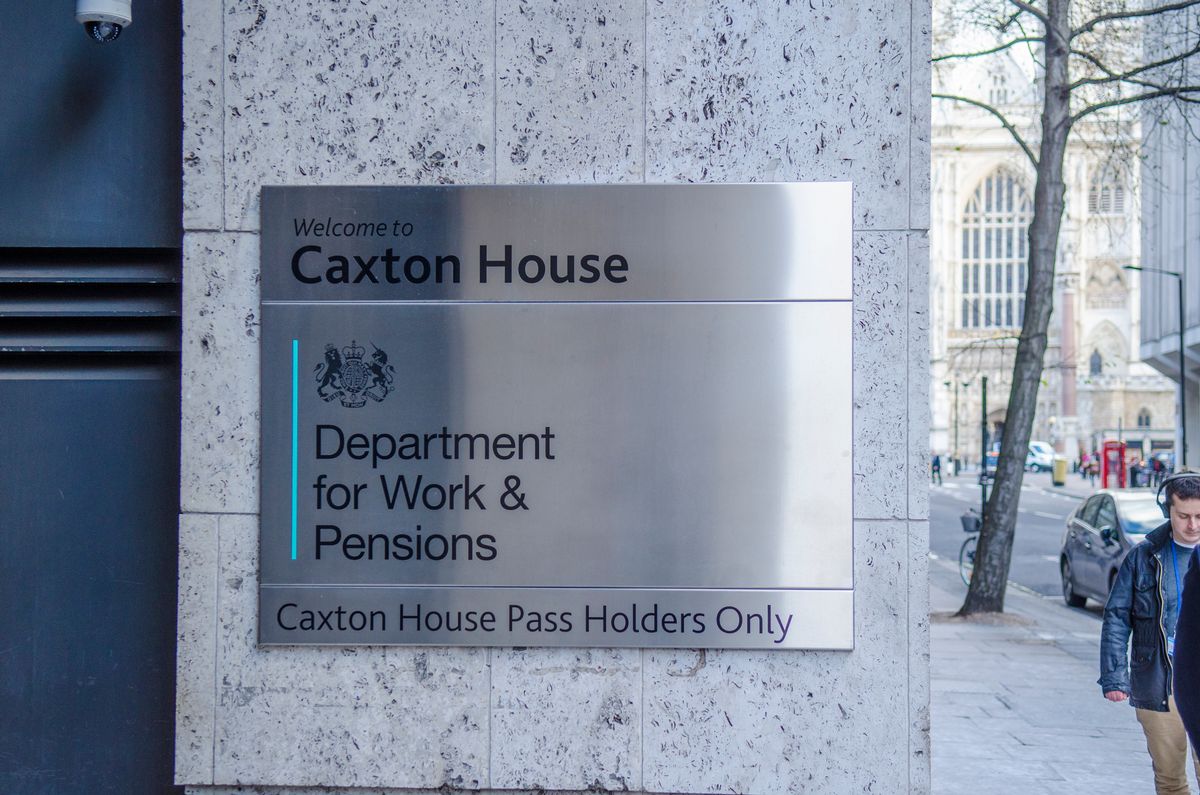
Nearly 13 million people across Great Britain are of State Pension age and receiving weekly payments of up to £230.25 each week from the DWP(Image: Getty)
If you’re an employee who has already reached State Pension age and continues to pay NICs, you can claim this money back. Guidance on GOV.UK explains how the process of eliminating NICs from your pay operates if you are an employee or self-employed.
The guidance explains: “If you’re self-employed, your Class 2 National Insurance contributions will no longer be treated as paid. You stop paying Class 4 National Insurance from 6 April (start of the tax year) after you reach State Pension age.
“You only pay Income Tax if your taxable income – including your private pension and State Pension – is more than your tax-free allowances (the amount of income you’re allowed before you pay tax).”

If you’re an employee who has already reached State Pension age and still paying NICs, you can claim the money back(Image: Getty)
How to stop National Insurance payments
The official guidance clarifies that those who remain in employment must provide their employer with proof of age to ensure National Insurance deductions stop – a birth certificate or passport will suffice.
Should you prefer not to share your birth certificate or passport with your employer, HMRC can instead issue you with a letter for this purpose.
The letter will verify:
You have reached State Pension ageYou do not need to pay National Insurance
It’s worth noting that you’ll be required to contact HMRC in writing, outlining your reasons for not wanting to disclose your birth certificate or passport to your employer.
Where HMRC lacks a record of your date of birth, you’ll be asked to submit your birth certificate or passport for authentication – certified copies are acceptable.
Comprehensive information regarding ceasing National Insurance payments from age 66 and available tax reliefs for those beyond State Pension age can be accessed on GOV.UK here.