

Products featured in this Yahoo article are selected by our shopping writers. We will earn a commission from purchases made via links in this article. Pricing and availability are subject to change.

Jigsaw puzzles have been around for centuries as an educational tool, but in modern times, they are fun for the whole family. (Getty Images)
(supersizer via Getty Images)
Hobbies are very personal pursuits of happiness, but finding one that’s affordable and can be done in the comfort of your own home, at a time that suits you, can be a challenge.
One such hobby that any generation can enjoy is jigsaw puzzles, which saw a surge in popularity over the COVID lockdowns in 2020 and 2021, but have remained in high demand since. In fact, research shows that a third of UK adults do jigsaws.
The problem-solving activity has been around for centuries, thought to be invented by John Spilsbury, a map engraver who created the first jigsaw puzzle to help children learn geography at school.
Modern puzzles come in a multitude of shapes, sizes and images to entertain both individual jigsaw enthusiasts and entire families for hours on end. Working out how each puzzle piece fits into a larger picture isn’t just a fun way to spend time together without screens; studies have also found that jigsaw puzzles can have beneficial effects on our neurological health.
4 ways doing jigsaw puzzles could benefit your brainMay reduce the risk of dementia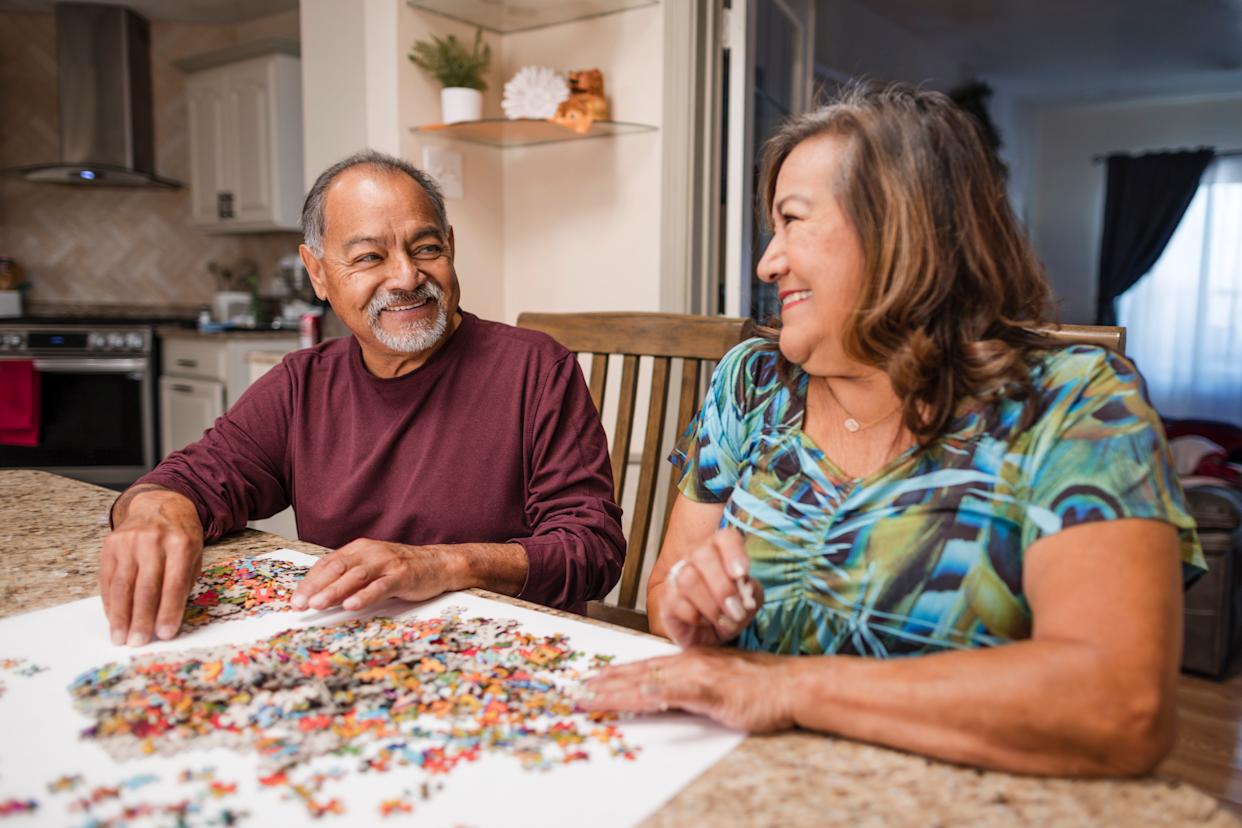
As studies reveal how keeping an active brain can help keep dementia at bay, jigsaw puzzles is emerging as a challenging yet low-cost activity that may help to protect against cognitive decline. (Getty Images)
(Laura Olivas via Getty Images)
Challenging yourself with mental activities, such as puzzles, crosswords, and games like chess, may help keep your mind sharp as you age. Some studies have even shown that completing challenges like jigsaw puzzles could help reduce the risk of developing dementia.
But more research is needed and Roxi Carare, professor of clinical neuroanatomy at the University of Southampton, told The Guardian that puzzles could prevent dementia is a “strong statement”. Instead, she told the newspaper that “puzzles help delay the onset and worsening of the symptoms of dementia.”
Improves visuospatial cognitive abilities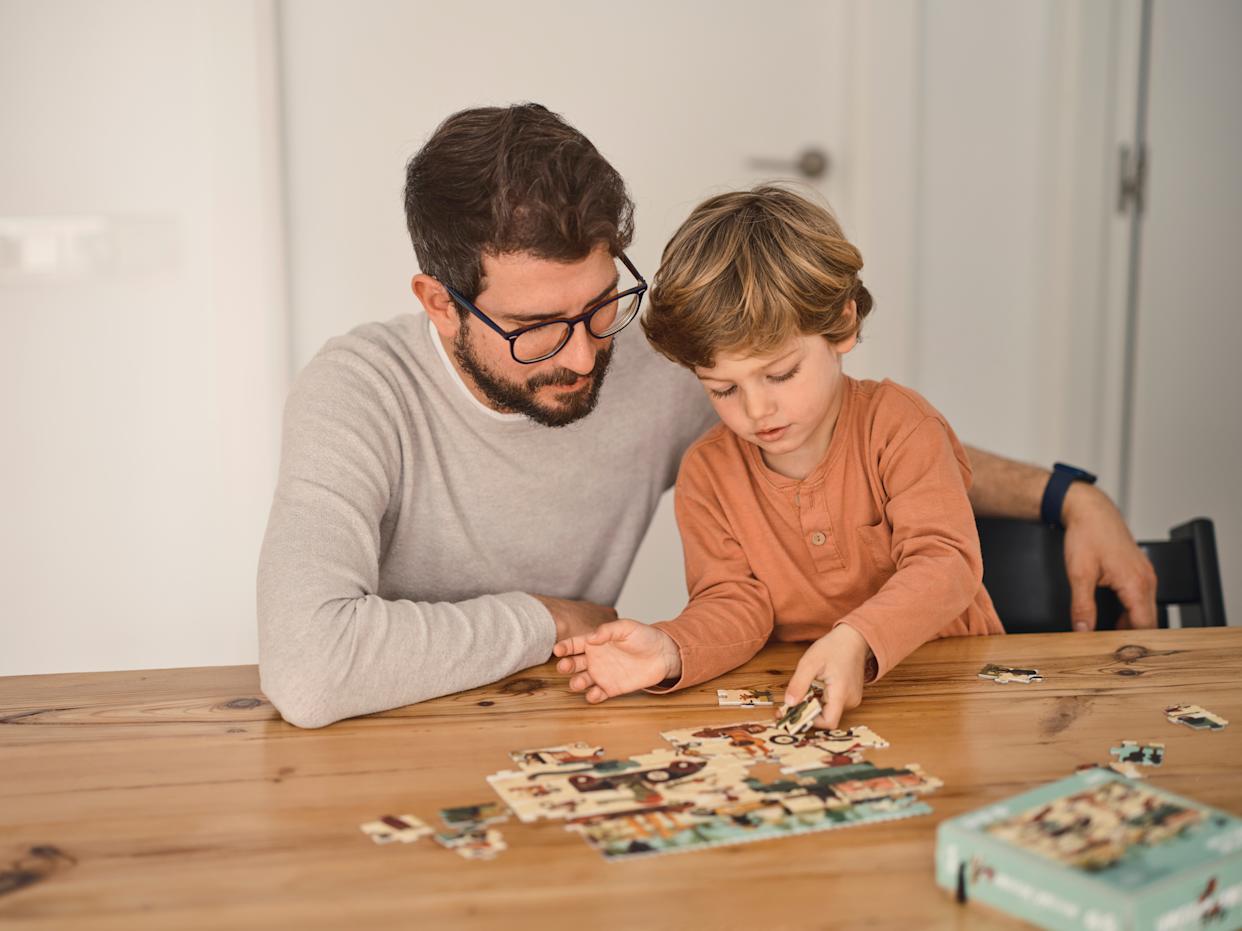
Solving puzzles help improve visuospatial abilities, which are crucial to helping us navigate the world no matter how old we are. (Getty Images)
(Roc Canals via Getty Images)
The word “visuospatial” may sound complicated, but it plays a crucial role in our everyday lives. It refers to the ability to understand and navigate the visual world, including the relationships between objects and your own body in space.
This skill is important for navigation, problem-solving, drawing, and tasks like packing or driving, and is essential in both young and old people.
A 2018 study found that jigsaw puzzling utilises multiple visuospatial cognitive abilities and may be a protective factor against visuospatial cognitive decline with age.
This is because when you are trying to complete a jigsaw puzzle, you look at each piece and the spaces between them, figuring out where they fit, thereby improving your ability to relate each piece to the others.
Could help ‘rewire’ the brain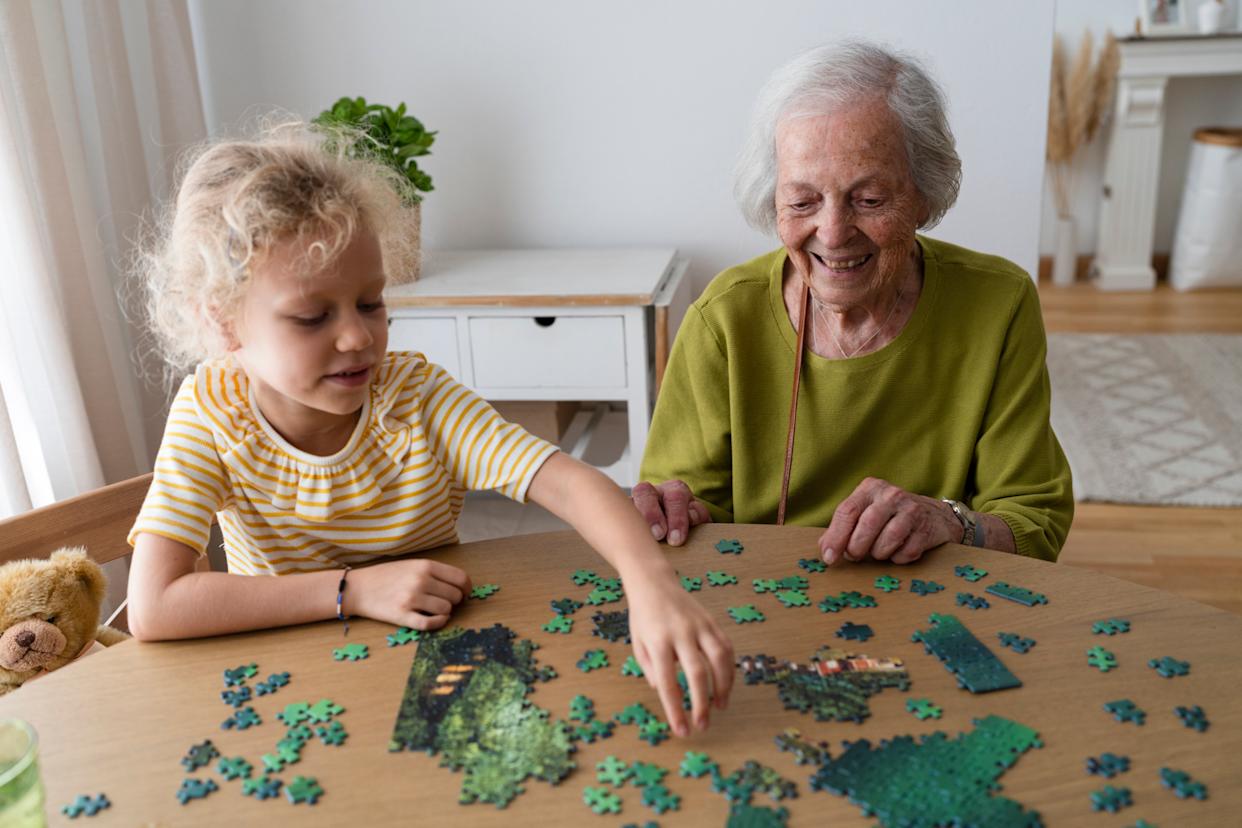
Mentally challenging activities like jigsaw puzzles help create new neural pathways in the brain, known as neuroplasticity. (Getty Images)
(Westend61 via Getty Images)
Neuroscientists believe that solving simple picture puzzles can help create new neural pathways in the brain, effectively aiding in the “rewire” of the brain after a traumatic brain injury.
Images are especially effective at doing this because our brains experience the world visually through our eyes more than our other senses, with even blind people forming their own mental images.
When the brain creates, reorganises or strengthens new neural pathways through cognitive activities, this is known as neuroplasticity.
Maintaining good neuroplasticity is essential for a resilient brain that can adapt to new functional and structural changes, such as injuries like a stroke.
May improve short-term memory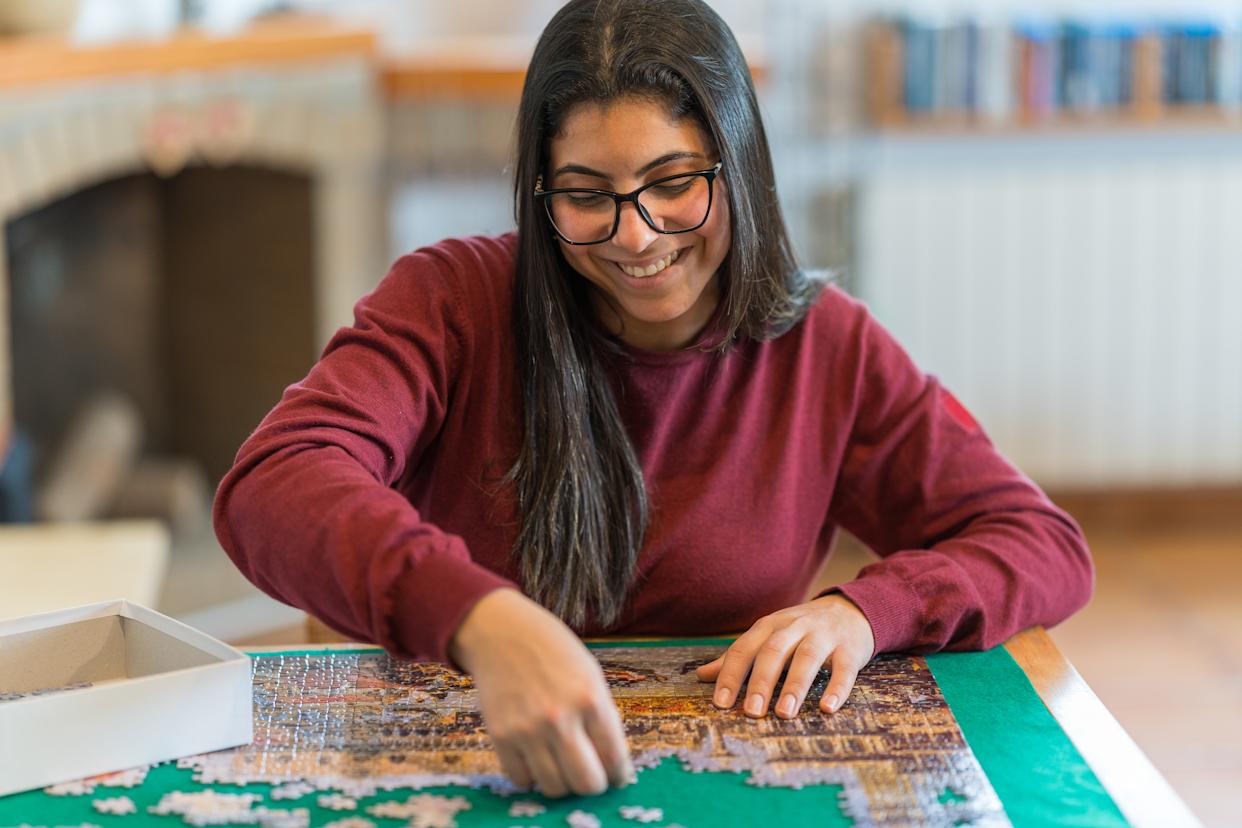
Maintaining good neuroplasticity is also crucial for improving memory, and jigsaw puzzles can help to do this. (Getty Images)
(Daniel Llao Calvet via Getty Images)
The creation of neural pathways while working away at a jigsaw puzzle can also help sharpen our memory, studies have suggested.
Whenever we learn something new, practice a skill regularly, or solve a problem, our brain creates a new connection known as a synapse, which contributes to the strength of our memory.
The less exposure we have to an activity, the weaker the synapses get. As jigsaw puzzles require you to remember what a piece might be shaped like or whether it will fit into a particular section, the activity exposes you to a memory challenge that helps strengthen the brain connections.
Shop for family-friendly jigsaw puzzles
Read more about cognitive health: