
Mystery still surrounds the discovery of human remains in a Welsh wood more than a decade ago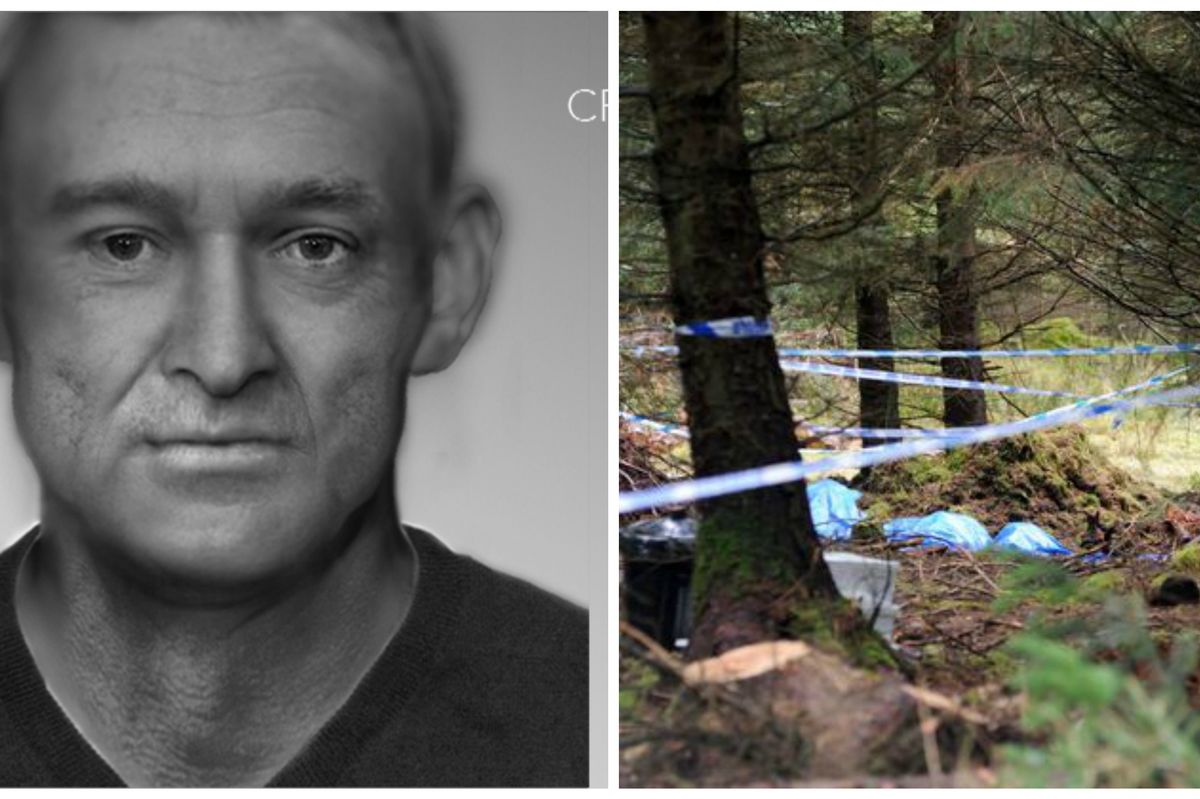
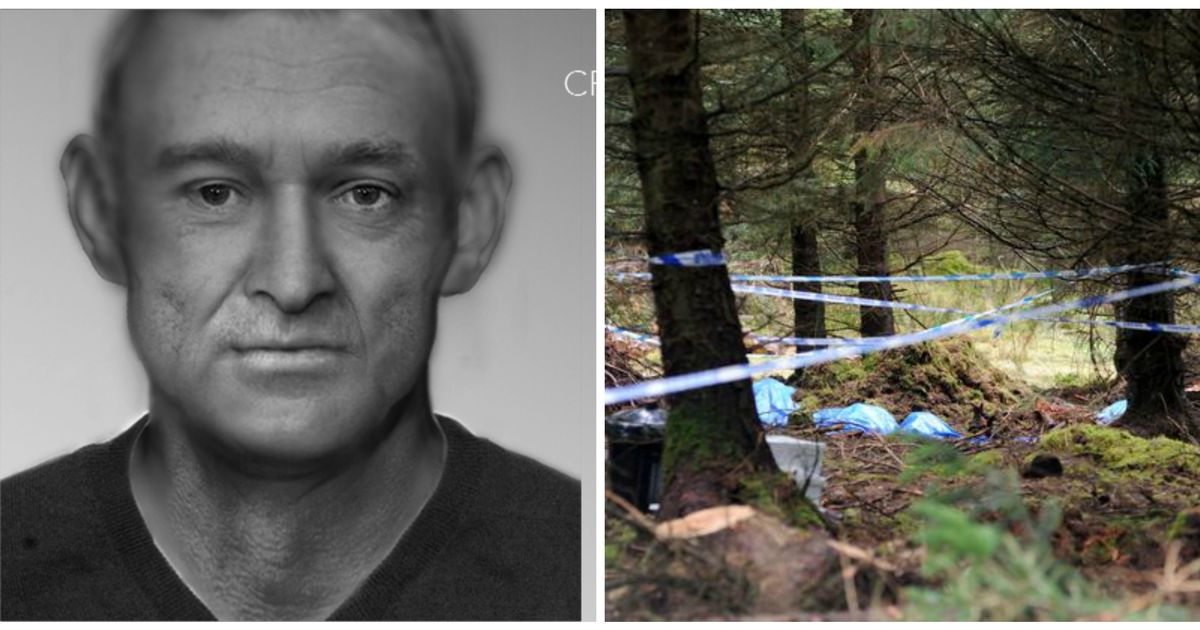
An image of how the man found in Clocaenog Forest, Cerrigydrudion, in 2015 may have looked, as shown on the BBC Crimewatch appeal(Image: )
In 2015 police discovered human remains in a Welsh wood and 11 years later, still no one knows who it is, or who killed him. The remains of a man were discovered in Clocaenog Forest, near Ruthin, in November 2015.
Forensic examinations showed that the person had suffered significant injuries before his death, and was missing teeth. For years his body lay hidden and undiscovered until two brothers who were camping in the forest stumbled across his skull one night.
The discovery led to the recovery of the remains of a decomposed body and to a major police murder investigation which has drawn upon forensic tests, DNA checks, radio carbon dating, dental examinations, crime scene searches, and facial reconstruction techniques in a bid to identify the man. Don’t miss a court report by signing up to our crime newsletter here
Now, there has been a £20,000 reward issued to anyone with information that leads to the conviction of those responsible.
Following extensive forensic examinations, experts believe the man found was born before 1950 and was likely of Caucasian heritage.
He is thought to have been between 5ft 8ins and 5ft 10ins tall, with a well-built frame and a history of back problems. It’s believed that he died sometime between 2004 and 2011.
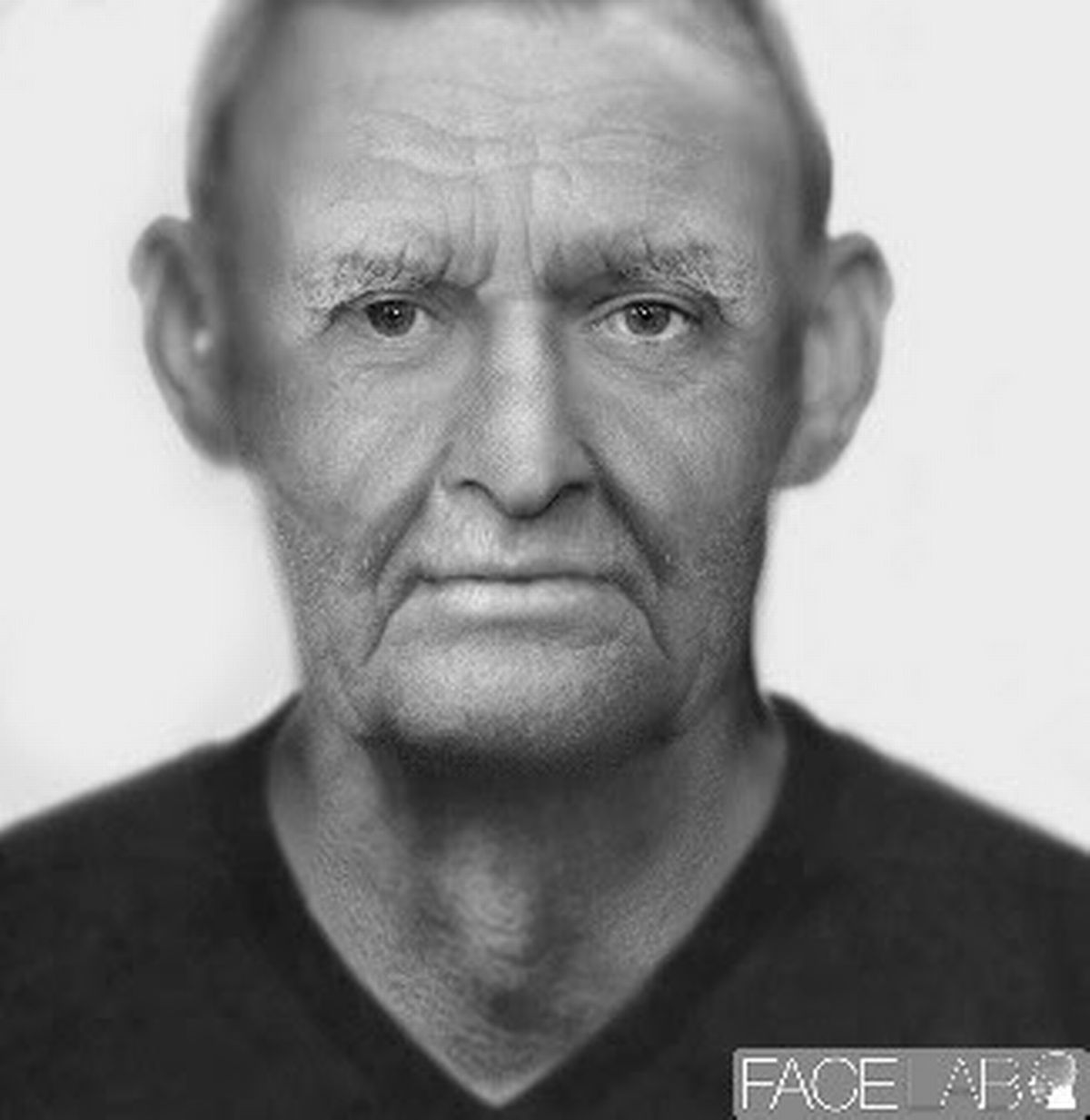
This image, created by investigators, depicts how the man could have looked in his 60s(Image: Crimestoppers)
As part of renewed efforts to solve this case, police have re-released mock-up facial images showing how the man may have looked aged in his 50s, 60s and 70s.
Crimestoppers, which is independent of the police, is supporting this investigation by offering a reward of up to £20,000 for information the charity exclusively receives – either online at Crimestoppers-uk.org or by calling 0800 555 111 at any time – that leads to the arrest of those responsible.
The reward is available for three months and is due to expire on April 16, 2026.
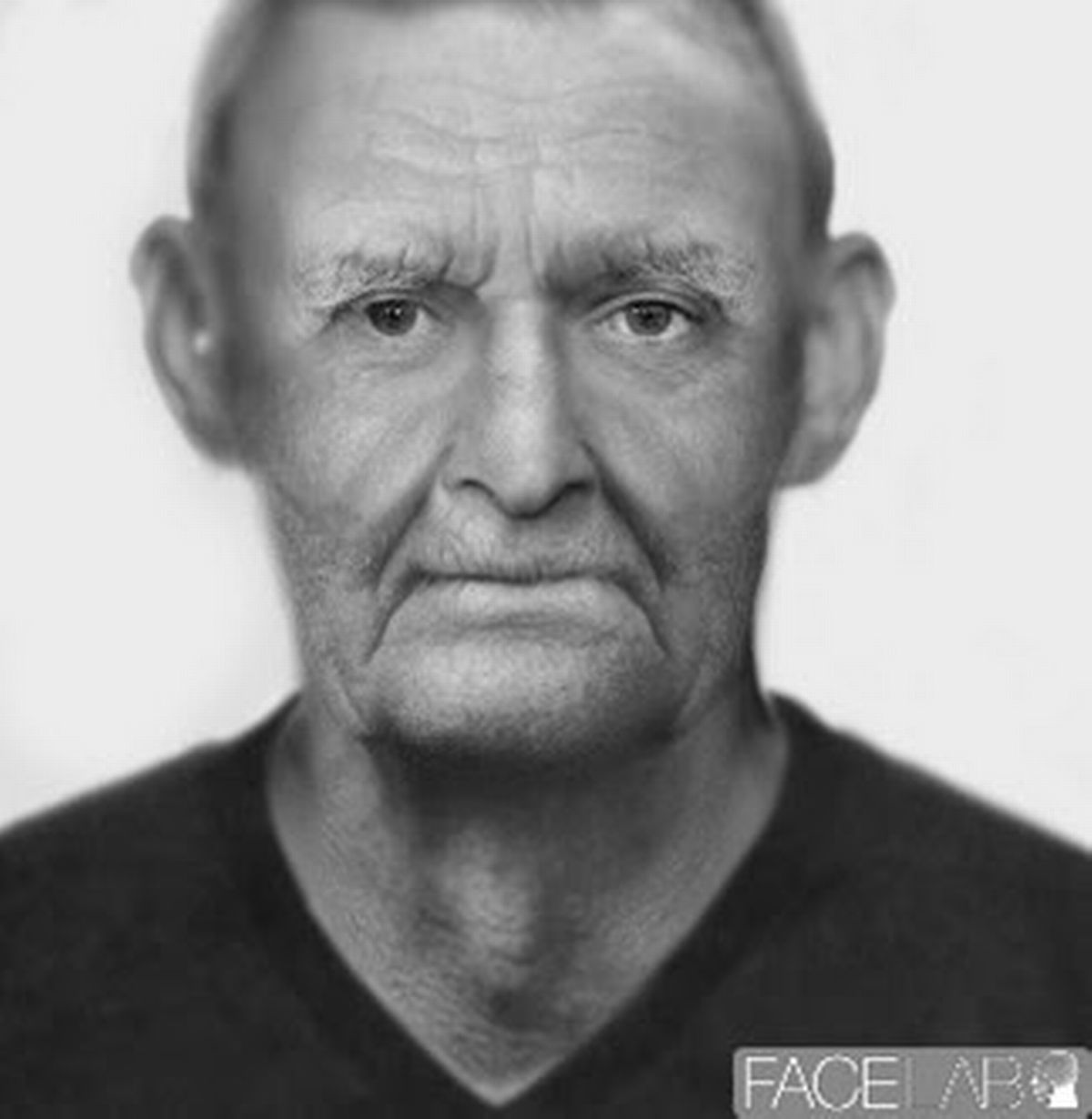
This image, created by investigators, depicts how the man could have looked in his 70s(Image: Crimestoppers)
Hayley Fry, national manager for Wales at the charity Crimestoppers, says: “Someone knows who was responsible for this man’s death. His family and friends, wherever they are, deserve answers and justice.
“We’re appealing to anyone who has information to contact Crimestoppers. You can tell us what you know whilst staying completely anonymously. We don’t want your name, just what you know. Every piece of information could make a difference.”
It was November 2015 and the popular Wales Rally GB was visiting the forests of Denbighshire, and the crowds turned out to watch the action. Despite the wet and windy weather two bothers – Andrew and Mark Middle – decided to camp in the woods while watching the motorsport up close.
On the night of Saturday, November 14, Mark was looking for firewood among the undergrowth near Pentre-llyn-Cymmer when he came across what he at first took to be a rock covered in moss. On closer examination his torchlight had picked out a human skull.
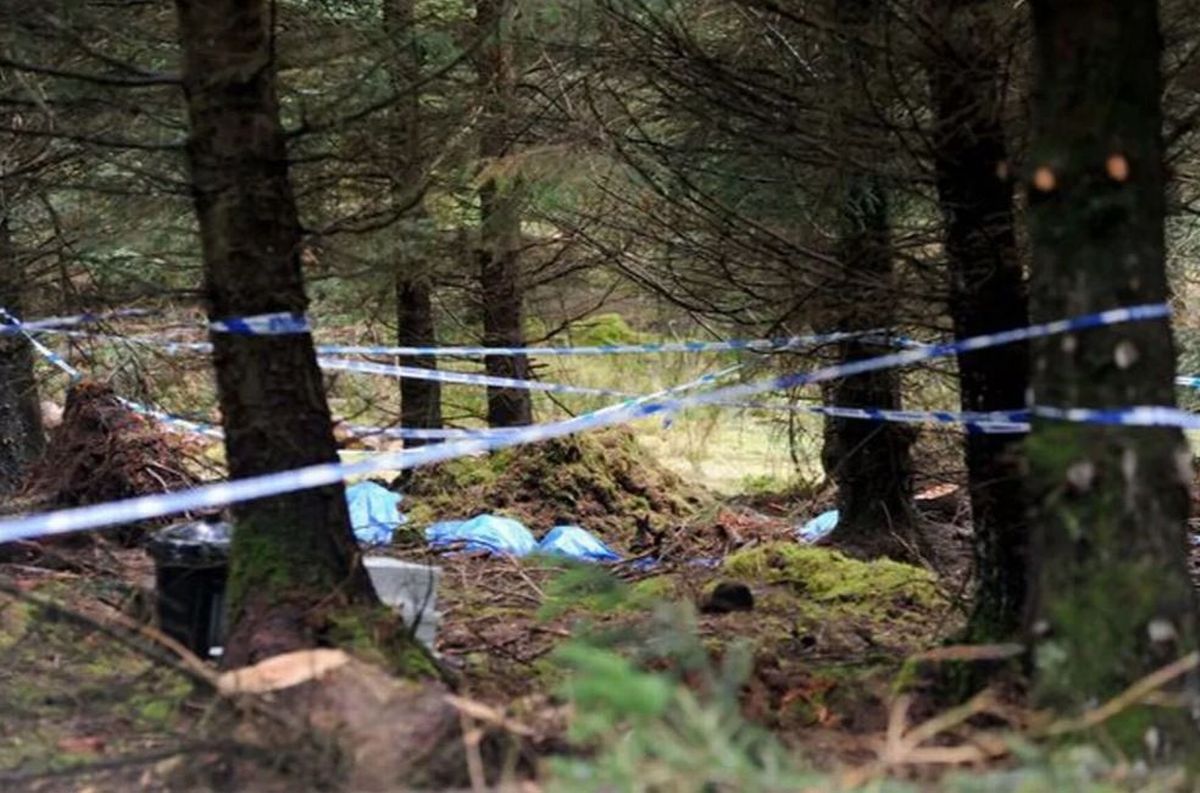
A police search of the woods found the skeletal remains of the unknown murder vicitm(Image: Daily Post)
The shocking discovery was reported to the police, and an exclusion area was set up around the discovery site – a cordon which initially threatened to lead to the cancellation of the next stage of the rally. Officers then launched a large-scale forensic search of the area, and over the following three weeks the rest of the decomposed body was found among the dense undergrowth.
Officers also found scraps of material and a label from a pair of pants “in very close proximity” to the skeleton, though it could not be established definitively if they were connected to the body.
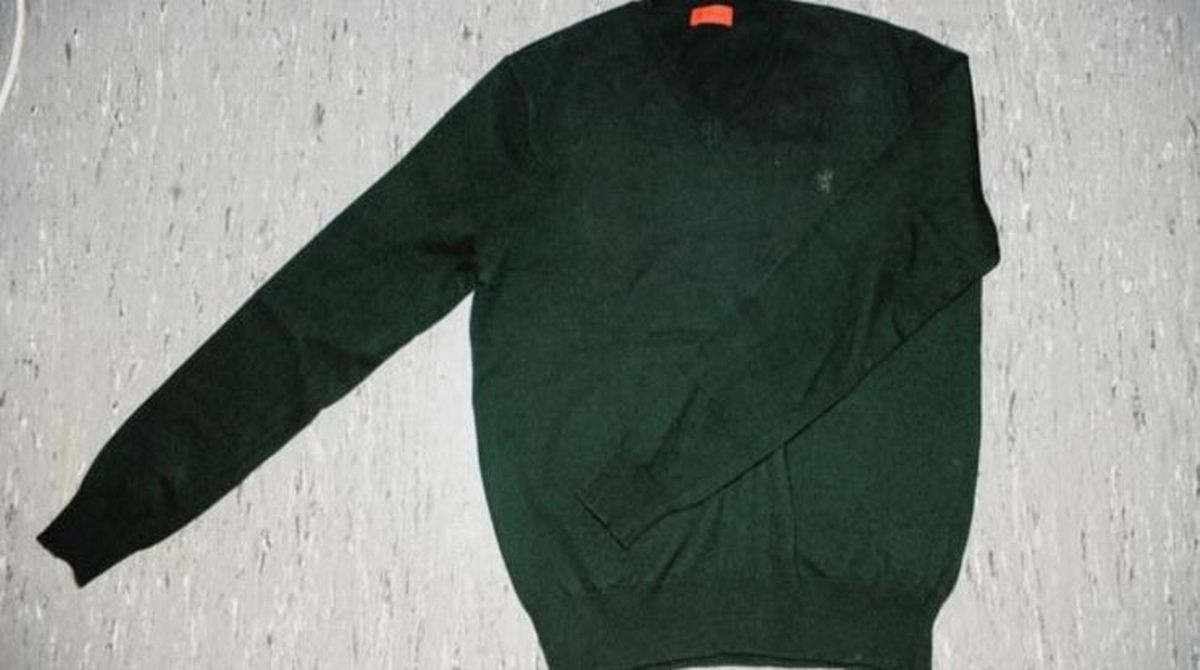
The type of Pringle jumper found close to the remains of the body(Image: North Wales Police)
The remains were taken away and a post mortem examination conducted which revealed that the skull had sustained blunt force injuries – what could have been a tragic accident involving a walker falling and being unable to move or someone becoming ill in the woods and subsequently dying was now a murder investigation.
The examination of the skeleton yielded further information – that the man was around 5ft 10in tall and well built, and that he had a healed broken nose and fused vertebrae in his back. There were also signs of injuries to his spine and wrist. Careful examination of the joints suggested he had osteoarthritis which would likely have caused pain and affected his mobility.
Scientists were able to extract a full DNA profile from the bones but no matches were found on the UK police database nor on the missing persons database.
Searches of familial DNA databases also drew a blank. However, from the DNA sample is was possible to tell the man was likely of Western European origi.
Over the years police have made a series of appeals to the public for help, but none of them have led officers to the name of the man. A decade after the discovery of the body, the identity of “Clocaenog Forest Man” remains a mystery.