
An employment tribunal in Newcastle found that County Durham and Darlington NHS Trust had “violated the dignity” of eight nurses by allowing transgender nursing colleague Rose Henderson to use the female changing facilities.
The judging panel found the health trust had harassed the women by not protecting their right to single-sex spaces and it also found the nurses had suffered indirect discrimination.
It found that Rose Henderson had not personally harassed or victimised the nurses, and victimisation by the health board was also dismissed.
But in the case of Sandie Peggie, who was suspended from Victoria Hospital in Kirkcaldy for complaining about sharing a changing room with transgender medic Dr Beth Upton, the nurse had a partial victory, with NHS Fife found to have harassed Ms Peggie on four counts.
Claims of discrimination and victimisation were dismissed, with Ms Peggie’s legal team now pursuing an appeal.
Read more:
A key difference in the two high-profile employment cases is that the Darlington judgment follows the Supreme Court’s ruling that sex is defined by biology under equality legislation.
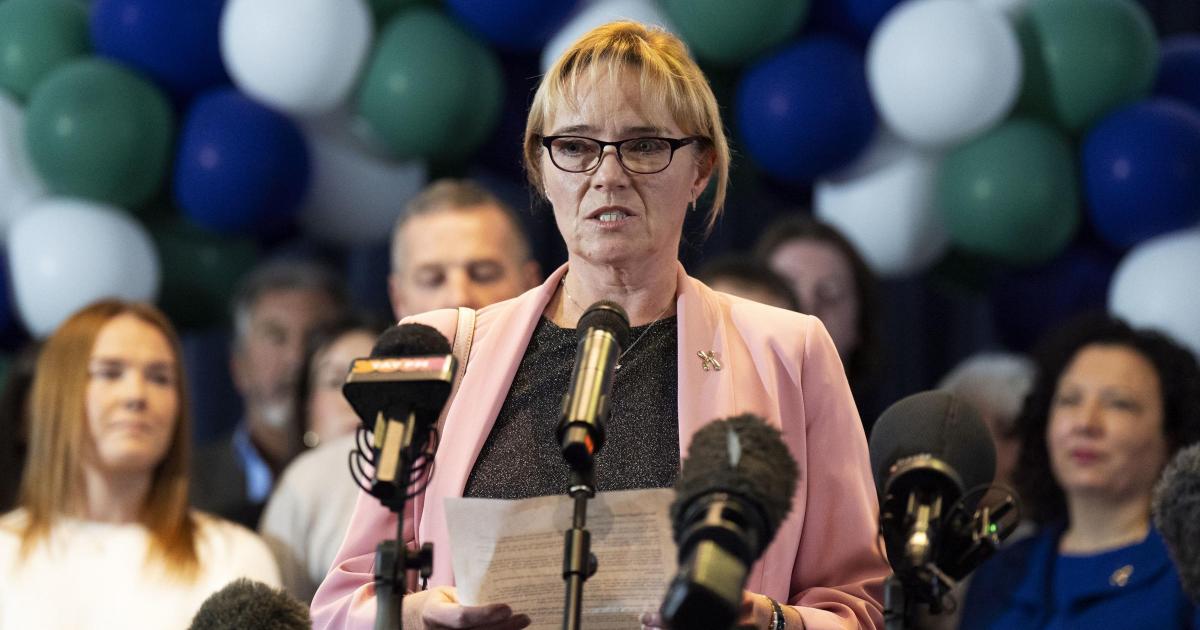
In a statement, Ms Peggie said: “I am overjoyed that the Darlington nurses have succeeded in their claims against their employer and that the Newcastle employment tribunal, unlike the tribunal who heard my case, has ruled that an employer does unlawfully harass female employees by requiring them to share changing rooms with biological males.
“I am grateful for the Darlington nurses for the courage they have shown in securing this important legal victory which has only strengthened my determination to continue with an appeal to overturn the judgment in my own case.”
In Ms Peggie’s case the tribunal interpreted the Supreme Court ruling as not making it inherently unlawful for a transgender woman to use the female changing rooms at work, but equally did not make it inherently lawful – a direct contrast with the Darlington case.
Her legal team said her case ruling appeared to be incompatible with the Supreme Court ruling on the definition of a woman.
The judgment between NHS Fife and Ms Peggie has had two certificates of correction issued, with significant corrections made to the legal arguments quoted amid allegations of artificial intelligence (AI) use and “made-up” quotes.
The UK Judicial Office did respond to the allegations but said the amendments addressed clerical “mistake(s), error(s) or (omission(s).
Read more:
Meanwhile, in the Darlington case, the judgment handed down on Friday found the nurses suffered harassment which violated their dignity and created a “hostile, intimidating, humiliating and degrading environment”.
The employment judge, Seamus Sweeney said: “The trust subjected the claimants to harassment related to sex and gender reassignment by permitting the claimants’ biological male, trans woman colleague to use the female changing room and requiring the claimants to share that changing room without providing suitable alternative facilities.”
The ruling said the trust also subjected the nurses to harassment by not taking their concerns seriously, adding: “This included referring to the need for the claimants to be educated on trans rights and to broaden their mindsets, the later provision of inadequate and unsuitable changing facilities for those who objected to sharing the female changing room with that colleague.”
Judge Sweeney said: “The above conduct had the effect of violating the dignity of the claimants and creating a hostile, intimidating, humiliating and degrading environment for them.”
The tribunal concluded that, “by permitting a biological male, trans woman to use the female changing room” the trust was in breach of workplace regulations “and had infringed the claimants’ right to respect for private life under Article 8 of the European Convention on Human Rights”.
On Thursday, Conservative leader Kemi Badenoch demanded the public institutions stopped the “bureaucratic oppression” of women following a private meeting with Ms Peggie.