
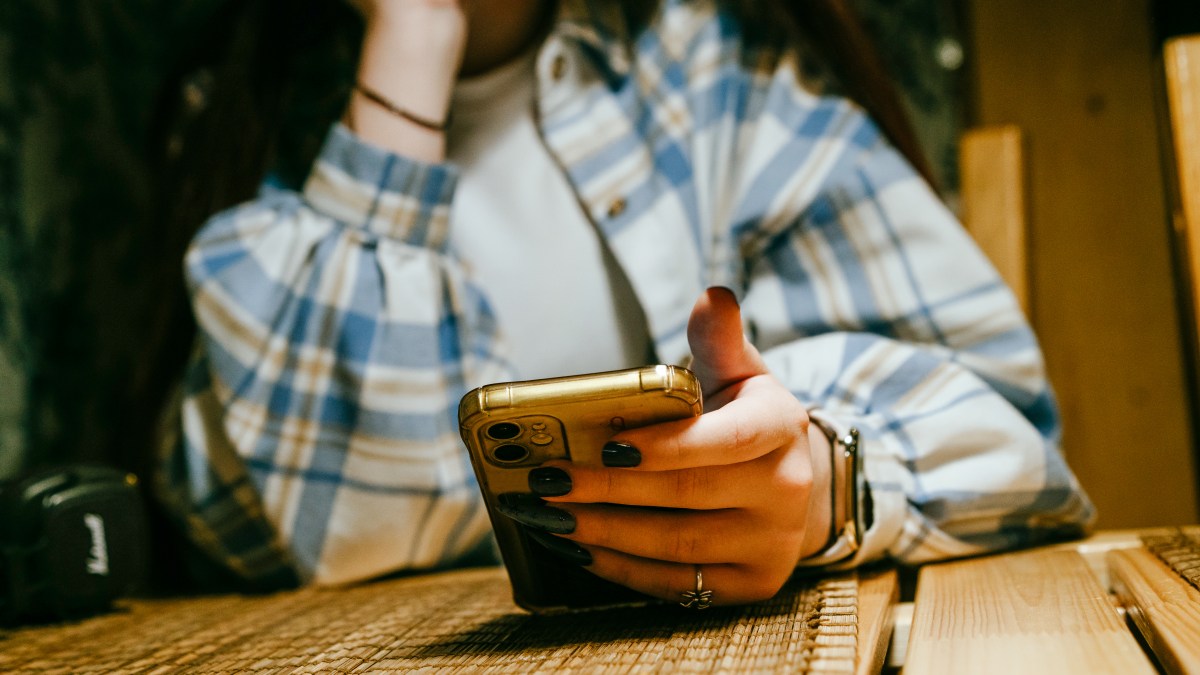
Every day has become a battle to get him out of bed. “My son has always been on the anxious side but it has escalated a lot recently,” one mother confides to the anonymous community of parents on Mumsnet. “He ended last term refusing school with ‘stomach aches’, spent Christmas feeling sick, not eating properly and avoiding things he used to like. Now the school refusal is full-on — he screams and cries in the mornings, even though he manages once he’s actually there.”
This story is far from unusual among more than 227,000 posts analysed in a decade-long study of parental discussions about children’s mental health. The Mumsnet x Future Minds report, spanning 13,000 conversation threads from 2015 to 2025, reveals a nation of families grappling with a crisis that has fundamentally transformed childhood.
From 2018 onwards, the volume, tone and content of posts shifted dramatically, with parents describing increasingly complex emotional and behavioural patterns in their children. The pandemic accelerated this transformation and discussion levels never returned to pre-pandemic levels.
Instead, they settled into what researchers describe as a “new, consistently higher baseline”, suggesting a lasting change in both children’s emotional landscapes and parents’ willingness to name what they see: youngsters “overwhelmed”, “anxious”, and “shut down by the world”.
School refusal, social withdrawal and regression in basic skills have become common. The most frequently cited external pressure is school itself, with parents describing academic intensity, sensory overload, rigid behaviour systems and settings that are hard for anxious or neurodivergent children.
“My Year 8 daughter never took to secondary school,” one mother reveals in the report. “Although things briefly improved, she became extremely anxious and tearful again this year, with physical symptoms as well, and she still can’t explain what’s wrong.”
Another parent added: “My daughter is high achieving academically but is overwhelmed by pressure. She revises intensely for every small test and becomes distressed if she’s not at the top, worrying about what others might think.”
When families seek help, they encounter a system often marked by long waits, inequity and confusion. Access to care depends not on need, but a school’s capacity, a GP’s familiarity with childhood mental health, or a parent’s ability to gather evidence.
When conditions are mentioned directly in parents’ posts about their children’s mental health, anxiety is by far the most common mental health condition. This is followed by autism and ADHD, obsessive compulsive disorder and depression.
Amy Schmidt, 55, who contributed to the report, has been navigating the mental health system with her two children for the past seven years. Her daughter, 19, was diagnosed with autism in November 2021 and her son, 15, with autism and ADHD last summer. Both children struggled in their mainstream school in north London, finding it “incredibly overwhelming”, and missed months of lessons at a time.
“The schools push really really hard to get kids into school and they will say, ‘We care, it matters to us how the child feels’, but at the end of the day it is all about attendance — however the child feels it doesn’t matter at the end of the day. That was really negative. I was repeatedly threatened with being taken to court and with fines.”
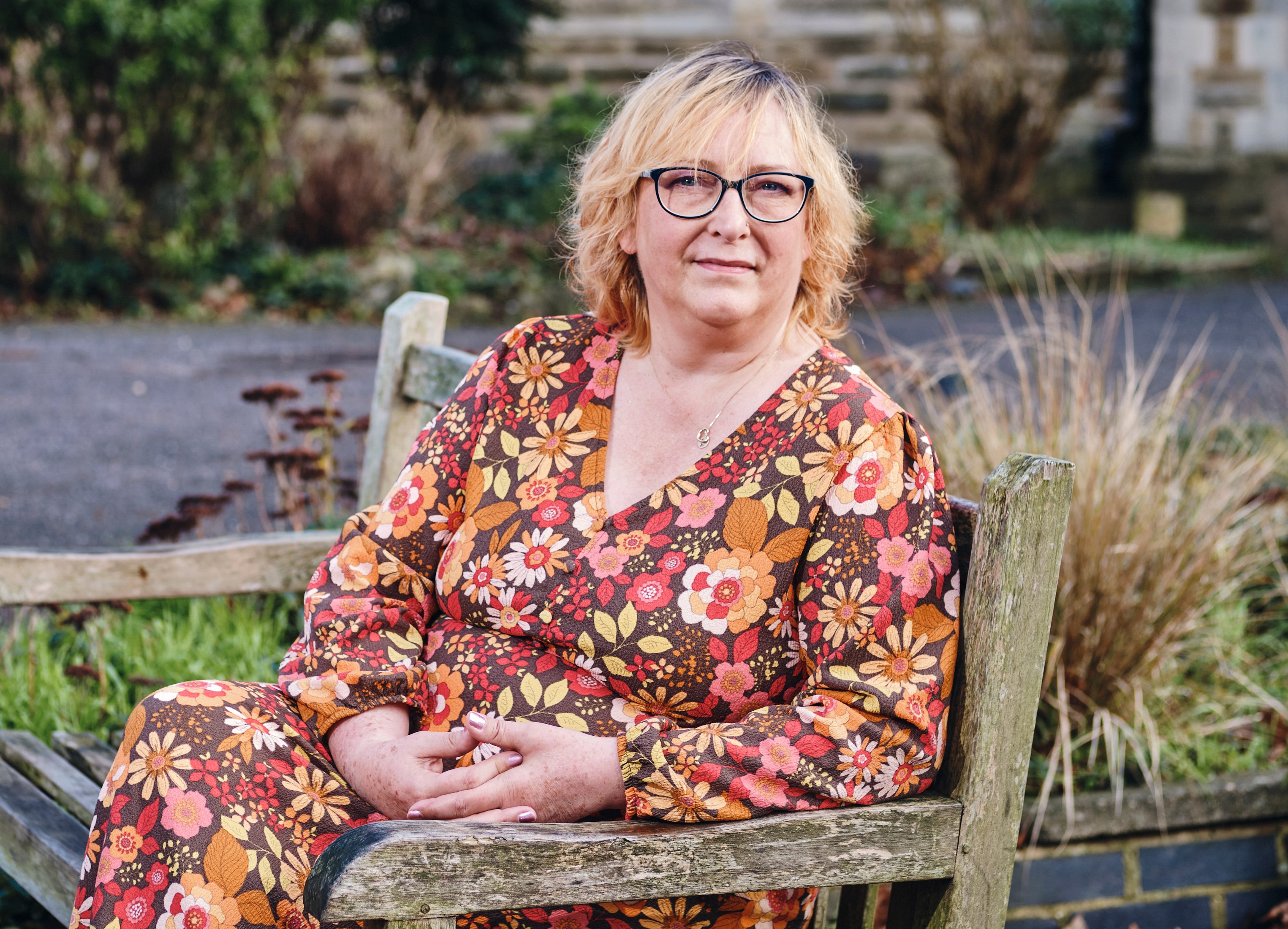
Amy Schmidt
CHRISTOPHER L PROCTOR FOR THE SUNDAY TIMES
Her children were eventually found places in alternative education at a pupil referral unit near home. But during the three years between each of her children’s diagnosis, Schmidt noticed a significant change in how long they had to wait for help.
• Mental health the top concern for almost three quarters of schools
From 2019, digital life emerges as a new and potent source of stress.
The report says: “Parents highlight escalating loops where one comment turns into an entire pile-on, a loss of control over constant messaging, sensory overload and dopaminergic cycles, and identity insecurity as things their children struggle with. The emotional labour of online life appears unrelenting, as illustrated by the continuation of bullying outside school hours.”
One parent confessed: “What worries me is that with smartphones, bullying follows children home, removing the safe space they should have.” Others noted time away from platforms makes a notable difference.
Joanne Dunne, a mother of three girls from Bradford who also contributed to the report, said she noticed a significant shift in the confidence of her youngest daughter, Olivia, when she started at secondary school. She had been outgoing but when she arrived in Year 7, struggled with how much time everyone around her was spending on their phone. Her friends would send “silly” messages on WhatsApp and texts would “ping at 2am”.
“She just feels like she’s not involved in a lot of things with people because they’re just more interested in the phones and what’s going on online than what’s happening in the real world,” Dunne said. “A lot of her friends are obsessed with how they look [and are] doing things on TikTok. One of her friends doesn’t even have any hobbies. She did a university application and she said, ‘I don’t know what to put. My hobby is my phone’.”
The findings of the report echo the most comprehensive poll of 16 and 17-year-olds last year which showed a generation in the grip of a confidence crisis that is particularly acute among girls.
• Age of anxiety: poll reveals teen views on stress, social media and school
The exclusive poll for The Sunday Times by the think tank More in Common found that more than a third of girls surveyed said they suffered from anxiety. Nearly 70 per cent of girls said anxiety had led them to skip school.
It showed that 42 per cent spent more than six hours a day on their phone, and 9 per cent spent more than ten hours. Asked at what age children should be able to create and use social media accounts without parental supervision, 32 per cent said the age limit should be set at 14 to 15-year-olds, followed by 31 per cent who said 16 to 17-year-olds. Only 4 per cent said there should be no limit.
The Mumsnet x Future Minds report makes a series of recommendations. It calls for reduced waiting times for assessment and treatment, consistent mental health support in schools, early support interventions, a consistent approach to neurodiversity and improved support during waits. It also recommends school attendance reform.

Justine Roberts, founder of Mumsnet, which is calling for a ban on social media for under-16s
SUNDAY TIMES PHOTOGRAPHER JACK HILL
The report says: “Parent conversations reveal how attendance frameworks often treat anxiety-driven school avoidance as misbehaviour, creating avoidable conflict and distress for children and their families. Attendance policies that effectively distinguish between emotional distress and truancy may help to support reintegration rather than escalation.”
The study was carried out by analysing parents’ language in 227,000 posts, which were selected if they included references to children’s mental health. Researchers looked for specific words — such as anxiety, panic, and self harm — and counted references. Posts were grouped together by year, allowing the study to compare the language results to contextual events, including lockdown and the cost of living crisis.
Future Minds is a campaign led by the Young Minds mental health charity, which is urging the government to take urgent action to prioritise youth mental health.
Separately, Mumsnet is supporting a ban on social media for under-16s: 83 per cent of parents involved in the online community said they were in favour; 61 per cent admitted their child was addicted to their phone, or social media. It is calling on peers to back amendments in the Children’s Wellbeing and Schools Bill this week that will introduce a ban.
• Starmer signals support for social media ban on under-16s
Justine Roberts, Mumsnet founder, said: “Responsible parenting alone cannot counter Big Tech’s billion-dollar mission to hook our children on addictive algorithms and squeeze them for profit, with no regard for the consequences. Parents are demanding action, and it is long past time for politicians to listen.”