
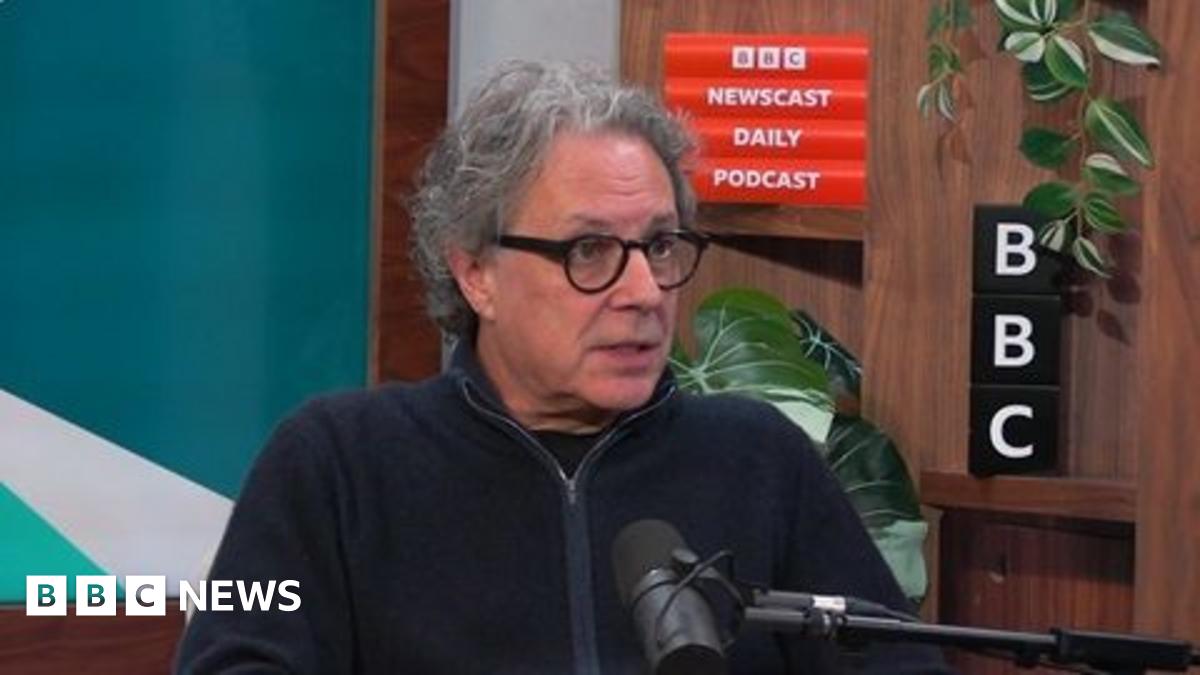
Russell expressed concerns about the “unintended consequences” of a ban, which he said would “cause more problems”.
“At the heart of it are companies that put profit over safety,” he said. “That has got to change – and I don’t think that we’re that far away from it changing it – which is why its slightly exasperating that we’re going through these same arguments again now about bans.
“It’s not far away – we can build on what we’ve got far better than simply implementing sledgehammer techniques like bans that will have unintended consequences and cause more problems.”
An inquest in 2022 found social media content contributed “more than minimally” to Molly’s death.
The Molly Rose Foundation, a suicide prevention charity named after Russell’s daughter, and organisations including the NSPCC, Parent Zone and Childnet, called a ban the “wrong solution”.
“It would create a false sense of safety that would see children – but also the threats to them – migrate to other areas online,” they wrote in a joint statement, external.
“Though well-intentioned, blanket bans on social media would fail to deliver the improvement in children’s safety and wellbeing that they so urgently need.”
Instead of this “blunt response”, a “broader and more targeted” approach was needed, said the statement, which was also signed by two child mental health practitioners.
Existing law should be “robustly enforced” to ensure social media sites, personalised games and AI chatbots were not accessible to under-13s, it said, while all social media platforms should have evidence-based blocks for features that are considered risky for children of different ages.