
But groups in Massachusetts remained shaken, unsure if they could count on a steady stream of funding in the future.
“The policy whiplash that we have observed over the last 24 hours is deeply troubling to every organization doing the hard work of helping people with substance use disorder,” said Julie Burns, president and chief executive officer of RIZE Massachusetts, a Boston nonprofit focused on combating the opioid crisis. “Let’s hope that the Trump administration has learned a lesson and will allow the good work going on in cities and towns across this state and country to continue unabated.”
The rapid changes left many providers in shock.
“The callousness of the administration is beyond description,” said Dr. Josh Gordon, chair of the department of psychiatry at Columbia University and head of the National Institute of Mental Health during Trump’s first term and the Biden administration. “It creates a tremendous sense of distrust, and it makes it exceedingly difficult for us to meet the needs of the communities we serve.”
On Tuesday, the federal Substance Abuse and Mental Health Services Administration sent hundreds of grant termination notices to health providers, saying their funding had been cut. While the agency did not publicly detail the full scope, multiple sources told STAT News, the Globe’s sister publication, that as many as 2,800 grants may have been canceled, affecting up to $1.9 billion in funding — more than a quarter of SAMHSA’s total budget. Last year, Massachusetts received at least $195 million in grant funding from the agency, according to the agency’s dashboard.
The grant cancellations would have cost private and public programs in Massachusetts tens of millions of dollars, according to a statement Wednesday from Governor Maura Healey. That includes a loss of more than $5 million from the state’s mental health and public health departments. Healey called the cuts, “callous and cruel.”
SAMHSA did not respond to requests for comment Wednesday. In a document outlining its strategic priorities, the agency said it aimed to be more efficient while reducing mental illness, addiction, overdoses, and suicides, particularly among young people. It also took aim at programs, known as harm reduction, that seek to make drug use safer, saying those programs “only facilitate illegal drug use and its attendant harm.”
Gordon, the Columbia psychiatrist, said administrations do adjust who receives new grants to align with policy priorities, but during his time in the first Trump administration, it would have been unthinkable to abruptly cut off already awarded grants. His own partnership with the state of New York was told Wednesday it would lose $3 million because their work to address substance abuse and suicide prevention didn’t match the administration’s priorities. SAMHSA’s own documents list preventing addiction and suicide as priorities.
“It tells me they don’t know what the hell they’re doing,” he said.
The sweeping cuts would have affected a broad swath of public agencies in Massachusetts — including universities, municipal governments, schools, and local police — and came at a precarious time. Many communities are still struggling with high rates of opioid-related overdoses and surging homelessness. The grant cancellations also came on top of deep cuts last year by the Republican-controlled Congress to Medicaid, the largest single payer for addiction treatment services in the United States.
“The federal government’s latest attempt to advance its reckless political agenda is dangerous, inhumane, and comes at the expense of real people,” said Massachusetts Attorney General Andrea Joy Campbell in a written statement Wednesday.
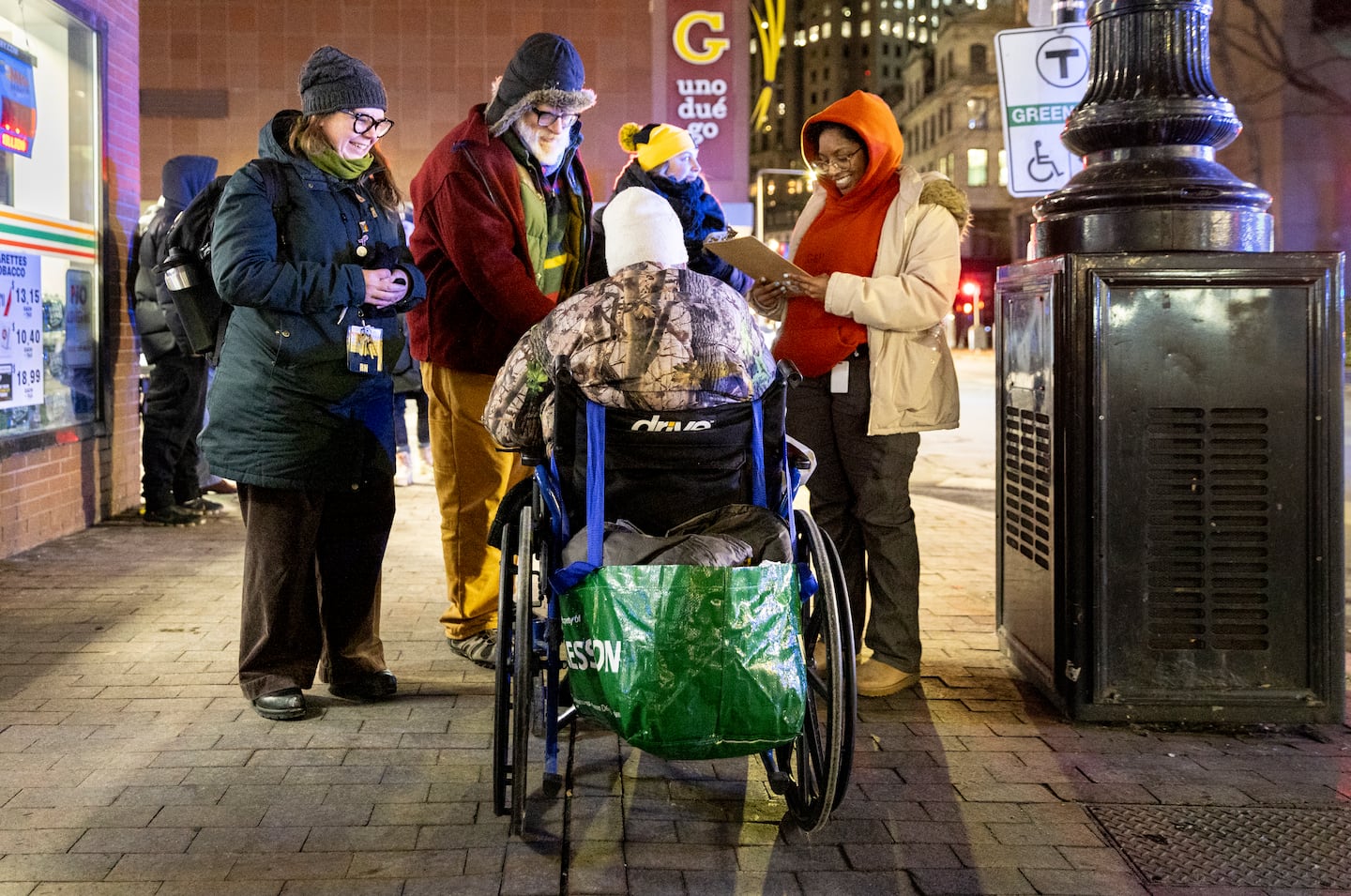
The Trump administration’s reversal was met with significant trepidation at Casa Esperanza, a Roxbury-based nonprofit that provides supportive housing, outpatient addiction treatment, and other services to more than 1,800 people each year.
At 6:40 p.m. on Tuesday evening, Diliana De Jesus, chief development officer and deputy director at Casa Esperanza, opened her work email to discover two grant termination letters from SAMHSA. By the next morning, four more termination notices arrived in her inbox. All told, the termination notices affected grants worth $2.68 million, representing 14 percent of Casa Esperanza’s budget.
“I was shell-shocked,” De Jesus said Wednesday of the termination letters. “We are in disbelief and angry and fearful of what this all means.”
As of Thursday at 11 a.m., Casa Esperanza’s chief executive officer Emily Stewart said staff remained highly anxious. The nonprofit still had not received official confirmation that the grants had been restored. She said they had been reaching out to project officers within SAMHSA who oversee grants for clarity but had not provided any further information.
“It becomes very challenging to help our team process how the government could act so rashly and with such disregard for the well-being of people they claim they want to serve,” Stewart said. “We still don’t have any assurance that these funds won’t continue to be used as a political football.”
Bob Franks, CEO of Boston-based mental health provider the Baker Center for Children and Families, said he lost sleep knowing his staffers feared for their jobs.
“This is a tremendous roller coaster, and while I’m really pleased the administration came to the decision to rescind the terminations, it really is challenging for organizations like ours to deal with overnight changes that have implications for families we serve,” he said. “These are tense times.”
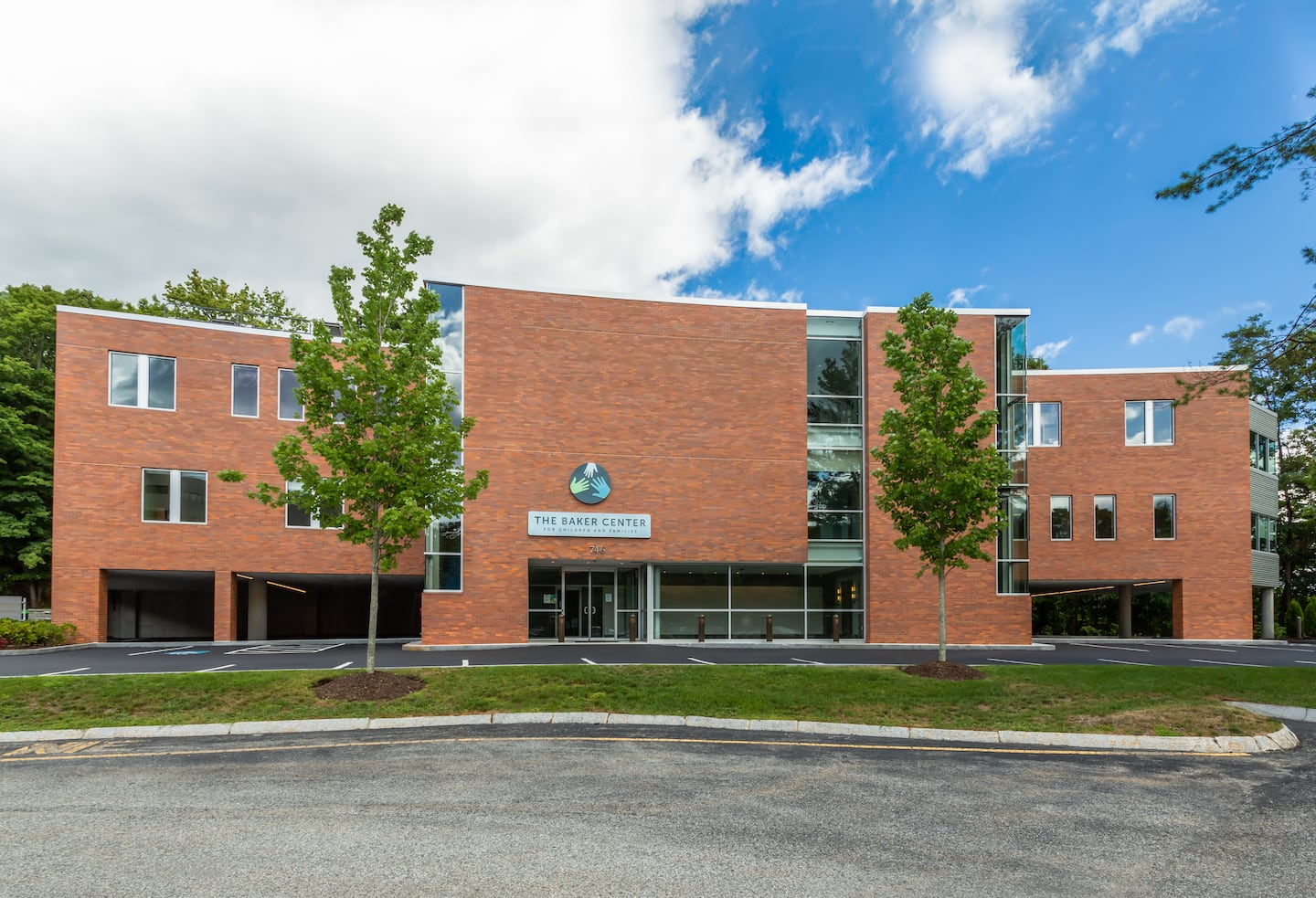 The Baker Center for Children and Families in Waltham.Sarah Farkas
 Cars on the Massachusetts Avenue Connector were reflected in the windows of the Suffolk County House of Correction on Sept. 26, 2025.Ben Pennington/for The Boston Globe
In Medway, public schools thought they had lost a $200,000 grant aimed at reducing underage drinking among middle and high school students. The program funds staff and prevention initiatives and was two years into the four-year grant.
“We thought we had more runway,” said Ryan Sherman, Medway’s director of wellness. He said officials were told only that the program no longer aligned with SAMHSA priorities. “That was a hard pill to swallow,” said Ryan Sherman, Medway’s director of wellness, adding that the district is now scrambling to find local funding to keep the work going.
“You work quite hard to receive these grants and to stand out, and then to not have a valid explanation when their main priority is to reduce substance abuse, I think it’s hard to understand,” he said.
The University of Massachusetts Chan Medical School initially had three federal grants terminated, totaling $6.2 million, all supporting substance use disorder treatment and services for the public. Each grant was operating separately under different researchers and was cut roughly midway through its funding cycle.
Chancellor Dr. Michael F. Collins told the Globe Thursday that while they’re hopeful reinstatements will be formalized, “the turmoil of the last two days underscores the fragile and unpredictable environment in which this essential work is now taking place.”
He added, “The conversation should really be about increasing research and support for mental health and not diminishing it.”
Chris Serres can be reached at chris.serres@globe.com. Follow him @ChrisSerres. Sarah Rahal can be reached at sarah.rahal@globe.com. Follow her on X @SarahRahal_ or Instagram @sarah.rahal. Jason Laughlin can be reached at jason.laughlin@globe.com. Follow him @jasmlaughlin.