

Posters are being distributed to all 6,170 practices across England to remind doctors to reconsider diagnoses and help save lives
Storm Newton PA Health Reporter
15:04, 17 Jan 2026

Jess’s Rule prompts family doctors to reassess situations involving patients who have had three consultations without a clear diagnosis, or when their symptoms have deteriorated(Image: monkeybusinessimages / GettyImages)
A new rule is being introduced in all GP surgeries across England from the start of the new week. It is known as Jess’s Rule and will encourages doctors to reconsider cases where patients have attended three appointments without receiving a diagnosis.
The initiative takes its name from Jessica Brady, 27, who reached out to her surgery 20 times before her death in 2020. The system aims to prevent avoidable deaths and assist medical professionals in identifying serious conditions such as cancer that might otherwise be missed.
Jess’s Rule prompts family doctors to reassess situations involving patients who have had three consultations without a clear diagnosis, or when their symptoms have deteriorated. Medical professionals are advised to seek a second opinion, arrange face-to-face appointments for physical assessments, or request additional testing.
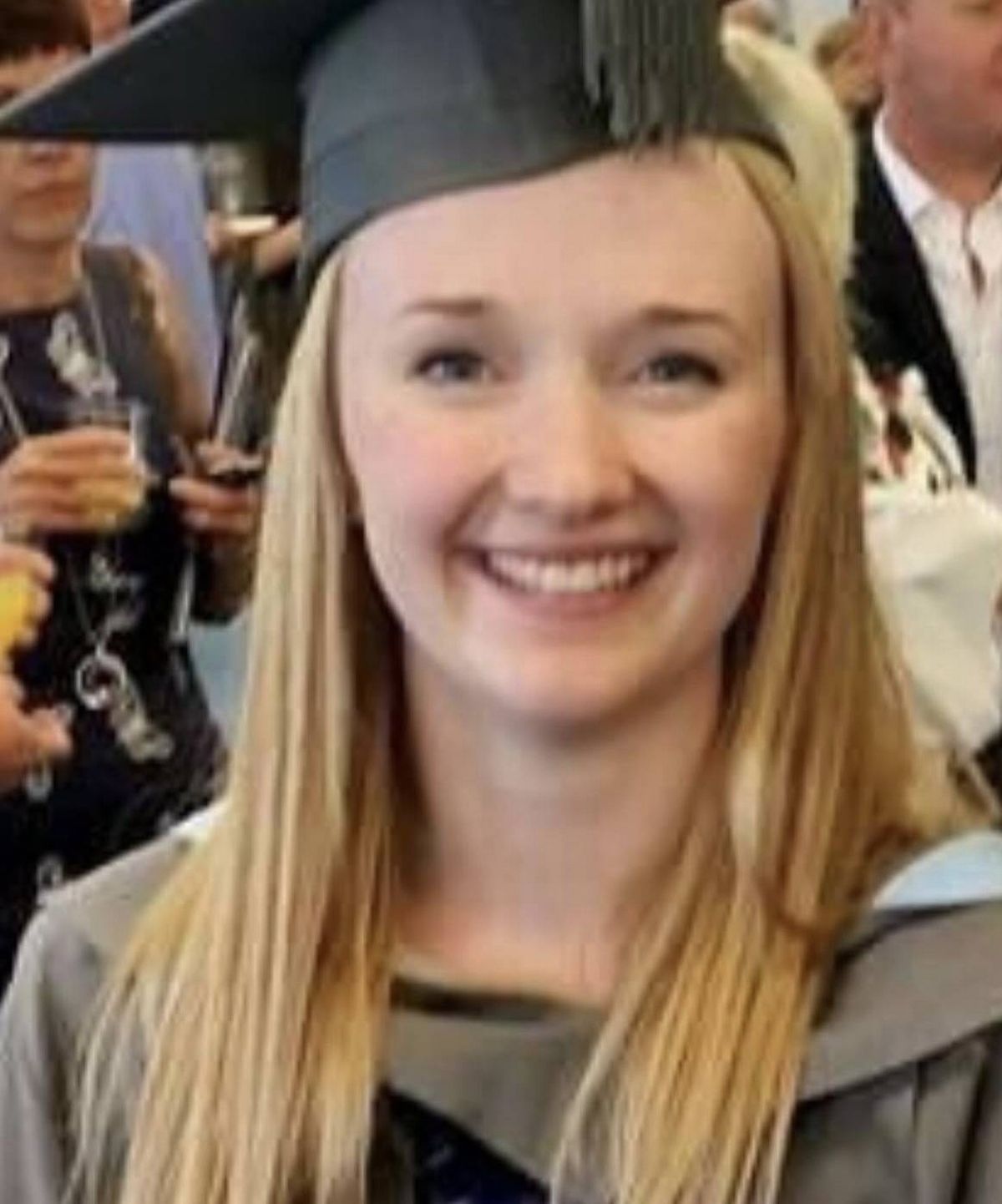
Jessica Brady died from cancer aged 27 (Image: PA Media / Family Handout)
Andrea Brady, Jessica’s mum, expressed that the charity established in her daughter’s memory has been “heartened” by the positive reception from primary care services towards this “three strikes and rethink” approach. Promotional materials for Jess’s Rule have been sent to all 6,170 GP surgeries throughout England.
According to the Department of Health and Social Care, displaying these posters will enhance patient safety by encouraging GPs to question their initial assessments. Health Secretary Wes Streeting commented: “Every patient deserves to be heard, and every serious illness deserves to be caught early.
“Jess’s Rule makes that possible – reminding clinicians to take a fresh look when symptoms persist, and empowering patients to speak up about their care. This is a fitting tribute to Jessica Brady and the tireless campaigning of her parents. Their determination to turn tragedy into lasting change will help protect patients and save lives for years to come.”
The Department of Health and Social Care, NHS England and Jess’s parents Andrea and Simon Brady worked together to create the posters. GP practices across the country will receive correspondence from Mr Streeting and NHS England’s national medical director Dr Claire Fuller emphasising the critical importance of Jess’s Rule.
Jess repeatedly contact surgery over ‘abdominal pain, coughing, vomiting and significant weight loss’
Ms Brady, who worked as an engineer for Airbus, made approximately 20 attempts to contact her GP surgery over a six-month period before her death in 2020, describing symptoms including abdominal pain, coughing, vomiting and significant weight loss. Pandemic restrictions meant she was only able to access remote consultations and was prescribed various medications including antibiotics and steroids. She was also informed she might be experiencing long Covid.
It was only after her mother paid for a private consultation that Ms Brady received a devastating diagnosis of cancer which had already metastasised throughout her body. Tragically, she passed away in hospital just three weeks later.
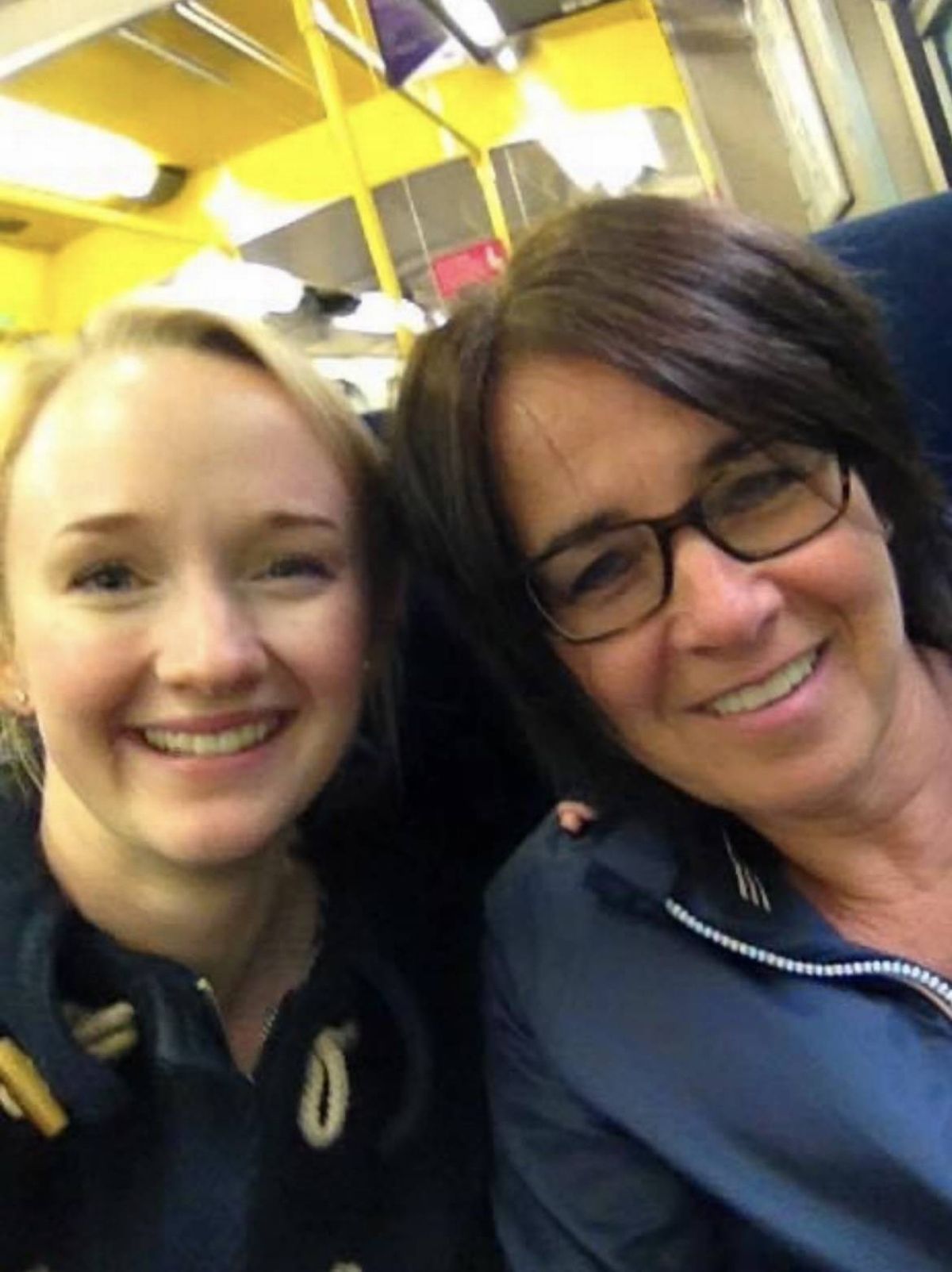
Jess’ mum Andrea is ‘so incredibly proud’ of her ‘caring and courageous daughter'(Image: PA Media / Family Handout)
Andrea Brady reflected: “Throughout her illness, Jess showed a quiet determination that her experience should lead to meaningful change, inspiring the launch of Jess’s Rule in September last year. I am so incredibly proud of my caring and courageous daughter.
“The Jessica Brady CEDAR Trust, the charity established in Jess’s name, has been heartened by the response from primary care practitioners adopting ‘the Three Strikes and We Rethink’ approach. Many have committed to developing further training, while others have written to patients to endorse the initiative and show their support. This level of engagement has been profoundly encouraging.
“Jess’s Rule posters have now been distributed to all GP practices in England and are expected to be displayed in consultation rooms. By supporting clinicians to take a fresh eyes approach when a patient returns for a third time with the same or worsening symptoms, Jess’s Rule aims to ensure serious illnesses, including cancer, are identified and treated earlier – a goal I remain hopeful will be achieved.”
Jess’ Rule ‘could save lives by avoiding missed or late diagnoses’
Dr Fuller commented: “Encouraging GP teams to challenge a diagnosis when it matters most could save lives by avoiding missed or late diagnoses, and I’d like to thank Andrea and Simon Brady and the Jessica Brady CEDAR Trust for funding and providing their important insights to develop the posters.”
Professor Victoria Tzortziou Brown, chairwoman of the Royal College of GPs, noted that Ms Brady’s story “is an important reminder that sometimes a rare diagnosis could be the right diagnosis”. She further stated: “Jess’s Rule formalises ‘best practice’ in general practice and underlines the importance of taking time to reflect and review a diagnosis, if a treatment plan doesn’t seem to be working.
“This might mean having a more in-depth conversation with the patient to see what other factors could be impacting their health, asking a colleague for a second opinion, or if appropriate, making a referral to secondary care. Timely diagnosis can mean better outcomes for patients – but many serious conditions, including many cancers, are challenging to identify in primary care because the symptoms are often similar to other less serious and more common conditions.”
Working alongside Jess Brady’s family and the Jessica Brady CEDAR Trust, the college has created educational resources aimed at helping GPs better identify cancer in young people.
A joint study by the Nuffield Trust and the Health Foundation revealed a concerning pattern: half of young people aged 16 to 24 needed three or more appointments at their GP surgery before receiving a cancer diagnosis, compared with just one-in-five patients across all age groups.
Looking for more from MyLondon? Subscribe to our daily newsletters here for the latest and greatest updates from across London.