

Christopher Walton’s family raised concerns with the prison service
Louis Corbett Trainee Reporter
13:21, 13 Jan 2026Updated 13:54, 14 Jan 2026
(Image: Retford Times)
A watchdog has found that “missed opportunities” could have led to the death of a Nottinghamshire prisoner, despite concerns raised by his family.
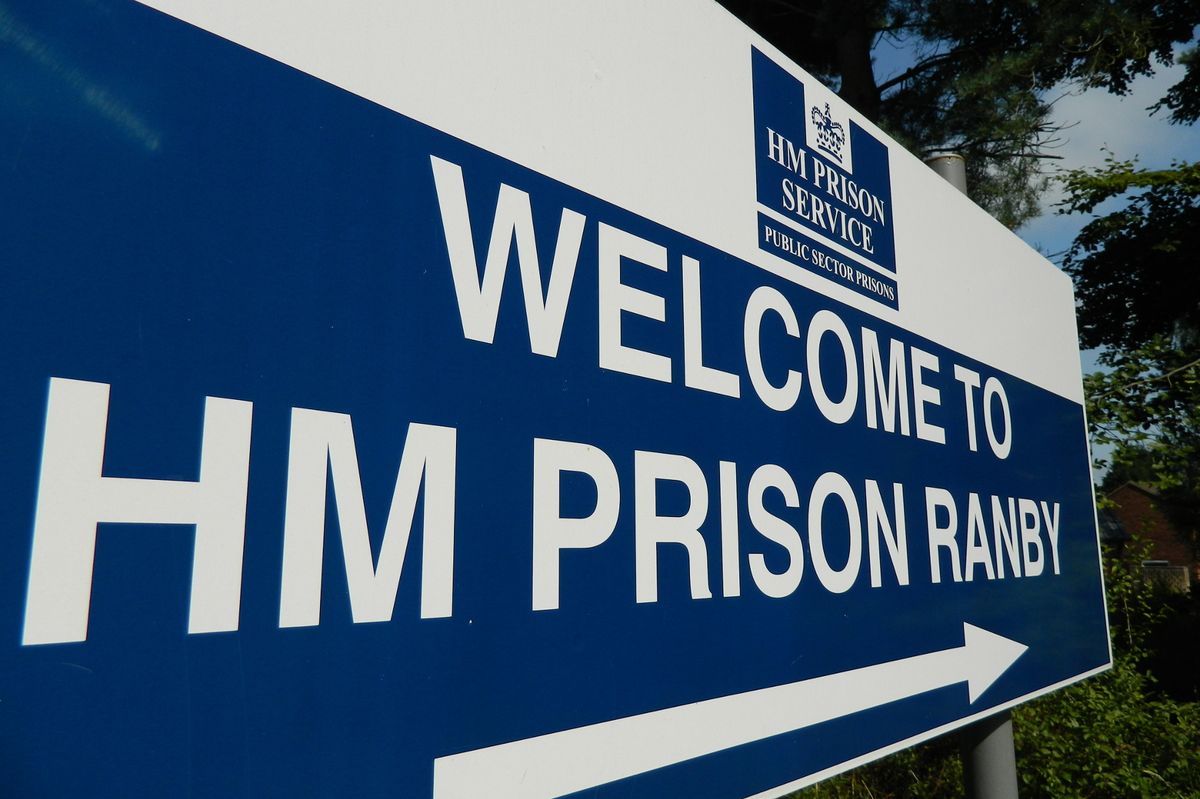
Christopher Walton was 67 when he died in HMP Ranby, and while staff did carry out a welfare check, qualified medical staff did not review his deteriorating condition.
A clinical reviewer stated that the care Walton received wasn’t equal to that which he would receive in the community, as they found multiple “missed opportunities,” such as the five voicemails left by his family raising concerns that his health was declining.
The report states that despite signs of his declining state, staff did not recognise his heart condition, and it became apparent after his death that he had not been taking his medication for at least three weeks.
The Prisons and Probation Ombudsman was told by Walton’s family that, despite raising concerns about his symptoms that were in line with serious cardiovascular disease, the voicemails left on the at-risk line log were listened to, but no action was taken.
The report reads: “Mr Walton’s family told us that they raised concerns about Mr Walton’s health in five voicemails left on the safer custody at-risk line (one on 18 January, two on 19 January and two on 26 January).
“All voicemails should be recorded in the at-risk line log, along with the action taken, before being deleted. We know that staff listened to the 18 and 19 January voicemails, and a welfare check was carried out on 19 January.
“However, the 18 January voicemail was not recorded in the at-risk line log.
“There are no voicemails about Mr Walton recorded in the at-risk line log on 26 January.
“Given we know that not all voicemail messages were being recorded in the log, we consider that voicemails were left by the family on 26 January, which were not recorded or actioned by prison staff.
“We are not satisfied that the prison has a robust process in place to ensure that voicemail messages are actioned appropriately, nor that there is an effective quality assurance process in place.”
As a result of this case, the ombudsman has issued a series of recommendations for Northamptonshire Health Care NHS Foundation Trust, which took over responsibility for the healthcare provision at HMP Ranby in October 2025.
The recommendations for the head of healthcare include:
A system to monitor that a prisoner is taking medications as prescribed, and a medical review to be triggered if a prisoner is not taking their medications to investigate why this might be the case.A rewrite of the older person care plan, which will ensure regular reviews by healthcare to monitor that they are not deteriorating physically and mentally.The head of healthcare needs to develop a workforce strategy to address understaffing as a matter of urgency.The introduction of an “urgent assessment” system, where a prison officer can request a same-day assessment by a registered nurse.Adequate training for nurses responsible for assessing the clinical condition and appropriate treatment pathways for prisoners, and at least one nurse trained in advanced clinical assessment skills during all dayshifts within one year and that nurses should be trained to this level before answering Urgent Assessment calls.
The ombudsman ruled that the governor of the prisoner should update the “at-risk line message” to inform them of how often the inbox is checked and whether they can expect a call back.
The regulator also stated that the governor should implement a “robust quality assurance process” to ensure that calls and entries are logged correctly and in enough detail to support a follow-up check on a prisoner.
The NHS trust responsible has since issued an action plan in response to the recommendations by the Prison and Probation Ombudsman.