
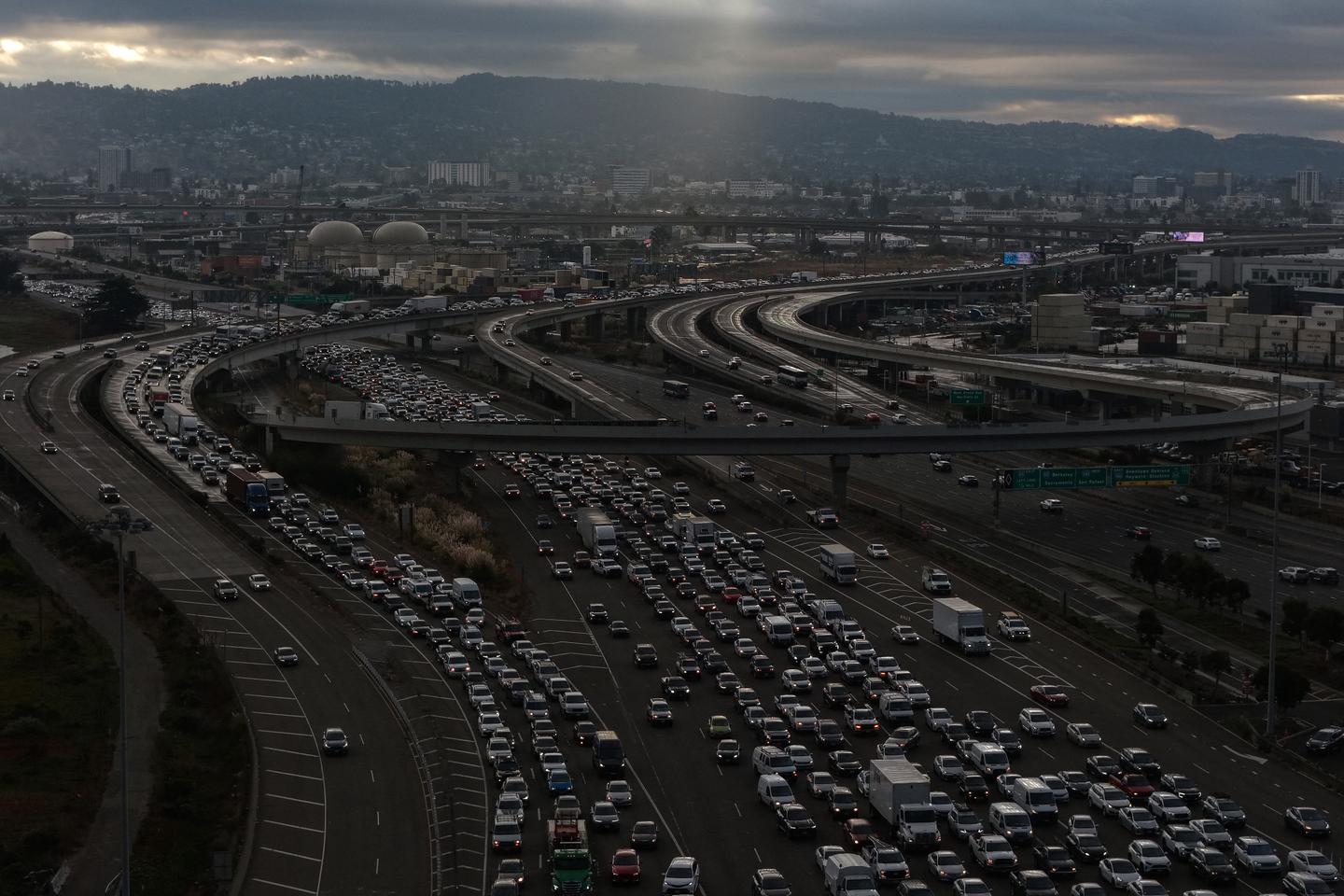
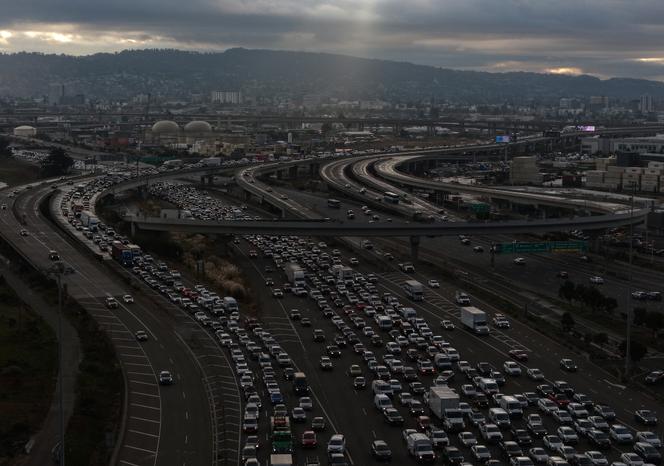
 In Oakland, California, on September 30, 2025. JUSTIN SULLIVAN/GETTY IMAGES VIA AFP
The increase was anticipated, but not its causes. After two years of decline, greenhouse gas emissions rose again in the United States in 2025, up 2.4%, according to an estimate published on January 13 by the Rhodium Group. The rebound defies the most obvious political interpretations. It does not – yet – reflect Donald Trump’s repeated attacks on efforts to fight climate change, but instead is the result of a more mundane mix: a cold winter and a soaring demand for electricity, which revived the use of coal.
“It’s too soon to see a meaningful impact from policy changes enacted by the Trump administration and Congress,” said Ben King, the director of US energy at the Rhodium Group. “Many of the most impactful changes, especially those modifications made to energy tax credits enacted as part of the One Big Beautiful Bill Act won’t take effect until 2026 or beyond.”
The primary driver of this increase appears to be cyclical. A harsher winter than in previous years has led to a sharp rise in heating needs for buildings, which remain heavily reliant on natural gas and heating oil; emissions from this sector jumped by nearly 7% in one year.
You have 82.53% of this article left to read. The rest is for subscribers only.