
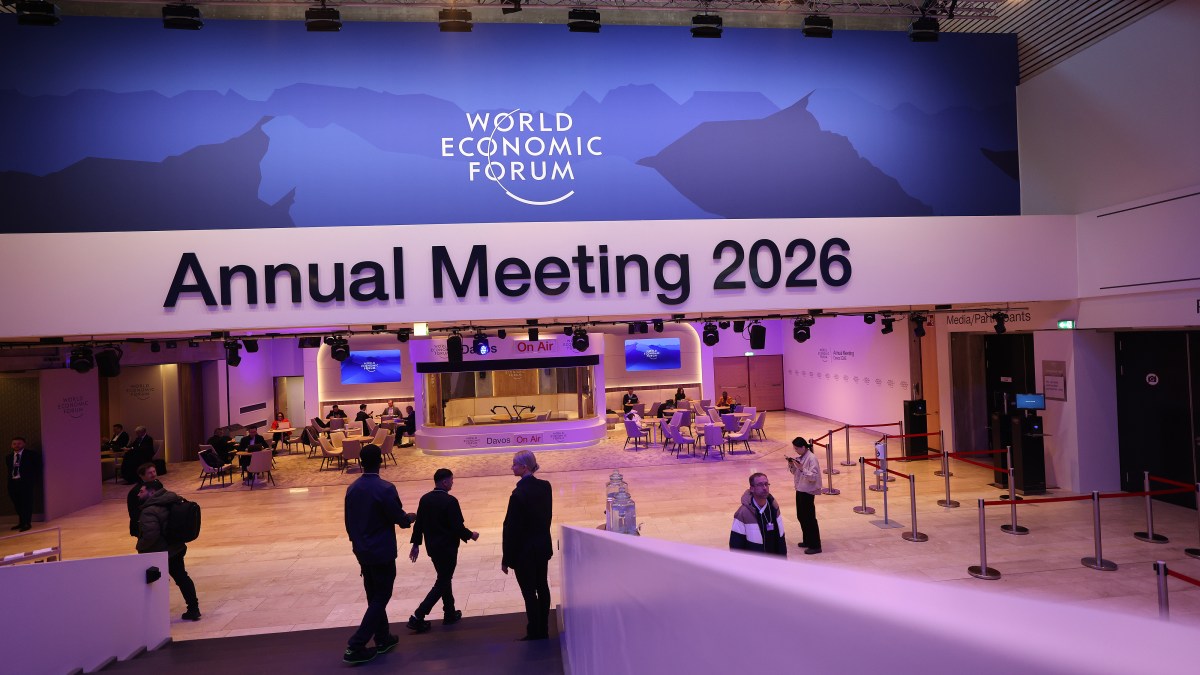
The UK has retained its ranking among global chief executives as the second most important market for international investment, beaten only by America, but international rivals are “gaining ground”.
Last year, Britain also secured second place in the annual global CEO survey, the highest position secured by the nation in the 29-year history of the research by PwC.
While the UK narrowly retained the ranking in the latest edition of the series, Germany and India were promoted to share second place. All three countries were cited by 13 per cent of global chief executives as locations expected to receive the greatest share of their planned investment over the next 12 months.
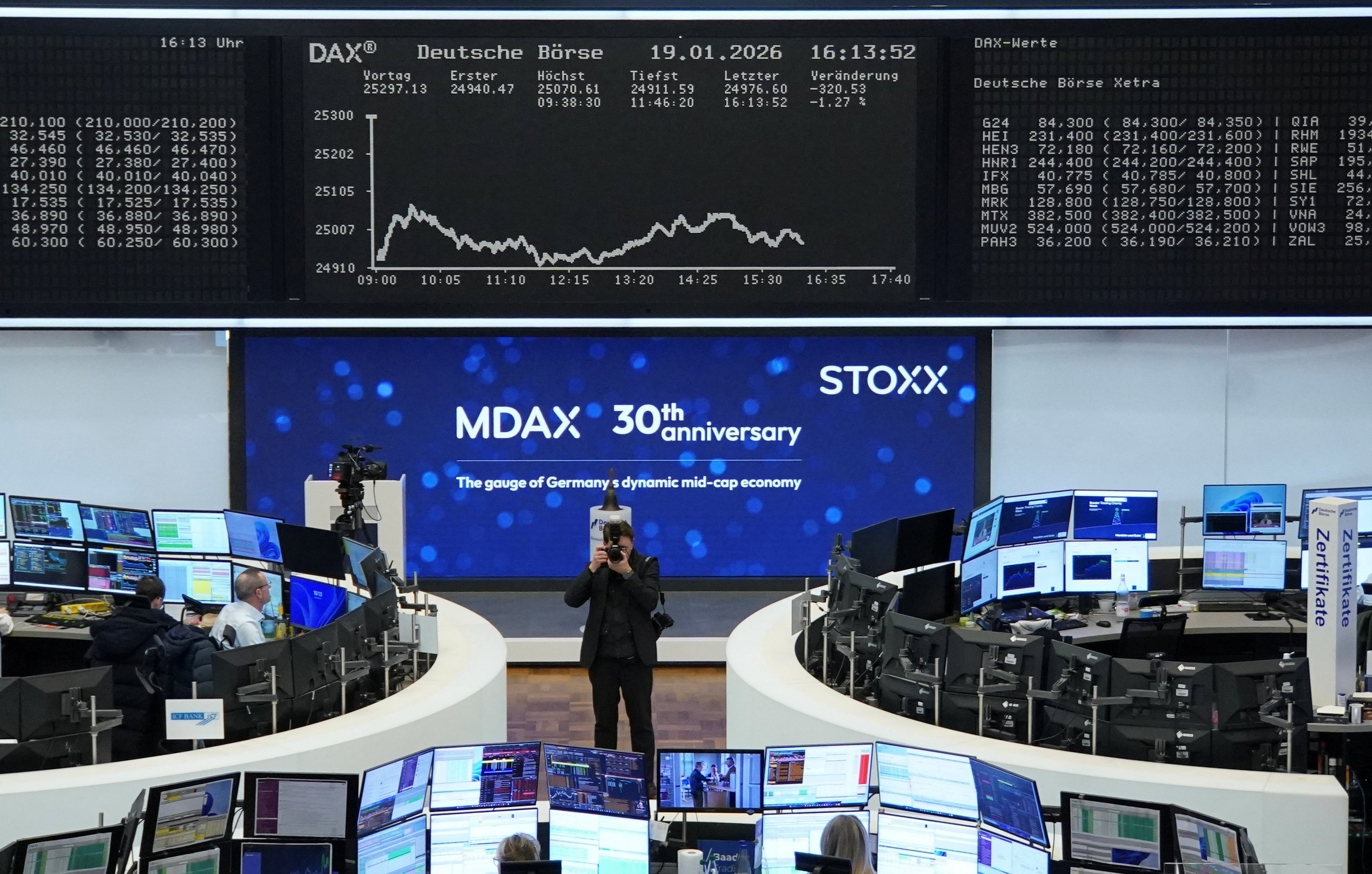
For UK CEOs looking at outward investment, the US and Germany remain the top two destinations
REUTERS
This compares with 14 per cent for the UK last year, 12 per cent for Germany and 7 per cent for India, which has seen interest double year-on-year. The US retains top place, extending its lead to 35 per cent from 30 per cent in 2025.
The UK retained its ranking despite a sharp rise in economic uncertainty, with 25 per cent of UK chief executives expecting the domestic economy to decline over the next 12 months, compared with 13 per cent in 2025.
Confidence in revenue growth is at a five-year low with just 38 per cent of UK chief executives very confident about expanding their turnover in the next 12 months, compared to 30 per cent globally.
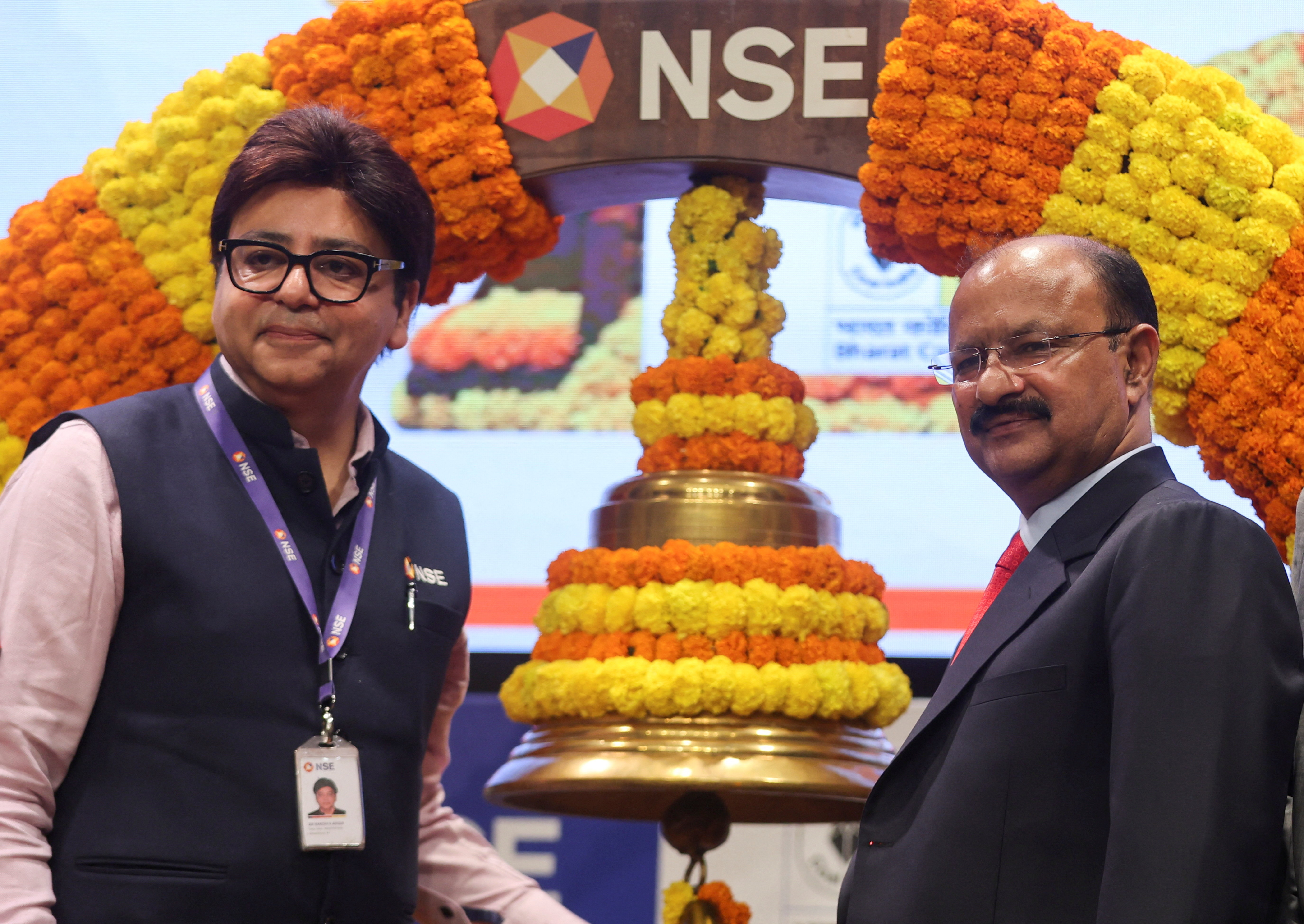
Harshit Ahuja, head of IPO listings at NSE in Mumbai, and Shri Manoj Kumar Agarwal, chairman and managing director of Bharat Coking Coal, at the listing ceremony of BCCL. Interest in investing in India is growing rapidly
REUTERS/FRANCIS MASCARENHAS
Marco Amitrano, senior partner of PwC UK & Middle East, said: “Being the world’s second-most important investment destination for a second-year running should not be underestimated.
“It demonstrates that the UK still looks stable in a turbulent world. But in now sharing that position it’s also a wake-up call — other countries are gaining ground and working hard to market themselves globally.”
Rachel Reeves, the chancellor, and Peter Kyle, the business secretary, will fly to the World Economic Forum in Davos, Switzerland, on Tuesday to meet international business leaders and investors. The two intend to set out why Britain is open to international investment.
Reeves and Kyle will attempt to sell Britain as “a haven of stability in an uncertain world” in an attempt to attract AI, life sciences and clean energy companies and investors.
The chancellor will unveil plans to reimburse visa fees for select “trailblazers” joining UK companies in priority sectors. Global firms will also be able to expand in Britain using new fast-track sponsor licenses.
She is scheduled to meet a number of investors at Davos including Stephen Schwarzman, chairman and chief executive of Blackstone, and Jamie Dimon, chairman and chief executive officer of JP Morgan.
Reeves and Kyle are likely to be cheered by PwC’s finding that UK bosses feel less exposed than their global peers to inflation, tariffs, geopolitical conflict and macroeconomic volatility.
Only 10 per cent in the UK see their business as significantly exposed to tariffs, compared to 20 per cent globally. European CEOs sit inbetween, at 14 per cent.
Similarly, just 11 per cent of UK chief executives feel significantly exposed to inflation, down 5 percentage points on last year, compared with 25 per cent globally.
The survey of 4,454 chief executives in 95 countries was carried out in September and November 2025, before President Trump’s threat this month of trade tariffs on exports from the UK and Nato allies unless the US is allowed to purchase Greenland.
The research was published to coincide with the annual meeting of the World Economic Forum in Davos.
For UK CEOs looking at outward investment, the US and Germany remain the top two destinations, while the trend of Australia increasing in attractiveness has continued as it moves into the top three. Conversely, while interest in France has remained stable, it has moved from third to fourth place.