Samsung is expected to unveil the Galaxy S26 series late next month. While the lineup is not rumored to bring major hardware upgrades, the company is still facing significant pressure on pricing. Samsung is reportedly trying hard to avoid raising prices for its upcoming high-end phones, including the Galaxy S26 Ultra.
Samsung could cut pre-order perks to maintain Galaxy S26 Ultra pricing
A report from iNews24 claims that Samsung is working hard to launch the Galaxy S26 Ultra at a price similar to the Galaxy S25 Ultra, which debuted at around $1,300. Due to a severe shortage of memory chips over the past year, Samsung and other smartphone brands are now paying up to three times more for the same amount of RAM. This is putting a considerable dent in their profit margins.
Some industry insiders suggest that the Galaxy S26 Ultra could cost $1,399 in the US, matching the launch price of the Galaxy S20 Ultra. However, Samsung reportedly wants to keep the phone priced below the KRW 2 million mark (~$1,352) in South Korea. If that target holds, the Galaxy S26 Ultra could retain its $1,299 price tag in the US.
To make that possible, Samsung may have to scale back its usual pre-order incentives. It could drop the popular double storage offer for early buyers, while other pre-order benefits may also be reduced or removed entirely.
The Smart Value-For-Money Choice
Grab Galaxy S25 FE
Why is there an extreme shortage of memory chips?
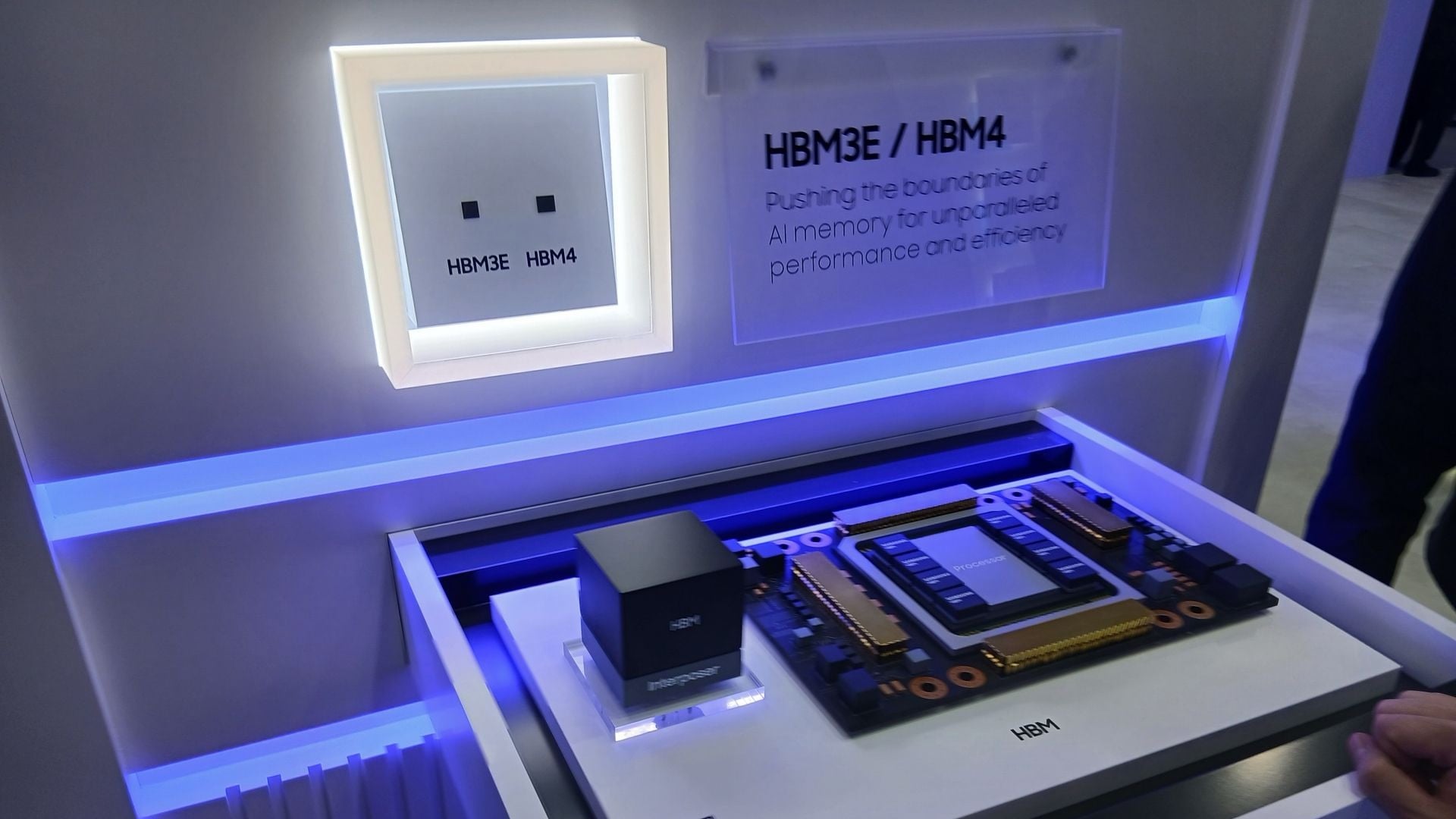
Demand for semiconductor memory chips has risen significantly over the past year, driven by the rapid expansion of artificial intelligence (AI) infrastructure. High-bandwidth memory (HBM) and server-grade DDR5 chips are being snapped up by major technology companies such as Amazon, Google, Meta, Microsoft, Nvidia, and OpenAI.
Since HBM and server-grade memory chips fetch higher profits, manufacturers like Micron, Samsung Device Solutions, and SK Hynix have shifted production away from general-purpose memory, which is used in laptops and phones. Instead, they are prioritizing HBM and enterprise-grade memory, which used in AI servers and hyperscale data centers.
As a result, production of general-purpose and low-power memory has declined. With fewer chips being manufactured, prices have climbed sharply, directly impacting smartphone makers. And that could force you to pay more for your next gadget purchase.