
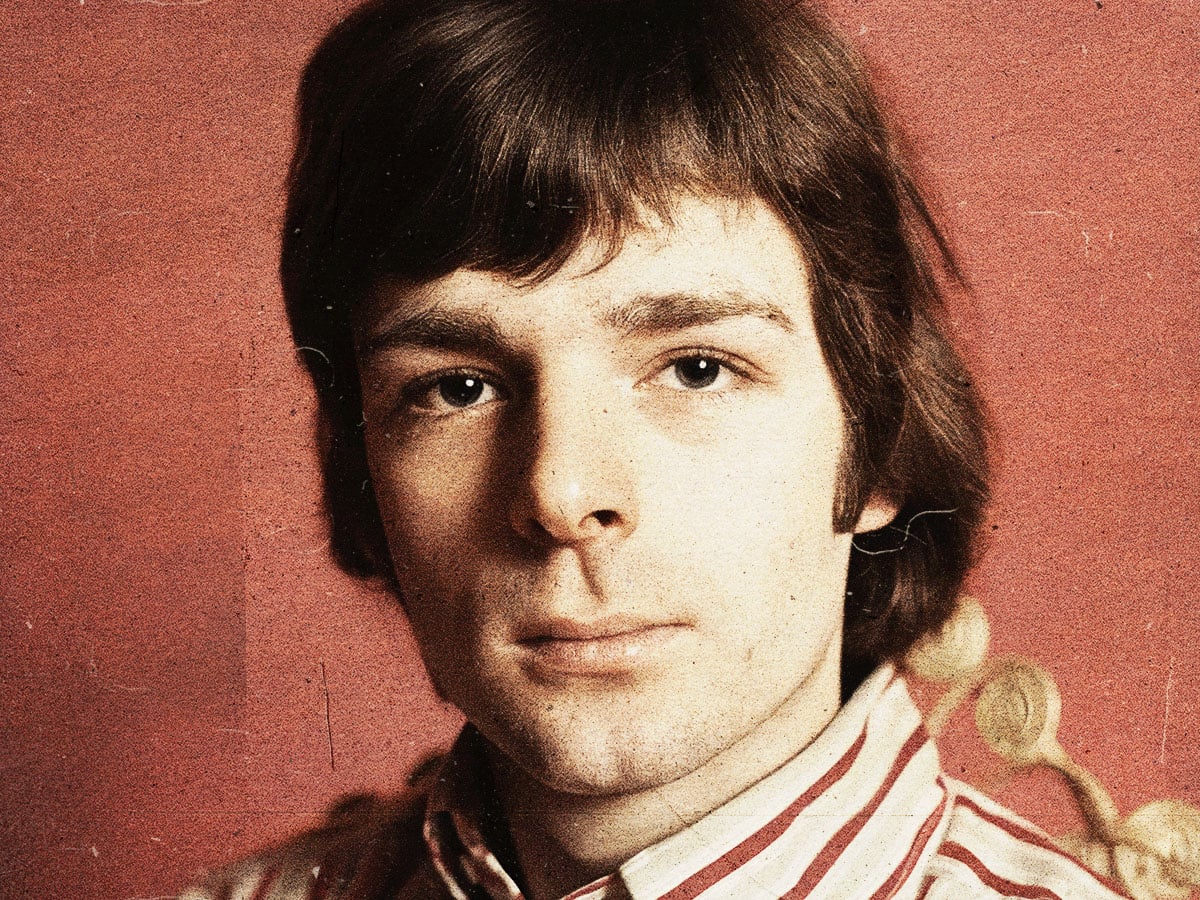
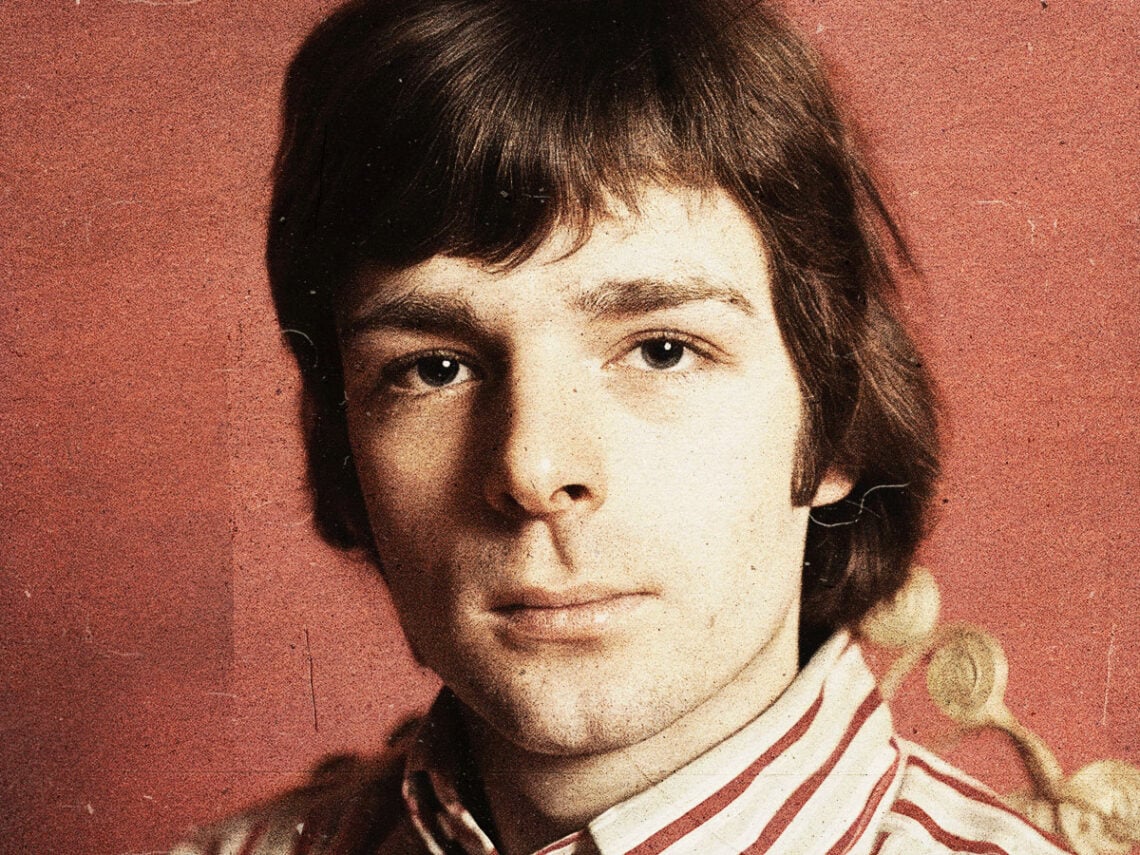
(Credits: Far Out / Alamy)
Tue 20 January 2026 9:27, UK
Much like The Beatles, Pink Floyd were overcrowded with musical talent. During the band’s formative rise as a psychedelic rock act under the guidance of Syd Barrett, Richard Wright was a salient feature on stage and in the studio, often taking lead vocals and heavily contributing to the foundational songwriting process.
Following Barrett’s tragic mental decline in the mid-1960s, bassist Roger Waters took the reins as the band’s conceptual coordinator and chief songwriter. Meanwhile, replacement guitarist David Gilmour soaked up his portion of the limelight, offering unique melodic flavourings to songs in perfect measure. Approaching the ’70s, it seemed their pianist, synthesiser and occasional singer-songwriter, Wright, had been somewhat eclipsed.
Despite only appearing in the songwriting credits of ten of Pink Floyd’s 217 released songs, Wright was a pivotal force behind some of the band’s most memorable moments during his long-lived tenure. Sadly, these contributions were broadly overlooked as fans beheld the genius craft of Waters and Gilmour.
“It is hard to overstate the importance of his musical voice in the Pink Floyd of the ’60s and ’70s,” Waters said of Wright in a statement following his death in 2008. “He was my musical partner and my friend,” Gilmour added at around the same time. “In the welter of arguments about who or what was Pink Floyd, Rick’s enormous input was frequently forgotten.”
Indisputably, Pink Floyd enjoyed their zenith over the first half of the 1970s with seminal releases like Meddle, The Dark Side of the Moon and Wish You Were Here, setting the bar impossibly high for fellow prog-rockers. As the late 1970s swung by and punk took hold of the rock world, Pink Floyd were at the height of their commercial powers and encountered immense pressure to deliver yet another spellbinding record.
 Pink Floyd as a quintet. (Credits: Far Out / Pink Floyd)Why was Richard Wright fired?
The pressure seemed to fall on all members of the band in different ways, but while Waters and Gilmour seemed intent on squabbling with one another, Wright drifted away from the band. The intensity of the expectations increased, and Waters, already a tough taskmaster, kicked things up a notch, and heaped expectation on his fellow bandmates, both wanting them to contribute more but becoming frustrated with having to fight for his own ideas to win out.
While working on The Wall, Waters’ conceptual brainchild of 1979, Wright was going through a divorce from his first wife, Juliette Gale. With a domineering Waters dictating the band’s every move, a disillusioned Wright opted to spend more time with his children, much to Waters’ despair. “Both myself and Dave… had little to offer, through laziness or whatever,” Wright admitted in a 2000 interview with Classic Rock. “Looking back, although I didn’t realise it, I was depressed.”
“By the time (we started) to make The Wall, Roger had begun to believe that he was Pink Floyd,” explained Wright in a less self-effacing interview. “He began to believe that he was the leader, but more than that. (He believed) that the others weren’t necessary, and that’s why I left. By this time, Roger was on his ego trip, and we didn’t get on for some time. For maybe three or four years before that.”
According to the band’s producer at the time, while Wright seemed to have detached from the group, he was also a victim of Waters’ tough demeanour. “(He was) a victim of Roger’s almost Teutonic cruelty. No matter what Rick did, it didn’t seem to be good enough for Roger. It was clear to me that Roger wasn’t interested in his succeeding,” Ezrin said to Rolling Stone.
Unimpressed with Wright’s lack of engagement in The Wall sessions, Waters considered suing but ultimately decided it would be easier to fire him at the end of the project, given the band’s difficult financial position at the time. It was a sign of things to come that the group were bound to dissolve in the very near future. Things had grown beyond an expected scale, and the responsibilities involved now seemed destined to crush them.
Why was Wright re-hired?
It is an impressive indictment of Wright’s skill that he was rehired. Waters is not a man who usually goes back on his word easily, and he very much went back to Wright cap-in-hand when he needed him.
Between 1980 and ’81, Pink Floyd staged an elaborate world tour in support of The Wall and commissioned Wright as a salaried session musician. Ironically, Wright was the only band member to profit from the tour as he was exempt from the crippling cost of the extravagant stage production.
After Waters left Pink Floyd in 1985, Gilmour and Mason, who continued to perform and record as Pink Floyd, brought Wright back on board. However, his contract terms barred him from rejoining Pink Floyd as an official member, meaning he was listed as an additional session musician on the band’s latter albums.
Until The Division Bell, which finally saw Wright return as a fully-fledged member. “Yes (I am a full member now),” he told Bruno Lombardi. “It was good to be able to contribute to The Division Bell from the beginning. Rather than come in halfway through, as I did on A Momentary Lapse Of Reason”.
Related Topics