
By Robert Scucci
| Published 1 hour ago
2021’s The Black Phone is one of my favorite recent horror films because of how seamlessly it tied supernatural occurrences to its serial killer plot. Now that its 2025 sequel, Black Phone 2, is available on streaming, I’m happy to report that it’s one of the best horror sequels I’ve seen in a hot minute. Stylistically, it couldn’t be further from its predecessor, but not in a jarring way. All the elements that made the first film special with its claustrophobic basement setting are still explored here, but the world being constructed has the potential to carry on as a long-running franchise not unlike the Halloween, A Nightmare on Elm Street, or Friday the 13th films.
Picking up four years after the 2021 film left off, Black Phone 2 is menacing thanks to its setting and cinematography, and Ethan Hawke’s performance as the elusive and supernaturally dangerous Grabber is the stuff of nightmares. The film’s influences are clear, but its willingness to stay in its own lane makes for a captivating watch that never feels like a ripoff or cheap carbon copy of what inspired its worldbuilding.
The Grabber And Freddy Are Cut From The Same Cloth
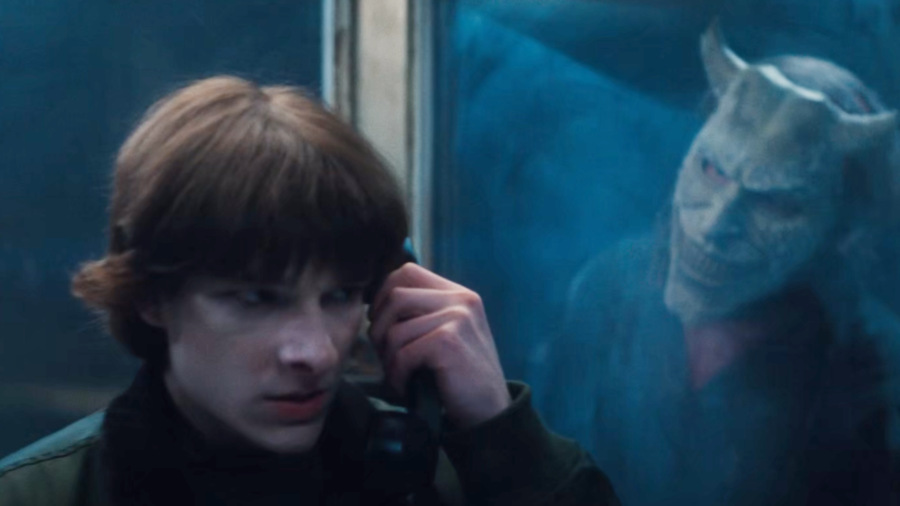
Black Phone 2 takes place four years after the events depicted in the first film. We’re reintroduced to Finney (Mason Thames), who escaped the Grabber’s (Ethan Hawke) clutches during his 1978 crime spree. Finney self-medicates to cope with the trauma of being the Grabber’s only known survivor, but his issues aren’t the primary point of focus here. Instead, the spotlight shifts to his younger sister Gwen (Madeleine McGraw), who is now experiencing sleepwalking episodes punctuated by disturbing visions of the Grabber.
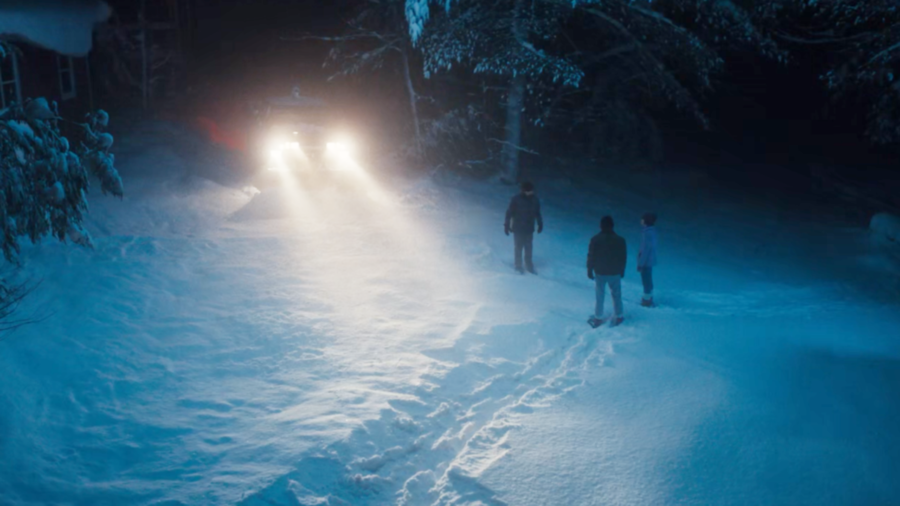
Those visions lead Gwen, Finney, and their friend Ernesto (Miguel Mora) to Alpine Lake Camp, where the Grabber began abducting and killing children back in 1957. Ernesto’s connection to the Grabber runs deeper than simple proximity, as his brother Robin was one of the killer’s victims in 1978. When they arrive at the camp, a blizzard prevents them from leaving, forcing them to confront both their own unresolved trauma and the lingering presence of the Grabber, whose soul appears to be haunting the grounds after his death in the first film.
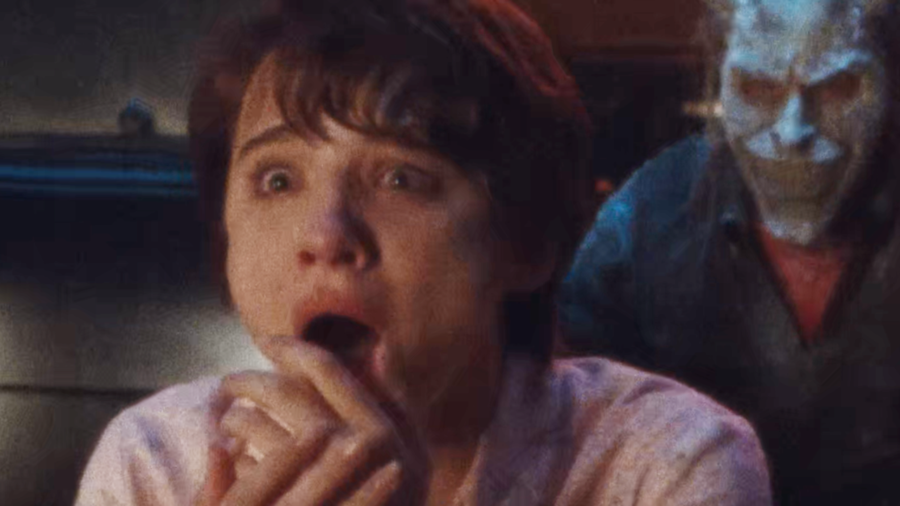
Channeling some serious Freddy Krueger energy, the Grabber targets Gwen in her dreams, where any physical harm she sustains while unconscious carries over into the real world. Realizing the danger they’re in, Gwen, Finney, and Ernesto reach out to Armando (Demian Bichir) and Barbara (Maev Beaty), the camp’s supervisors, who reveal their own unexpected connections to the three missing children tied to the camp’s dark history. As the Grabber’s grip over the location tightens, the kids are forced to take matters into their own hands to send him back to the hellish afterlife he refuses to stay in.
Brilliantly Shot With Stunning Scenery
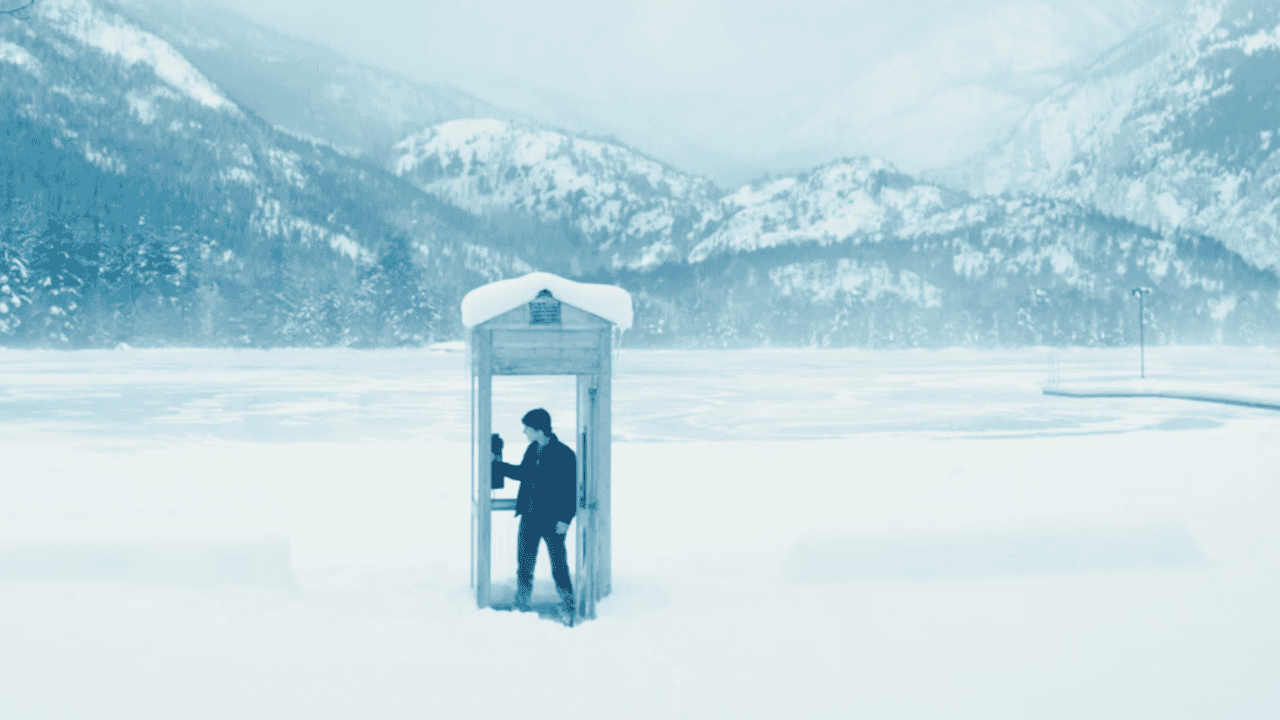
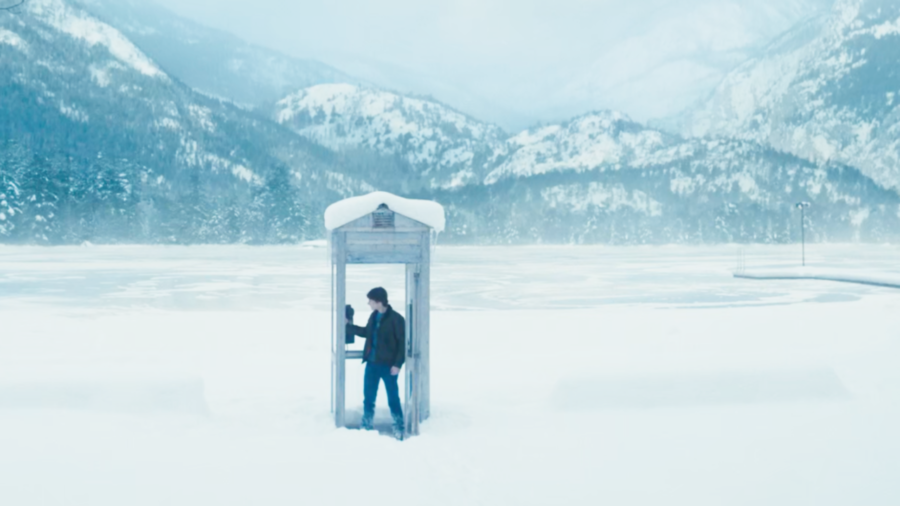
Though Black Phone 2 is technically a period piece, it benefits greatly from being set primarily in a cabin located deep in the wilderness. You don’t need a lot of vintage cars to sell the era when trees, snow, and isolated cabins are effectively timeless. The only essential anchor to the premise is the payphone by the lake, which is how the Grabber continues to contact his victims from beyond the grave.
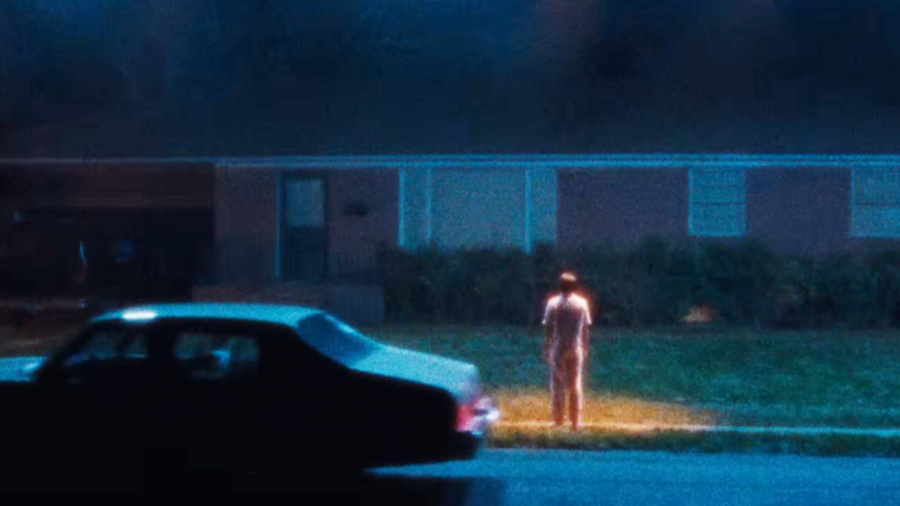
What truly elevates Black Phone 2 is its use of different cameras and image quality as visual shorthand. Gwen’s dream sequences appear grainy and distorted, while scenes set in the waking world are presented with much higher clarity. This approach strips away any ambiguity and sets the film apart from A Nightmare on Elm Street. Grainy footage means nightmare. Clean footage means reality. Establishing this language early allows for sharp, effective cuts between realms that clearly show how the Grabber’s influence crosses planes of existence.
What Gwen sees in her dreams becomes superimposed over the waking world around her, even when the people nearby can’t perceive the threat. She can see the Grabber approaching in her dreams but has no way of warning anyone in real time. The tension doesn’t come from the nightmares alone, but from the gap between what Gwen knows and what everyone else can’t see.
This Is What Elevated Horror Should Look Like
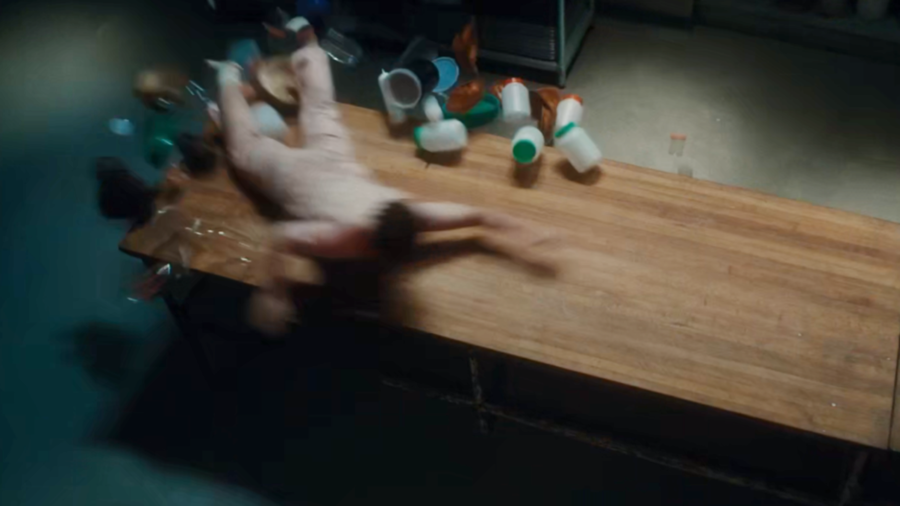
While there’s no real mystery driving Black Phone 2, its deliberate buildup, wide establishing shots of a brutal wilderness, and frantic crossover between the dream realm and waking life create several deeply unsettling sequences that linger long after the credits roll. Ethan Hawke is an absolute monster as the Grabber, fully committed to playing a modern analog to Freddy Krueger while still making the character his own. There are a couple of quick exposition dumps, but they feel earned, clearly motivated by pacing rather than a lack of trust in the audience.
Most importantly, the brother and sister dynamic between Finney and Gwen feels grounded and believable. Finney is still clearly haunted by his encounter with the Grabber, but he’s smart enough to recognize that Gwen shouldn’t face this alone as they work toward ending the nightmare once and for all.
Having earned $132 million at the box office against its reported $30 million production budget, it feels inevitable that the film series will continue. Everyone involved has expressed interest in returning, but only if quality remains the priority. Until a story worthy of further expansion takes shape, we’re left waiting to see how, and when, the Grabber finds his way back for another rampage.

As of this writing, Black Phone 2 is streaming on Peacock.