
A Washington woman has shared her frightening story of alcoholism when she was almost at rock bottom and her recovery
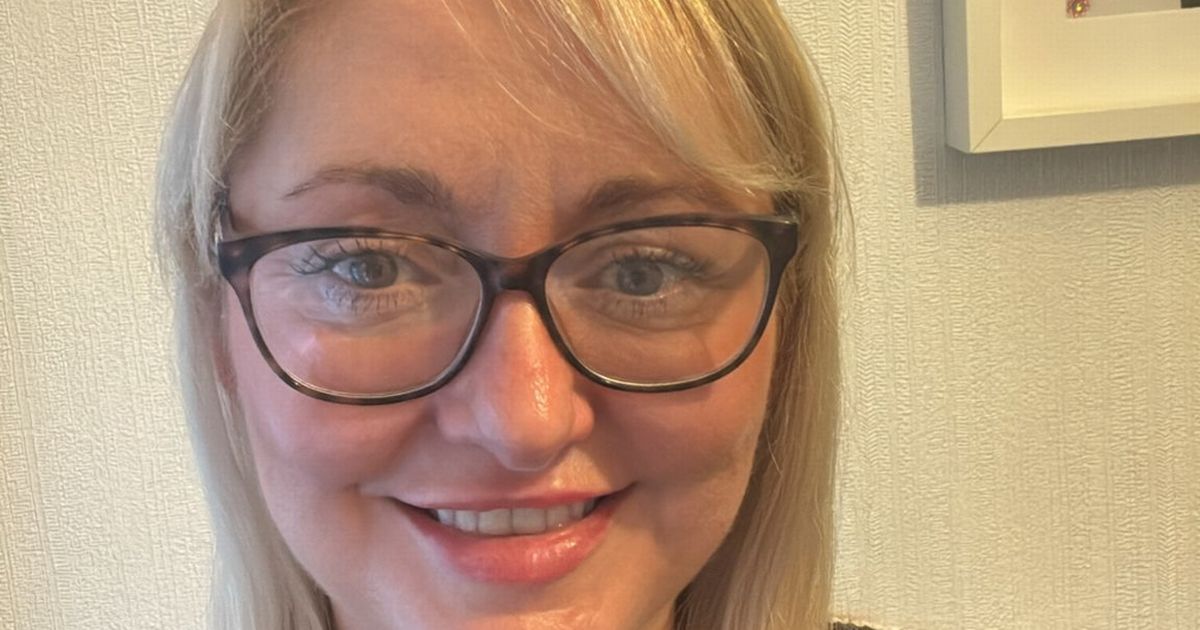
Kelly Mould was drinking more than a litre of vodka a day when she realised she needed to give up(Image: Handout)
“It was pretty blunt. They said if I didn’t stop, my liver might not last a year.”
Almost seven years ago, Kelly Mould, 41, was almost at rock bottom. The Washington woman was drinking a litre of vodka or more a day. As she told ChronicleLive this week, she was unable to function.
Kelly now works in mental health, supporting others as part of the local crisis team. But, her life could have been very different – if not over – had she not finally been able to kick a habit which had dogged her for “many, many years”.
Speaking during “Love your Liver Month” she explained that she had tried to quit booze, but failed, repeatedly. A relapse in 2019 saw her health take a dark turn. She was hospitalised in Newcastle and liver specialists told her that without change, organ failure was the only future she could look forward to.
And so she stopped drinking. But quitting an addiction like alcoholism is not straightforward, and the next few years were pockmarked with relapses. But on the day of the funeral of Queen Elizabeth II, Kelly had her “moment” and knew she wouldn’t drink again.
She had been on an alcohol reduction scheme and as teatime drew near, had reached her quota for that day. She had thought about heading to a nearby garage for more booze. But she decided not to, and has been sober since. Now, the Washington woman works as part of a mental health crisis team, bringing her lived experience of addiction – and recovery – to help support others.
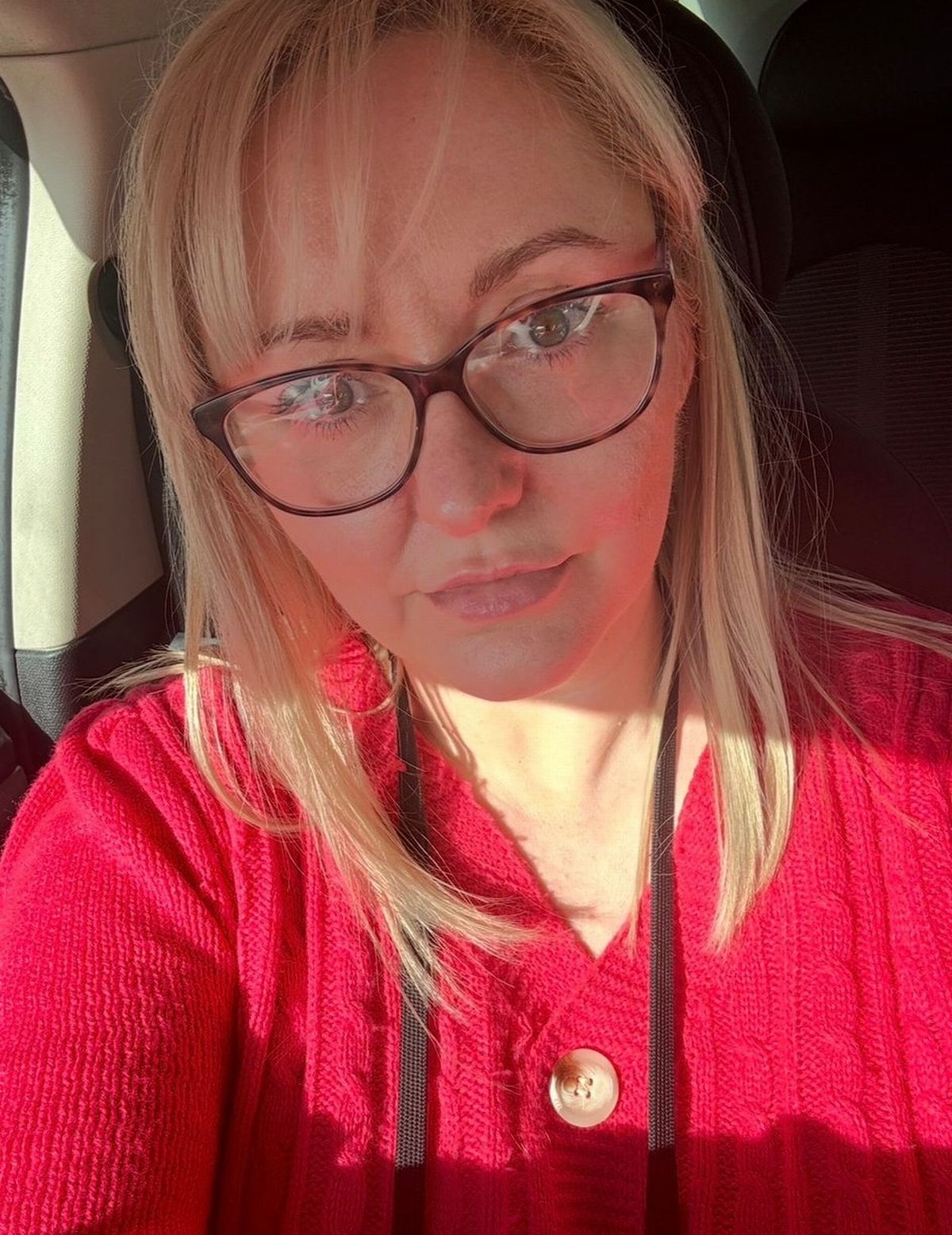
Kelly Mould, who has been sober since 2022(Image: Handout)
She told ChronicleLive: “I had been excessively for many, many years. Apart from the impact it was having on normal life and my ability to function, it was, in the background, it was having a terrible impact on my live that I was totally unaware of.
“I had started going through the rehabilitation process, it was during that process of stopping and relapsing that I became significantly unwell. I was in hospital and my liver function test came back – it was extremely poor. I was told very bluntly that it wouldn’t last the year.”
Our ChronicleLive Daily newsletter is free. You can sign up to receive it here. It will keep you up to date with all the latest breaking news and top stories from the North East.
This was, despite and because of her heavy drinking, a shock. “I had been totally unaware. I hadn’t known I had any symptoms,” she said. “I always felt fatigued – I was drinking too much though, so I just didn’t see that as a medical issue. I had a rationale for it and just didn’t realise it was a symptom.
“By that time in 2019 it had all come to a head. I realised I couldn’t function. I wasn’t even on a day-night cycle because the gaps between my withdrawals were so close together.
“And so I self-referred to Plummer Court and they put me on a reduction programme. I went on that for two weeks, it was fine. But then the real change starts. That’s the part I found the most difficult.”
Plummer Court is where the NHS’s Newcastle “treatment and recovery” centre is based, in the city’s Carliol Square. Despite the support there, after her two-week programme, Kelly relapsed.
She continued: “And when you relapse, you go to the last point you put down – but my body just couldn’t cope with drinking a glass of vodka. That triggered all of the health problems I experienced.”
She was told she had fibrosis – early-stage liver scarring. Kelly added: “I never expected to hear such devastating news about my liver. The doctors told me it was functioning at its absolute maximum, struggling to keep up with the damage I had inflicted upon it. If I didn’t stop drinking immediately, my liver wouldn’t last another year.
“Hearing that my liver was in such a fragile state shook me. The doctors at the Freeman Hospital in Newcastle were clear: I could still reverse or halt the damage, but only if I stopped drinking immediately. If I ignored their warnings, I would find myself facing the reality of organ failure.”
However, knowing what was at stake didn’t make quitting booze easier. “Unfortunately even though I had the information, it didn’t happen [staying sober] the first time. I went through the cycle of relapse and repeat until I reached a point where I knew I would stop.
“I was going to ‘dayhab’ at Oaktrees in Newcastle. I managed to get through a 12 week programme there but I relapsed again after that – I didn’t know how to live my life without alcohol. But then I had that ‘moment’ – sometimes you just have a moment and you know.
“I said I was going to stop. It was the day of the Queen’s funeral. It got to about six-thirty in the evening. I had lost track of time. My first thought was ‘just go to the garage’. But I didn’t.”
Since that turning point, Kelly has seen her life change beyond recognition. She said that she was “in a place she had never dreamed of”. She added: “It’s now my fourth year of sobriety coming up in September. It’s been great, it really has. One thing I did struggle with for a bit though was feeling just ‘down’ – but I’m a very facts-based person and once it was explained to me that effectively my body had stopped producing dopamine, and for so long I had been getting that from alcohol.
“But I got through it. I started a new job. I moved back to Washington be closer to family. It’s been great to do that.”
And Kelly has seen improvements to both her physical and mental health. She added: “My mental health had been so so poor. As an alcoholic, you are so, so low. You’re just living on a cycle of momentary feelings of happiness and you might spend days or weeks to get to that moment.
“It’s such small things that are amazing now. I can still remember the feeling the first time I was able to make a cup of coffee without my hands shaking – that feeling of stillness and calm that I had just never had, physically and emotionally. Just being able to sit still, with nothing on the TV, no music on the radio. I could just sit still, and look out of the window. As simple as, I was okay, at peace.”
Dr James Crosbie, a GP and consultant gastroenterologist at the South Tyneside and Sunderland NHS Trust, is the NHS’s clinical lead for alcohol across the North East and Northj Cumbria. He said: “Across the North East, large numbers of people drink at harmful levels, increasing their risk of alcohol related liver disease such as fibrosis, cirrhosis and liver cancer.
“The more you drink, the higher the risk — and unlike age, gender or family history, alcohol is a risk factor we can actively change.”
Susan Taylor, head of alcohol policy for campaign group Balance, said: “Four out of five people in the North East (82%) see alcohol as a big problem regionally and nationally, and yet awareness of alcohol health risks is still worryingly low. Having clear health warnings on all alcohol products would be a good start to address this.
“Deaths from alcohol rose sharply after the pandemic and although concerted action across the health and care system are seeing an impact, they are still far too high. We need national action to reduce alcohol harm which must recognise how cheap pricing, easy availability and persistent marketing have added to the normalisation of alcohol consumption in everyday life.”
ChronicleLive has created a dedicated WhatsApp community for breaking news and our biggest stories. You can join this WhatsApp community here. It will keep you up-to-date with news as it breaks and our top stories of the day sent directly to your phone.