
The 14-page report was officially published by the Department for Environment, Food and Rural Affairs (Defra). But the BBC understands it was put together by the Joint Intelligence Committee, which oversees the security services, in addition to input across government.
The report draws on scientific research and expert judgement to assess a “reasonable worst case scenario” for the impacts of nature loss on the UK’s security.
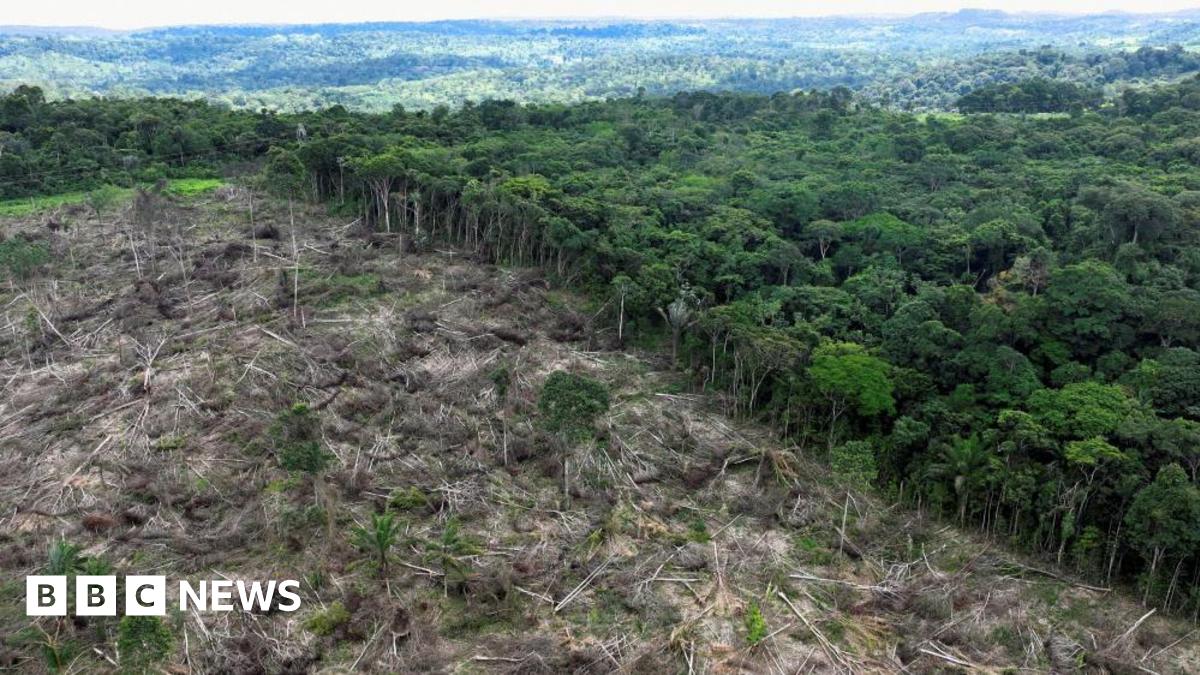
It highlights six ecosystem regions which it calls “critical for UK national security”, based on the likelihood of these ecosystems collapsing and the impacts were they to do so.
They include the rainforests of the Amazon and the Congo basin, the boreal forests of Russia and Canada, the coral reefs and mangroves of South East Asia, and the Himalayas.
These ecosystems are on the “pathway to collapse”, the report says, if current rates of nature loss continue. But exactly when this would happen – and how long it would take – is uncertain.
The report draws attention to several possible impacts on the UK’s security from ecosystem degradation and collapse, from rising migration and geopolitical competition to a higher risk of pandemics and economic insecurity.
But perhaps the strongest words are reserved for the potential consequences for UK food supplies.
The report says that ecosystem degradation or collapse “will challenge the UK’s food security”, pointing to its reliance on global markets for food and fertiliser.
If major food-producing regions were hit, some foods would become scarcer, driving up prices globally and potentially restricting choice, the report says.
But the report warns that the UK is “unable” to be food self-sufficient at present based on current diets and prices – and full self-sufficiency would also require “very substantial price increases” for consumers.
However, some technologies, like regenerative agriculture or lab-grown protein, could help with further research and investment, the report adds.