
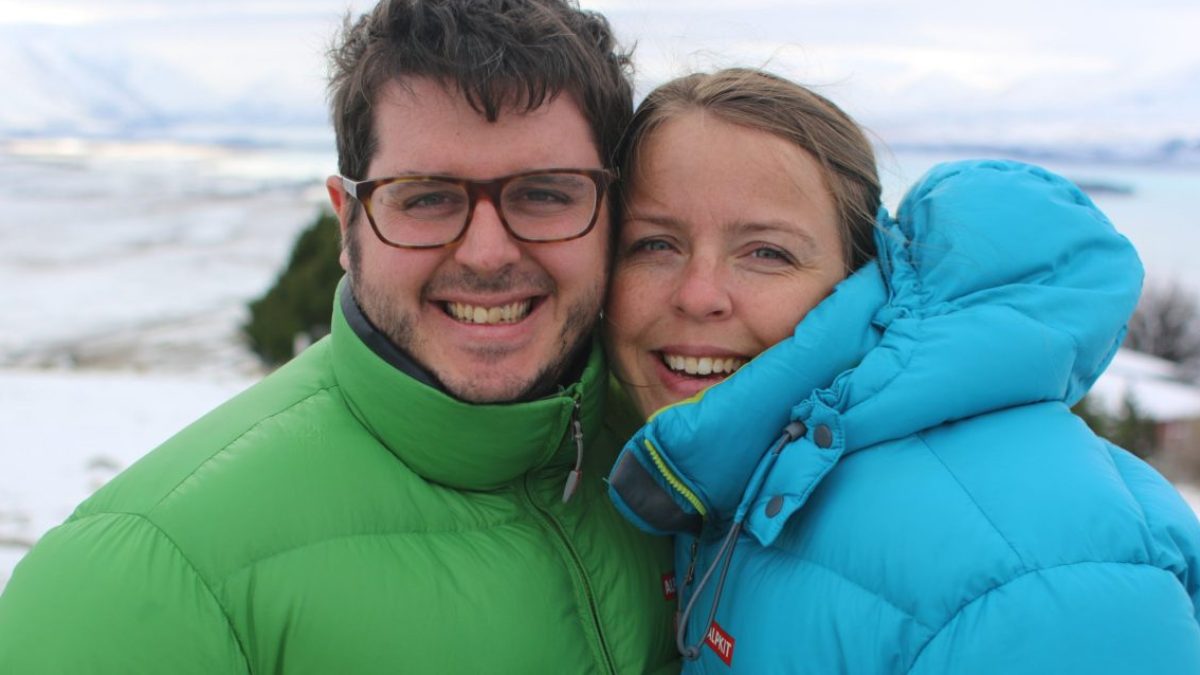
A grieving husband tells how being turned down for new treatments ‘took away our hope’ as his wife battled a brain tumour
Zoe Wilson was fit and well, and working as a teacher before her world was turned upside down in 2021.
“Zoe was in the shower one morning and I heard an almighty crash in the bathroom,” recalls her husband, Matthew. “I raced in and saw her slumped over backwards in the bath, having what turned out to be a seizure.”
He called an ambulance, and she was rushed to hospital, where CT and MRI scans found a large brain tumour in two parts of her brain. After being referred to a more specialised hospital, she was diagnosed with an aggressive type of malignant brain tumour, a glioblastoma, which was incurable.
“The brain surgeon told us that without any treatment, she would be dead in three months,” says Matthew, 41, from Cheltenham. “It was a huge shock – we were both in good health and cancer had never really touched our families before, and felt like something that happened to other people.
New FeatureIn ShortQuick Stories. Same trusted journalism.
“It felt terrible coming home to tell family the news and facing the reality of what was likely to happen, especially with young children – our sons were aged one and four at the time. I was in such a state of shock and disbelief at the time that I can’t remember their reaction.”
Zoe had two operations, then radiotherapy and chemotherapy. Matthew started researching different treatments online. “It felt as though she had won one of the worst lotteries in the world and I wanted to do anything I could to help. I started to realise there were new innovations out there that wouldn’t be offered on the NHS, and was reassured that at least we had private medical insurance as a perk of my job at the time, which covered me, Zoe and our sons.
“I got the necessary paperwork to inform them of Zoe’s diagnosis and opened a claim.”
The policy was funded by Matthew’s employer – he paid tax on the cost of the cover from his salary – and included ‘advanced cancer cover’.
But though they had some appointments funded, the couple quickly realised that getting claims approved would not be as straightforward as they’d hoped. For example, they requested tests to understand the genetic markers of Zoe’s tumour, to tailor her treatment more effectively. While the insurance company paid for a private consultation and MRI, they refused to cover the genetic testing, so Zoe and Matthew paid around £9,000 for that themselves.
As a result of the tests, Zoe had an additional type of chemotherapy funded by the NHS.
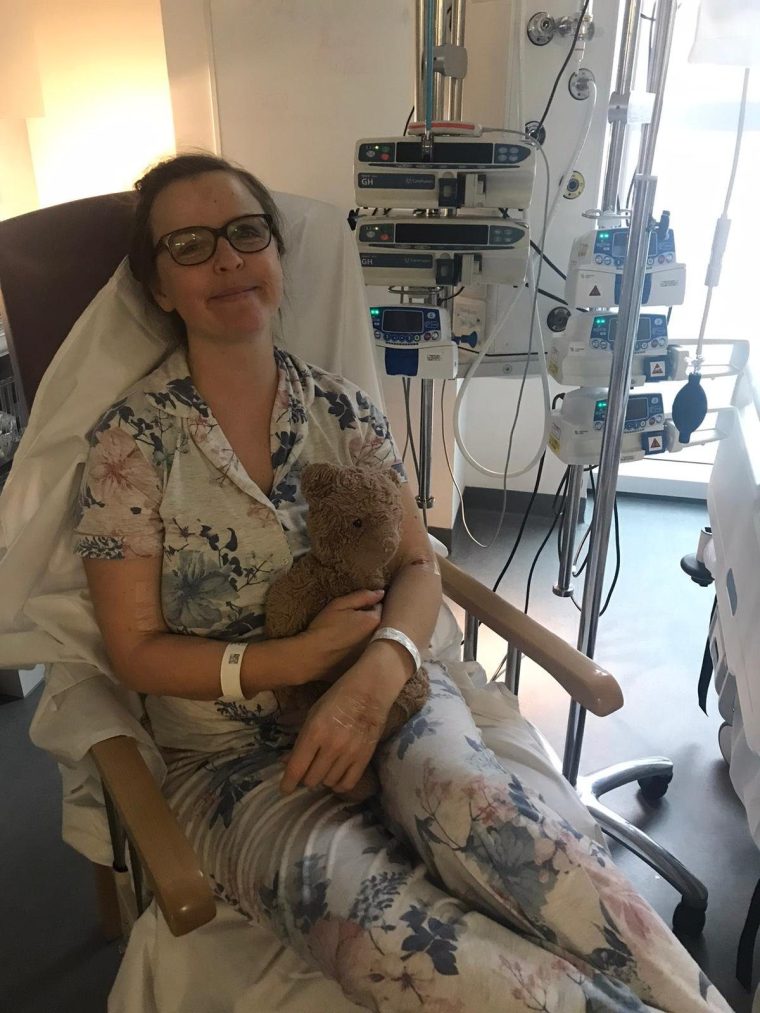 Zoe Wilson wanted to try anything that would buy her extra time with her family. She and her husband felt angry when they were turned down for funding for new treatments
Matthew then read online about Optune, a new wearable device that uses low intensity electrical fields to treat glioblastomas by disrupting the process of cancer cell division. Clinical trials had shown that on average it added nearly five extra months to people’s lives.
“Zoe was keen to try it to have any extra time with the boys,” says Matthew. “But the insurance company said it wasn’t covered, because it wasn’t established medical practice in the UK and because it was a device, rather than a medicine. We got involved with a patient advocacy group, and even experts wrote multi-page responses to the insurer. But all they offered was a £20,000 contribution, which only covered one month of treatment, which wouldn’t have been likely to have an effect so there was no point using it.
“Zoe was very disappointed and I was angry – I’d spent a lot of time researching treatments that were backed by evidence, then to have it rejected was completely disappointing and disheartening.”
With concerns about NHS waiting times and pressures, increasing numbers are choosing to take out private health insurance policies – it’s also now an in-demand workplace benefit.
Earlier this year, new data from the Financial Conduct Authority’s (FCA) found that 14 per cent of the UK adult population – the equivalent of 7.6 million people – had private medical insurance in 2024, compared with 6.7 million in 2020.
But while it can bring peace of mind during periods of health, some are finding it doesn’t guarantee the advanced treatments and life-saving options they’d expected. Medical and health insurance was the second most complained about type of financial product in the first half of 2025, according to the FCA.
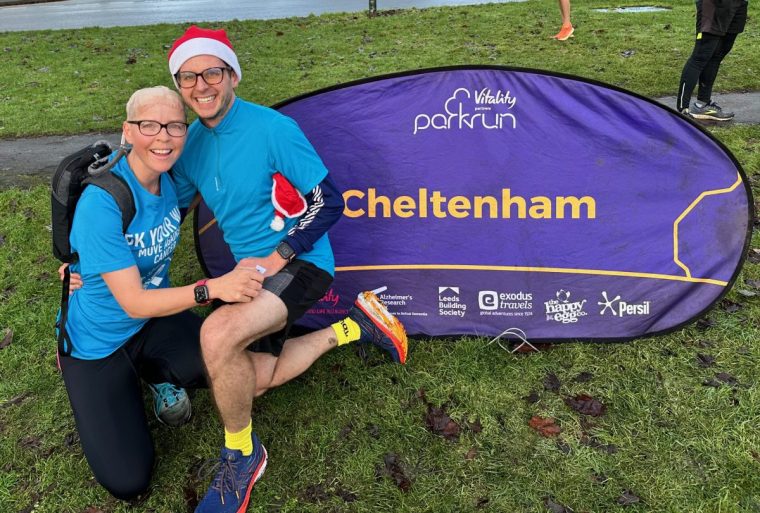 Zoe Wilson raised money and campaigned for better access for people with brain tumours
More than 76,000 complaints about health insurance were received from January to June.
According to the Financial Ombudsman Service, the main complaints included insurers taking too long to pay for claims, not paying for all of someone’s treatment, stopping paying for treatment and being told the policy would cover them for everything they needed, which it then didn’t.
Matthew Wilson says he and Zoe, who married in 2012 and had two sons, now aged nine and six, were significantly affected by the lack of support from their insurance company.
They put in a claim to have a personalised vaccine made for Zoe in the UK, following Matthew’s research. “Again, the answer was no, so we crowdfunded, which raised more than £108,000 and paid for her to have the vaccine in Germany,” he says. “We didn’t have time to wait several months to fight the company to pay for it – we just wanted her to have the treatment as quickly as possible.”
Zoe started having it in December 2021 – then someone who saw her crowdfunding page generously offered to pay for her Optune treatment.
“She ended up living around two years after her diagnosis and living a good life for most of that time, even going back to work as a teacher. Zoe was wonderfully inspirational and went to the Houses of Parliament to speak to our MP about improving treatment options for brain tumour patients in the UK.”
But despite being grateful for the extra time Zoe had, this period was still fraught with worry and anxiety, which was heightened by the issues with the insurance company.
“It was incredibly stressful – I was working full time, had a young family to care for and was doing my best to look after Zoe,” says Matthew.
“When your loved one goes through something like Zoe did, the last thing you want is to be having stressful arguments, waiting a long time for people to phone you back or to be told your wife isn’t eligible for a spa day – which was a perk offered by the insurance company.”
In early 2023, a routine scan showed that the cancer had come back in Zoe’s brain stem (where the brain is connected to the spinal cord), and being in this area meant it was inoperable. “Despite the devastating news, she never complained and continued to train for a triathlon and raised thousands of pounds for Maggie’s cancer charity, though sadly in the end she wasn’t well enough to compete,” says Matthew.
They began one final unlicensed drug treatment – it was agreed that the unused contribution Vitality offered towards Optune could be used for this instead, but Zoe’s condition worsened and she was moved onto a palliative care pathway. “It was an absolute nightmare for her at the time, but Zoe was very stoic,” recalls Matthew. “In some ways, it felt compassionate that her suffering was short-lived before she passed away in April 2023, when she was 37.
“We always knew her cancer was very likely to return one day, but we hoped it would be many years in the future and that she would be one of the five per cent of people with glioblastomas who live for five years or more after diagnosis. Just because you’ve got a death sentence doesn’t mean you can give up. That’s the big issue I had with the insurance company – I saw them as people who removed hope.”
Dr Arun Thiyagarajan, chief executive of Vitality Health said: “We are sorry for Mr Wilson’s loss and to hear of his frustration during this difficult time. Vitality’s health insurance provides access to a full range of medical treatments and services, including comprehensive cancer care. For Mrs Wilson, we provided funding for all claims eligible under our cover, however, we do not fund experimental or unlicensed treatments or those not deemed to be effective and safe.”
Private medical cover can offer the peace of mind that if you do need a procedure or become ill, you should be able to access help sooner than if you have to go on an NHS waiting list, says Dr Chris Smith-Brown, a clinical adviser at the Private Healthcare Information Network. However, it does come with its limitations and it’s crucial to check exactly what a policy covers, he explains.
“Your policy won’t normally cover the treatment of health conditions or complaints you’re suffering from at the time you buy your cover, referred to by insurers as ‘pre-existing conditions’. Any cover you buy from a private medical insurer won’t usually cover the costs of the ongoing management and maintenance of chronic, or incurable, conditions such as asthma or diabetes. That’s because private medical insurance is designed to treat short-term, curable conditions that are likely to respond quickly to treatment.”
With a disease such as cancer, private medical insurance policies can differ significantly when it comes to funding treatments you wouldn’t typically receive on the NHS, he adds.
“Some private medical insurance policies will fund treatments the NHS doesn’t routinely commission, but cover varies widely and you’ll need to have insurance before your diagnosis. Private hospitals increasingly offer newer procedures such as robotic‑assisted surgery but your insurer may still approve only the traditional approach.
“If that happens, you may be asked to pay the difference (a shortfall) yourself, and any claim or change to your cover could affect future premiums. The safest course is to review your policy, ask your consultant and insurer for written confirmation of what’s authorised, and understand any excesses or shortfalls before treatment.”
Smith-Brown says that a key benefit of private medical insurance can be that it covers private cancer treatment, such as chemotherapy. “If you develop cancer after your policy has started then it can provide substantial help in covering the otherwise very expensive costs if you wanted private treatment,” he says.
Matthew Wilson says he wouldn’t get private medical insurance again after his experience. Matthew, who is now training to be a nutritionist and campaigns for brain tumour patients, says he feels it would be better to put money into a savings account.
“Part of the problem is, as I don’t know what health conditions I may or may not get in the future, it would be hard to take out a policy that covered what I may, or may not, need. A savings account would provide the ultimate flexibility in the future, as you could pay for the treatments you felt were worthwhile.”
“Private medical insurance can be of particular benefit to those on a regular income who can afford the monthly premiums and want to have peace of mind about meeting their future healthcare needs,” adds Smith-Brown. “Equally, if it’s offered by an employer, it can be a beneficial option. But those whose income is less regular may find that self-funding their procedure with either savings or a loan may be better for them.”
Matthew says that the difficulties he had dealing with his insurance company “made a tremendously difficult time a lot worse”.
“Since Zoe passed away life has been challenging, but the boys and I have had a lot of support. I’ve been very open with them about what happened to their mum, and I take some comfort from knowing that we did our absolute best for her through the generosity of family, friends and even strangers – but not the insurance company.”
Matthew Wilson campaigns with Brain Tumour Research. To find out more or donate, visit braintumourresearch.org. He is also a trustee of www.ourbrainbank.org and a member braincancerjustice.org.