
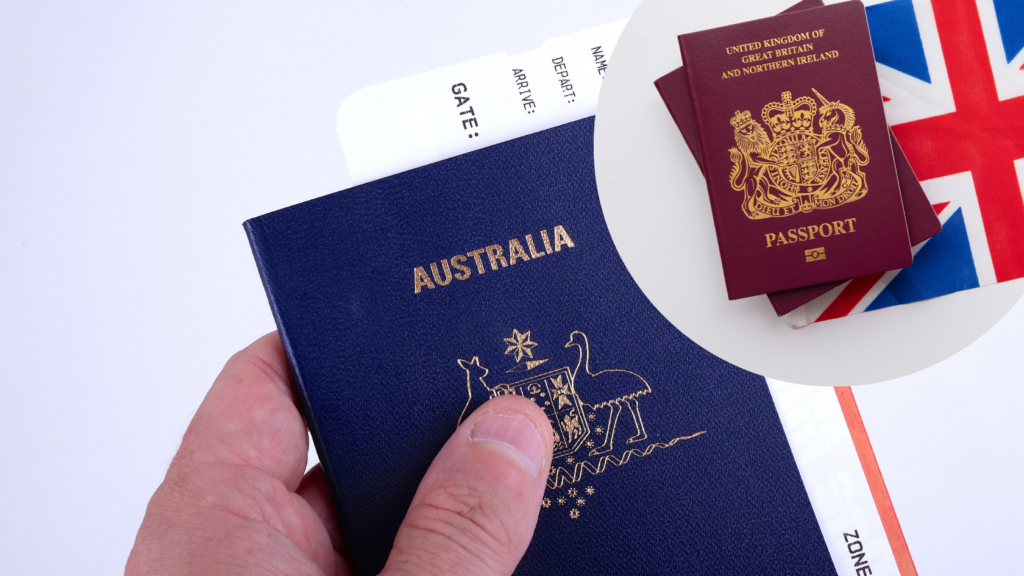
Many Australians with British or Irish citizenship have historically entered the UK on their Australian passport without issue. That flexibility is about to change.
From 25 February 2026, Australians who hold British or Irish citizenship will no longer be able to enter the UK using an Australian passport alone. For many dual citizens, this marks the first time their citizenship status directly affects whether they can board a flight, making early awareness and document preparation critical.
Commencement and key features of the change
From 25 February 2026, British and Irish dual citizens will be required to use evidence of their UK citizenship when entering the United Kingdom. An Australian passport alone will no longer be sufficient if the traveller is legally recognised as a British or Irish citizen.
To enter the UK, travellers must present one of the following documents:
A valid British passportA valid Irish passportA valid foreign passport that contains a Certificate of Entitlement to the Right of Abode in the UK
If none of these documents are held, travel to the UK will not be permitted. Airlines and transport providers are required to verify documentation before boarding, and travellers may be refused boarding even if they have previously entered the UK using an Australian passport.
Short stay entry requirements for Australian passport holders
Australian passport holders who are not British or Irish citizens must meet an additional requirement when travelling to the UK for short stays, including tourism, visiting family or short business visits.
For these travellers, an Electronic Travel Authorisation (ETA) must be obtained before departure.
Key points include:
A fee of approximately £16Required for all travellers, including children and infantsValid for up to two years or until the passport expiresAllows multiple visits, with each stay of up to six months
This requirement applies only to travellers who are not British or Irish citizens.
Who is affected by the new passport rules
The new passport rules apply to Australians who are legally recognised as British or Irish citizens, regardless of which passport they usually travel on.
You are likely to be affected if any of the following apply to you:
You were born in the United KingdomOne of your parents is or was a British citizenYou became an Australian citizen and did not formally renounce British citizenshipYou hold Irish citizenship through birth or descentYou are eligible for Irish citizenship but have never applied for a passport
For many Australians, the key issue is that citizenship status is determined by UK or Irish law, not by how long you have lived in Australia or which passport you have used in the past.
Understanding the Certificate of Entitlement
A is an option for British citizens who do not hold, or do not currently hold, a British passport. It is not a travel document on its own, but an official endorsement placed inside a non-British passport that confirms the holder’s right of abode in the United Kingdom.
For Australians affected by the new passport rules, a Certificate of Entitlement may be relevant where a UK passport is not held or is not current.
A Certificate of Entitlement allows the holder to:
Enter the UK without immigration restrictionsLive and work in the UK indefinitelyRemain in the UK without time limits
Important considerations include:
The Certificate of Entitlement must be reissued each time the passport is renewedIt is linked to one specific passport and cannot be transferredIt does not replace the need to carry a valid passport when travelling
Costs involved for Australian travellers
The new passport requirements may involve additional costs, depending on which option an individual chooses to meet the UK entry rules. These costs are relevant for Australians applying from outside the United Kingdom and are separate from Australian passport fees.
Indicative costs include:
A British adult passport when applying from overseas, with base fees of £94.50 online or £107 by paper application, plus applicable courier or service feesAn Irish adult passport for a standard ten-year validity, which costs €75, with postal fees applying for overseas applicationsA Certificate of Entitlement to the Right of Abode, which costs £589Renunciation of British citizenship, which carries a fee of £482
Actual amounts may vary depending on application method, service options and exchange rates. Travellers should factor these costs into their planning well before booking travel.
What happens if correct documents are not held
Travellers who do not hold the required passport or Certificate of Entitlement may be prevented from travelling to the UK or refused entry on arrival.
Potential consequences include:
Refusal to board flights or other transport before departureDisrupted travel plans, including missed accommodation or onward travelFinancial loss due to non-refundable bookings
Airlines and transport providers are required to enforce documentation checks and may face penalties for carrying passengers without valid entry documents.
How these changes commonly affect Australians travelling to the UK
The updated passport and entry rules commonly affect Australians planning travel to the UK, particularly where British or Irish citizenship is held through birth or ancestry rather than recent residence.
Common issues experienced include:
Being refused boarding due to travelling on the incorrect passportTravel delays caused by last-minute document or status checksUnexpected costs to renew passports or obtain alternative documentationDisruption to planned travel, work commitments or scheduled activities
Many Australians are unaware that citizenship status, rather than travel history, determines which documents must be used to enter the UK.
To reduce the risk of disruption, Australians who are unsure of their status should:
Check whether British or Irish citizenship applies under foreign lawConsider parental citizenship status at the time of birthRefer to official UK or Irish government guidance or confirm status through the relevant embassy or consulate
Confirming citizenship status early allows sufficient time to secure the correct passport or entitlement document and supports smoother travel planning.
How Absolute Immigration can support you
Changes to passport and entry rules can create uncertainty for Australians with British or Irish citizenship. Absolute Immigration provides clear, practical support to help you understand how these requirements apply to your situation.
Our team can assist with:
Confirming whether British or Irish citizenship applies to youIdentifying the correct passport or entitlement required for travelExplaining options such as passport renewal or a Certificate of EntitlementHighlighting timing risks before travel is bookedHelping you avoid boarding issues, delays or unexpected costs
We focus on accuracy and forward planning to help you travel with confidence.
Get in touch
For tailored advice on dual citizenship and UK travel requirements, contact aisupport@absoluteimmigration.com.