
Liverpool were the English club with the highest revenue last season according to the annual Deloitte Football Money League – but for the first time in the report’s 29-year history no Premier League club made the top four.
Real Madrid again took top spot with €1.61bn (£1.4bn), far ahead of Barcelona, with €974m. Bayern Munich with €860m and Paris Saint-Germain with €837m were third and fourth respectively.
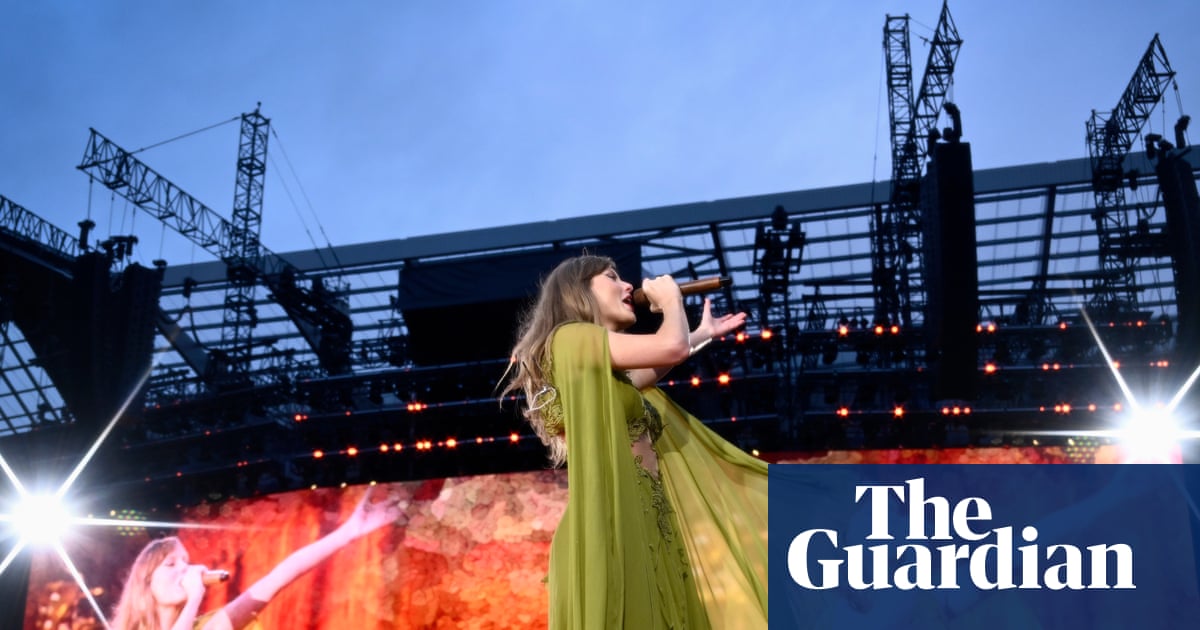
Liverpool were fifth, having jumped from eighth in the 2023-24 season, a rise fuelled not only by the success of Arne Slot’s side but by staging more concerts by artists such as Taylor Swift, Dua Lipa and Bruce Springsteen at Anfield. Marco D’Elia, assistant director in the Deloitte Sport Business Group, confirmed it was the first time Liverpool, who made total revenues of €836m, had topped the Premier League ranking.
“Liverpool’s strong performance was driven by on-pitch performance, Champions League revenues and a 7% increase in their commercial revenues,” he said. “That is driven by more focus on non-matchday events at Anfield, including concerts by Taylor Swift and corporate events. They also benefited from the challenges of other Premier League clubs, particularly Manchester City and Manchester United.”
A lack of success on the pitch affected the revenue of Manchester City, who dropped from second to sixth after making €829m. Manchester United, who made €793m, fell from fifth to eighth.
United were once regarded as the blueprint for commercial success in football and have topped the Money League in 10 of its 29 editions, most recently in 2017. Their fall was down to broadcast revenue dropping from €258m to €206m and because of their absence from the Champions League.
Arsenal, Tottenham and Chelsea remained seventh, ninth and 10th on the list.
Deloitte Money League men’s top 15 revenue, 2024-25
Tim Bridge, lead partner in the Deloitte Sports Business Group, said the report showed the most successful clubs were taking greater ownership of their revenue-generating capabilities.
“There is a pivotal shift in some club business models with an increased focus on maximising the impact of their brand and their stadium assets,” he said. “The presence of on-site breweries, hotels and restaurants is now commonplace and illustrates a strategic move to diversify income and create year-round entertainment destinations.
“This innovative approach is broadening revenue streams significantly, allowing clubs to unlock opportunities far beyond the traditional matchday experience in a drive to secure more sustainable financial futures.”