

Expert warns “subtle” behavioural changes in everyday life could reveal early signs of dementia beyond typical memory loss.
Chanelle Georgina Senior Audience Writer
07:00, 21 Jan 2026

There’s a subtle sign of dementia that could be spotted in everyday behaviour(Image: Deagreez via Getty Images)
Dr Ahmad Khundakar, Head of Integrated Science and Associate Professor of Pharmacy at Teesside University, has spoken about the early warning signs of dementia.
Whilst most individuals are aware that memory loss is the most recognised symptom of dementia, the condition also triggers difficulties with thinking and concentration.
“Very subtle changes in behaviour in everyday life can reveal early signs of dementia,” cautioned Dr Ahmed. This might encompass instances of memory problems, such as trouble recalling appointments, continually losing everyday objects, and being unable to remember why you entered a particular room.
However, there’s another indicator of “cognitive issues”, including finding it hard to keep up with conversations; being unable to follow discussions happening around you could signal hearing difficulties, but this is also connected to dementia, reports The Express.
The Alzheimer’s Society explained: “People who develop hearing problems during mid-life (aged 40 to 65) may have an increased risk of developing dementia.
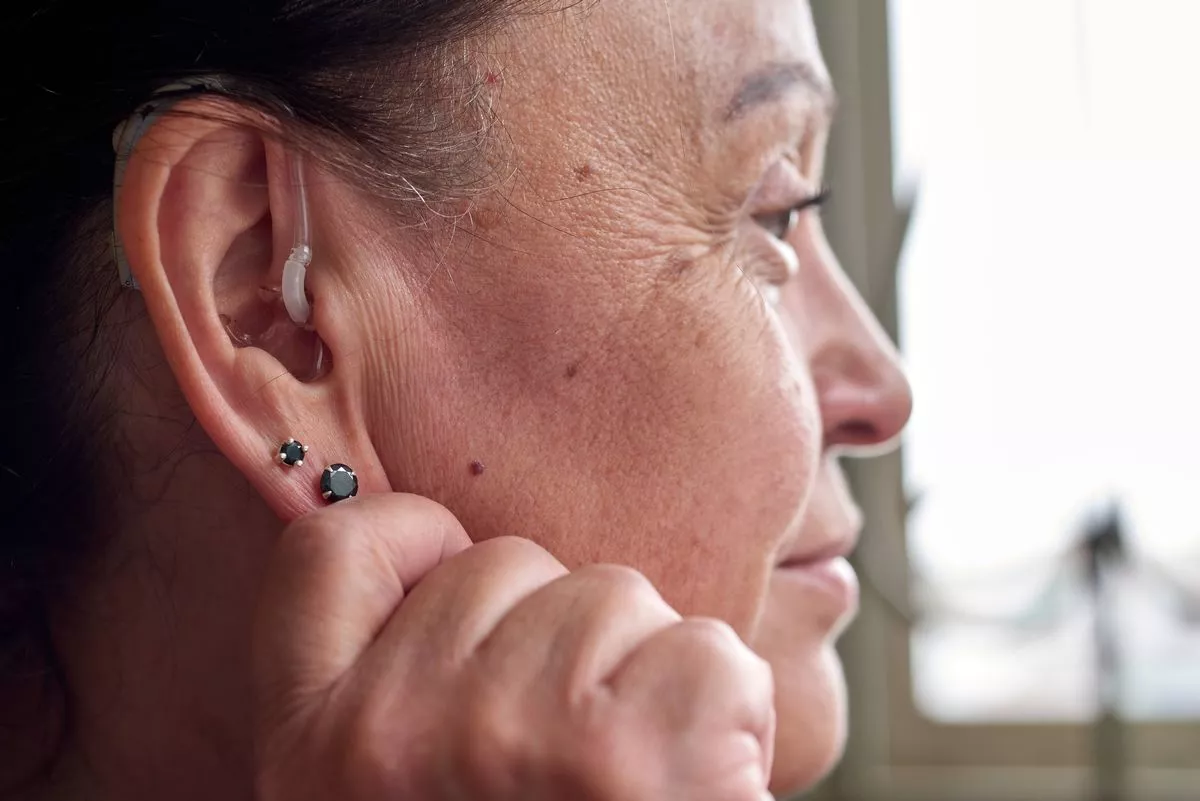
Wearing a hearing aid could help reduce the risk of developing dementia (Image: Pablo Jeffs Munizaga – Fototrekking via Getty Images)
“Hearing changes could also be an early symptom of dementia; there is some evidence that, if needed, using hearing aids may reduce cognitive symptoms and slow cognitive decline in people at risk of dementia, though it’s not yet clear if using hearing aids can prevent dementia.”
Anyone worried about their hearing can arrange a complimentary hearing assessment at their local opticians, or their GP can provide a referral to an audiologist.
“Studies have shown that people who use hearing aids to manage their hearing loss are less likely to develop dementia,” the charity stressed.
Dr Ahmed highlighted additional potential indicators of dementia, including growing difficulties with “tasks you previously handled without effort”.
Two instances include unexpected struggles with managing your diary and cooking meals (particularly if you were previously proficient at these).
“Interactions with loved ones and others might also feel different,” Dr Ahmed noted. “Activities that once brought happiness, such as hobbies or reading, may now feel too much.”
Dr Ahmed further explained that individuals affected by the condition might find it challenging “to find familiar locations or becoming confused about the time or date”.
Should you have concerns that yourself or someone close to you may be experiencing dementia, it’s recommended to arrange a consultation with your local GP.