
Cabinet Secretary for Finance Mark Drakeford announced the planned changes
15:11, 21 Jan 2026Updated 07:54, 22 Jan 2026
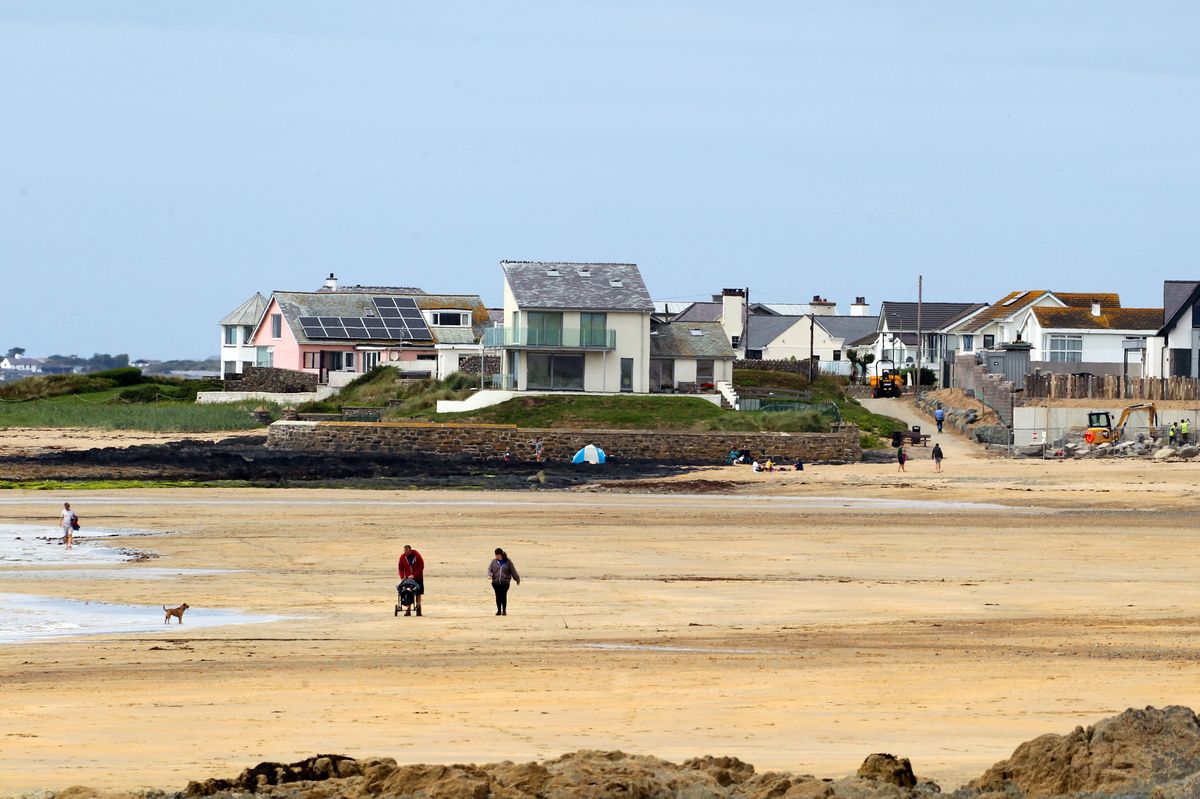
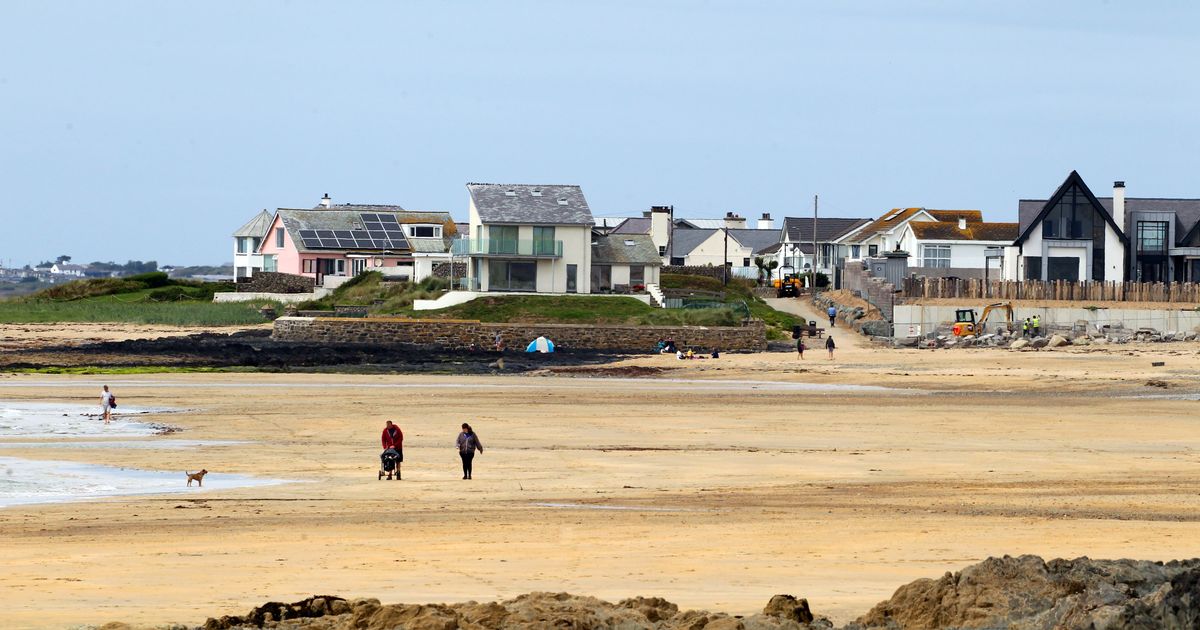
Rhosneigr a popular holiday area on Anglesey (Image: Ian Cooper)
Welsh Government is to make three changes to holiday home rules in Wales. Since 2023, self-catering properties in the country must be available for 252 days and let out for 182 days each year to be eligible to pay business rates.
Those failing to achieve that instead pay a higher council tax rate – with a maximum potential premium of 300%. A total of 40% of holiday lets in Wales have not met the letting criteria since the new rules were brought in from 2023.
These rules been fiercely opposed by many in the sector who say genuine holiday let businesses are being dragged into paying thousands of pounds extra.
Welsh Government announced last summer proposals to make adjustments to the legislation in response to the concerns raised.
Today Finance Secretary Mark Drakeford announced the planned changes. Read how the sector responded to the changes here.
He said: “Firstly, we proposed to enable an average of days let over multiple years to be taken as evidence of compliance, where 182 days letting are not achieved in the previous year. This is intended to provide an opportunity for operators whose compliance lapses by a narrow margin to potentially achieve 182 days letting again, before they would otherwise become liable for council tax. Join the North Wales Live WhatsApp community group where you can get the latest stories delivered straight to your phone
“Secondly, we proposed to enable an allowance of up to 14 days per year for donations to charity of short breaks to count towards the letting criteria. This is intended to ensure any such donations are not disincentivised and support the wider public benefit they provide.”
He added: “In addition, the consultation also sought views on the Welsh Government’s intention to encourage local authorities to support self-catering operators who do not meet the non-domestic rates letting criteria with a stepped transition to council tax, charged at the standard rate of council tax for the first year before any premium is applied.
“In considering the consultation responses, I have also decided to legislate for a statutory exception from a council tax premium, to ensure the proposal for a stepped transition is applied on a consistent basis nationally across Wales. The necessary regulations to deliver this proposal will be developed and brought forward as soon as possible, to apply from 1 April 2027. The Welsh Government will work with local government to deliver these policy refinements.”
The consultation received 1,211 responses.
Mr Drakeford added: “I recognise the strength of feeling among self-catering operators and others about the design of the local tax system. As I set out when I launched the consultation, our proposals respond, in the manner considered appropriate, to matters raised by the self-catering sector during implementation of the new letting criteria.
“The Welsh Government’s policy position was set out in my previous statement on this matter and in the consultation. Recognising that 60% of self-catering properties have already met the letting criteria, we remain of the view that, for a property to be classified as non-domestic for local tax purposes, it should be let for the majority of the year.
“Following the consultation, I will proceed with the necessary steps to enable the proposed refinements (first two proposals) to the application of the letting criteria to take effect from 1 April 2026. The Non-Domestic Rating (Amendment of Definition of Domestic Property) (Wales) Order 2026 has been made and laid before the Senedd for that purpose.”
Join the North Wales Live WhatsApp community group where you can get the latest stories delivered straight to your phone